Once the redemption period concludes following a foreclosure action in Alberta, homeowners enter a challenging but navigable financial landscape. Securing a second mortgage after this period requires understanding specific credit thresholds, lender requirements, and timing considerations that differ significantly from standard mortgage applications. This guide provides Alberta homeowners with the actionable steps, lender insights, and strategic approaches needed to successfully obtain secondary financing after completing the foreclosure process.
Key Takeaways
- The redemption period in Alberta typically ranges from 6 to 12 months, during which homeowners can reclaim their property by paying the outstanding debt plus costs
- After the redemption period ends, homeowners face a minimum 3 to 7 year waiting period before conventional lenders will consider mortgage applications
- Private and alternative lenders can provide financing options during the waiting period, though at higher interest rates
- Credit score recovery is essential, with most lenders requiring a minimum score of 600 to 650 for second mortgage approval
- Documentation of financial stability, including steady employment and reduced debt ratios, strengthens mortgage applications
- Working with a mortgage broker specializing in post-foreclosure financing significantly improves approval odds
Understanding the Redemption Period in Alberta Foreclosure Proceedings
The redemption period represents a critical phase in Alberta’s foreclosure process, granting homeowners a final opportunity to retain their property before the lender completes the foreclosure action. According to the Alberta government, this statutory period allows borrowers to redeem the mortgage by paying the full amount outstanding—including accumulated interest, legal costs, and enforcement expenses—before the title transfers to the lender.
During this timeframe, which typically spans six months to one year depending on the specific circumstances and court orders, homeowners must demonstrate both the ability and willingness to bring the mortgage current. The final order of foreclosure timeline for Calgary homeowners outlines how these periods are calculated and what triggers their conclusion.
Once the redemption period expires without payment, the lender obtains a clear title to the property, and the former homeowner loses all ownership rights. This marks the beginning of a new financial chapter that requires strategic planning to rebuild creditworthiness and re-enter the mortgage market.
What Happens When the Redemption Period Ends
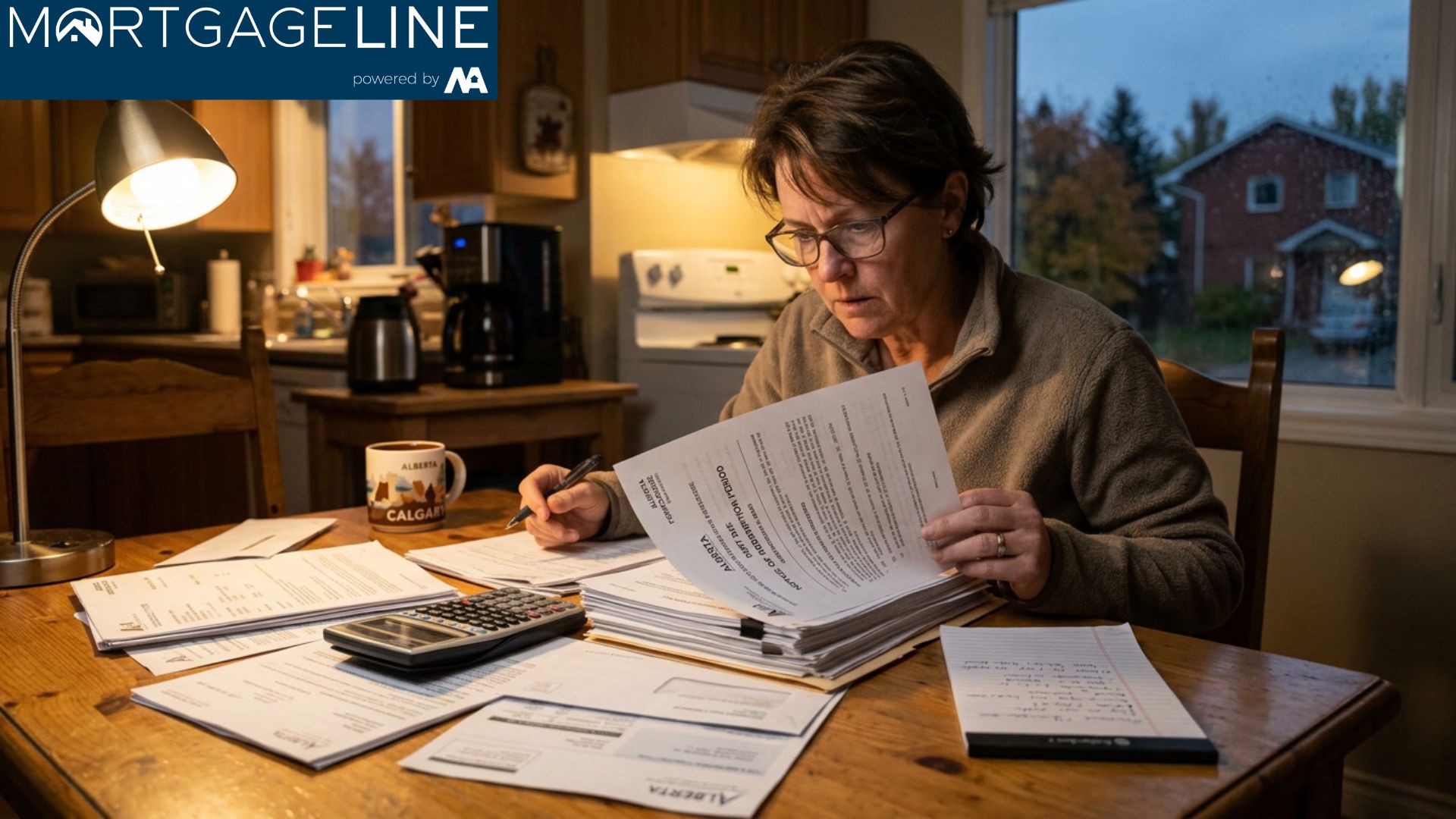
When the redemption period concludes without redemption, several significant consequences unfold for the former property owner. The lender takes possession of the property, and any remaining mortgage debt that cannot be recovered through the sale becomes a deficiency balance that the lender may pursue.
From a credit perspective, the foreclosure remains on the homeowner’s credit report for six to seven years in Canada, significantly impacting their credit score. Research from Equifax Canada indicates that a foreclosure can decrease credit scores by 100 to 200 points, creating substantial barriers to future credit access.
However, the conclusion of the redemption period does not permanently bar homeowners from future property ownership. With deliberate credit rebuilding efforts and strategic financial planning, many Alberta residents successfully obtain new mortgages within three to five years of their foreclosure completion.
The Credit Landscape After Foreclosure
Understanding your credit position after foreclosure is essential before pursuing any mortgage application. The credit score impact varies based on whether the foreclosure was reported as a settlement, a short sale, or a completed foreclosure action—each carrying different weight with lenders.
As Financial Consumer Agency of Canada explains, rebuilding credit after a significant derogatory event requires a systematic approach: secured credit cards, reduced credit utilization, consistent payment history, and limited new credit applications. Most mortgage lenders require a minimum credit score of 600 to 650 before considering second mortgage applications, with conventional lenders often preferring scores above 680.
The timeline for credit score recovery depends heavily on the homeowner’s commitment to rebuilding efforts. Those who actively manage credit accounts, reduce outstanding balances, and maintain consistent payment histories typically see meaningful score improvements within 24 to 36 months.
Key Credit Factors Lenders Evaluate
- Current credit score and score trajectory over the past 12 to 24 months
- Types of credit accounts currently held and their management history
- Credit utilization ratio, with most lenders preferring ratios below 30%
- Presence of any new derogatory marks since the foreclosure
- Length of credit history and account diversity
- Recent credit inquiries and their frequency
Qualifying for a Second Mortgage After the Redemption Period
Qualifying for a second mortgage following foreclosure completion requires meeting specific criteria that vary between lender types. Private lenders and alternative financing sources typically offer more flexible qualification requirements than traditional banks, though at correspondingly higher interest rates.
According to Canada Mortgage and Housing Corporation, the secondary mortgage market provides valuable financing options for borrowers who may not meet conventional lending standards, including those recovering from financial difficulties like foreclosure.
Lender Requirements by Category
| Lender Type | Minimum Credit Score | Post-Foreclosure Wait Time | Interest Rate Range | Documentation Required |
|---|---|---|---|---|
| Traditional Banks | 680+ | 5-7 years | 5.5% – 7.5% | Full income verification, 2 years NOA |
| Credit Unions | 620-650 | 3-5 years | 5.75% – 8.0% | Income verification, membership history |
| Private Lenders | 500-600 | 1-2 years | 9.5% – 15.0% | Property appraisal, basic income confirmation |
| Alternative Lenders | 550-650 | 2-4 years | 7.5% – 12.0% | Income documentation, asset verification |
Private mortgage lenders represent the fastest path to obtaining financing after foreclosure, often approving applications within days rather than weeks. However, the higher cost of capital means these loans serve best as short-term solutions while homeowners rebuild their credit profiles for better long-term financing options.

Step-by-Step Process to Secure Your Second Mortgage
Obtaining a second mortgage after the redemption period requires methodical preparation and strategic timing. The following process outlines the essential steps Alberta homeowners should take to maximize their approval chances.
Step 1: Assess Your Current Credit Position
Obtain copies of your credit reports from both Equifax and TransUnion, reviewing them for accuracy and identifying areas requiring attention. Dispute any errors and develop a targeted credit rebuilding strategy based on your current score and report contents.
Step 2: Reduce Outstanding Debt
Focus on lowering credit card balances and other revolving debt to improve your utilization ratio. Financial advisors recommend achieving sub-30% utilization before applying for major credit products like mortgages.
Step 3: Establish Consistent Payment History
Demonstrate reliable payment behavior by maintaining at least two to three credit accounts with perfect payment history for 12 to 24 months before your mortgage application. This proves to lenders that past difficulties have been resolved.
Step 4: Document Financial Stability
Compile comprehensive documentation including employment verification, income statements, Notice of Assessment from the Canada Revenue Agency, bank statements, and asset documentation. Strong documentation compensates for credit challenges.
Step 5: Engage a Specialized Mortgage Broker
Working with a broker experienced in post-foreclosure financing significantly improves your chances. These professionals understand which lenders are most flexible and can present your application in the most favorable light. Consider connecting with resources like independent legal advice for Alberta second mortgages to ensure your interests are protected throughout the process.
Step 6: Compare Offers and Terms
Obtain quotes from multiple lenders, comparing interest rates, fees, prepayment privileges, and term lengths. The pros and cons of second mortgages vary significantly based on individual circumstances and lender selection.
Common Challenges and How to Overcome Them
Homeowners pursuing second mortgages after foreclosure encounter several predictable obstacles that require proactive solutions.
Limited lender options: Many traditional lenders automatically decline applications from anyone with a foreclosure on their record within the past five to seven years. Alternative lenders and private financing sources provide necessary alternatives during this waiting period.
Higher interest rates: The elevated risk perception associated with post-foreclosure borrowers results in interest rates that may be 2 to 5 percentage points higher than conventional rates. Consider these costs against the benefits of accessing equity or purchasing new property.
Income documentation requirements: Self-employed individuals or those with non-traditional income sources face additional verification challenges. Building a strong two-year income history through consistent tax filing addresses this concern effectively.
Property appraisal complications: Some properties that underwent foreclosure may have experienced deferred maintenance or condition issues affecting their current value. Commissioning a professional appraisal before applying helps set realistic expectations.
Strategic Considerations for Alberta Homeowners
Alberta’s unique real estate market dynamics influence second mortgage availability and terms following foreclosure. The Calgary zoning bylaw changes affecting second mortgage approvals demonstrate how local regulations can impact financing options, making local market knowledge valuable.
Homeowners should consider whether their priority is accessing equity from their current property or eventually purchasing a new home. If purchasing a new property, understanding how the Calgary home equity options for debt consolidation might apply to their situation provides additional strategic flexibility.
For those dealing with tax-related issues following foreclosure, the strategy of using second mortgages to pay CRA tax arrears represents a specialized application that may apply to certain homeowners’ circumstances.

Timeline Expectations: When Can You Apply?
The waiting period between foreclosure completion and mortgage eligibility varies significantly based on lender type and individual circumstances.
For conventional bank financing, most institutions require a minimum waiting period of five to seven years from the date the foreclosure was discharged. During this time, homeowners must demonstrate consistent credit management and financial stability to overcome the negative credit impact.
Credit unions often provide more flexible timelines, with some approving applications after three to five years for members with strong overall banking relationships. Private lenders may approve applications within one to two years of foreclosure completion, though the cost of this expedited access is substantially higher interest rates.
The second mortgage approval timeline for Calgary residents provides detailed information on processing times and what factors accelerate or delay the approval process.
Protecting Your Investment: Legal Considerations
Before entering any second mortgage agreement following foreclosure, Alberta homeowners should seek independent legal advice to ensure they fully understand their rights and obligations. The importance of independent legal counsel cannot be overstated, particularly when dealing with complex financial situations involving previous foreclosure proceedings.
Legal professionals can review mortgage documents, explain prepayment terms, identify potentially predatory lending practices, and ensure that the proposed financing serves your long-term financial interests rather than creating additional hardship.
Conclusion
Securing a second mortgage after the redemption period ends in Alberta requires patience, strategic credit rebuilding, and realistic expectations about available financing options. While the path involves challenges—including credit recovery timelines, elevated interest rates, and limited conventional lender options—numerous pathways exist for determined homeowners to successfully obtain secondary financing.
The key to success lies in understanding your current credit position, working with experienced professionals, and making informed decisions about timing and lender selection. Whether you need immediate access to equity through private financing or are planning for conventional mortgage approval in several years, the strategies outlined in this guide provide a roadmap for achieving your financial goals.
If you’re ready to explore your second mortgage options after completing the foreclosure process, connect with our team of Alberta mortgage specialists today. We understand the unique challenges facing homeowners in your situation and can help you find the financing solution that best fits your needs and timeline.
Frequently Asked Questions
How long does a foreclosure stay on my credit report in Canada?
A foreclosure remains on your credit report for six years from the date of discharge in most Canadian provinces, though it may be reported for up to seven years in certain circumstances. During this period, the foreclosure significantly impacts your credit score and limits your access to conventional financing options.
Can I get a mortgage while the foreclosure is still on my credit report?
Yes, private lenders and some alternative lenders will consider mortgage applications even while a foreclosure remains on your credit report, though typically after a minimum waiting period of 12 to 24 months. These lenders focus more on current financial stability than historical credit events, but they charge significantly higher interest rates to compensate for the elevated risk.
What is the minimum credit score needed for a second mortgage after foreclosure?
Minimum credit score requirements vary by lender type. Private lenders may accept scores as low as 500 to 600, while credit unions typically require 620 to 650, and traditional banks prefer 680 or higher. Building your score above 650 before applying for conventional financing improves your approval chances and available terms.
Will the lender who held my foreclosed mortgage automatically decline my application?
Not necessarily. While some lenders have automated underwriting systems that decline applications with recent foreclosures, many mortgage applications are reviewed manually. A broker who understands your full financial picture can present your application in the most favorable light and identify lenders known for flexibility with post-foreclosure borrowers.
Can I use a second mortgage to purchase a new property after foreclosure?
Yes, a second mortgage can be used to purchase a new property, though the terms and approval requirements depend on your credit profile, income stability, and the property being purchased. Many homeowners use second mortgages as stepping stones toward conventional financing as their credit improves over time.
What documentation do I need to apply for a second mortgage post-foreclosure?
Most lenders require identification, employment verification, recent pay stubs or income statements, two years of Notice of Assessment from the Canada Revenue Agency, bank statements showing account history, and details of any outstanding debts. Private lenders may require less documentation but will typically require a property appraisal.
How can I speed up my credit recovery after foreclosure?
Accelerate credit recovery by obtaining a secured credit card and making all payments on time, reducing outstanding credit card balances to below 30% of available limits, avoiding new credit applications, disputing any errors on your credit report, and maintaining stable employment and income. Most homeowners see meaningful score improvements within 18 to 36 months of dedicated credit rebuilding efforts.