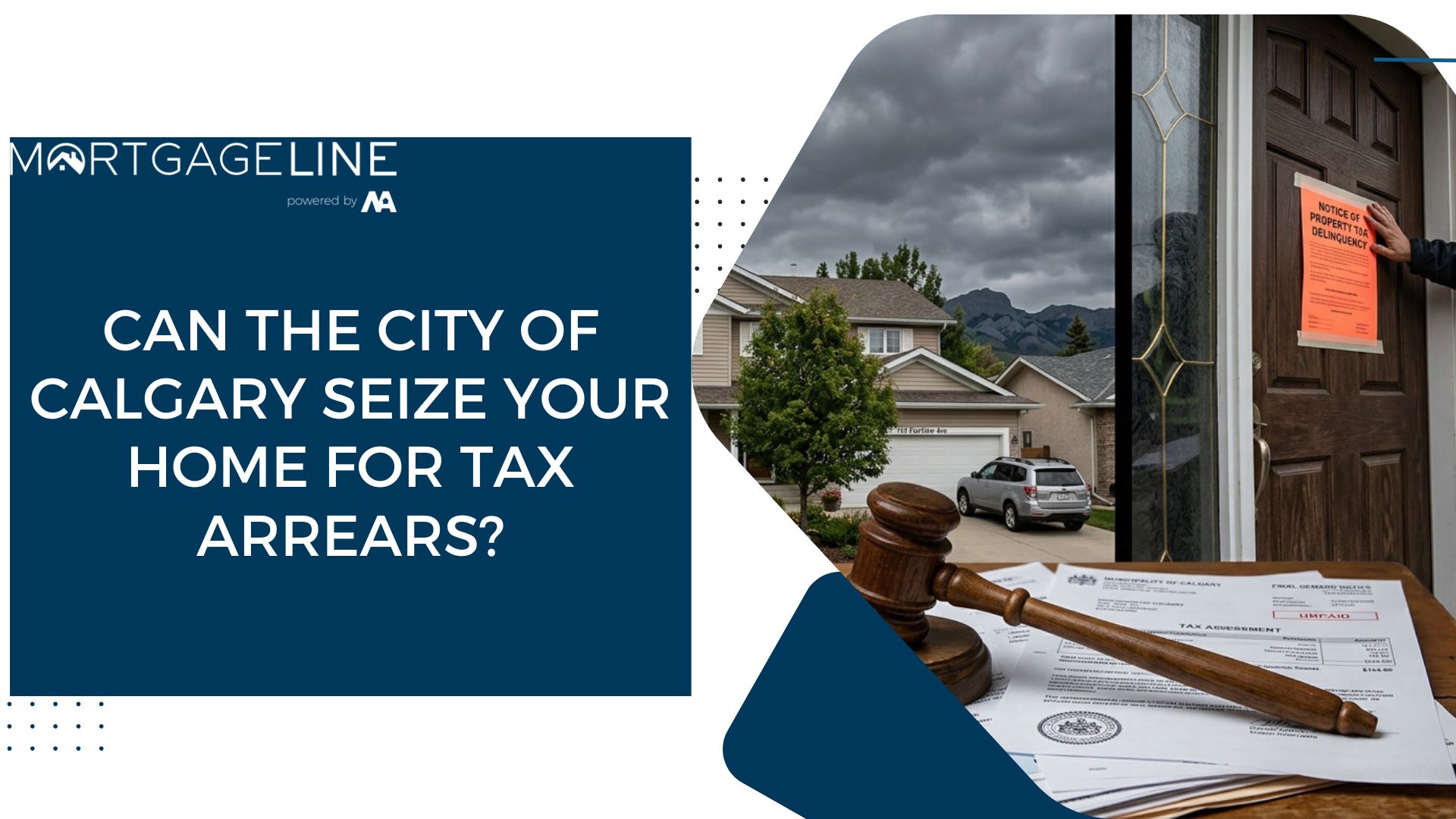
Yes, the City of Calgary can legally seize and sell your home if you fail to pay property tax arrears, but the process takes months and involves multiple formal notice periods. Understanding this process is critical for any Calgary homeowner facing outstanding municipal taxes.
- Property tax arrears in Calgary can eventually lead to property seizure through a legal foreclosure process
- The City must provide multiple notices and waiting periods before taking legal action
- Homeowners have several legal options to stop seizure, including payment plans and appeals
- The entire process typically spans 6-12 months, giving homeowners time to act
- Second mortgages and other financing options can help clear tax arrears
- Tax sale certificates allow investors to purchase your property at a discount
- Acting early dramatically improves your chances of keeping your home
Understanding Calgary’s Property Tax System
Property taxation in Calgary operates under the Municipal Government Act of Alberta, which grants municipalities the authority to levy and collect property taxes annually. The City of Calgary calculates property taxes based on the assessed value of your property multiplied by the municipal tax rate established each year. According to the Alberta government, municipalities must provide property tax notices by April of each year, with payment typically due by June 30 or October 31 depending on the installment plan chosen.
When property taxes remain unpaid after the due date, they automatically convert to tax arrears. This status triggers a formal debt obligation that the City can pursue through legal means. Research from Statistics Canada indicates that property tax collection rates in major Canadian cities average between 94-98%, meaning most homeowners pay on time, but even a small percentage of arrears cases can involve significant amounts.
The distinction between mortgage payments and property taxes is crucial: while your lender may escrow funds for tax payments, the ultimate responsibility for paying property taxes rests with you as the property owner. If your escrow account is insufficient or your lender fails to make payments, you remain liable for any resulting arrears.

The Legal Framework for Tax Recovery in Alberta
Alberta’s Municipal Government Act provides municipalities with robust tools for collecting overdue property taxes. Section 347 of the Act authorizes the City to register a tax recovery notice against the title of any property with outstanding taxes after a specified period. This notice creates a legal claim against your property that takes priority over most other encumbrances.
As the City of Calgary’s official documentation explains, the tax recovery process follows a strict statutory timeline designed to give homeowners multiple opportunities to pay before losing their property. The process cannot begin until at least 90 days after the tax due date has passed, and the City must publish notices in the newspaper and post them on the property itself.
The legal framework distinguishes between residential and non-residential properties, with slightly different timelines and procedures for each category. For homeowners, the residential property provisions apply, offering more protections than commercial property tax recovery.
The Step-by-Step Seizure Process in Calgary
Understanding the chronological progression of tax recovery helps homeowners identify exactly when and how they can intervene to stop seizure. The process unfolds in distinct phases, each offering different intervention points.
Phase 1: Notice of Outstanding Taxes (90+ Days Overdue)
Approximately 90 days after your property tax payment deadline passes without payment, the City of Calgary issues a formal notice of outstanding taxes. This notice informs you of the total amount owed, including any penalties that have accrued. According to municipal records, penalty rates typically start at 5% on the first month of arrears and increase progressively.
At this stage, the situation remains relatively informal. You can still resolve the matter simply by paying the full amount owed, including accrued penalties. No legal action has been initiated, and your credit rating has not been affected.
Phase 2: Tax Recovery Notice Registration (Typically 6+ Months Overdue)
After approximately six months of continued non-payment, the City registers a tax recovery notice against your property’s title at the Alberta Land Titles Office. This registration creates a legal lien that appears in any title search conducted on your property. The notice specifies the amount of arrears and provides a deadline for payment, typically 30 days from the date of registration.
This phase represents a critical turning point. Once the notice is registered, potential buyers, lenders, and other parties conducting due diligence on your property will see the encumbrance. This can complicate refinancing, selling, or obtaining additional financing against the property.
Phase 3: Tax Sale Certificate Issuance
If the tax recovery notice period expires without payment, the City issues a tax sale certificate. This certificate represents the City’s formal claim against your property and can be sold to investors at public auction. The minimum auction price is typically the total amount of outstanding taxes, penalties, and recovery costs.
When a tax sale certificate is issued, investors can purchase your property’s tax debt. In exchange, they receive a lien against your property with specific interest rates and repayment terms. This is where the situation becomes particularly dangerous for homeowners, as third-party investors are often more aggressive in pursuing collection than the City.

Phase 4: Foreclosure Proceedings
If tax arrears remain unpaid after the tax sale certificate period, the holder of the certificate can initiate formal foreclosure proceedings in the Alberta Court of King’s Bench. This legal action seeks a court order declaring the property forfeited to satisfy the debt. The foreclosure process in Alberta follows the same general procedures as mortgage foreclosure, with similar timelines and homeowner protections.
During foreclosure proceedings, homeowners retain the right to pay off the debt and stop the process up until the final order is issued. The court will issue a final order of foreclosure only after determining that all proper procedures were followed and the homeowner had adequate opportunity to respond.
Once a final order of foreclosure is granted, the property is legally transferred to the certificate holder, and the former owner loses all rights to the property. The timeline from initial arrears to final foreclosure order typically spans 6-12 months, though complex cases can take longer.
How Homeowners Can Stop the Seizure Process
The good news for Calgary homeowners is that multiple intervention points exist throughout the tax recovery process. Acting strategically at each stage can mean the difference between keeping your home and losing it to tax seizure.
Option 1: Direct Payment with Installments
The most straightforward solution is paying the full amount of arrears, including all accrued penalties and costs. The City of Calgary offers payment arrangements for homeowners experiencing financial hardship. These arrangements allow you to pay off tax arrears over time while maintaining current tax obligations.
To qualify for a payment arrangement, you typically need to demonstrate genuine financial hardship and provide a realistic repayment proposal. The City may require you to maintain current-year tax payments while clearing the arrears balance.
Option 2: Property Tax Deferral Programs
Alberta offers property tax deferral programs for eligible homeowners, particularly seniors and individuals with disabilities. These programs allow you to defer payment of property taxes, with the deferred amount becoming a lien against your property that is repaid when you sell or transfer the property.
According to the Canadian Mortgage and Housing Corporation, deferral programs can provide significant relief for homeowners facing temporary financial difficulties, though eligibility requirements are strict and not all homeowners will qualify.
Option 3: Second Mortgage Financing
Many homeowners successfully resolve tax arrears by accessing the equity in their property through a second mortgage. Even if your first mortgage lender is unwilling to help with tax arrears, a private or alternative lender may provide financing secured by your home’s equity.
A second mortgage allows you to consolidate outstanding tax arrears with other debts into a single manageable payment. This approach works particularly well when the total arrears amount is relatively small compared to your available home equity. Using a second mortgage to pay tax arrears is a proven strategy that many Calgary homeowners have employed successfully.
Option 4: Tax Appeal and Assessment Review
In some cases, property tax arrears result from assessment errors or disputes about property valuation rather than genuine inability to pay. Alberta’s Municipal Government Act provides mechanisms for challenging property assessments through the Assessment Review Board.
If your property was overassessed, successfully appealing the assessment can reduce your future tax obligations and potentially result in refunds of previously overpaid taxes. This option requires documentation supporting a lower assessment value and typically must be pursued within specific timeframes.
Comparing Tax Recovery Timelines: Calgary vs. Other Alberta Municipalities
| Recovery Stage | Calgary Timeline | Standard Alberta Practice | Homeowner Intervention Window |
|---|---|---|---|
| Initial Notice | 90 days after due date | 60-90 days | 6+ months |
| Tax Recovery Notice Registration | 6+ months in arrears | 3-6 months | 3-6 months |
| Tax Sale Certificate | After recovery notice expires | 30-60 days after notice | 2-4 months |
| Foreclosure Filing | Variable, typically 12+ months | 6-12 months | 3-6 months |
| Final Order of Foreclosure | 18-24 months from initial arrears | 12-18 months | Until court order issued |
Common Mistakes That Lead to Property Loss
Many homeowners lose their properties to tax seizure not because they lacked options, but because they failed to act in time or made critical errors during the recovery process. Understanding these pitfalls helps you avoid them.
Ignoring notices: Perhaps the most common mistake is disregarding official notices from the City. Many homeowners assume that because they are making mortgage payments, tax matters will somehow resolve themselves. This assumption is dangerous—the City does not communicate with mortgage lenders about your tax status, and ignoring official correspondence only accelerates the legal process.
Missing deadlines: Each phase of the tax recovery process has specific deadlines for response and payment. Missing these deadlines can result in immediate progression to the next phase, eliminating intervention opportunities. Setting calendar reminders and responding promptly to all correspondence is essential.
Attempting unauthorized sales: Some homeowners try to sell their property to resolve tax arrears without understanding the legal implications. Once a tax recovery notice is registered against the title, any sale proceeds must first go toward satisfying the tax debt, and transactions may be complicated by the lien.
Believing myths about protection: Some homeowners incorrectly believe that living in a property or having occupied it for many years provides some protection against tax seizure. In Alberta, the Municipal Government Act provides no such residential exemptions for tax recovery.

What Happens After a Tax Foreclosure?
Understanding the consequences of completed tax foreclosure helps underscore why prevention is so critical. Once a property transfers through foreclosure, the former owner faces significant financial and legal consequences.
The former owner receives any sale proceeds remaining after satisfying the tax debt and related costs. However, tax foreclosure sales often result in prices below market value, meaning there may be little or nothing left for the former owner. Additionally, any existing mortgages or other liens against the property are extinguished, potentially leaving other creditors with no recourse.
Tax foreclosure also affects your credit rating and future borrowing ability. A foreclosure on your credit report remains for seven years in Canada, making it difficult to qualify for mortgages, loans, or rental housing during that period. As financial experts note, the long-term financial damage from foreclosure often exceeds the original tax debt that triggered the process.
When to Seek Professional Help
Given the complexity of tax recovery law and the high stakes involved, most homeowners benefit from professional guidance when facing significant tax arrears. Several types of professionals can help.
Real estate lawyers specializing in property matters can review your situation, explain your legal options, and represent you in any court proceedings. They can also negotiate with the City and certificate holders on your behalf.
Financial advisors can help you evaluate whether second mortgage financing, debt consolidation, or other approaches make sense for your overall financial situation. Independent legal advice is particularly valuable when considering financing options that affect your property.
Mortgage brokers familiar with Calgary’s lending market can identify lenders willing to provide second mortgage financing even for homeowners with tax arrears. Home equity financing options exist for various situations, including energy sector downturns that have affected many Calgary homeowners.
The key is to seek help early. Waiting until foreclosure proceedings have begun significantly limits your options and reduces the likelihood of a favorable outcome. Early intervention gives you access to more solutions and more time to implement them.
Conclusion
The City of Calgary can indeed seize your home for tax arrears, but the process unfolds gradually over many months, providing multiple opportunities for intervention. Understanding your rights, responding promptly to all notices, and exploring options like payment arrangements, second mortgage financing, or tax appeals can help you protect your home even when facing significant financial challenges.
The most important takeaway is this: do not ignore tax arrears, regardless of your circumstances. Every month of inaction narrows your options and brings the seizure process closer to completion. Whether you need help negotiating with the City, exploring financing options, or understanding the legal process, professional assistance is available.
If you’re facing property tax arrears in Calgary, take action today. Contact a real estate lawyer or mortgage professional to discuss your situation and explore your options before it’s too late. Get in touch with our team to learn how we can help you navigate this challenging situation and protect your home.
References
- Government of Alberta – Municipal Government Act
- City of Calgary – Property Tax Information
- Statistics Canada – Property Tax Statistics
- Canada Mortgage and Housing Corporation
- Alberta Queen’s Printer – Provincial Legislation
Frequently Asked Questions
How long does it take for Calgary to seize a home over unpaid property taxes?
The complete tax seizure process in Calgary typically takes 12-24 months from the date your property taxes become overdue. This timeline includes multiple notice periods and waiting requirements mandated by Alberta’s Municipal Government Act. However, you can stop the process at any point by paying the full arrears amount, including penalties and costs.
Can I stop the tax seizure process once it has started?
Yes, you can stop tax seizure at any point before the final order of foreclosure is issued by paying the full amount of outstanding taxes, penalties, and recovery costs. You can also negotiate payment arrangements with the City, appeal your property assessment, or obtain second mortgage financing to pay off the arrears. Each option has specific requirements and timeframes, so acting quickly is essential.
Does the City of Calgary notify mortgage lenders about tax arrears?
No, the City of Calgary does not proactively notify mortgage lenders about property tax arrears. While lenders typically escrow tax payments for financed properties, they rely on homeowners to maintain sufficient funds in escrow accounts. If your escrow is insufficient, you are responsible for making up the difference, and the City will pursue you directly for any resulting arrears.
Can I sell my home if there is a tax recovery notice registered against it?
You can sell a property with a tax recovery notice, but the sale proceeds must first be applied to satisfy the outstanding tax debt at closing. The process is more complicated than a standard sale, and some buyers may be hesitant to purchase a property with encumbrances. Working with a real estate lawyer can help navigate the process and ensure all legal requirements are met.
What percentage of property tax arrears leads to actual seizure?
According to municipal data, the vast majority of property tax arrears cases are resolved before reaching the seizure stage. Most homeowners pay their taxes eventually, either directly or through financing arrangements. However, for those who ignore notices and fail to respond to the recovery process, seizure becomes increasingly likely as the process progresses through each legal phase.
Are there any exemptions that protect primary residences from tax seizure?
Alberta’s Municipal Government Act does not provide general exemptions for primary residences against property tax recovery. Unlike some jurisdictions that protect homesteads up to a certain value, Alberta allows municipalities to pursue full tax recovery against residential properties. However, seniors and persons with disabilities may qualify for property tax deferral programs that delay payment until the property is sold.
What happens to my mortgage if my property goes through tax foreclosure?
In a tax foreclosure, the tax certificate holder’s claim takes priority over your existing mortgage. This means your mortgage could be extinguished along with your ownership interest, leaving your lender with no recourse against the property. This is one reason why mortgage lenders typically monitor property tax payments closely and may force-place insurance or make escrow payments to prevent this scenario.
How do I apply for a property tax payment arrangement in Calgary?
To apply for a payment arrangement, contact the City of Calgary’s Revenue Division directly. You will need to demonstrate financial hardship, provide documentation of your income and expenses, and propose a realistic repayment schedule. The City evaluates applications case-by-case and may require you to maintain current-year tax payments while clearing the arrears balance over an approved period.