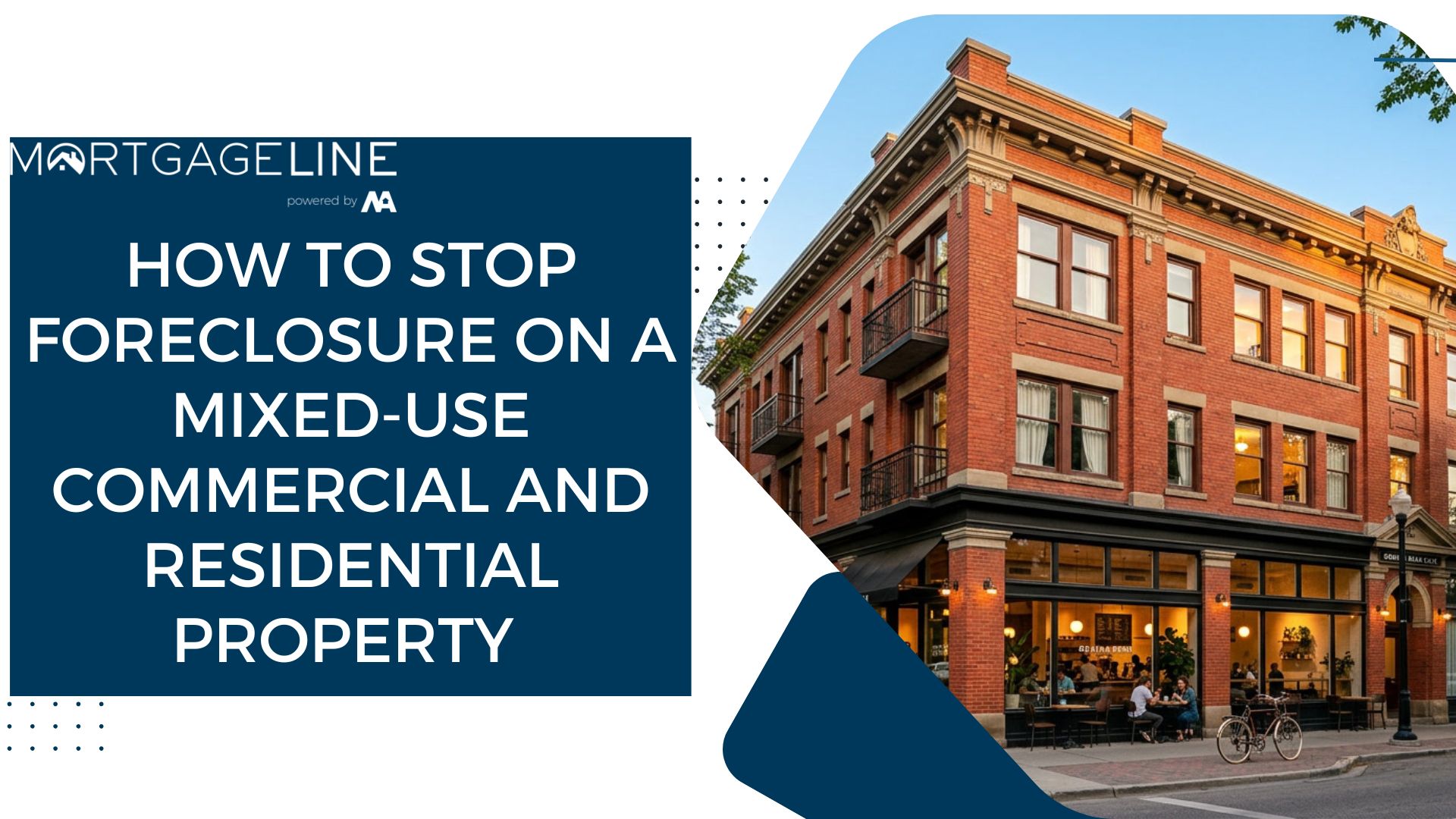
To successfully halt a foreclosure on a commercial-residential mixed-use property in Calgary, owners must immediately file a Statement of Defence or Demand for Notice, negotiate a forbearance agreement with their primary lender, and rapidly secure alternative capital to cure outstanding arrears. Because mixed-use real estate falls under both residential property protections and commercial tenancy laws, stopping legal action requires a specialized financial and legal strategy tailored to Alberta’s jurisdiction.
Key Takeaways
- Immediate Legal Action: You typically have 20 days after receiving a Statement of Claim to file a response in Alberta, preventing an automatic default judgment.
- Assignment of Rents Danger: Lenders can legally intercept commercial tenant lease payments during foreclosure; halting this requires immediate capital injection.
- Redemption Period Variations: While standard Calgary residential properties often receive a six-month redemption period, mixed-use commercial properties may face expedited timelines.
- Alternative Financing is Key: Curing arrears via secondary lenders or private equity is the most reliable way to reinstate the mortgage and stop the legal process.
- Tenant Protection: Residential tenants are protected by the Residential Tenancies Act, whereas commercial tenant rights are dictated entirely by their lease agreements during a foreclosure event.
The Unique Challenges of Mixed-Use Real Estate Foreclosures in 2026
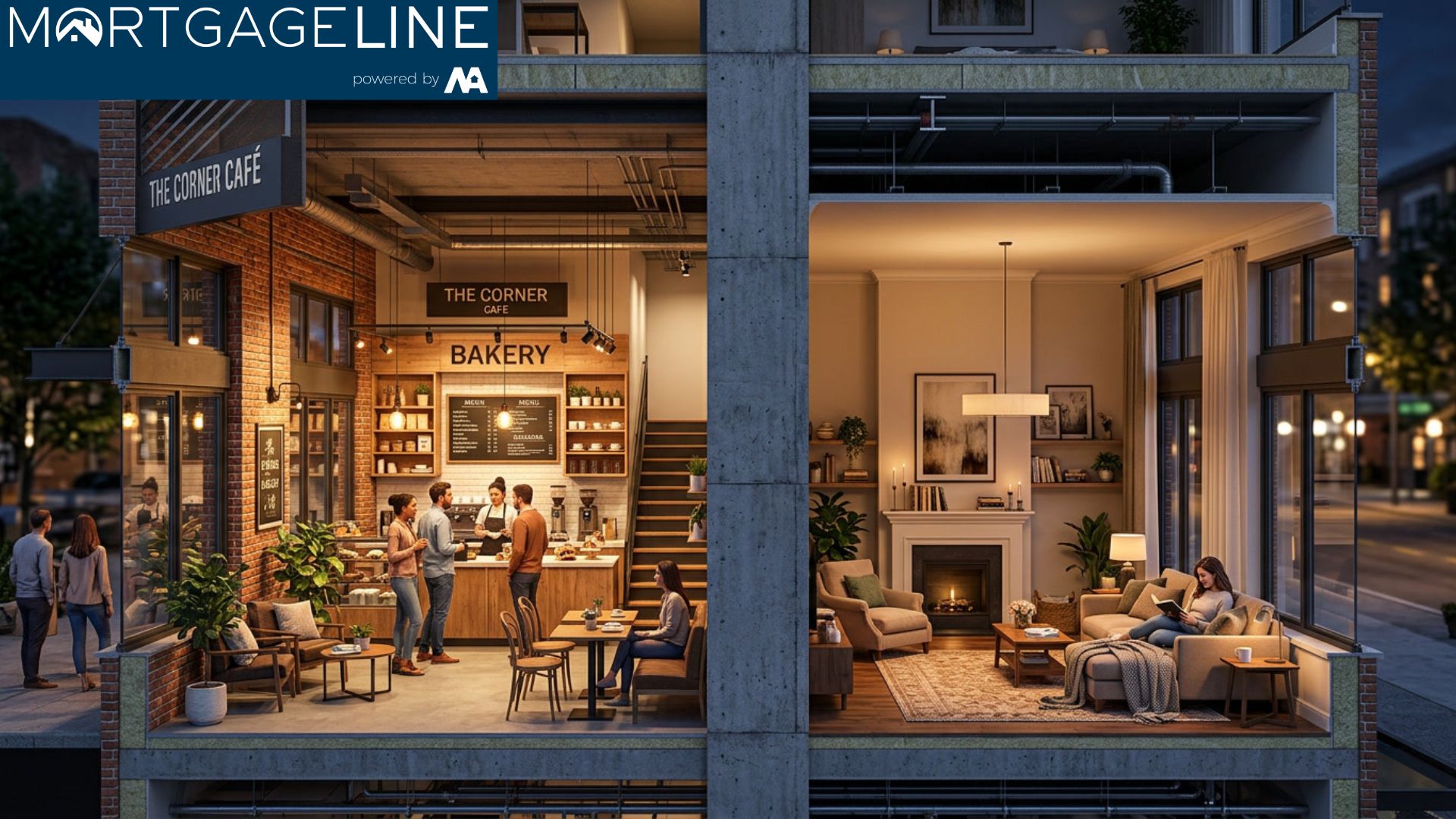
Calgary’s real estate landscape has evolved significantly. With recent Calgary zoning bylaw changes encouraging denser, multi-purpose neighborhoods, commercial-residential mixed-use properties have become highly popular. These buildings typically feature ground-floor retail or office space with residential apartments or condos on the upper levels. However, when financial distress hits, the dual nature of these properties makes the foreclosure process exceedingly complex.
Unlike standard single-family homes, mixed-use real estate involves multiple income streams and different sets of provincial regulations. When a property owner falls into mortgage arrears, the lender views the asset through a commercial lens. This means they are primarily concerned with the property’s debt-service coverage ratio (DSCR) and the stability of the commercial leases. According to data from Statistics Canada in early 2026, over 42% of mixed-use property defaults are triggered by commercial tenant vacancies rather than residential turnover, highlighting the volatility of the commercial sector.
As Marcus Reynolds, a senior commercial real estate lawyer based in Alberta, explains: “Mixed-use properties face a unique dual-threat during foreclosure. Primary lenders can appoint a receiver to seize commercial revenue streams immediately, while simultaneously pushing for an Order for Sale on the residential portion. Owners must act swiftly to protect both their equity and their tenants.”
Understanding the Alberta Foreclosure Timeline for Mixed Assets
In Alberta, the foreclosure process is judicial, meaning it must proceed through the Court of King’s Bench. For property owners, understanding the timeline is the first step in mounting a successful defense. If you are navigating this stressful period, reviewing the foreclosure timeline for Calgary homeowners is an essential first step.
1. The Demand Letter and Statement of Claim
The process begins when the lender issues a formal demand letter after consecutive missed payments. If the arrears are not cured, the lender’s lawyers will file a Statement of Claim. For a mixed-use building, this claim often includes a demand for the immediate assignment of commercial rents. Once served, you have exactly 20 days to file a Demand for Notice or a Statement of Defence. Failing to respond allows the lender to note you in default and fast-track the foreclosure.
2. The Redemption Period
If the court grants an Order Nisi, it establishes the “Redemption Period”—the time you have to pay the arrears and legal costs, or pay off the entire mortgage balance. For purely residential properties, courts typically grant six months. However, because your property includes a commercial component, lenders will often argue for a reduced redemption period (sometimes as short as 30 to 90 days), citing the depreciation of the commercial asset or the risk of tenant abandonment. Immediate action is critical to responding to a foreclosure statement of claim effectively.
Halting the Assignment of Rents
One of the most aggressive tactics lenders use in a mixed-use foreclosure is the “Assignment of Rents.” Buried in the standard terms of commercial mortgages is a clause allowing the lender to direct your commercial tenants to pay their rent directly to the bank rather than to you. Once a lender activates this clause, your cash flow is severely restricted, making it nearly impossible to mount a legal defense or negotiate with alternative lenders.
To stop an assignment of rents, the property owner must either secure an emergency injunction (which requires proving the lender acted in bad faith) or immediately cure the arrears. Because standard banks move slowly, property owners frequently turn to private equity solutions to rapidly inject capital, satisfy the immediate arrears, and regain control of their commercial cash flow.
Financial Strategies: Using Equity to Save Your Property
If your Calgary mixed-use property has accumulated significant equity, you can leverage that equity to stop the foreclosure dead in its tracks. By securing secondary financing, you can pay off the missed payments, cover the lender’s legal fees, and reinstate the primary mortgage to good standing in 2026.
Private Alternative Lending
Traditional banks like RBC or TD will not lend to an owner who is currently facing an active Statement of Claim. Instead, you must look to the private lending sector. Private lenders assess the “Loan-to-Value” (LTV) ratio of the building rather than focusing solely on your current credit score. If your mixed-use property is worth $1.5 million and your first mortgage is $800,000, you have $700,000 in equity to leverage.
It is important to understand the pros and cons of second mortgages in these scenarios. While interest rates are higher than prime bank rates, private capital can be deployed in days, preventing the total loss of your asset and stopping the court process entirely.
Comparison: Bank Financing vs. Private Lending for Foreclosure Rescue
| Feature | Traditional Bank Refinance | Private Alternative Financing |
|---|---|---|
| Approval Speed | 30 to 60 days | 3 to 7 days |
| Credit Requirements | Excellent credit, strong DSCR | Asset-based, flexible credit |
| Accepts Active Foreclosure? | No (Automatic decline) | Yes (Specifically designed for rescue) |
| Income Verification | Rigorous T1 Generals, NOAs | Flexible, based on property equity |
| Term Length | 3 to 5 years | 1 to 2 years (Bridge financing) |
When deploying this strategy, owners should also consult their accountants regarding the tax implications of borrowing against commercial real estate, as interest payments used to preserve a business asset are often tax-deductible.
Step-by-Step Mitigation Process
If you have just been served with legal papers regarding your mixed-use property, follow these five steps to stabilize the situation:
- File a Demand for Notice: Do this within the 20-day window to ensure the lender cannot proceed with court applications without your knowledge. You can find legal representation resources via the Law Society of Alberta.
- Assess Your Total Arrears: Request a “payout statement” from the lender’s lawyer. This document will detail the exact amount required to bring the mortgage current, including late fees and legal costs.
- Evaluate Property Equity: Determine the current market value of your building. If you have a legal secondary suite on the residential side, ensure its rental income is fully documented to maximize your valuation.
- Secure Bridge Capital: Work with an alternative mortgage broker to arrange a secondary loan that cures the arrears. This stops the foreclosure and buys you 12 to 24 months to stabilize the property’s income.
- Communicate with Tenants: Keep your commercial and residential tenants informed to prevent panic or broken leases, ensuring your property’s cash flow remains intact.

Restructuring and Long-Term Stability
Stopping the immediate legal threat is only the first phase. The second phase is ensuring long-term financial viability. In the 2026 economic environment, stabilizing a mixed-use building requires a proactive approach to property management. The Bank of Canada policy rates heavily influence variable mortgages, meaning owners must stress-test their commercial leases against potential rate fluctuations.
Many owners use the breathing room provided by alternative financing to renovate the residential units, thereby increasing the gross rent multiplier, or they negotiate longer-term, triple-net leases with commercial tenants to pass on the costs of property taxes and maintenance. If your long-term goal is to sell the property or transition to a different business venture, utilizing bridge financing can safely carry the property until market conditions are optimal.
Conclusion
Facing the loss of a commercial-residential mixed-use property is an incredibly stressful experience, but the foreclosure process in Alberta is not instantaneous. By understanding the judicial timeline, legally halting the assignment of rents, and utilizing your property’s equity through alternative financing, you can stop the legal proceedings and retain control of your asset. Do not let the lender dictate the fate of your business and residential real estate.
If you are currently facing legal action on a mixed-use property and need immediate alternative financing options to cure arrears, contact our team today. We specialize in fast, equity-based solutions designed specifically to halt Alberta foreclosures.