
Calgary homeowners can finance critical property rehabilitation by securing secondary loans against their existing home equity. Because traditional banks routinely deny refinancing for houses with compromised foundations, severe roof sagging, or load-bearing defects, private lenders offer a viable alternative. By focusing on the property’s underlying land and equity value rather than strict habitability metrics, these alternative lenders provide the necessary capital to hire contractors, complete essential repairs, and restore the home’s market value.
Key Takeaways
- Traditional financial institutions generally refuse to finance properties with significant structural damage due to rigid habitability and risk guidelines.
- Private equity lenders focus on the “as-is” appraised value and available equity, permitting funding for extensive foundation, framing, or roofing repairs.
- Calgary’s geological profile, notably its expansive clay soils, makes foundation shifting a highly prevalent issue, especially for homes constructed prior to 1990.
- Obtaining a comprehensive structural engineering report and detailed contractor estimates is a mandatory step before applying for alternative financing.
- Executing structural repairs can prevent a 15% to 20% depreciation in property market value, ensuring a strong return on the repair investment upon resale.
Understanding Calgary’s Unique Housing Challenges in 2026
Maintaining the structural integrity of residential real estate in Alberta requires vigilance. According to Statistics Canada, the aging housing infrastructure across Western Canada is facing increased wear from extreme weather fluctuations. In Calgary specifically, the geological composition heavily features expansive clay soils. This soil expands significantly when saturated and contracts during dry, freezing winters, creating a phenomenon known as frost heave.
Research indicates that approximately 24% of Calgary homes built before 1990 will require some form of structural intervention during their lifespan. The constant freeze-thaw cycles exert immense hydrostatic pressure on concrete foundation walls, inevitably leading to horizontal cracking, bowing, or severe settling. When a home begins to sink unevenly, the resulting damage cascades upward, causing sloping floors, cracked drywall, and compromised roof trusses.
As Dr. Robert Helm, a Structural Engineer at BuildSafe Alberta, explains: “Calgary’s unique freeze-thaw cycles and clay-heavy soil mean foundation settling is almost inevitable for many aging properties. Equity financing bridges the gap when emergency repairs become mandatory for safety and property preservation.”
Why Primary Banks Deny Loans for Compromised Properties
When homeowners discover severe foundational or framing issues, their first instinct is often to approach their primary mortgage holder for a renovation loan or a home equity line of credit (HELOC). However, major financial institutions operate under strict federal risk guidelines. The Bank of Canada dictates rigorous lending parameters, meaning prime lenders require the underlying collateral—the house—to be highly marketable and fully habitable.
If a property suffers from a cracked foundation or a sagging load-bearing wall, prime lenders view the asset as an unacceptable risk profile. They typically require a Loan-to-Value (LTV) ratio under 80% combined with a clean appraisal report. If an appraiser notes structural defects, the bank will halt the financing process entirely until the repairs are completed—creating a paradoxical situation where the homeowner needs money to fix the house, but the bank won’t lend the money until the house is fixed.
The Appraiser’s Role in Uncovering Defects
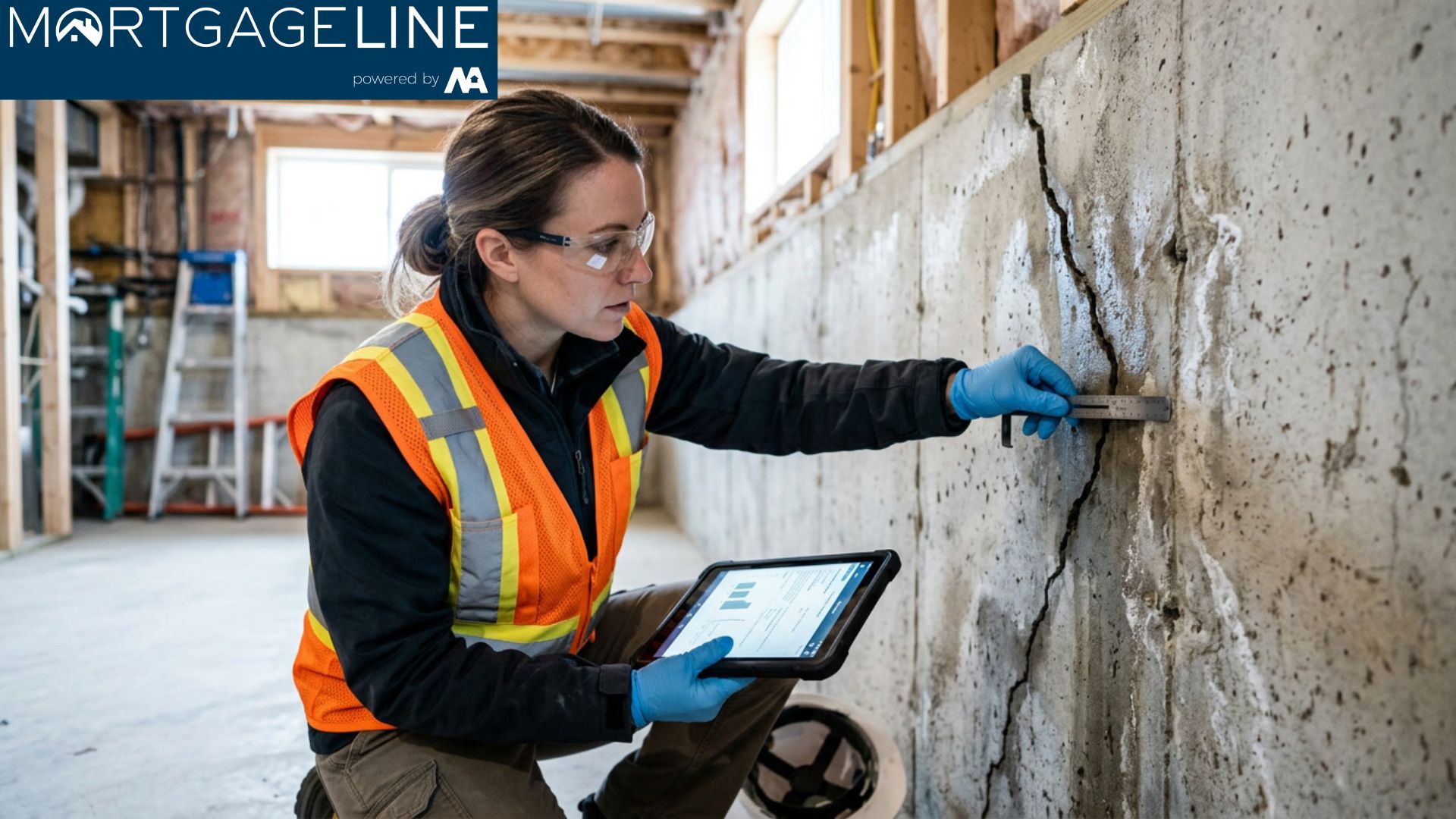
During a standard refinancing application, the lender will order an appraisal. According to guidelines set by the Appraisal Institute of Canada, appraisers must evaluate the property in its “as-is” condition. If they observe significant sloping, foundational cracks wider than a quarter-inch, or signs of structural rot, they must document these deficiencies. This report triggers a red flag in traditional bank underwriting software, leading to an automatic decline. Understanding this dynamic is crucial when weighing the advantages and disadvantages of secondary lending options.
Leveraging Home Equity for Major Restorations
To break the cycle of traditional bank rejections, homeowners must turn to alternative lending channels. Private lenders and Mortgage Investment Corporations (MICs) evaluate risk differently than prime banks. Instead of focusing heavily on the borrower’s credit score or the immediate pristine condition of the home, they look at the underlying equity.
For instance, if a home requires $40,000 in underpinning work to stabilize the foundation, a private lender will calculate the property’s “dirt value” (the value of the land and the remaining structure) minus the existing primary mortgage. If there is sufficient equity remaining, they will secure a subordinated loan against the property. This specialized approach is ideal for funding major foundation interventions.
“Homeowners often panic when they discover a cracked foundation, assuming they are financially trapped,” notes Michael Chen, a Real Estate Economist based in Alberta. “By tapping into their existing property value, they can fund the necessary geotechnical work without selling at a massive loss to a predatory cash-buyer.”
Primary Banks vs. Private Equity Lenders
Understanding the fundamental differences between these lending institutions clarifies why alternative funding is necessary for damaged properties.
| Lending Criteria | Traditional Primary Banks | Private Equity / Alternative Lenders |
|---|---|---|
| Property Condition | Must be fully habitable and marketable | Will lend “as-is” based on land/equity value |
| Maximum LTV | Typically capped at 80% | Can extend up to 75% even on damaged homes |
| Approval Speed | 30 to 60 days with rigorous underwriting | Often funded within 7 to 14 days |
| Primary Focus | Borrower credit score and income verification | Available equity and clear exit strategy |
Due to these flexible underwriting standards, borrowers can often benefit from expedited alternative funding timelines, allowing contractors to begin critical stabilization work before seasonal weather exacerbates the damage.
Typical Structural Interventions Needed in Alberta
Structural damage can manifest in various ways, requiring specific engineering solutions. The most common issues affecting Calgary properties in 2026 include:
- Foundation Settling and Underpinning: When clay soils shift, the concrete footings drop. Repairing this requires underpinning, where contractors install helical piers or push piers deep into stable bedrock to lift and support the foundation. This process typically costs between $15,000 and $45,000 depending on the perimeter size.
- Bowed Basement Walls: Hydrostatic pressure from water-logged soil can cause basement walls to bow inward. Solutions include installing carbon fiber straps or steel I-beams to reinforce the concrete, often accompanied by full exterior waterproofing.
- Water Damage and Joist Rot: Properties that have suffered severe flooding or internal leaks often develop wood rot in their load-bearing floor joists. This requires jacking up the floors and sistering new lumber alongside the decaying beams. This is a critical step when rehabilitating properties after severe water events.
- Material Failures: Older homes may also suffer structural weakening due to historic material failures, such as slow undetected leaks from outdated piping that degrade subflooring and structural framing over decades. This necessitates securing funds for financing the removal of outdated plumbing and hazardous materials to access the compromised wood.
Step-by-Step Guide to Securing Repair Capital
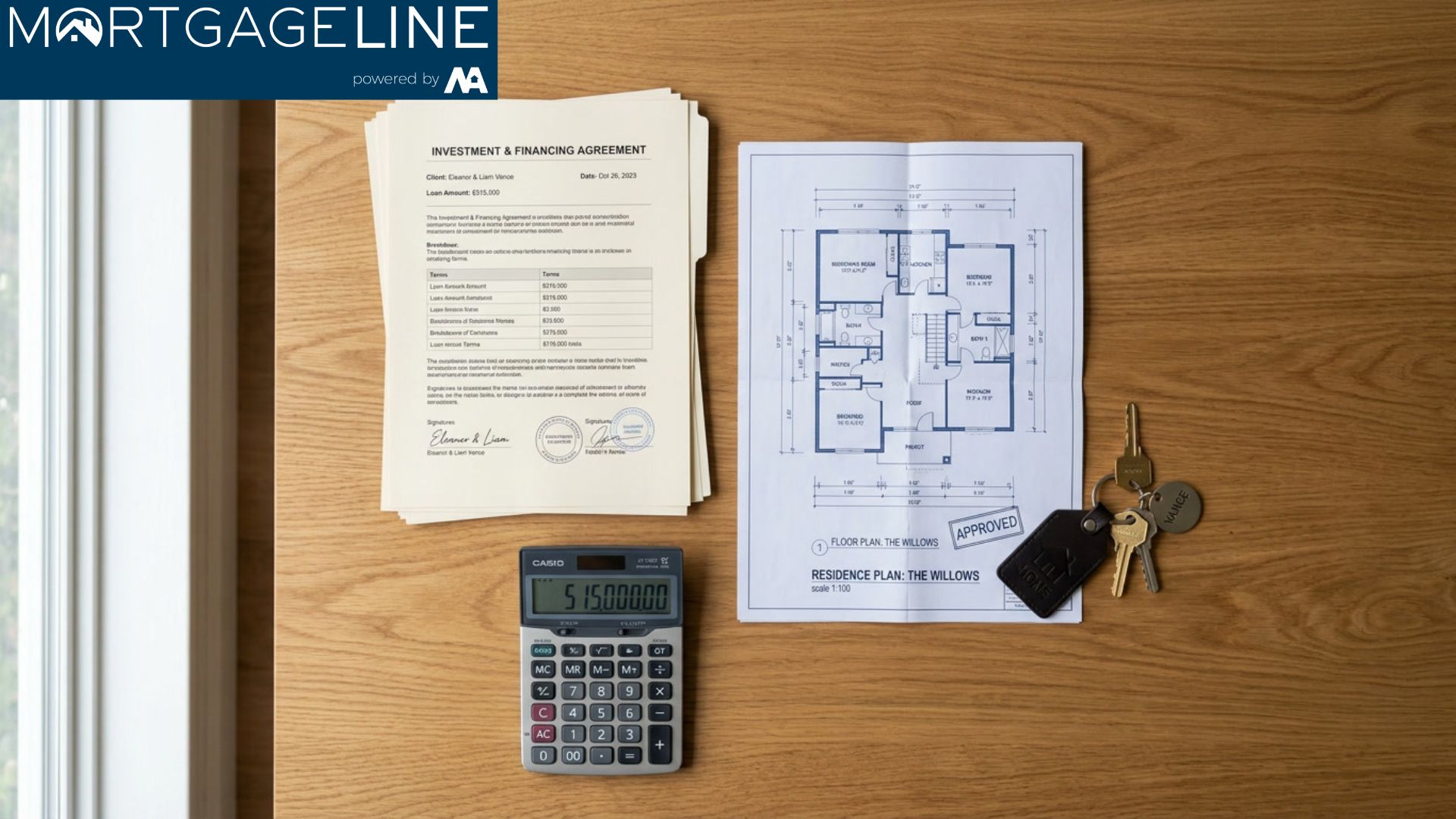
Navigating the intersection of construction and specialized finance requires a methodical approach. Follow these precise steps to secure funding and restore your property efficiently:
- Commission an Engineering Report: Do not rely solely on a general contractor’s opinion. Hire a licensed geotechnical or structural engineer to assess the property. They will provide a stamped report detailing the exact cause of the failure and the required technical solution. This report is invaluable to alternative lenders.
- Gather Multiple Contractor Bids: Present the engineering report to at least three specialized structural repair companies in Calgary. Ensure their quotes are itemized, showing labor, materials, permitting fees, and estimated timelines.
- Calculate Available Equity: Determine your property’s estimated “as-is” value. Subtract the remaining balance of your primary mortgage. The resulting figure is your available equity. Alternative lenders generally lend up to 75% of the total property value.
- Apply for Specialized Financing: Work with an experienced broker who can connect you with private syndicates or MICs comfortable with construction and rehabilitation loans. Present your engineering report, contractor quotes, and equity calculations.
- Execute the Repairs and Manage Holdbacks: Once funded, manage your contractors carefully. In Alberta, it is standard practice to hold back 10% of payments until the job is completed and inspected, protecting against potential construction liens.
Financial Implications and ROI of Structural Fixes
The financial mathematics of repairing a structural defect heavily favor taking action rather than selling “as-is.” According to data from the Canada Mortgage and Housing Corporation (CMHC), regular maintenance and timely structural repairs preserve neighborhood property values.
Homes listed with disclosed, unrepaired structural damage typically sell for 15% to 20% below their potential market value. Cash buyers and investors demand steep discounts to take on the risk. Conversely, fixing a cracked foundation yields an estimated 75% return on investment upon resale, primarily by restoring the home’s eligibility for prime bank financing for future buyers.
Consider a hypothetical scenario: A home in NW Calgary valued at $600,000 in pristine condition is currently appraised at $480,000 due to severe settling. The homeowner owes $300,000 on their primary mortgage. They secure a $40,000 subordinated loan for helical piers. Their total debt becomes $340,000. Once repairs are completed and signed off by an engineer, the home’s value rebounds to $600,000. The homeowner preserves $260,000 in equity that would have been lost in a fire-sale. It is essential to consult with financial professionals regarding understanding the fiscal ramifications of additional borrowing before proceeding.
Navigating Legal and Contractor Requirements
Executing major structural renovations involves strict regulatory compliance. The City of Calgary mandates specific building permits for any alterations to load-bearing structures or foundations. Proceeding without these permits will render the repairs illegitimate in the eyes of future appraisers and home inspectors.
Furthermore, homeowners must navigate the Alberta Builder’s Lien Act. “Securing specialized financing allows families to restore their home’s structural integrity promptly, but they must manage those funds diligently,” advises David O’Connor, President of the Calgary Restoration Council. “Always ensure your contractors provide lien waivers upon receiving payment to prevent legal encumbrances on your title.”
Because private lending agreements involve different terms, fees, and renewal structures compared to standard bank mortgages, borrowers should always consider retaining independent counsel for private loan agreements to ensure full comprehension of the contract.

Frequently Asked Questions
Can a bank recall my primary mortgage if they find out my house has structural damage?
It is highly unlikely for a bank to call a mortgage solely based on newly discovered structural damage, provided you continue to make your monthly payments on time. However, they will almost certainly deny any requests to refinance or borrow additional funds until the damage is repaired.
Will my homeowners insurance cover foundation repair costs?
Standard home insurance policies in Alberta typically exclude damage caused by earth movement, settling, or long-term hydrostatic pressure. Insurance generally only covers sudden and accidental damage, making out-of-pocket or equity financing necessary for gradual structural deterioration.
How long does it take to secure alternative funding for repairs?
Private lenders operate with much less red tape than traditional banks. Once you provide a recent appraisal, an engineering report, and contractor quotes, specialized funding can often be approved and deposited into your account within 7 to 14 business days.
Do I need a new appraisal after the repair work is finished?
Yes, obtaining a new appraisal upon completion is highly recommended. This newly documented “as-repaired” value allows you to eventually refinance back with an “A” lender at lower traditional interest rates, paying off the private short-term construction loan.
Are the interest rates significantly higher for structural repair financing?
Yes, private equity loans carry higher interest rates and origination fees than prime bank mortgages due to the elevated risk of lending on a damaged property. These loans should be viewed as short-term transitional tools (usually 12 to 24 months) to fix the home and restore its standard market value.
Conclusion
Discovering that your property requires major structural remediation is a stressful experience, particularly when traditional financial institutions refuse to provide the necessary capital. However, by leveraging the existing equity in your property through alternative and private lending channels, you can access the funds needed to hire structural engineers and specialized contractors. Addressing these defects promptly prevents further deterioration, protects your family’s safety, and ultimately preserves the long-term wealth tied to your real estate asset. If you are facing significant property repairs and need to explore your financing options, contact us today to speak with our specialized lending team.