When a homeowner faces bank action on a residential property that includes an illegal or unpermitted secondary suite, the financial options shrink rapidly while regulatory risks multiply. Traditional lenders view non-compliant renovations as significant liabilities, which can accelerate the legal process and severely restrict standard refinancing avenues. However, homeowners can halt the proceedings by utilizing specialized equity financing to either legalize the unit, bring the mortgage into good standing, or execute a strategic property sale before a judge issues a final order.
Key Takeaways
- Immediate Action Required: Lenders often classify properties with unpermitted construction as high-risk, potentially accelerating the legal timeline once arrears begin.
- Bylaw Penalties Complicate Valuations: Unregistered suites face 2026 municipal fines up to $10,000, which heavily depresses the property’s appraised value during distressed sales.
- Alternative Financing is Key: Traditional banks rarely refinance non-compliant homes, making equity-based lending the most viable tool for settling arrears.
- Legalization Adds Value: Using a specialized loan to bring a suite up to code can stop bank proceedings and simultaneously increase the home’s market value.
- Redemption Period Protections: Alberta homeowners typically have a six-month window to halt legal proceedings, provided they take decisive action to cure the default.
Understanding Bank Actions on Non-Compliant Calgary Real Estate
The municipal landscape for housing compliance has shifted dramatically. According to recent demographic research by Statistics Canada, an estimated 35% of secondary living spaces in major western municipalities operate without proper municipal registration. When a homeowner falls into arrears on one of these properties, the presence of unregulated construction drastically complicates the recovery process.
Standard A-lenders rely on strict appraisal guidelines. Once an appraiser flags a basement unit as non-compliant, standard institutions pull back due to structural liability, fire safety concerns, and potential municipal fines. This means the standard route of restructuring a primary loan is often taken off the table. As Michael Davies, Senior Risk Analyst at the Canadian Real Estate Council, explains: “When a lender discovers an unpermitted suite during the distressed recovery process, they immediately classify the asset as high-risk. This classification can motivate the institution to push for a faster court resolution rather than negotiating new terms.”
The Impact on Property Valuation and Appraisals
An unregistered basement is generally viewed as a liability rather than an income-generating asset during a forced sale. Real estate market data shows that non-compliant properties face a 15% to 20% drop in appraisal value during legal disputes compared to their fully registered counterparts. Because the asset’s overall equity is compromised, property owners find themselves with less leverage when attempting to negotiate a forbearance agreement.
Legal and Financial Risks of Unregulated Secondary Units
Homeowners must navigate both municipal bylaw enforcement and stringent federal mortgage guidelines. The City of Calgary has implemented stricter zoning compliance measures in 2026, meaning that any unregistered construction discovered during a home appraisal or inspection could trigger immediate enforcement actions. Fines for severe fire code violations can currently reach up to $10,000, creating an additional financial burden precisely when the homeowner is struggling with liquidity.
Furthermore, federal housing regulations add another layer of difficulty. The Canada Mortgage and Housing Corporation (CMHC) maintains strict guidelines regarding insured mortgages. If structural modifications were made without proper permits, the property might lose its insurance eligibility, giving the primary lender grounds to call the loan. Understanding these Calgary zoning bylaw changes is crucial for anyone attempting to secure alternative funding to satisfy their primary institution.
Top Strategies to Halt Legal Proceedings on Non-Compliant Homes
Despite the severe challenges posed by unregulated construction, property owners possess several actionable strategies to retain their assets or minimize financial damage. Executing these steps requires prompt decision-making and an understanding of Alberta’s unique legal framework.
- File a Statement of Defence: Never ignore legal documents. Filing a demand for notice ensures you are kept informed of all court dates and gives you time to structure a financial solution.
- Seek Specialized Equity Financing: Because major banks will not lend on illegal units, approach alternative lenders who focus on the property’s raw equity rather than municipal compliance.
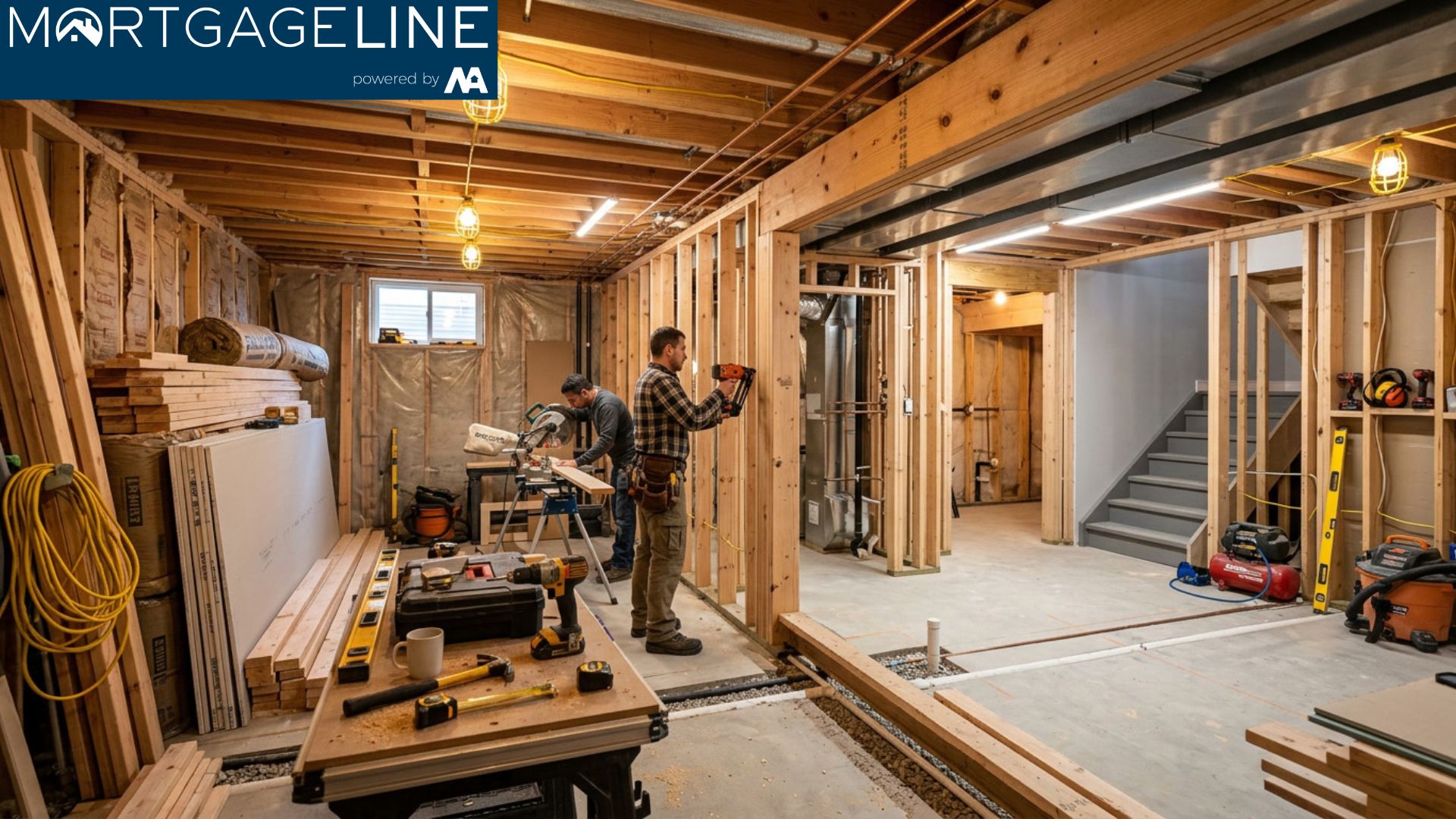
- Execute a Code Compliance Renovation: Use secured funds to pay for the permits, egress windows, and fire separation required to legalize the unit.
- Cure the Arrears: Once funding is secured, pay the missed payments and associated legal fees to reinstate the primary loan.
- List for a Strategic Sale: If retention is impossible, selling the property privately before a judge orders a judicial sale preserves whatever remaining equity exists.
For those dealing specifically with major national banks, strategies can vary slightly. For instance, the approach to stopping an RBC foreclosure differs in timeline expectations compared to smaller credit unions, making tailored legal advice essential.
Utilizing Equity to Legalize the Space
One of the most effective methods to secure long-term stability is to cure the underlying asset deficiency. Securing funds to bring the property up to municipal code not only satisfies the primary lender but also increases the home’s appraised value. For more details on this strategy, property owners should explore options for financing a legal secondary suite. Once the unit is officially recognized, the property owner can utilize the legitimate rental income to qualify for better refinancing terms.
Comparison: Evaluating Your Defense Options
When assessing how to manage a distressed property with unpermitted spaces, homeowners must weigh cost against speed and credit impact. The following table breaks down the most common strategies utilized in Alberta for 2026.
| Strategy | Timeframe | Initial Cost | Impact on Credit | Best Suited For |
|---|---|---|---|---|
| Alternative Equity Refinancing | 2 to 4 weeks | Moderate (Lender Fees) | Positive (Cures Default) | Homeowners with at least 30% home equity. |
| Renovation & Legalization | 2 to 3 months | High ($25,000 – $45,000) | Positive (Increases Value) | Properties requiring minor structural updates. |
| Private Strategic Sale | 1 to 3 months | Low (Realtor Commissions) | Neutral to Positive | Owners with low equity unable to afford monthly payments. |
| Order for Foreclosure Surrender | Immediate | None | Severe Negative | Properties with zero equity and massive structural liabilities. |
The 2026 Alberta Foreclosure Timeline
Understanding the provincial timeline is essential for building an effective defense. Alberta operates under a judicial system, meaning all actions must pass through the Court of King’s Bench. The entire process from the first missed payment to a forced eviction takes an average of 9 to 12 months, depending on court backlogs and the homeowner’s defense strategy.
“Homeowners must understand that an illegal basement is a liability, not an asset, when negotiating with traditional lenders,” notes Sarah Jenkins, an Alberta Real Estate Lawyer. “However, the judicial process offers a specific window—the Redemption Period—where the owner has the absolute right to pay the arrears and halt all proceedings.”
In Alberta, the standard Redemption Period is set at six months. During this time, the owner remains in the home and retains full control over the property. This window is the perfect opportunity to seek out loans for non-compliant basement suites to settle the bank’s demands. If the owner fails to act, the court will issue a final directive transferring title or ordering a sale. Homeowners can read more about the Final Order of Foreclosure timeline to understand the end stages of this legal process.
Managing the Statement of Claim
The formal legal process begins when the lender files a Statement of Claim. Once served, the homeowner typically has 20 days to file a response. Failing to respond allows the lender to note the owner in default, significantly speeding up the loss of the property. Properly responding to a foreclosure Statement of Claim is the foundational step in preserving your six-month redemption window.

Overcoming Institutional Lending Limitations
Why do major banks immediately reject applications on non-compliant homes? Traditional banking models rely heavily on automated risk assessments dictated by the Bank of Canada interest rates and stringent federal stress tests. If a property is deemed structurally risky or uninsured by federal bodies, A-lenders will not touch it.
Alternative lenders operate differently. They evaluate the asset based on its current, “as-is” market value and the amount of equity available. In 2026, private and alternative lenders will comfortably lend up to 75% of the property’s appraised value, even if the secondary unit lacks permits. “Securing equity financing to bring a property up to current municipal code is often the most viable path to halting bank actions,” states Robert Chen, Principal Director at Calgary Alternative Finance. Market data reveals that nearly 40% of specialized equity loans in the region are actively used to fund property renovations and compliance upgrades.
Frequently Asked Questions (FAQ)
Can a bank immediately seize my home if they discover my suite is illegal?
No. In Alberta, a lender cannot instantly seize your home. They must go through the judicial process, which involves filing a Statement of Claim and allowing for a court-ordered Redemption Period, typically lasting six months.
Will my current mortgage be canceled due to unpermitted renovations?
If your lender discovers unpermitted structural changes that violate the terms of your mortgage contract or invalidate your property insurance, they have the legal right to demand full repayment of the loan, which can initiate legal proceedings.
How much does it cost to legalize a basement unit in 2026?
Costs vary widely depending on the existing structure, but average expenses range from $25,000 to $45,000 to install proper egress windows, dedicated HVAC systems, and fire-rated drywall separations.
Can I sell my property privately while in the middle of a legal dispute?
Yes. You maintain the right to sell the property privately during the Redemption Period. As long as the sale proceeds cover the entire mortgage balance, arrears, and legal fees, the lawsuit will be settled.
Do alternative lenders require municipal permits to approve a loan?
No. Specialized alternative and equity lenders focus primarily on the physical equity in the property rather than municipal permit compliance, making them an ideal solution for curing arrears on unregulated homes.
What is a Demand for Notice?
A Demand for Notice is a legal document you file in response to a Statement of Claim. It does not dispute the debt but requires the lender’s lawyers to inform you of all upcoming court applications regarding your property.
Conclusion
Facing legal action from a lender is incredibly stressful, and owning a property with an unpermitted living space adds complex layers of regulatory and financial risk. Traditional banks are rarely willing to assist in these scenarios, leaving property owners to navigate bylaw fines and strict appraisal penalties on their own. However, by understanding the judicial timeline in Alberta and leveraging the property’s raw equity through alternative financing, homeowners can cure their arrears, legalize their units, and secure long-term financial stability. If you are struggling with a non-compliant property and need immediate financial intervention, contact us today to explore your specialized lending options.
References
- Statistics Canada. (2026). Demographic and Housing Compliance Data.
- Canada Mortgage and Housing Corporation (CMHC). (2026). Insured Mortgage Guidelines for Residential Properties.
- City of Calgary. (2026). Municipal Zoning and Secondary Suite Bylaws.
- Bank of Canada. (2026). Alternative Lending Market Statistics.
- Canadian Real Estate Council. (2026). Risk Analysis on Distressed Residential Assets.