Calgary homeowners can effectively finance comprehensive, enterprise-grade smart home security systems by leveraging the existing equity in their properties through a subordinate loan. By utilizing secured financing rather than high-interest credit cards or unsecured personal loans, property owners secure lower interest rates, longer repayment terms, and the capital necessary to install advanced surveillance, biometric access, and environmental monitoring systems that ultimately increase overall property value and reduce insurance premiums.
Key Takeaways
- Secured home equity financing offers significantly lower interest rates compared to unsecured credit options for funding major home improvements.
- Installing hardwired, professional-grade smart security in 2026 requires substantial upfront capital, often ranging from $5,000 to $15,000.
- Premium security installations can increase property appraisal values and yield home insurance premium discounts of up to 20%.
- Homeowners can borrow up to 80% to 85% of their home’s appraised value, minus the balance of their primary mortgage.
- Integrated systems now combine intruder protection with environmental hazard detection, adding layers of financial protection against property damage.
The Intersection of Home Equity and Property Protection
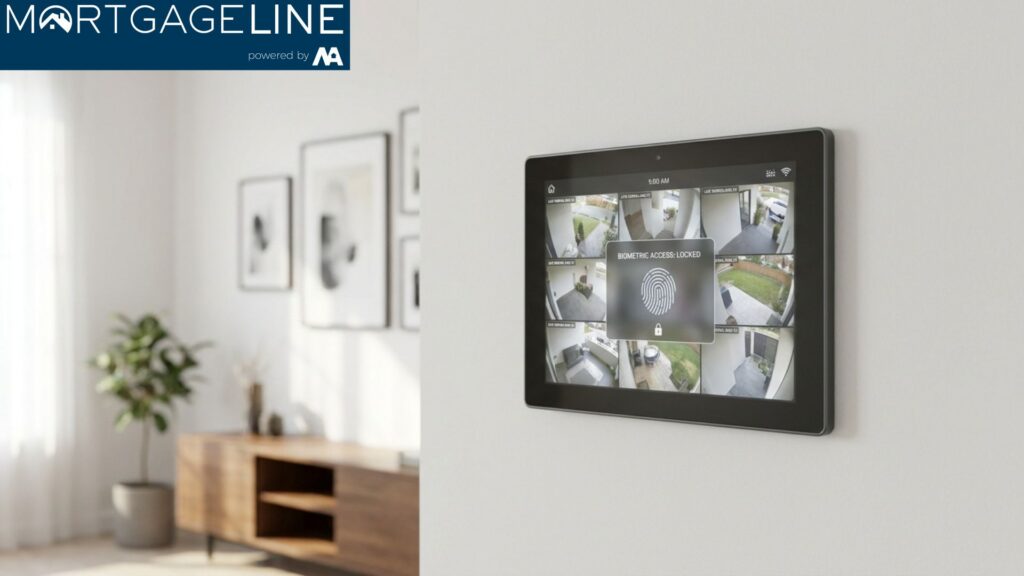
In 2026, the definition of home security has evolved far beyond a simple alarm panel and a motion sensor. Today’s integrated smart home ecosystems encompass artificial intelligence-driven surveillance, biometric entry points, automated lighting protocols, and environmental hazard sensors. However, transitioning a standard property into a fully automated, secure smart home requires a significant capital investment. For many homeowners, the most fiscally responsible method to fund these permanent property upgrades is by tapping into the wealth already accumulated in their real estate.
Secured financing allows borrowers to pledge their property as collateral. Because the lender’s risk is mitigated by the physical asset, the cost of borrowing is dramatically reduced. When comparing equity options, homeowners often find that structured loans provide predictable amortization schedules, making budgeting for home improvements straightforward and manageable.
The Financial Consumer Agency of Canada consistently advises that secured borrowing generally features lower interest rates than unsecured alternatives. By applying this financial principle to property enhancement, homeowners can immediately benefit from increased safety and technological convenience without enduring the compounding financial strain of high-interest revolving credit.
Why 2026 is the Year for Advanced Security Upgrades
The technological landscape of residential security has matured rapidly. Standard consumer-grade cameras often suffer from latency, poor resolution, and a lack of integration. Conversely, enterprise-grade systems—which require professional hardwiring and sophisticated central hubs—offer uninterrupted, encrypted protection. As properties in urban and suburban developments appreciate, protecting these assets becomes paramount.
Phil Soper, President and CEO of Royal LePage, has publicly noted that renovations improving the functionality and safety of a home often yield the best return on investment for Canadian property owners. Upgrading to a modern security infrastructure is no longer seen as a luxury; it is viewed by prospective buyers and appraisers as a core component of a modern residence.
Furthermore, relying on national property statistics from organizations like Statistics Canada, property owners recognize that safeguarding physical assets against both intrusion and environmental damage is a proactive strategy to maintain long-term financial stability.
Comprehensive Cost Breakdown of Premium Smart Security
To understand why equity financing is appropriate for these projects, one must analyze the true costs of a comprehensive installation. Unlike off-the-shelf DIY cameras, professional systems require structural modifications, dedicated network servers, and ongoing localized storage solutions.
| Security Component | DIY/Basic Cost (Unsecured) | Professional/Enterprise Cost (Secured Financing) | Key Features of Premium Systems |
|---|---|---|---|
| Surveillance Cameras | $300 – $800 | $2,500 – $6,000 | 4K resolution, AI facial recognition, hardwired power, encrypted local storage. |
| Access Control (Locks/Doors) | $150 – $400 | $1,200 – $3,500 | Biometric scanning, integrated intercoms, remote network access. |
| Environmental Monitoring | $50 – $150 | $800 – $2,000 | Immediate shut-off valves, integrated HVAC controls, toxic gas detection. |
| Central Processing Hub | $100 – $300 | $1,500 – $4,000 | Dedicated server, backup cellular connection, uninterrupted power supply (UPS). |
| Professional Installation | $0 (Self-installed) | $1,000 – $3,000 | Concealed wiring, optimized sensor placement, network security configuration. |
| Total Estimated Cost | $600 – $1,650 | $7,000 – $18,500 | Comprehensive, permanent property enhancement. |
Given that a professional installation can easily exceed $15,000, funding the project out-of-pocket can deplete emergency liquid savings. Utilizing secured capital ensures that cash reserves remain untouched while the property benefits from immediate modernization.
The Financial Mechanics of Equity Financing
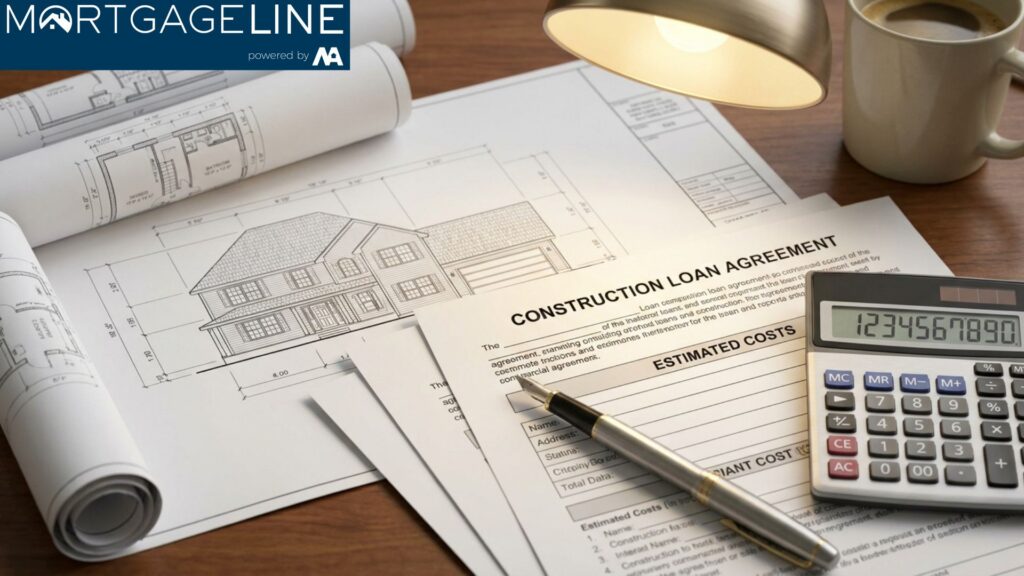
When an individual applies for a subordinate loan, the lender calculates the property’s Loan-to-Value (LTV) ratio. According to federal housing guidelines established by the Canada Mortgage and Housing Corporation (CMHC), traditional financial institutions typically permit borrowing up to 80% of a home’s appraised value. Private lenders may occasionally extend this to 85%, depending on the location and condition of the real estate.
Calculating Your Available Equity
To determine available capital, subtract the outstanding balance of the primary mortgage from the total permitted borrowing amount. For example, if a property is appraised at $600,000, 80% of its value is $480,000. If the primary mortgage balance is $350,000, the homeowner possesses up to $130,000 in accessible equity. This provides more than enough capital to fund a $20,000 security ecosystem.
It is crucial to stay informed about monetary policy updates from the Bank of Canada, as their benchmark rates influence the broader lending market. Tiff Macklem, Governor of the Bank of Canada, has emphasized the importance of Canadians carefully managing their household debt, which reinforces the strategy of selecting low-interest secured lending over volatile, high-interest unsecured debt.
Insurance Discounts and Appraisal Value Increases
One of the most compelling financial arguments for installing a high-end security system is the immediate impact on home insurance premiums. Insurance providers calculate premiums based on risk. A property fortified with monitored alarms, automated locks, and environmental sensors presents a statistically lower risk for both theft and severe damage.
Aaron Sutherland, Vice-President at the Insurance Bureau of Canada, has publicly noted that taking proactive steps to protect your property not only keeps your family safe but can also help reduce your insurance costs over time. Depending on the standard practices outlined by the Insurance Bureau of Canada and individual providers, homeowners can secure discounts ranging from 5% to 20% annually.
Additionally, modernizing a home’s technological infrastructure contributes positively to appraisal values. When appraisers evaluate a property, permanent fixtures—such as hardwired camera networks and integrated smart panels—are factored into the home’s total worth, unlike portable smart speakers or wireless cameras that leave with the seller.
Step-by-Step Guide: Accessing Home Equity for Security Upgrades
Navigating the financing process in 2026 requires preparation and an understanding of the necessary documentation. Follow these steps to secure funding for your home security installation:
- Determine the Project Scope: Obtain detailed quotes from certified smart home integrators. Ensure the quotes include all hardware, software licensing, and professional installation fees.
- Assess Your Equity Position: Review your current mortgage statements to confirm your outstanding principal. Utilize online estimation tools or recent neighborhood sales data to gauge your property’s current market value.
- Review Financing Rates: Research current interest rate trends to understand the cost of borrowing. Rates will vary based on credit history, income verification, and LTV ratios.
- Prepare Documentation: Gather recent pay stubs, T4 slips, notice of assessments, and property tax statements. If traditional bank requirements are too stringent, exploring alternative financing solutions may expedite the process.
- Property Appraisal: Most lenders will require a professional appraisal to verify the home’s value. Ensure the home is presentable and all recent renovations are highlighted to maximize the valuation.
- Finalize the Loan: Review the terms, conditions, and amortization schedule with a legal professional. Once signed, the funds are disbursed, allowing you to commence the installation immediately.
Integrating Environmental Protection
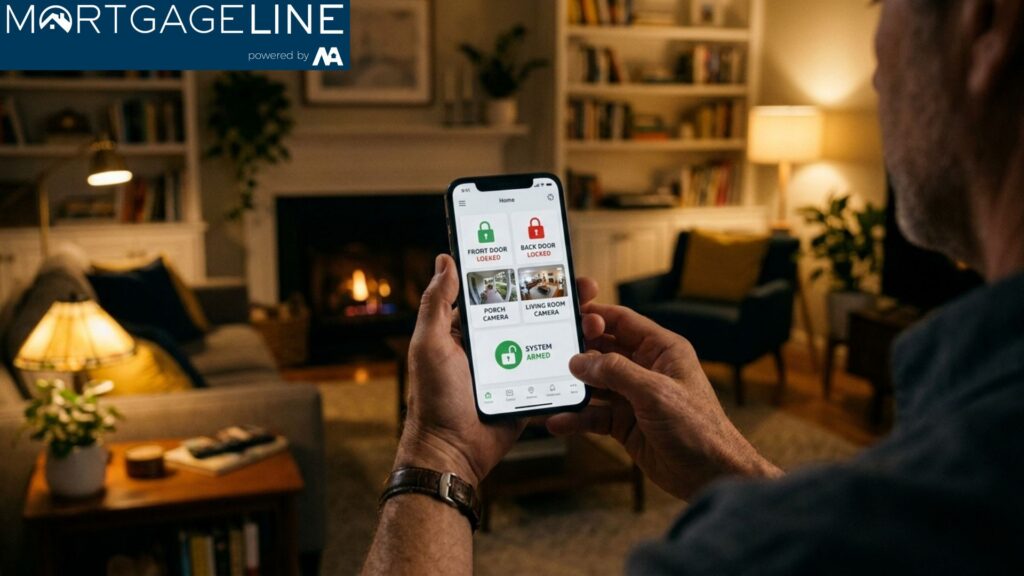
A major advantage of enterprise-grade security systems is their ability to integrate seamlessly with environmental hazard monitors. Water leaks, foundation shifts, and electrical faults cause millions of dollars in residential property damage annually. By installing integrated water sensors near water heaters, dishwashers, and sump pumps, the smart system can automatically shut off the main water valve the moment moisture is detected.
For homeowners who have experienced past issues, such as leveraging funds for funding essential property repairs, adding preventive smart technology ensures that historical damage is not repeated. This comprehensive approach to property management is highly viewed by insurers and prospective buyers alike, particularly when protecting high-value real estate investments from unforeseen catastrophic events.
Potential Risks and Strategic Considerations
While leveraging equity is a financially sound strategy, it is not without risks. Homeowners must acknowledge that subordinate loans use the property as collateral. Defaulting on the loan payments can result in severe legal and financial consequences, up to and including the loss of the property.
Therefore, it is imperative to ensure that the monthly payments for the new loan fit comfortably within your household budget. Borrowers should stress-test their finances against potential income reductions or future interest rate increases. Additionally, homeowners should avoid over-leveraging; borrowing up to the absolute maximum limit leaves very little equity buffer should property values experience a temporary market correction.
Conclusion
In 2026, investing in a robust, hardwired smart home security system is a strategic decision that enhances safety, increases property value, and reduces long-term insurance liabilities. By financing these comprehensive installations through a subordinate loan, property owners can access the necessary capital at highly competitive interest rates without liquidating their cash reserves. Careful planning, obtaining professional installation quotes, and understanding your home’s equity position are the foundational steps to successfully modernizing your residence.
If you are considering upgrading your home’s security infrastructure and want to explore your financing options, our experts can help you navigate the process. Get in touch with our team today to secure the funds you need for a safer, smarter home.
Frequently Asked Questions (FAQ)
Can I use home equity to finance a DIY security system?
While you can legally use equity funds for any purpose, it is generally not recommended to take out a secured loan for inexpensive DIY systems. Equity financing is best reserved for permanent, high-value professional installations that directly increase the property’s appraisal value.
How long does it take to get approved for equity financing?
Approval timelines vary by lender. Traditional financial institutions may take two to four weeks to process documentation and complete an appraisal, whereas private lending alternatives can often secure funding within five to ten business days.
Will my property taxes increase if I install a smart security system?
Generally, installing a smart security system does not directly trigger an immediate property tax reassessment. However, if the installation is part of a larger, permitted whole-home renovation, the overall increase in property value could influence future municipal tax assessments.
Are the interest rates on secondary secured loans fixed or variable?
Lenders offer both fixed and variable interest rate options. Fixed rates provide payment stability over the loan term, while variable rates fluctuate based on the prime lending rate set by the central bank, which can influence your monthly payment amounts.
What happens to the security system if I decide to sell my house?
Hardwired enterprise security systems are considered permanent fixtures of the property and are typically included in the sale. This integrated technology serves as a strong selling point and can increase the final sale price of the home.
Can I combine a security upgrade with other home renovations?
Yes. Many homeowners choose to consolidate multiple improvement projects—such as roof replacements, HVAC upgrades, and security installations—into a single loan application to maximize their financing efficiency and minimize multiple closing costs.