Halting the legal seizure of a residential infill in Calgary requires immediate intervention during the provincial redemption period, primarily by leveraging the property’s underlying land value to secure alternative financing, reinstate the mortgage, or negotiate a forbearance agreement. Because inner-city developments possess unique zoning and appraisal characteristics, homeowners have specialized avenues to extract equity and satisfy lender demands before a Final Order for Foreclosure is granted by the Alberta Court of King’s Bench.
Key Takeaways
- Time is Critical: Alberta’s standard redemption period typically lasts six months, but lenders can petition to shorten this to as little as one day if the property lacks equity.
- Land Value is Your Shield: High-density zoning rules enacted in Calgary significantly boost the underlying dirt value of infill lots, providing an equity cushion.
- Alternative Financing Works: Private lenders and secondary financing options can bridge the gap when traditional banks refuse to modify the primary loan.
- Legal Representation is Non-Negotiable: Filing a Demand for Notice or Statement of Defence protects your right to participate in the court proceedings.
- Voluntary Sale Beats Judicial Sale: Listing the home yourself preserves remaining equity better than allowing the court to accept low-ball offers.
The Unique Nature of Inner-City Developments in 2026
Unlike standard suburban track housing, inner-city developments in neighborhoods like Altadore, Killarney, or Marda Loop are intrinsically linked to aggressive land valuations. The physical structure often holds less proportionate value than the lot it sits on. In 2026, the real estate landscape in Alberta has shifted, placing a massive premium on high-density capable lots.
According to Statistics Canada, urban intensification mandates have driven inner-city land valuations up by an average of 14% over recent years, drastically altering the equity calculations for distressed borrowers. When a traditional bank initiates legal action, they often rely on automated valuation models that fail to capture the true highest-and-best-use value of the land.
“Inner-city properties possess inherent land equity that traditional suburban homes lack, providing owners with superior leverage during refinancing negotiations,” says Dr. Jonathan Mercer, Senior Housing Economist at the Canadian Real Estate Institute. Understanding this valuation discrepancy is the first step in defending your asset.
Alberta’s Legal Foreclosure Timeline for Homeowners
The legal framework governing mortgage defaults in Alberta is highly specific. The lender cannot simply evict you after a few missed payments. Instead, they must follow a strict judicial process overseen by the Court of King’s Bench. Grasping this timeline is essential for planning your defense and exploring mortgage arrears options.
1. The Demand Letter
The process typically begins with a formal demand letter from the lender’s legal counsel. This document outlines the exact amount in arrears, including principal, interest, and preliminary legal fees, giving you a short window (usually 10 to 15 days) to pay the balance.
2. The Statement of Claim
If the demand letter is ignored, the lender files a formal lawsuit. You have precisely 20 days upon being served to formally reply. Responding to a foreclosure statement of claim is vital; failing to do so results in a default judgment against you, fast-tracking the lender’s ability to seize the asset.
3. The Redemption Period
Once the court issues an Order Nisi, it establishes the redemption period. This is the grace period granted by a judge for you to pay the arrears and reinstate the mortgage, or pay the entire mortgage balance. While the standard duration is six months, lenders will aggressively argue to shorten this timeframe if they believe the property’s value is less than the outstanding debt.
Proven Strategies to Halt the Proceedings
Once you are actively in the redemption period, you must deploy one or more targeted strategies to satisfy the court and the primary lienholder. Procrastination is the enemy of equity preservation.
Reinstating the Loan Through Forbearance
A forbearance agreement is a legally binding contract where the lender agrees to temporarily pause legal action while you adhere to a strict repayment plan. This usually involves making your regular monthly payment plus a portion of the arrears until the account is current.
However, traditional “A-tier” banks have become increasingly rigid in 2026. If you have suffered a structural loss of income, they may refuse a forbearance plan outright. In these scenarios, borrowing against your remaining equity becomes the most viable path forward.
Leveraging Secondary Financing to Cure Defaults
Because infill lots often appreciate faster than the structural depreciation, long-term owners typically sit on a substantial equity cushion. You can utilize this stored wealth to cure the primary mortgage default. Securing alternative financing can instantly pause the legal proceedings by fully paying off the arrears and lender legal fees.
Depending on your current interest rate environment, exploring variable rate second mortgages can provide the liquidity needed to rescue the property without touching your primary mortgage’s favorable fixed rate. Alternative lenders focus primarily on the loan-to-value (LTV) ratio rather than traditional credit scores, making them ideal partners during financial distress.
How Modern Zoning Impacts Your Equity Cushion
In 2026, understanding local municipal zoning is as important as understanding your mortgage terms. The recent push for urban density has resulted in blanket upzoning across many traditional single-family neighborhoods.
If your property sits on a lot now zoned for higher density (such as R-CG), its appraisal value for lending purposes can be significantly higher than its value as a simple single-family dwelling. Being aware of zoning bylaw changes allows your appraiser to factor in the development potential, subsequently increasing your available equity limit for rescue financing.
Step-by-Step Guide to Navigating Legal Documents
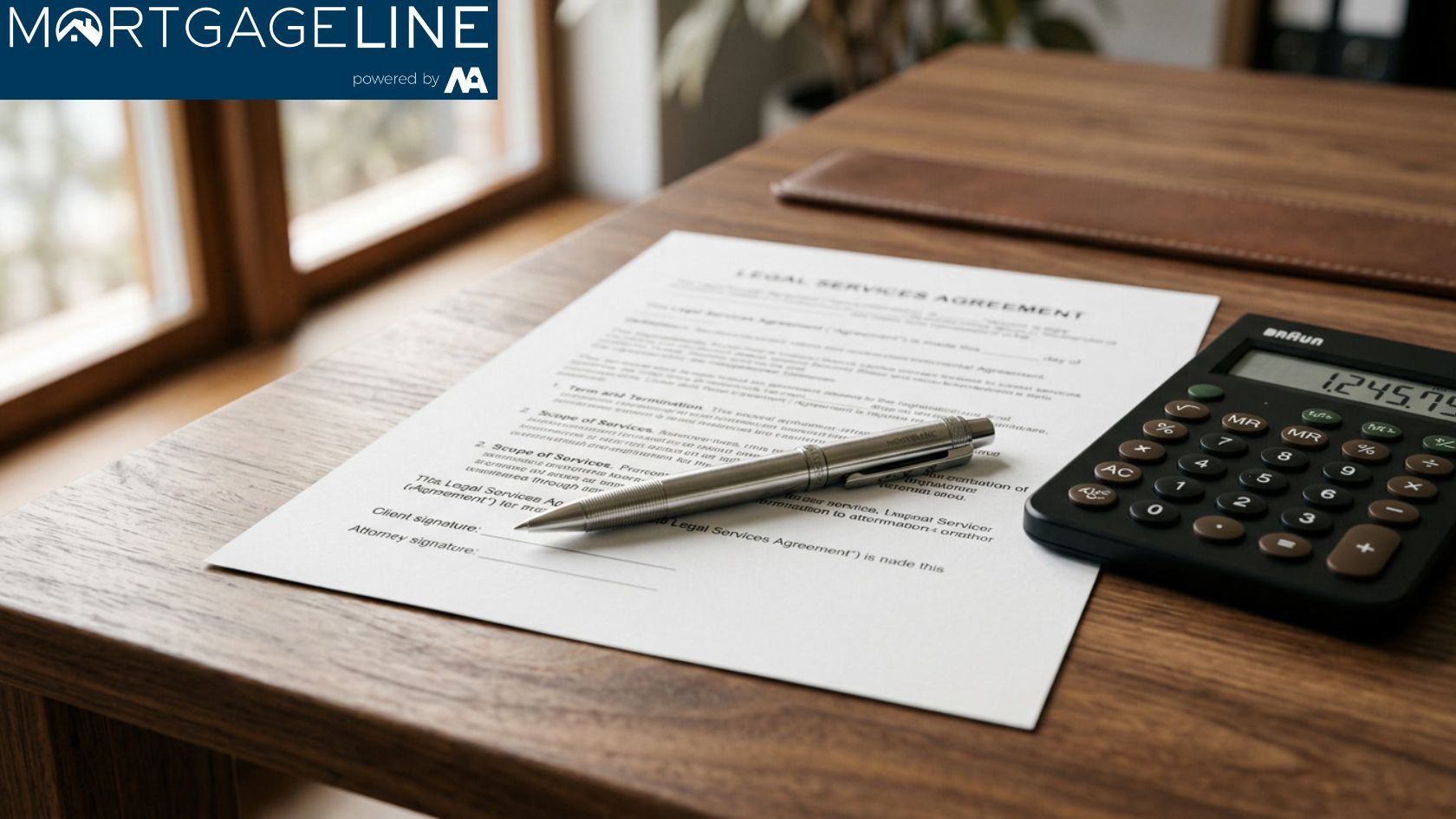
When the legal paperwork arrives, emotional paralysis often sets in. Follow this structured process to protect your rights and your asset’s value:
- Acknowledge Receipt Immediately: Never ignore the process server. Note the exact date and time you were served, as the 20-day countdown begins immediately.
- File a Demand for Notice: If you do not have a valid legal defense but want to be kept informed of all court dates and decisions, file a Demand for Notice at the courthouse. This prevents the lender from obtaining court orders behind your back.
- Commission an Independent Appraisal: Do not rely on the bank’s drive-by appraisal. Hire a certified appraiser who understands inner-city lot values to establish a robust defense of your equity.
- Seek Independent Legal Counsel: It is highly recommended to obtain independent legal advice. A lawyer specializing in real estate litigation can spot errors in the lender’s paperwork and advocate for an extended redemption period.
Comparing Financing Options for Distressed Properties
When facing an imminent loss of the property, evaluating your financing avenues objectively is crucial. Below is a comparison of how different lending tiers handle distressed inner-city properties.
| Lender Type | Speed of Funding | Primary Approval Metric | Ideal Use Case |
|---|---|---|---|
| Traditional Banks | 30 – 60 Days | Credit Score & Income | Standard refinancing before arrears occur. |
| B-Lenders (Trusts) | 14 – 30 Days | Provable Income & Moderate Credit | Self-employed individuals with minor missed payments. |
| Private Equity Lenders | 3 – 10 Days | Property Equity (LTV) | Active lawsuits, strict deadlines, and bridge financing needs. |
The Risks of Relying on a Judicial Sale
If you fail to cure the default, the court will eventually order the property to be sold. A judicial sale is arguably the worst outcome for a homeowner trying to preserve wealth. In a judicial sale, the property is typically listed by a realtor chosen by the lender, often with a mandate for a quick liquidation.
Research published by the Bank of Canada regarding distressed market liquidations indicates that court-ordered sales frequently close at 10% to 15% below fair market value. Because inner-city homes deal with larger baseline numbers, a 15% haircut can equate to hundreds of thousands of dollars in evaporated equity. Furthermore, all real estate commissions and the lender’s extensive legal fees are subtracted directly from the sale proceeds.

Selling Voluntarily to Protect Your Wealth
If alternative financing is unattainable or you simply wish to walk away from the financial burden, listing the property voluntarily during the redemption period is the most strategic move. Taking control of the sale process allows you to stage the home, market it appropriately, and entertain multiple offers.
If you secure a legitimate offer, your lawyer can present the purchase contract to the court. Judges strongly prefer voluntary sales over judicial intervention, provided the sale price is high enough to make the primary lender whole. This strategy ensures you extract the maximum possible cash from the property before the final order of foreclosure timeline expires.
Conclusion
Navigating the turbulent waters of real estate litigation requires a clear head, swift action, and a deep understanding of your property’s true market position. Inner-city residential developments in Calgary offer unique advantages due to their high land value and favorable zoning environments, giving you crucial leverage to secure alternative financing or execute a profitable voluntary sale. Remember that the legal process in Alberta is strict, and ignoring court documents will only accelerate the loss of your asset. By taking proactive steps during the redemption period, you can effectively defend your equity and stabilize your financial future.
If you are facing legal action from your lender and need immediate assistance exploring alternative financing options to save your home, contact us today to speak with a specialist who can help you navigate this complex process.
Frequently Asked Questions
Can I stay in my infill property while the lawsuit is ongoing?
Yes. You maintain legal ownership and the right of possession throughout the redemption period. The lender cannot evict you until the court issues a Final Order for Foreclosure or an Order for Possession.
Will a private lender approve me if I have a terrible credit score?
Private lenders base their approval primarily on the Loan-to-Value (LTV) ratio of the property, not your credit score. If your lot possesses enough equity, poor credit will not automatically disqualify you from rescue financing.
What happens if the property sells for less than what I owe?
In Alberta, most standard conventional mortgages are non-recourse, meaning the lender cannot pursue you for the shortfall. However, if your mortgage is insured by the Canada Mortgage and Housing Corporation (CMHC), they can seek a deficiency judgment against your other assets.
How much does it cost to stop the legal proceedings?
To halt the action, you must pay all missed mortgage payments, accumulated late interest, and the lender’s legal costs incurred up to that date. Alternative financing is typically used to cover this entire lump sum.
Can the bank refuse my payment if I come up with the money?
No. If you tender the full amount of arrears and legal costs before the redemption period expires, the lender is legally obligated to accept the payment and reinstate your mortgage to good standing.
What is a Rice Order?
A Rice Order is a specific court order in Alberta where the lender is allowed to purchase the property themselves at a price set by the court, rather than selling it to a third party. This typically occurs when a judicial sale fails to attract any viable offers.