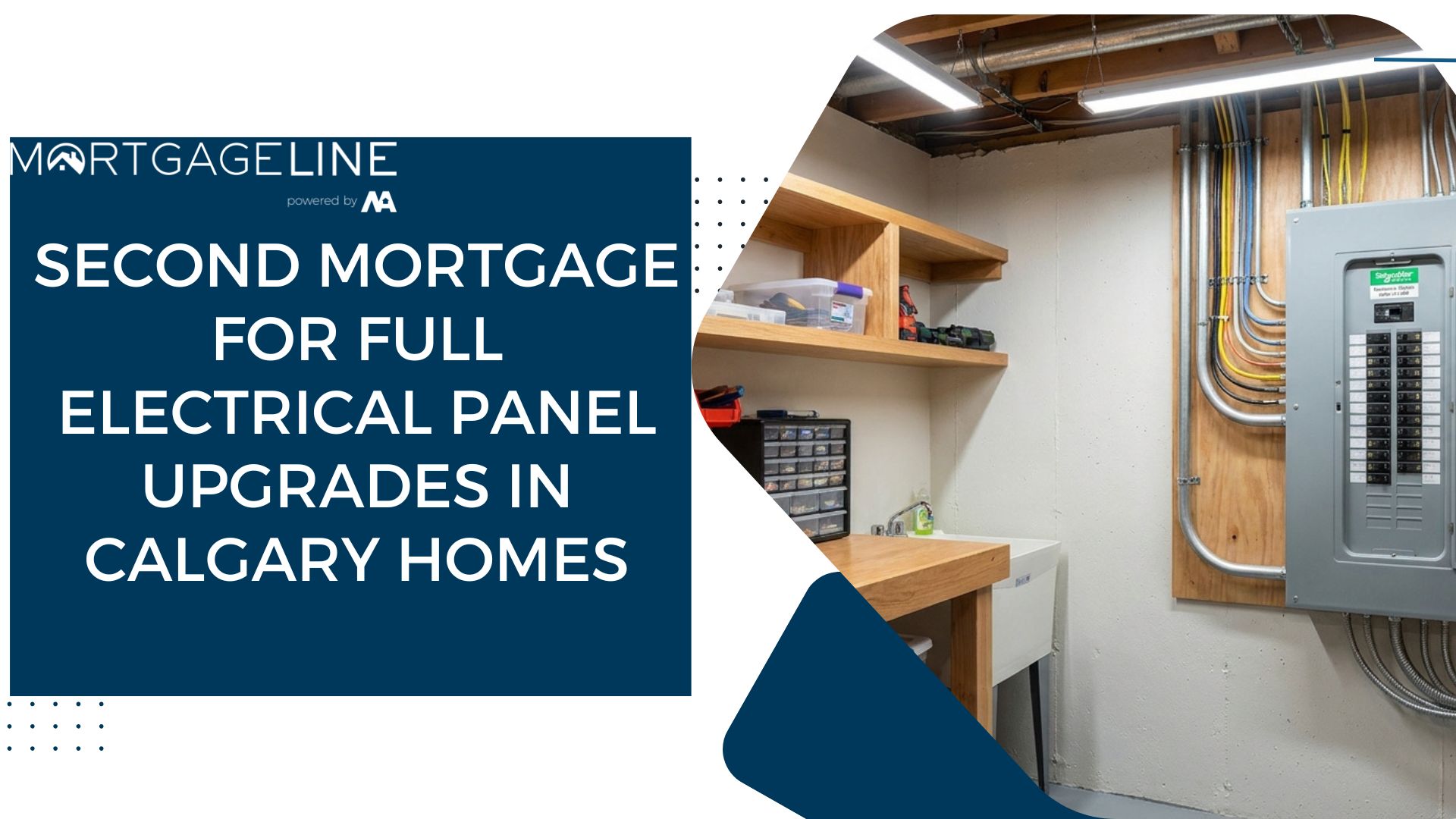
Securing alternative home equity financing on a Calgary property with knob and tube electrical systems is entirely possible, though it typically requires partnering with private lenders rather than traditional banks. Because A-tier financial institutions and major insurers view vintage, ungrounded electrical systems as severe fire hazards, homeowners must generally utilize equity-based loans specifically designed to fund full electrical remediation, thereby restoring the property’s insurability and long-term market value.
Key Takeaways
- Major Canadian banks will generally not approve equity loans on properties with active vintage wiring due to strict 2026 national insurance guidelines.
- Private equity lenders focus on the property’s inherent land value and the borrower’s exit strategy, making them the primary source for electrical remediation funding.
- Complete removal of outdated wiring in an average heritage home costs between $12,000 and $28,000 in 2026.
- Upgrading the electrical system immediately unlocks access to standard insurance premiums and prime mortgage rates.
- Homeowners must secure a certified master electrical inspection before applying for specialized heritage home financing.
Understanding Vintage Electrical Systems in Calgary’s Heritage Homes
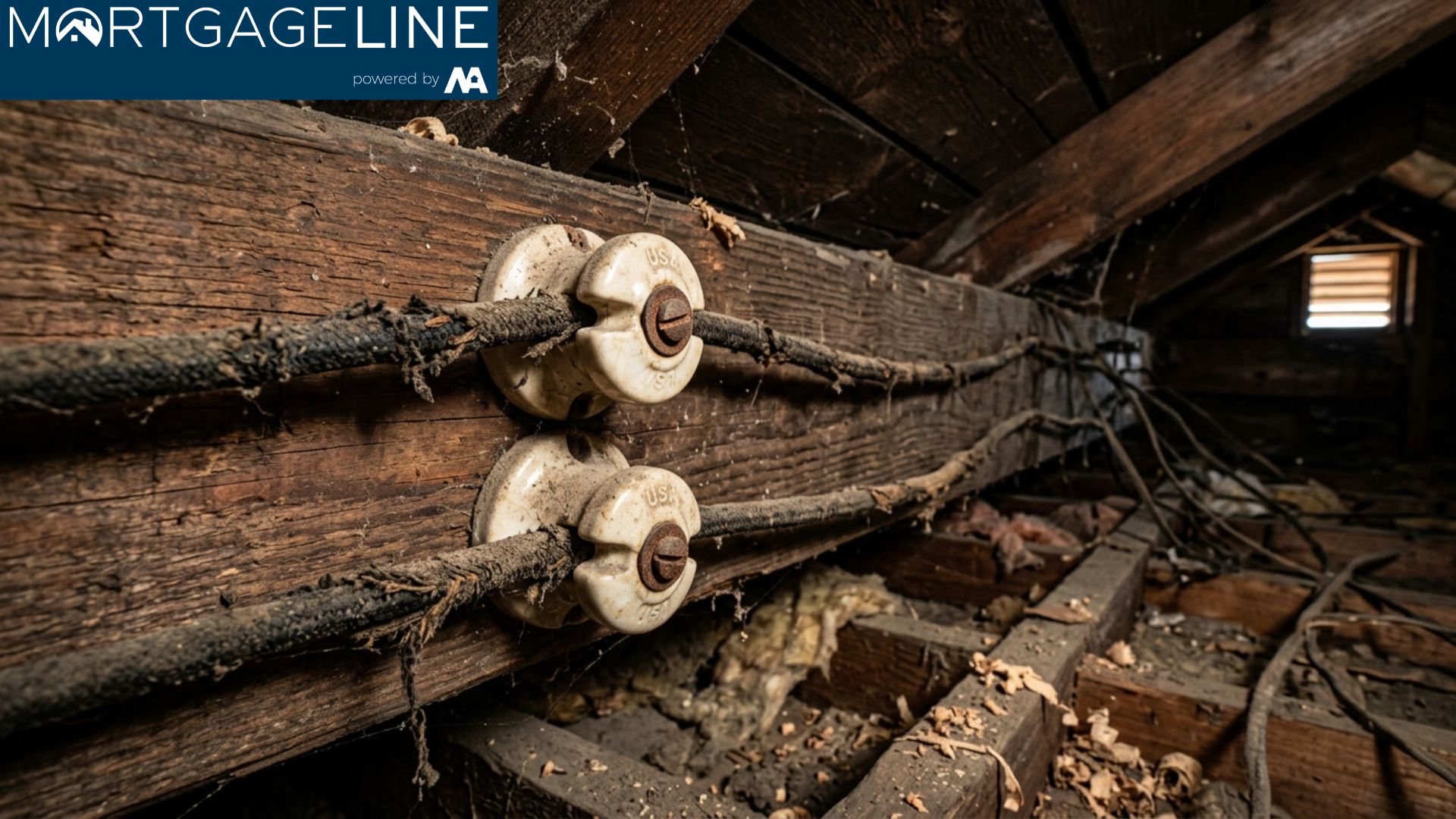
Many of Calgary’s most desirable and established neighborhoods, such as Mount Royal, Inglewood, and Sunnyside, feature historic housing stock built before the 1950s. During this era, knob and tube (K&T) electrical wiring was the industry standard. This system utilizes ceramic knobs to support wires away from structural framing and ceramic tubes to protect wires passing through wooden joists.
While an engineering marvel of its time, this outdated system poses significant risks by modern standards. The primary technical flaw is the lack of a grounding conductor, meaning any electrical fault can lead directly to shocks or thermal events. Furthermore, the insulation surrounding the copper wiring is typically made of rubber or cloth, which suffers from severe dielectric breakdown over decades of thermal cycling. According to historical housing data from Statistics Canada, approximately 32,000 residential properties in the greater Calgary area were built before 1950, meaning thousands of homes may still harbor hidden segments of this obsolete wiring.
“Knob and tube wiring lacks a grounding conductor and relies on early 20th-century insulation that simply crumbles when disturbed. In a modern household drawing heavy amperage for high-efficiency appliances and electric vehicles, these vintage circuits are easily overloaded, leading to catastrophic thermal failures.” — David Chen, Master Electrician at Calgary Heritage Electric.
Homeowners dealing with these systems often look toward financing Calgary heritage homes and historic properties to preserve the architectural integrity of their houses while ensuring compliance with modern safety codes.
Why Traditional Lenders Reject Homes with Outdated Wiring
If you are attempting to pull equity from your historic property through a standard bank, you will likely face immediate rejection once an appraisal notes the presence of K&T wiring. Traditional A-lenders operate under stringent risk management models heavily dependent on standard home insurance. In 2026, insurers consider homes with ungrounded electrical systems to be high-risk assets.
Research published by the Insurance Bureau of Canada indicates that properties with un-remediated electrical systems face premium increases of up to 40%, if they can secure coverage at all. Without standard, unconditional fire insurance, a major bank cannot legally secure a mortgage against the property.
“Insurance companies in 2026 are increasingly strict about ungrounded electrical systems due to the rising frequency of residential electrical fires,” explains Sarah Jenkins, Senior Underwriter at Alberta Insurance Bureau. “If a property cannot be fully insured, traditional lenders simply cannot underwrite a loan against it, effectively freezing the homeowner’s equity until the hazard is removed.”
How Alternative Financing Solves the Remediation Catch-22
This creates a difficult catch-22 for homeowners: you need money to replace the wiring to make the home insurable, but you cannot get a bank loan because the home isn’t fully insurable. The solution lies in the alternative lending market. Private lenders are highly active in Alberta and offer specialized equity products designed for these exact scenarios.
Unlike traditional banks that rely heavily on Beacon scores and automated underwriting, private lenders look primarily at the Loan-to-Value (LTV) ratio and the After-Repair Value (ARV) of the property. Because they understand that the funds will be used directly to improve the property’s safety and marketability, they are willing to lend up to 75% of the home’s current appraised value.
Similar to how homeowners secure a second mortgage for Poly B asbestos removal, funding an electrical rewire involves short-term borrowing to fix a critical infrastructure issue, followed by a transition back to prime lending once the home passes inspection.
Step-by-Step Process for Funding Electrical Upgrades
If you need to tap into your home’s equity to modernize your electrical grid, following a structured process is essential for approval.
- Commission a Comprehensive Electrical Audit: Hire a certified Master Electrician to map the entire home. Many historic homes have hidden splices where new copper wire is illegally joined to vintage wiring behind drywall.
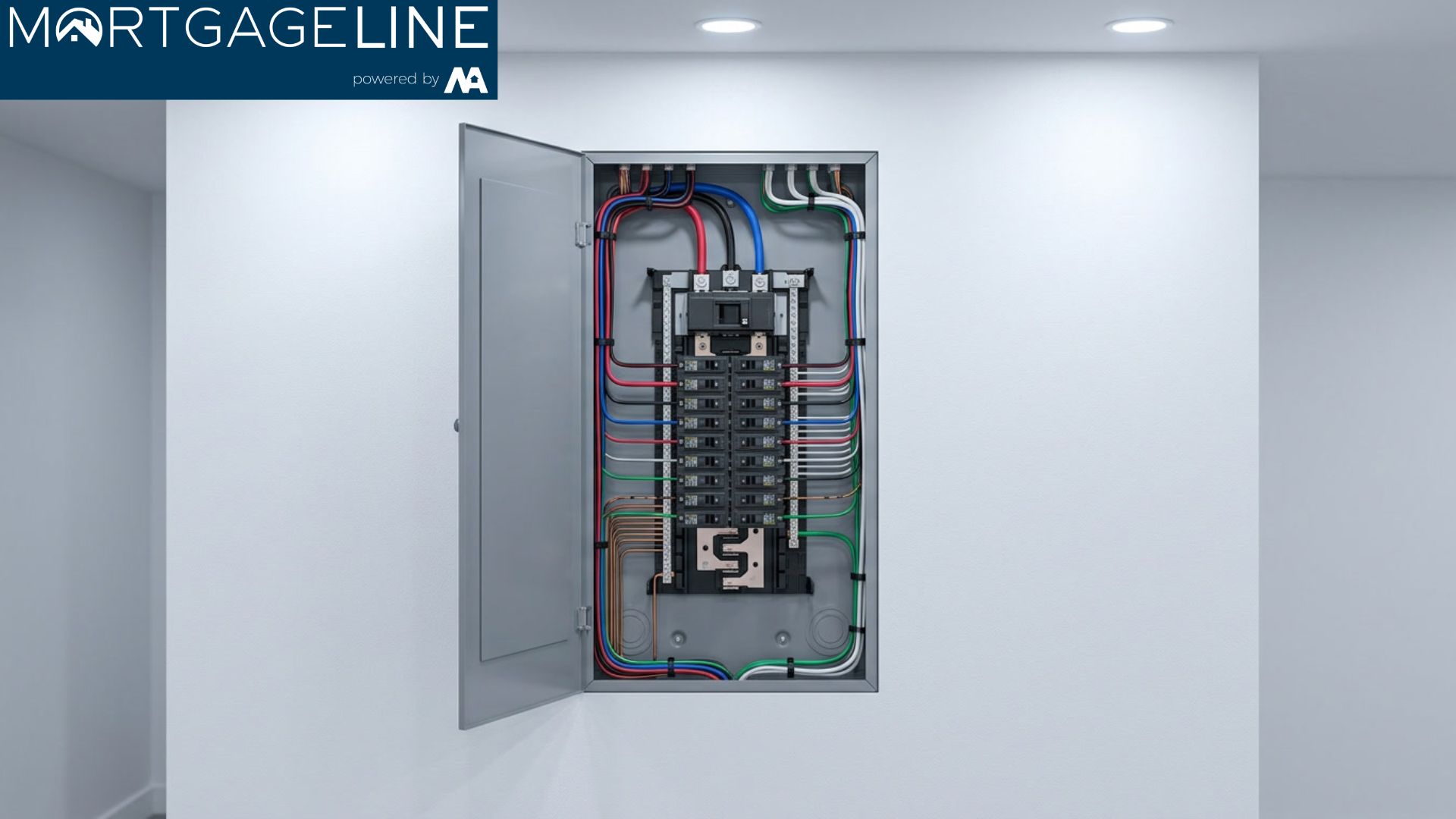
- Obtain Remediation Quotes: Secure at least three detailed, itemized quotes from licensed contractors. The quotes must include the cost of a new 100-amp or 200-amp thermomagnetic electrical panel, complete rewiring, and the subsequent drywall repair.
- Submit an Alternative Loan Application: Present your property appraisal, electrical audit, and repair quotes to an alternative mortgage broker. Understanding how long second mortgage approval takes in Calgary is crucial for timing your contractor’s schedule, though private funds can often be secured in less than two weeks.
- Complete the Remediation: Once funded, the contractor will execute the rewire. Ensure they pull all necessary municipal permits.
- Final Inspection and Refinancing: After passing the city’s electrical inspection, update your insurance policy. With a fully insurable property, you can then refinance with a prime lender to absorb the short-term private loan into a standard, lower-rate mortgage.
Comparing 2026 Financing Options for Remediation
When selecting a financial vehicle to fund your home’s infrastructure improvements, understanding the differences between lender tiers is vital.
| Financing Option | Approval on K&T Homes? | Typical 2026 Rates | Speed of Funding |
|---|---|---|---|
| Bank HELOC (A-Lender) | Rarely (Requires standard insurance) | Prime + 0.5% | 3 to 6 weeks |
| B-Lender Refinance | Sometimes (With strict holdbacks) | 6.5% – 8.5% | 2 to 4 weeks |
| Private Equity Loan | Yes (Based on ARV and Equity) | 10% – 15% | 5 to 10 days |
While private financing carries higher short-term rates, it is often the only viable bridge to preserve the home’s viability. Many homeowners also use this opportunity to bundle in other modernizations, such as financing energy-efficient upgrades and solar panels, which require upgraded 200-amp electrical services anyway.
The Cost of Rewiring a Calgary Home in 2026
When applying for alternative financing, borrowing the correct amount is paramount to ensure the project does not stall mid-construction. In 2026, inflation and skilled labor shortages have pushed the cost of comprehensive residential rewiring higher.
Based on current market averages, licensed electrical contractors in Alberta charge between $110 and $145 per hour. For a standard 1,500 square foot bungalow in Calgary, completely replacing an antiquated electrical system generally costs between $12,000 and $20,000. Larger two-story heritage homes can easily exceed $28,000, particularly if extensive drywall demolition and subsequent cosmetic repairs are required.
“Securing equity against a heritage property requires specialized underwriting. Lenders want to see a clear plan where the borrowed funds directly eliminate the property’s structural or systemic risks, thereby guaranteeing an increase in the asset’s overall market capitalization.” — Elena Rostova, Financial Analyst at the Canadian Alternative Lending Association.
Leveraging Home Equity to Preserve Property Value
Allowing an obsolete electrical system to remain active does not just pose a safety risk; it actively destroys the financial value of your real estate asset. According to market insights from the Canadian Real Estate Association, homes with uninsurable characteristics (like vintage wiring or foundational failures) often sell at a 15% to 30% discount compared to fully modernized neighborhood comparables.
By securing an equity-based loan to perform the remediation, you are essentially engaging in aggressive wealth preservation. Once the walls are opened, it is also an ideal time to assess other structural elements, such as plumbing or insulation. Just as some investors use bridge loans to flip houses, you are using a specialized financial tool to “flip” your own home from an uninsurable liability back into a prime asset.
When structuring these loans, you should consider the flexibility of the terms. Reviewing variable rate second mortgages in the Calgary market can provide options for rapid repayment once the home is refinanced with an A-lender.
Key Mistakes to Avoid When Financing Older Homes
Homeowners eager to resolve their insurance crises can sometimes rush into poor financial agreements or shoddy contracting work. Avoid these critical missteps:
- Inadequate Quotes: Never accept a quote that involves “splicing” new wire into old wire. Complete removal and replacement is the only way to satisfy modern insurance underwriters.
- Predatory Lending: Be wary of excessively high fees. Always learn how to identify and prevent unregulated lending scams in Calgary. Work only with licensed mortgage brokerages.
- Skipping Legal Counsel: Always ensure you receive independent legal advice for Alberta second mortgages before signing any equity agreements to protect your property rights.
“Private lenders look at the after-repair value, but borrowers must be cautious of their exit strategy,” notes Marcus Thorne, a Calgary Real Estate Appraiser. “If you take on a short-term 12% loan to fix the wiring, you must be absolutely certain your credit and income can support a prime refinance six months down the line to pay off that private loan.”

Conclusion
Discovering obsolete, ungrounded wiring in your historic Calgary home can initially feel like a financial disaster, particularly when traditional banks and insurance companies threaten to withdraw their services. However, by leveraging the equity you have already built in the property through specialized alternative financing, you can swiftly fund a comprehensive electrical remediation. Upgrading to a modern 200-amp service not only secures your family’s safety from thermal hazards but also completely restores your property’s insurability and market value in the competitive 2026 housing market. If you are struggling to secure funds to upgrade your heritage property, specialized equity loans offer the exact bridge financing necessary to modernize your investment.
Ready to explore your financing options for your home’s infrastructure upgrades? Get in touch with our team today to discuss alternative lending solutions tailored to your unique property needs.
Frequently Asked Questions (FAQ)
Can I get a traditional HELOC on a house with knob and tube wiring?
It is highly unlikely in 2026. Traditional lenders require unconditional home insurance, and most mainstream insurers will not cover homes with ungrounded vintage wiring due to extreme fire risks.
How much equity do I need to qualify for a private remediation loan?
Alternative lenders typically require you to have at least 20% to 25% equity remaining in your home after the new loan is applied. This means they will lend up to a maximum of 75% to 80% Loan-to-Value (LTV).
Does upgrading the electrical system increase my home’s value?
Yes, significantly. Removing uninsurable elements instantly restores the property to its full market value, eliminating the 15% to 30% price penalty typically applied to homes with major infrastructure defects.
How quickly can private financing be approved for emergency rewiring?
Unlike traditional banks that can take weeks, private equity loans can often be approved and funded within 5 to 10 business days, provided the appraisal and contractor quotes are organized.
Do I have to pay off the private loan immediately after the work is done?
Most private loans are set up on 1-to-2-year interest-only terms. Once the wiring is replaced and the home is fully insured, you can break the term (sometimes with a modest penalty) and refinance with a traditional bank at a lower prime rate.
Can I do the electrical work myself to save money?
No. To satisfy insurance companies and mortgage lenders, the complete rewire must be performed by a licensed electrical contractor, and the final work must pass a municipal electrical inspection with proper permits.