Securing additional financing through your property’s built-in equity allows homeowners to safely and legally overhaul outdated electrical infrastructure. By tapping into these funds via a subordinate loan, property owners can cover the comprehensive costs of municipal permits, utility trenching, and certified master electrician labor without depleting liquid savings. This financial strategy ensures your home meets modern energy demands—such as electric vehicle (EV) charging and high-efficiency heat pumps—while preserving the favorable interest rate on your primary mortgage.
Key Takeaways:
- Modern home electrification, including EV chargers and heat pumps, heavily relies on a standard 200-amp electrical service.
- The total cost of upgrading a panel in Alberta can range from $3,000 to over $10,000, especially if utility trenching is required.
- Subordinate financing allows homeowners to borrow against their property equity without breaking their primary mortgage term.
- All panel upgrades require adherence to the Canadian Electrical Code (CEC), a municipal permit, and coordination with local utility providers like Enmax.
- Upgrading legacy infrastructure, such as older fuse boxes, significantly improves property insurability and market value.
The Growing Demand for Residential Electrification in 2026
As we progress through 2026, the landscape of residential energy consumption is transforming at an unprecedented pace. The push toward household electrification is driven by both environmental initiatives and long-term cost savings. Homeowners are rapidly transitioning away from fossil fuel-based appliances in favor of electric alternatives. This shift includes the installation of Level 2 EV chargers, induction cooktops, electric water heaters, and air-source heat pumps.
However, this transition places a massive strain on older electrical systems. Many homes built before the 1990s were equipped with 60-amp or 100-amp electrical panels. According to the Canadian Electrical Code (CEC) Part I, electrical equipment must be rated to handle the continuous load demands of modern households. A standard 100-amp panel simply cannot simultaneously support an electric oven, a dryer, a central heating system, and a 40-amp EV charger without tripping the main breaker or risking an electrical fire. Consequently, the standard for modern homes is now 200-amp service, creating a widespread need for comprehensive infrastructure upgrades.
Recognizing When Your Home Requires a Panel Upgrade
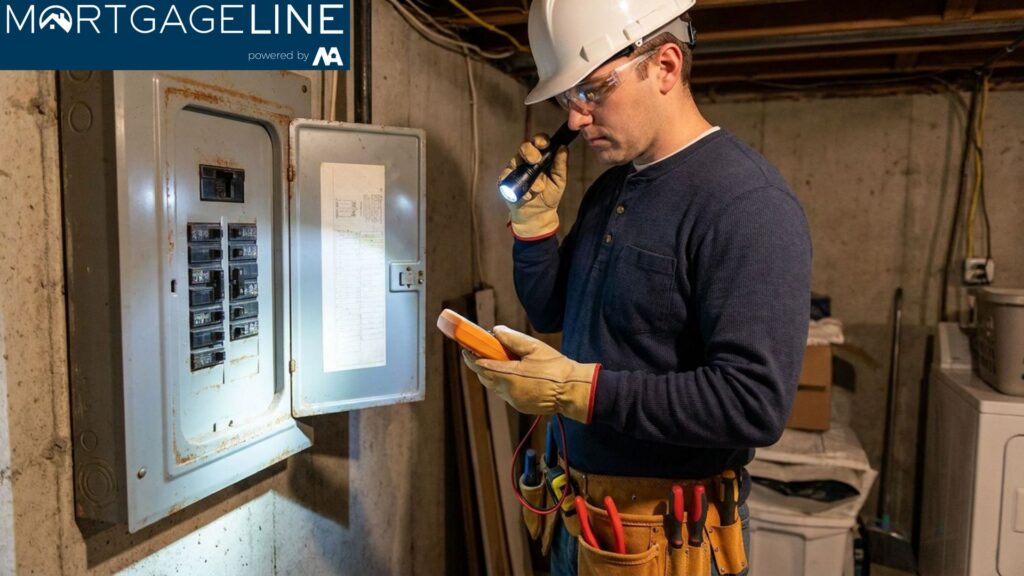
Identifying the limits of your current electrical system is the first step toward modernization. Beyond the obvious need for more breaker space, there are specific signs that indicate an upgrade is mandatory. If you experience frequently tripped breakers, dimming lights when major appliances engage, or a slight buzzing sound near your electrical panel, your system is likely operating at or beyond its safe capacity.
Furthermore, older properties may contain legacy electrical infrastructure that poses severe safety and insurance risks. Systems utilizing glass fuses, or specific outdated panels like Federal Pioneer or Sylvania, are frequently flagged by insurance inspectors. In some scenarios, addressing these issues is coupled with resolving issues with legacy wiring, which requires significant capital. Similarly, property owners dealing with the unique challenges of aluminum wiring infrastructure often choose to completely overhaul their main service panel to ensure comprehensive safety and compliance with current building codes.
The True Cost of Upgrading Your Electrical System
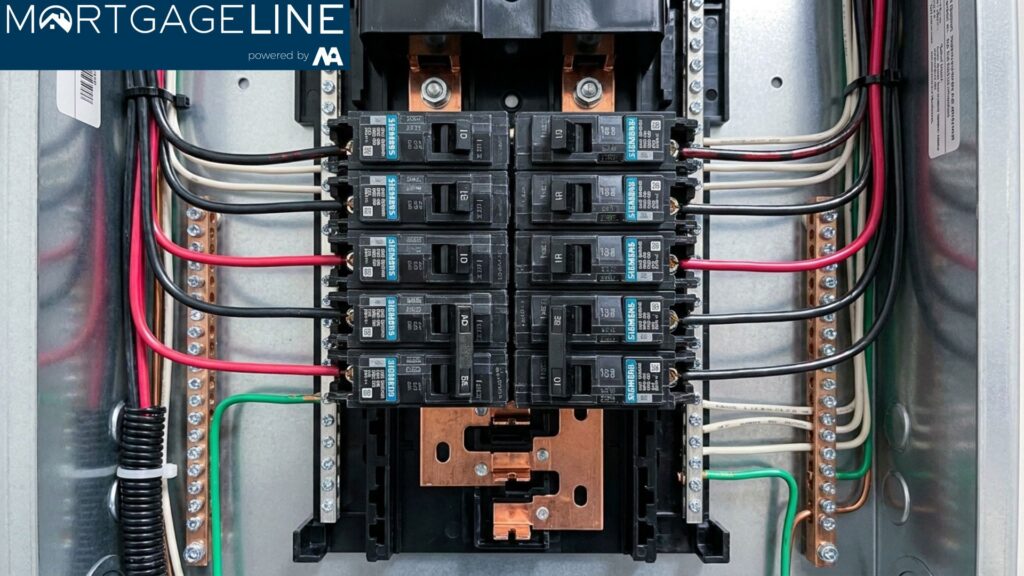
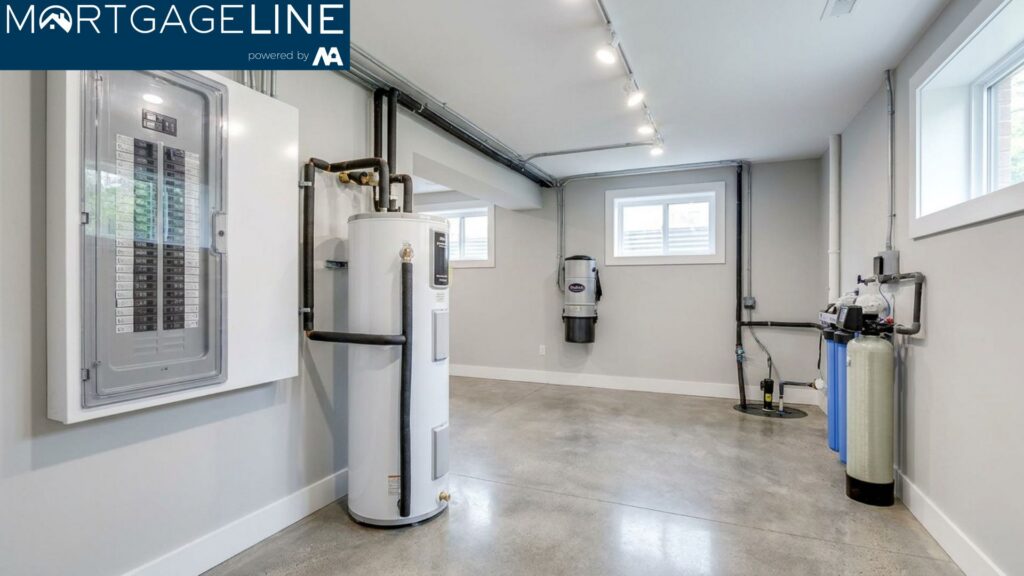
Understanding the financial scope of a full electrical panel upgrade is critical for effective budgeting. The costs are rarely limited to the metal box and breakers on your basement wall. A comprehensive 200-amp upgrade involves the interior panel, the exterior meter base, the mast (weatherhead), and potentially the primary service lines leading from the street to your home.
If your property currently receives power via underground lines, upgrading from 100 amps to 200 amps often requires utility trenching to lay thicker, higher-capacity cables. This civil work can drastically increase the total cost of the project. Data from local electrical contractors indicates that while a simple panel swap might cost around $3,000, projects requiring underground trenching, landscaping restoration, and new utility connections can easily exceed $8,000 to $10,000.
| Component / Service | Estimated Cost Range (CAD) | Description |
|---|---|---|
| Interior 200-Amp Panel & Breakers | $1,500 – $2,500 | New main panel, AFCI/GFCI breakers, and labor for interior wiring transfer. |
| Exterior Meter Base & Mast | $800 – $1,500 | Upgrading the exterior housing to accept a 200-amp utility connection. |
| Utility Trenching (If applicable) | $3,000 – $6,000+ | Excavation for new underground service lines and subsequent property restoration. |
| Permits & Utility Fees | $300 – $800 | Municipal electrical permits and utility disconnection/reconnection fees. |
How Subordinate Financing Works for Home Improvements
Given the significant upfront capital required for a thorough electrical modernization, many homeowners choose not to drain their liquid savings or rely on high-interest credit cards. Instead, utilizing built-in property equity is a highly efficient financing method. A subordinate loan—commonly referred to as a secondary mortgage—is secured against the equity in your home but sits in second position behind your primary mortgage.
The primary advantage of this approach is that it allows you to access substantial funds without altering the terms, interest rate, or amortization schedule of your first mortgage. In an economic climate where breaking a primary mortgage can result in severe financial penalties and the loss of a historically low fixed rate, leaving your first mortgage intact is crucial. Homeowners often weigh the benefits of a lump-sum loan against revolving credit lines. Deciding between a fixed-term equity loan versus a revolving equity line depends heavily on whether you need a specific amount for a one-time contractor payment or ongoing access to funds for multiple renovation phases.
Furthermore, navigating the financial requirements for these loans has become more streamlined. Depending on the loan-to-value (LTV) ratio of the property, some homeowners can secure funding through institutions that offer equity financing without requiring a full interior appraisal, expediting the timeline from application to contractor deployment. It is always recommended to consult a current 2026 interest rate guide to understand the cost of borrowing before committing to the capital expenditure.
Navigating the Permitting and Utility Process
Executing an electrical panel upgrade is not a DIY project; it is a highly regulated process requiring strict adherence to municipal and provincial safety standards. The municipality mandates that a licensed Master Electrician pull the appropriate electrical permits before any work commences. Failure to secure these permits can result in massive fines, the invalidation of your home insurance policy, and severe complications during a future property sale.
The logistical process is closely tied to the local utility provider. Before the interior panel can be replaced, the local utility (such as Enmax) must safely disconnect the power from the grid to your home. This involves submitting a Service Alteration Request (SAR). Once the utility approves the site plan and disconnects the power, the electrician completes the panel and meter base upgrade. After the municipal inspector verifies that the installation meets the CEC safety standards, the utility reconnects the power. This intricate dance of scheduling makes it imperative to have your funding secured and liquid before initiating the project.
Step-by-Step Guide: Financing and Executing Your Upgrade
To ensure a smooth transition from an outdated electrical system to a modern 200-amp service, follow these structured steps:
- Assess Your Usable Equity: Calculate your home’s current market value minus your outstanding primary mortgage balance. Most lenders allow you to borrow up to 80% of your home’s total appraised value.
- Obtain Comprehensive Contractor Quotes: Contact at least three licensed Master Electricians. Ensure their quotes explicitly detail the cost of the interior panel, exterior meter base, municipal permits, and any required utility trenching.
- Secure Your Financing: Apply for subordinate financing. Having the funds deposited into your account prior to signing a contractor agreement prevents costly delays if the utility provider demands upfront payment for service alterations.
- Submit Utility and Municipal Requests: Your hired electrician will submit the Service Alteration Request to the utility and pull the necessary municipal electrical permits.
- Execute the Installation: On the scheduled day, the utility will disconnect the power. The electrician will perform the upgrade, which typically takes a full working day. Temporary power loss is to be expected, so plan accordingly.
- Final Inspection and Reconnection: The municipal inspector will review the work. Upon passing inspection, the utility will restore power to the new, fully modernized system.
While upgrading a panel is a standard maintenance procedure, similar equity financing strategies are often utilized by homeowners dealing with unexpected property crises, such as financing major structural or environmental repairs, underscoring the flexibility of leveraging home equity.
Maximizing Home Value and Insurability
Beyond the immediate functional benefits of being able to charge an EV or run a modern HVAC system, a fully upgraded electrical panel provides substantial long-term returns. According to data tracked by the Canada Mortgage and Housing Corporation (CMHC), structural and mechanical modernizations are among the most effective ways to preserve and enhance a property’s market value.
Prospective buyers in 2026 are highly educated on the costs associated with home electrification. A property listed with a brand-new 200-amp service, complete with municipal permits and inspection records, carries a significant premium over a comparable home burdened with an outdated 100-amp fuse box. Buyers factor the avoided cost of trenching and electrical work directly into their purchase offers.
Insurability is another critical factor. Insurance underwriters are increasingly stringent about residential electrical risks. Properties with unpermitted electrical work or outdated infrastructure frequently face higher premiums or outright policy cancellations. Utilizing home equity to ensure your property meets the highest safety standards is not just a lifestyle upgrade; it is a vital asset protection strategy.
Conclusion
Upgrading your home’s electrical panel to a modern 200-amp standard is a necessary step for safety, energy efficiency, and modern appliance compatibility in 2026. While the costs associated with municipal permits, utility trenching, and certified labor can be substantial, leveraging your property’s built-in equity through a subordinate loan provides a practical, affordable financing solution. By doing so, you preserve the favorable rates of your primary mortgage while significantly increasing your home’s market value and insurability.
If you are planning a major electrical overhaul and need to secure the necessary capital without disrupting your current financial structure, our team of equity financing specialists is here to help. Contact us today to explore your borrowing options and ensure your home is powered safely for the future.