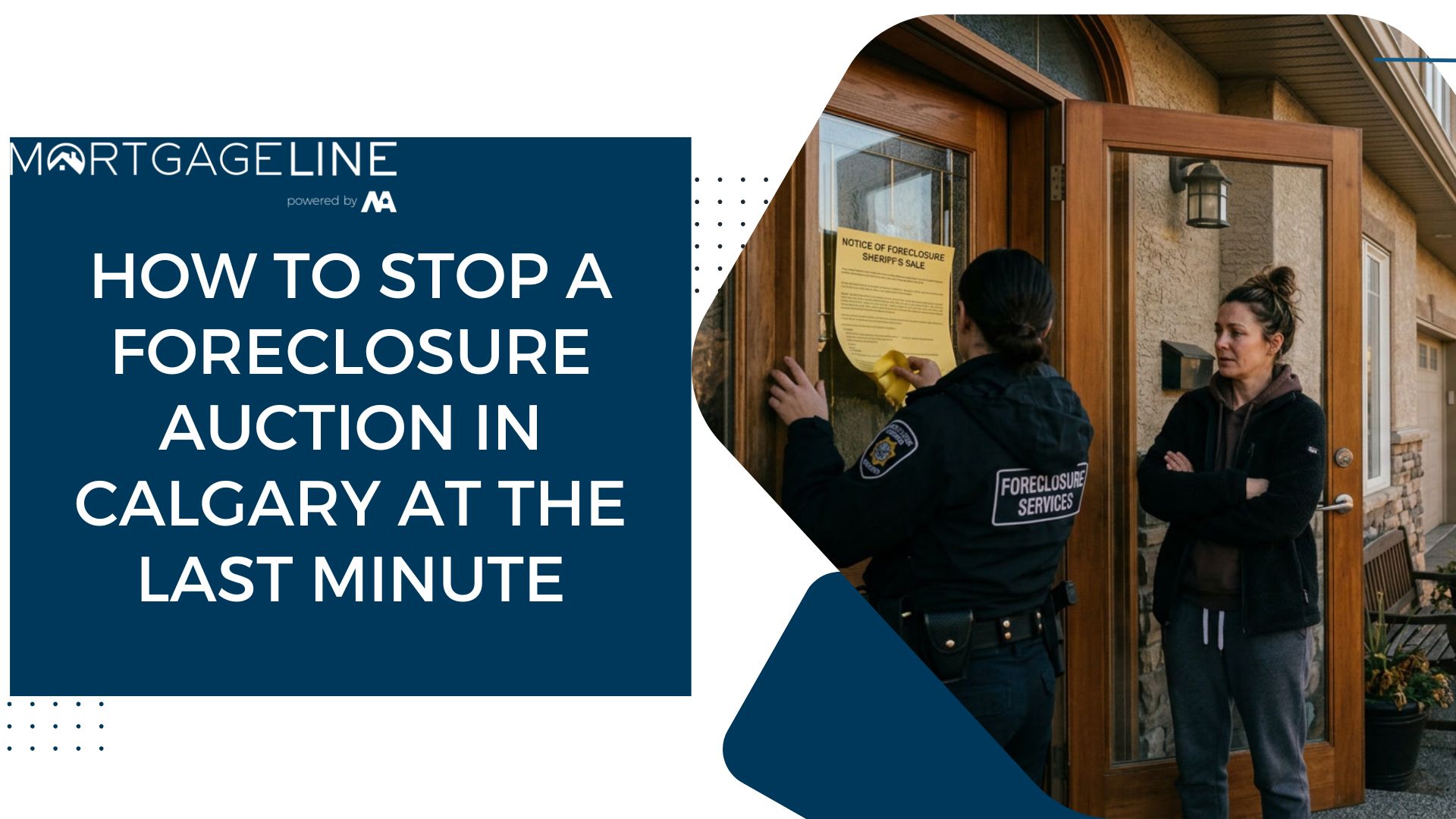
When a foreclosure auction is scheduled in Calgary, homeowners often feel they have no options left—but this is rarely true. With the right approach, you can halt, delay, or even cancel a scheduled sale, potentially saving your home from being sold at a significant discount. Time is critically short, but decisive action within the final days before an auction can make the difference between keeping your property and losing it entirely.
- Calgary foreclosure auctions can be stopped through lender negotiations, court injunctions, or alternative financing—even within days of the scheduled sale
- The Alberta Civil Enforcement Act governs the timeline, but homeowners have specific legal rights at each stage
- Contacting your lender before the auction date is the most critical first step
- Second mortgage financing can provide the capital needed to bring delinquent accounts current
- Legal counsel specializing in real estate can file emergency motions to pause enforcement actions
- Bank-specific foreclosure processes (RBC, TD, BMO, Scotiabank) each have unique negotiation pathways
- Every day of delay increases your options and leverage
Understanding Calgary Foreclosure Auctions: The Legal Framework
Foreclosure in Alberta operates under the Alberta Civil Enforcement Act, which establishes the rules lenders must follow when recovering secured properties. When a homeowner defaults on mortgage payments, the lender can initiate enforcement proceedings that ultimately lead to a public auction where the property is sold to the highest bidder.
According to the Government of Alberta’s consumer protection resources, the enforcement process involves multiple stages that provide homeowners with opportunities to respond at each step. The timeline typically begins with the lender filing a foreclosure application, followed by service of documents, a court hearing, and finally scheduling of the auction sale.
Research from the Canada Mortgage and Housing Corporation indicates that Alberta has one of the more homeowner-friendly foreclosure processes in Canada, with mandatory court oversight at multiple stages. This means the lender cannot simply sell your home without court approval, creating windows of opportunity even late in the process.

The Critical Timeline: When Each Option Remains Available
Understanding where you are in the enforcement timeline determines which strategies remain viable. Each phase offers different leverage points for homeowners seeking to stop a sale.
Pre-Auction Phase (30+ Days Before Sale)
This is the optimal window for intervention. During this period, homeowners can negotiate directly with lenders, explore refinancing options, or prepare legal challenges. The further from the auction date, the more options available and the greater your negotiating position.
Final Days Before Auction (7-14 Days)
As the auction approaches, options narrow but don’t disappear. Lenders become more receptive to workout arrangements when they face the certainty of a below-market auction sale. This is when second mortgage financing becomes particularly valuable—you can secure funds quickly and present the lender with a concrete payment plan.
Within 72 Hours of Auction
Even at this late stage, emergency legal motions can pause the sale. Courts have discretion to issue injunctions when homeowners can demonstrate a credible plan to bring accounts current or challenge the enforcement process. However, success at this stage requires immediate action and legal representation.
Proven Strategies to Halt the Auction
Multiple pathways exist for stopping a scheduled sale. The best approach depends on your specific financial situation, the lender involved, and how quickly you can access capital or legal resources.
Direct Lender Negotiation: The First Line of Defense
Before exploring other options, contact your lender directly. Many financial institutions have loss mitigation departments specifically designed to avoid the costs and complications of foreclosure. According to mortgage industry experts, lenders typically recover only 60-80% of a property’s market value at auction, making negotiated solutions preferable to both parties.
When negotiating, be prepared with a concrete proposal. Options lenders may consider include a repayment arrangement spread over 6-12 months, a temporary payment reduction, or a loan modification that extends the amortization. Document your income, expenses, and any circumstances that led to the default.
Each major bank has slightly different foreclosure procedures. If you’re dealing with RBC’s foreclosure process in Alberta, their recovery team may have specific documentation requirements. Similarly, TD Bank’s Calgary foreclosure approach and BMO’s Alberta foreclosure procedures each have unique internal timelines and negotiation protocols.
Alternative Financing: Accessing Capital Quickly
When lender negotiations fail or move too slowly, alternative financing can provide the funds needed to stop the auction. A second mortgage uses the equity in your home as security for a new loan, and these funds can be used to bring your primary mortgage current, pay off arrears, and cover enforcement costs.
The approval process for second mortgages moves significantly faster than traditional bank financing. While a bank might take 30-60 days to process a refinance application, private and alternative lenders can often fund within 5-14 days. This speed makes second mortgages particularly valuable when an auction is imminent.
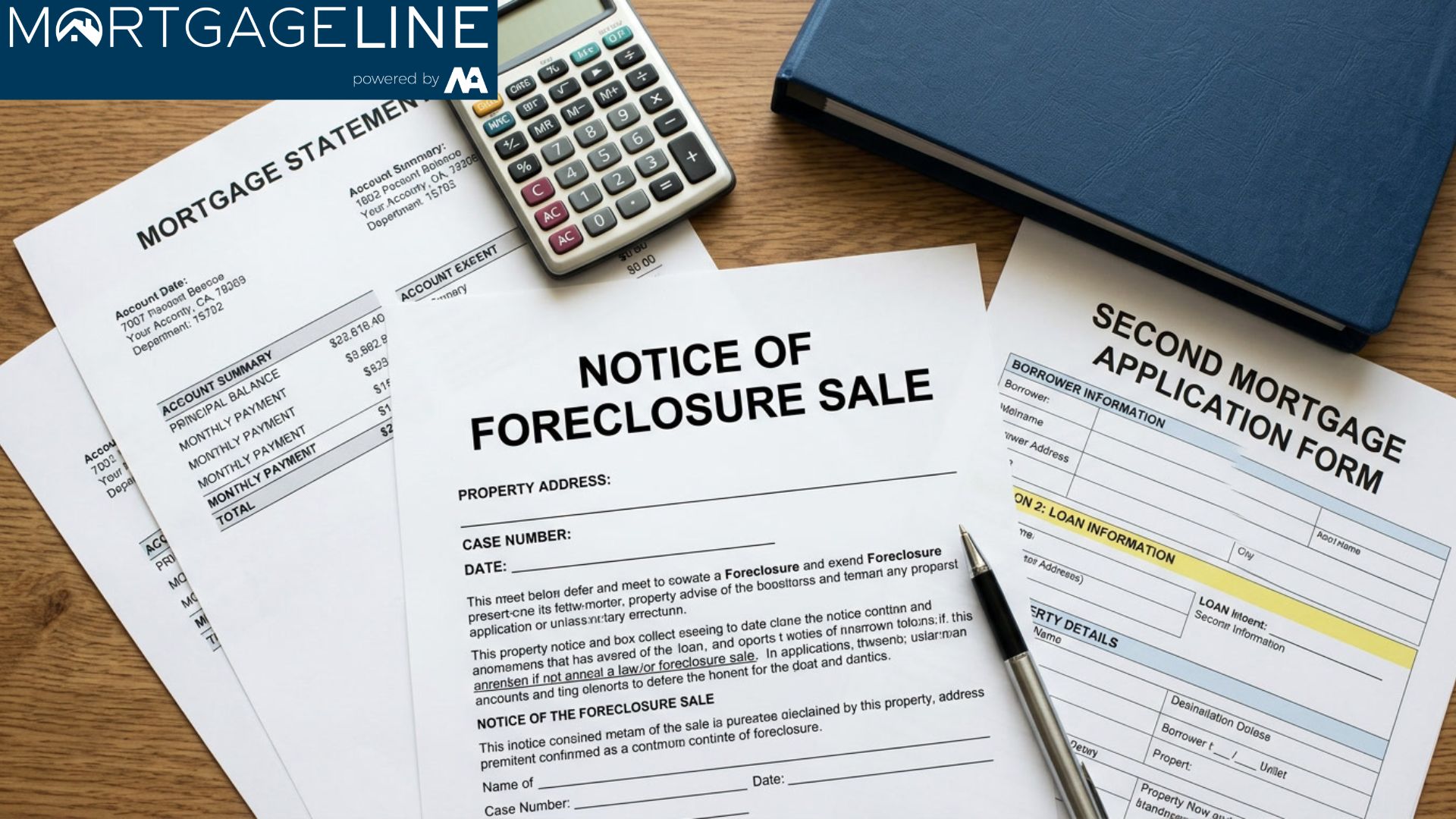
As explained in our expert guide to second mortgages in Calgary, these products come in various forms: closed mortgages with fixed terms, open mortgages offering flexibility, and bridge financing for situations requiring rapid funding and quick repayment. For emergency situations like stopping an auction, bridge financing or open second mortgages typically offer the fastest path to capital.
Legal Injunctions and Court Intervention
When administrative solutions fail, the courts provide another avenue for stopping an auction. Under the Alberta Civil Enforcement Act, homeowners can apply to the court for an injunction pausing the sale. Successful applications typically demonstrate one of three conditions: a defect in the enforcement process, a credible plan to bring accounts current, or exceptional circumstances that make the sale inequitable.
Court applications require legal representation and move quickly once filed. An experienced real estate lawyer can assess whether grounds exist for an injunction and file the necessary paperwork within hours. The court will schedule an emergency hearing, and if granted, the injunction pauses the auction while underlying issues are addressed.
According to legal experts at the Law Society of Alberta, successful injunctions often depend on demonstrating that the homeowner has a realistic path to resolving the default—not just hope, but concrete evidence of available financing, income, or settlement offers.
Step-by-Step: What to Do Right Now
If you’re facing a looming auction, follow this sequence to maximize your chances of stopping the sale:
- Gather your financial documents immediately — Bank statements, pay stubs, tax returns, and mortgage statements. You need this information ready for every subsequent step.
- Contact your lender’s loss mitigation department today — Call, email, and visit in person if possible. Request a workout arrangement and ask specifically about their foreclosure alternatives.
- Consult a real estate lawyer within 24 hours — Even an initial consultation provides crucial information about your legal position and options for court intervention.
- Explore second mortgage financing options — Contact alternative lenders who can move quickly. Prepare documentation for rapid approval.
- File any necessary court documents — If pursuing legal intervention, ensure paperwork is filed before any deadlines.
- Document everything — Keep records of every communication with your lender, lawyer, and lenders. Dates, names, and content matter.
Understanding the Costs: What’s at Stake Financially
Stopping an auction requires understanding the financial implications of various pathways. While each option involves costs, these are typically far less than the losses incurred at a foreclosure sale.
| Option | Typical Costs | Timeline | Success Rate |
|---|---|---|---|
| Lender Negotiation | Legal fees, possible penalty interest | 1-4 weeks | Moderate (if credible proposal) |
| Second Mortgage | Interest, appraisal, legal fees | 5-14 days | High (if sufficient equity) |
| Court Injunction | Legal fees, court costs | 24-72 hours for hearing | Variable (depends on grounds) |
| Auction Sale | Property sold 20-40% below market | Immediate | N/A (avoid this outcome) |
Research from the Canadian Real Estate Association shows that properties sold through foreclosure auctions in Alberta typically sell for 20-40% below comparable market values. This discount represents tens of thousands of dollars in lost equity for homeowners—making the costs of alternative solutions pale in comparison.
Common Mistakes That Cost Homeowners Their Best Chance
Understanding what not to do is equally important as knowing your options. Several common errors can eliminate pathways that might otherwise save your home.
Avoiding communication with your lender. Many homeowners, embarrassed by their situation, stop responding to lender communications. This eliminates negotiation opportunities and often accelerates the enforcement process. Lenders cannot work with homeowners who won’t engage.
Waiting too long to seek legal help. Court applications require preparation time. Waiting until the day before the auction to contact a lawyer severely limits available options. Legal intervention needs at least several days to prepare properly.
Focusing only on one solution. The most successful outcomes typically combine multiple strategies—negotiating with the lender while simultaneously arranging backup financing and preparing legal options. Don’t put all your efforts into a single pathway.
Ignoring other debts secured by the property. Even if you resolve your primary mortgage, other secured debts (home equity lines of credit, second mortgages, property tax arrears) can continue enforcement proceedings. Address all secured obligations.

When All Else Fails: Controlled Sale vs. Auction
If stopping the auction entirely isn’t possible, negotiating a controlled sale provides a better outcome than auction. In a controlled sale, the homeowner works with the lender to list and sell the property through traditional channels, with proceeds applied to the mortgage.
Controlled sales typically achieve 85-95% of market value compared to the 60-80% achieved at auction. The homeowner retains more equity, avoids the stigma and public process of auction, and often has more time to find alternative housing. Discuss this option with your lender if stopping the auction outright isn’t feasible.
Building a Long-Term Plan: Beyond the Immediate Crisis
Stopping the auction addresses the immediate emergency, but homeowners must also develop strategies to prevent future enforcement actions. This might involve restructuring household finances, exploring income augmentation, or considering whether the property remains sustainable for long-term ownership.
For Calgary homeowners dealing with employment volatility—such as those in the energy sector facing industry downturns—home equity financing strategies can provide both immediate relief and longer-term financial stability. Similarly, understanding financing options for heritage properties may reveal opportunities specific to your property type.
If you’re considering whether a second mortgage makes sense for your situation, our detailed guide to approval timelines provides realistic expectations for the application and funding process.
Conclusion
Stopping a foreclosure auction in Calgary at the last minute is challenging but achievable. The key is taking immediate, decisive action across multiple fronts: engaging your lender, exploring alternative financing, and pursuing legal remedies where available. Every day of delay reduces your options, while prompt action preserves pathways that might otherwise close.
The financial stakes are significant—auction prices typically fall 20-40% below market value, representing a potential loss of tens of thousands of dollars in equity. The costs of alternative solutions, whether lender negotiations, second mortgage financing, or legal intervention, are almost always less than what you’d lose at auction.
If you’re facing a scheduled auction, don’t wait to see what happens. Contact your lender today, consult with a real estate lawyer, and explore your financing options immediately. The more time you have before the auction date, the more pathways remain available to protect your home and your equity.
Contact our team today to discuss your specific situation and explore the financing options available to stop your foreclosure auction. Time is critical—let us help you take action now.
Frequently Asked Questions
Can I really stop a foreclosure auction with only days notice?
Yes, it’s possible but requires immediate action. Within 72 hours of an auction, your options typically include emergency court injunctions (which require legal representation), presenting the lender with a certified payment or financing commitment, or demonstrating procedural defects in the enforcement process. Success depends on having concrete evidence of your ability to resolve the default, not just promises.
How much does it cost to stop a foreclosure auction?
Costs vary by approach. Lender negotiations may involve legal fees of $1,000-3,000. Second mortgage financing includes interest costs (typically 8-15% for alternative lenders), plus appraisal and legal fees of $2,000-5,000. Court injunctions require legal fees of $3,000-10,000 depending on complexity. However, these costs are typically 20-40% less than the equity loss at auction.
Will stopping the auction damage my credit?
A foreclosure notation already appears on your credit report once proceedings begin. Stopping the auction and bringing accounts current can actually begin the process of credit recovery. The greater credit damage comes from completing the foreclosure, not from attempting to stop it.
Can I use a second mortgage to pay off my primary mortgage and stop the auction?
Yes, this is a common strategy. A second mortgage provides lump-sum capital that can bring your primary mortgage current, pay accrued interest and penalties, and cover enforcement costs. The second mortgage is secured by your home’s equity and replaces or supplements your existing financing.
What happens if the auction proceeds and my home sells?
After the auction, the sale proceeds pay the mortgage lender, enforcement costs, and other secured creditors. Any remaining equity typically goes to the homeowner, though auction prices often result in little to no surplus. The homeowner must vacate the property, typically within 30 days.
Can I negotiate directly with my bank without a lawyer?
Initial negotiations with your lender don’t require a lawyer, and many workout arrangements are handled directly. However, if the auction date is imminent or negotiations stall, legal representation becomes important for filing court documents and pursuing injunctions. Even an initial consultation provides valuable information about your position.
What if I have multiple mortgages or other liens on my property?
Stopping the auction requires addressing all secured interests, not just the primary mortgage. Each secured creditor can potentially continue enforcement independently. A comprehensive solution must account for all secured debts, which may require coordinating multiple negotiations or financing sources.
Is bankruptcy ever a better option than stopping the foreclosure?
Bankruptcy is a legal proceeding that can pause foreclosure, but it comes with significant consequences including credit damage lasting 6-7 years, loss of non-exempt assets, and ongoing obligations. For homeowners with sufficient equity and income, stopping the foreclosure through negotiation or financing typically preserves more long-term financial health than bankruptcy.