Securing secondary financing on a Calgary property containing Poly-B plumbing or asbestos is entirely possible in 2026, though it requires navigating stricter loan-to-value (LTV) limits, specialized appraisals, and rigorous insurance verifications. Homeowners typically leverage these funds either to finance the remediation of these hazardous materials or to access equity through specialized private lenders who accept the associated property risks. By presenting a clear remediation plan or securing comprehensive high-risk property insurance, borrowers can successfully unlock their home equity despite the presence of legacy building materials.
Key Takeaways
- Traditional lenders often cap LTV at 65% to 70% for homes with unmitigated Poly-B or asbestos.
- Proof of comprehensive home insurance covering water damage is the primary hurdle for loan approval.
- Funds can be structured as a “holdback” mortgage to directly pay remediation contractors.
- Private lenders offer significantly more flexibility than A-lenders for properties with legacy materials.
- Professional environmental assessments are mandatory if asbestos-containing materials will be disturbed during renovations.
- Upgrading these materials using home equity typically yields a 1:1 return on property valuation in the Calgary real estate market.
The Impact of Legacy Building Materials on Calgary Home Equity
Calgary’s rich architectural history means that many homes built during the city’s rapid expansion periods contain building materials that are now considered high-risk. For homeowners looking to tap into their property’s equity, these legacy materials present unique underwriting challenges. Lenders evaluate properties based on their marketability and structural integrity, both of which are directly impacted by the presence of polybutylene and asbestos.
The Poly-B Plumbing Problem in Alberta
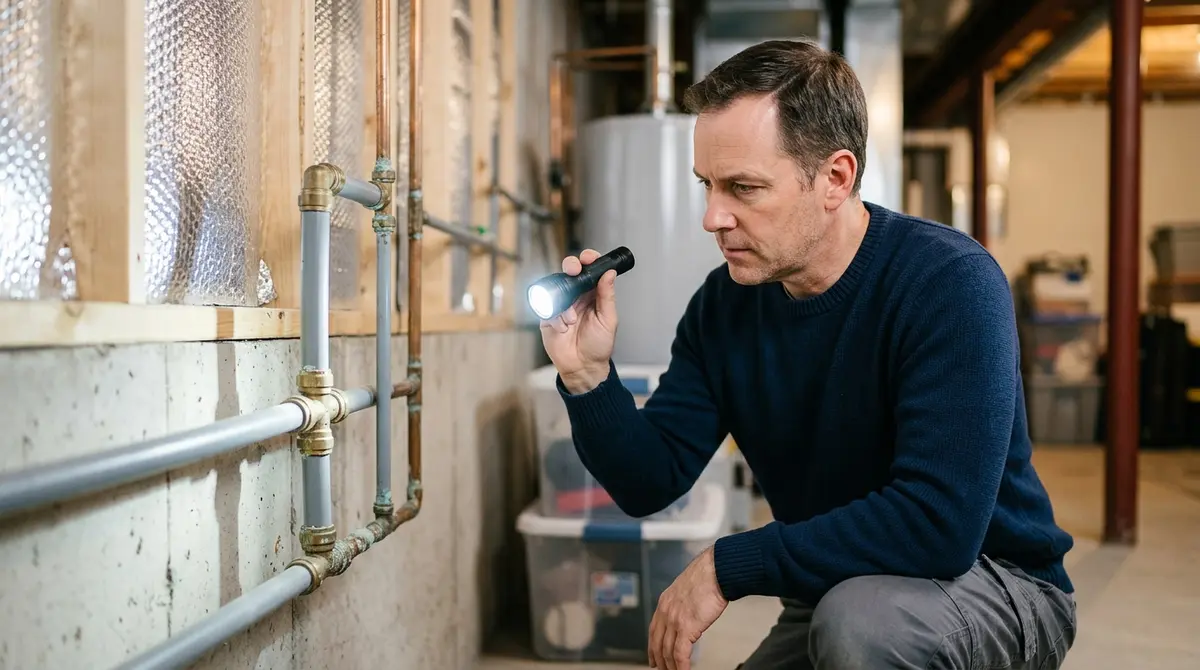
Polybutylene, commonly known as Poly-B, is a flexible gray plastic pipe used extensively in residential plumbing construction between 1978 and 1995. According to historical construction data, an estimated 15% of Calgary’s housing stock from that era still retains some form of this piping in 2026. The issue with polybutylene piping lies in its chemical vulnerability. Over time, the chlorine present in municipal water supplies causes the pipes to become brittle, leading to micro-fractures and catastrophic ruptures.
Because water damage is the leading cause of home insurance claims in Canada, properties with Poly-B are viewed as ticking time bombs by risk assessors. When applying for a subordinate mortgage, the presence of these pipes immediately triggers enhanced scrutiny from the underwriter.
Asbestos Concerns in Pre-1990 Calgary Homes
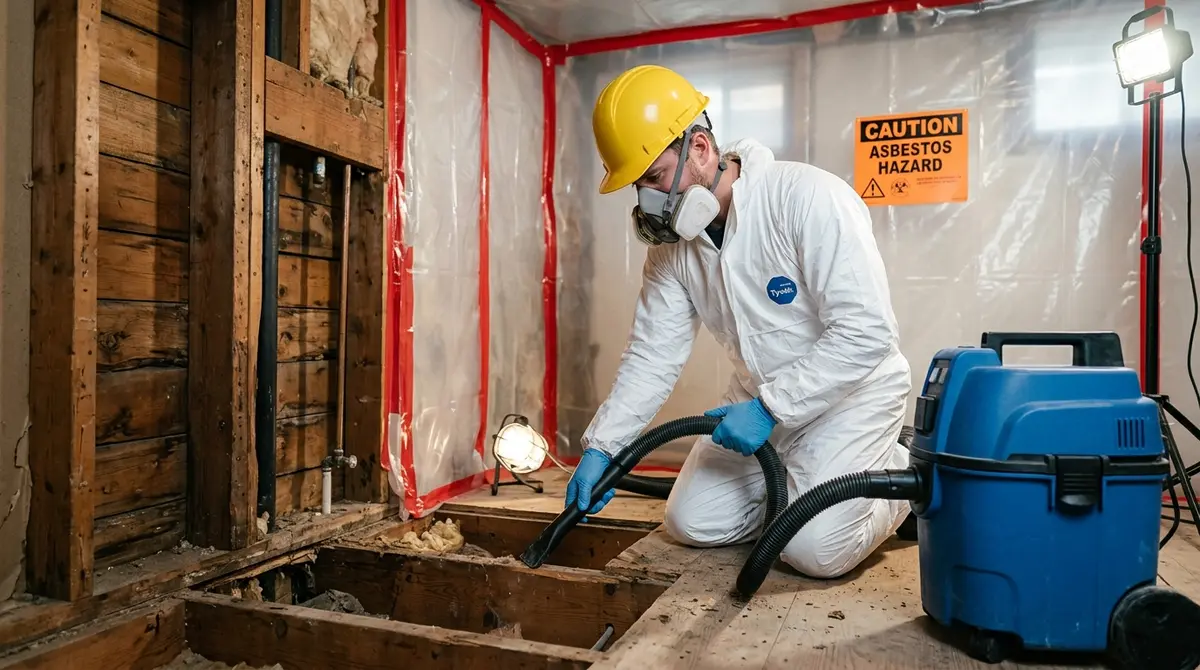
Asbestos-containing materials (ACMs) were widely used in insulation, floor tiles, and textured ceilings (often referred to as popcorn ceilings) prior to 1990. While Health Canada notes that undisturbed asbestos poses minimal health risks, it becomes highly dangerous when airborne during renovations or degradation.
For secondary lenders, asbestos is less of an immediate structural threat than Poly-B, but it severely limits the property’s marketability in the event of a foreclosure. Furthermore, if the borrower’s stated purpose for the loan is home renovation, the lender knows that costly professional abatement will be required, which can quickly drain the borrower’s capital.
How Lenders Evaluate Properties with Poly-B and Asbestos in 2026
The secondary mortgage market in 2026 is highly data-driven. Lenders rely heavily on actuarial data regarding property degradation. When an appraisal flags legacy materials, the underwriting process shifts from standard automated approval to manual risk assessment.
“Lenders in 2026 are highly sensitive to water damage risks. A property with unmitigated Poly-B plumbing often faces an automatic 10% to 15% reduction in allowable Loan-to-Value ratios,” says David Chen, Senior Risk Analyst at the Canadian Mortgage Assessment Bureau. “The risk of a sudden flood destroying the collateral is simply too high for maximum leverage.”
To understand how these materials affect your borrowing power, consider the following comparison between a standard property and one containing legacy materials:
| Underwriting Metric | Standard Calgary Property | Property with Poly-B / Asbestos |
|---|---|---|
| Maximum LTV | Up to 80% – 85% | Capped at 65% – 70% |
| Appraisal Requirement | Standard or Desktop Appraisal | Full Interior Appraisal + Environmental Report |
| Insurance Verification | Standard Binder | Proof of specific water/environmental riders |
| Interest Rates | Market Baseline | Baseline + 1.5% to 3.0% Premium |
Financing Remediation: Using Equity to Upgrade Your Home
One of the most common reasons Calgary homeowners seek secondary financing on older properties is to fund the removal of these exact materials. Replacing Poly-B plumbing typically costs between $5,000 and $15,000 depending on the home’s square footage, while asbestos abatement can range from $3,000 to over $20,000.
“Asbestos isn’t a dealbreaker for secondary financing as long as it is undisturbed. However, if the borrower plans renovations, lenders will mandate professional abatement as a condition of the loan,” explains Sarah Jenkins, Director of Underwriting at Alberta Equity Partners.
In these scenarios, lenders often utilize a “holdback” structure. The lender approves the loan based on the “as-improved” value of the home but holds back the funds required for the remediation. Once a certified contractor completes the work and a municipal inspector signs off, the funds are released directly to the contractor. This protects the lender’s collateral while allowing the homeowner to improve their property value. If you are debating how to structure this debt, choosing between a second mortgage and a cash-out refinance is a critical first step.
Step-by-Step Guide to Securing Secondary Financing for Older Homes
Navigating the approval process with legacy materials requires preparation. Follow these steps to maximize your chances of securing favorable terms:
- Commission a Specialized Appraisal: Do not rely on automated valuation models (AVMs). Hire an appraiser experienced in older Calgary neighborhoods (like Brentwood or Acadia) who can accurately assess the deduction for legacy materials versus the overall land value.
- Obtain Professional Remediation Quotes: Even if you do not plan to use the loan for remediation, having written quotes from certified Calgary contractors shows the lender exactly what the financial liability is.
- Secure Specialized Home Insurance: Lenders will not fund a mortgage without insurance. Contact your broker to ensure your policy explicitly covers water damage despite the Poly-B, or covers the home despite the asbestos.
- Compile Comprehensive Documentation: Gather your income verification, property tax statements, and existing mortgage details. Properly organizing your secondary mortgage paperwork speeds up the underwriting process significantly.
- Address Credit Anomalies: Because the property presents a higher risk, your personal financial profile must be pristine. Be prepared to explain recent credit inquiries to reassure the underwriter of your financial stability.
Navigating Insurance and Appraisal Hurdles
The intersection of property insurance and mortgage lending is where most applications for older homes stall. According to data from the Insurance Bureau of Canada, homes with Poly-B plumbing face insurance premiums that are 20% to 35% higher than homes with modern PEX or copper piping. Furthermore, many standard insurers in 2026 outright refuse to write new policies for homes with Poly-B unless a replacement plan is in place.
“Insurance is the linchpin. If a homeowner cannot secure comprehensive water damage coverage due to Poly-B, traditional secondary lenders will immediately decline the file,” states Elena Rostova, Vice President of the Alberta Insurance Brokers Association.
If you are self-employed and facing these insurance hurdles, traditional A-lenders may reject your application entirely. In these cases, exploring stated income alternative documentation with a private lender who is more forgiving of property conditions becomes essential.
Alternative Financing Options for Calgary Homeowners
When traditional banks and credit unions say no, Calgary’s robust private lending sector often steps in. Private mortgage investment corporations (MICs) and individual equity lenders are primarily concerned with the equity left in the home rather than strict institutional guidelines.
“The key to securing home equity on an older Calgary property is presenting the lender with a clear, contractor-backed remediation plan,” notes Marcus Thorne, a certified Calgary real estate appraiser. Private lenders will often fund up to 75% LTV on properties with asbestos or Poly-B, provided the location is desirable and the borrower has a clear exit strategy.
If your equity is borderline due to the presence of these materials, you might need to bolster your application. One effective strategy is adding a parent as a guarantor, which provides the lender with additional security and can help offset the perceived risk of the property’s physical condition. Additionally, ensure you are retaining your mortgage documents meticulously, as private lenders may request historical property records to verify past renovations.

The Role of Government Programs and Disclosures
In Alberta, property disclosure laws require sellers to disclose known material latent defects. While having Poly-B or asbestos is not inherently a defect if it is functioning properly, hiding its existence during a refinance appraisal constitutes mortgage fraud. Transparency is crucial.
Furthermore, organizations like the Canada Mortgage and Housing Corporation (CMHC) offer guidelines on financing home improvements. While CMHC does not typically insure secondary mortgages, their framework for renovation holdbacks is the industry standard that private and B-lenders follow in 2026 when structuring loans for asbestos abatement or plumbing overhauls.
Frequently Asked Questions (FAQ)
Can I get a second mortgage if my home has Poly-B plumbing?
Yes, but your options may be limited to private lenders or B-lenders. Traditional banks typically restrict secondary financing on Poly-B homes unless you have a specialized insurance policy covering water damage or plan to use the funds for immediate plumbing replacement.
Will asbestos in my attic prevent me from accessing my home equity?
Not necessarily. If the asbestos (such as vermiculite insulation) is undisturbed and in good condition, many lenders will proceed. However, they will likely reduce your maximum loan-to-value ratio to account for future abatement costs.
Do I have to use the loan money to fix the plumbing or remove the asbestos?
It depends on the lender’s conditions. Some private lenders will give you the funds for any purpose, accepting the property “as-is.” Others will approve the loan strictly as a “holdback” mortgage, where funds are released directly to contractors for remediation.
How much does Poly-B reduce my home’s appraised value?
In the 2026 Calgary market, appraisers typically deduct the estimated cost of replacement from the home’s value, which ranges from $5,000 to $15,000. Additionally, the stigma of legacy plumbing can reduce overall marketability, slightly lowering the appraised value further.
Why do lenders care about legacy materials if I have enough equity?
Lenders care because these materials threaten the structural integrity of their collateral. A burst Poly-B pipe can cause hundreds of thousands of dollars in water damage overnight, potentially wiping out the equity that secures their loan.
Can I hide the presence of asbestos from the appraiser?
No. Attempting to conceal known legacy materials during the appraisal process is considered mortgage fraud. Appraisers are trained to identify signs of Poly-B and asbestos, and discovering deception will result in an immediate denial of your application.
Are interest rates higher for homes with these materials?
Generally, yes. Because properties with legacy materials are considered higher risk, lenders typically charge a premium. You can expect interest rates to be 1.5% to 3.0% higher than standard secondary mortgage rates, depending on your LTV and credit profile.
Conclusion
Securing a second mortgage on a Calgary property with Poly-B plumbing or asbestos requires a strategic approach, but it is highly achievable in 2026. By understanding how lenders assess risk, securing the right insurance, and potentially using the funds to remediate the property, homeowners can successfully unlock their equity. Whether you are looking to upgrade your legacy systems or need capital for other investments, working with a specialized mortgage broker who understands the nuances of older Calgary homes is your best path forward. If you are struggling to secure financing due to the condition of your property, contact us today to explore your private lending options and get your application on the right track.