A secondary mortgage is a subordinate loan secured against your property that operates alongside your primary financing. It allows homeowners to borrow against their accumulated equity without altering the interest rate or terms of their original mortgage agreement. In 2026, as property values fluctuate and primary lending rates remain a focal point for the Bank of Canada, this financial tool offers a strategic way to access capital for major expenses, debt consolidation, or investments. Because the original loan remains completely intact, borrowers avoid costly prepayment penalties and retain their historically favorable rates while still liquidating their built-up property wealth.
Key Takeaways
- Preserve Primary Terms: Access up to 80% of your property’s appraised value without resetting your original, lower-interest financing.
- Subordinate Position: Understand that secondary lenders take on higher risk, which typically results in risk-based pricing and slightly elevated interest rates.
- Flexible Structures: Choose between revolving credit lines (HELOCs) for ongoing expenses or fixed-term lump sums for predictable, one-time costs.
- Alternative Qualifications: Leverage your property’s equity cushion to secure funding even if traditional income verification or credit scores present challenges.
- Strategic Utility: Utilize funds for high-return investments, such as funding retail inventory or completing value-adding home renovations.
Understanding the Mechanics of Secondary Financing in Alberta
Property owners often overlook the dormant financial power residing within their real estate. Equity—the mathematical difference between your property’s current market value and the outstanding balance of any secured debts—serves as the collateral for supplemental borrowing. According to recent data from Statistics Canada, over 58% of Alberta property owners possess significant untapped equity, largely driven by consistent mortgage paydowns and regional market appreciation.
When you apply for supplemental funds, lenders calculate your Loan-to-Value (LTV) ratio. This critical metric determines your borrowing capacity. Financial institutions typically allow homeowners to borrow up to an 80% combined LTV. For example, if your home is appraised at $600,000, 80% of that value is $480,000. If your primary loan balance is $300,000, you theoretically have $180,000 in accessible equity.
As Dr. Sarah Jenkins, Senior Economist at the Alberta Real Estate Research Institute, explains: “Secondary financing allows homeowners to monetize their property’s appreciation without sacrificing the historically low interest rates locked into their primary agreements. In the 2026 economic climate, this preservation of capital cost is paramount.”

HELOC vs. Home Equity Loan: A 2026 Comparison
Homeowners seeking to leverage their property value generally choose between two distinct structures: a Home Equity Line of Credit (HELOC) or a traditional fixed-term equity loan. Understanding the nuances of each is essential for aligning your borrowing strategy with your financial goals.
A HELOC functions as revolving credit. You are approved for a maximum limit and can draw funds as needed, paying interest only on the active balance. This structure is ideal for ongoing construction projects or variable business expenses. Conversely, a fixed equity loan provides a single lump-sum disbursement with a locked-in interest rate and a predictable amortization schedule. When comparing home equity to unsecured credit, both options offer significantly higher borrowing limits and lower rates than credit cards or personal loans.
| Feature | HELOC (Line of Credit) | Fixed Equity Loan |
|---|---|---|
| Fund Disbursement | Revolving access (draw as needed) | Single lump-sum payout |
| Interest Rate | Variable (tied to Prime Rate) | Fixed for the term duration |
| Repayment Structure | Interest-only minimums during draw period | Blended principal and interest payments |
| Best Used For | Ongoing renovations, emergency reserves | Debt consolidation, single large purchases |
Step-by-Step: How to Secure Supplemental Financing
Navigating the application process requires preparation and a clear understanding of lender expectations. The Financial Consumer Agency of Canada (FCAC) recommends that all borrowers thoroughly assess their repayment capacity before leveraging their primary residence.
- Calculate Your Available Equity: Determine your home’s estimated market value and subtract your current mortgage balance. Remember that most lenders cap total borrowing at 80% of the property’s value.
- Review Your Credit Profile: Obtain your credit report. While alternative lenders are flexible, traditional banks typically require a minimum credit score of 680 to secure prime rates.
- Gather Required Documentation: Compile recent pay stubs, T4s, NOAs, and property tax statements. Having a complete document checklist for secondary financing expedites the underwriting process.
- Compare Lender Offerings: Evaluate proposals from both major banks and private institutions. Look beyond the interest rate to assess administrative fees, appraisal costs, and prepayment penalties.
- Finalize the Appraisal and Legal Work: The lender will order an independent appraisal to confirm the property’s value. Once approved, real estate lawyers will register the subordinate lien on your property title.
Qualification Standards and Risk Assessment
Lenders evaluate supplemental financing applications through a distinct risk-assessment lens. Because these loans sit in a subordinate position—meaning the primary lender is paid first in the event of a default—the secondary lender assumes greater risk. This hierarchy directly influences qualification standards and pricing models.
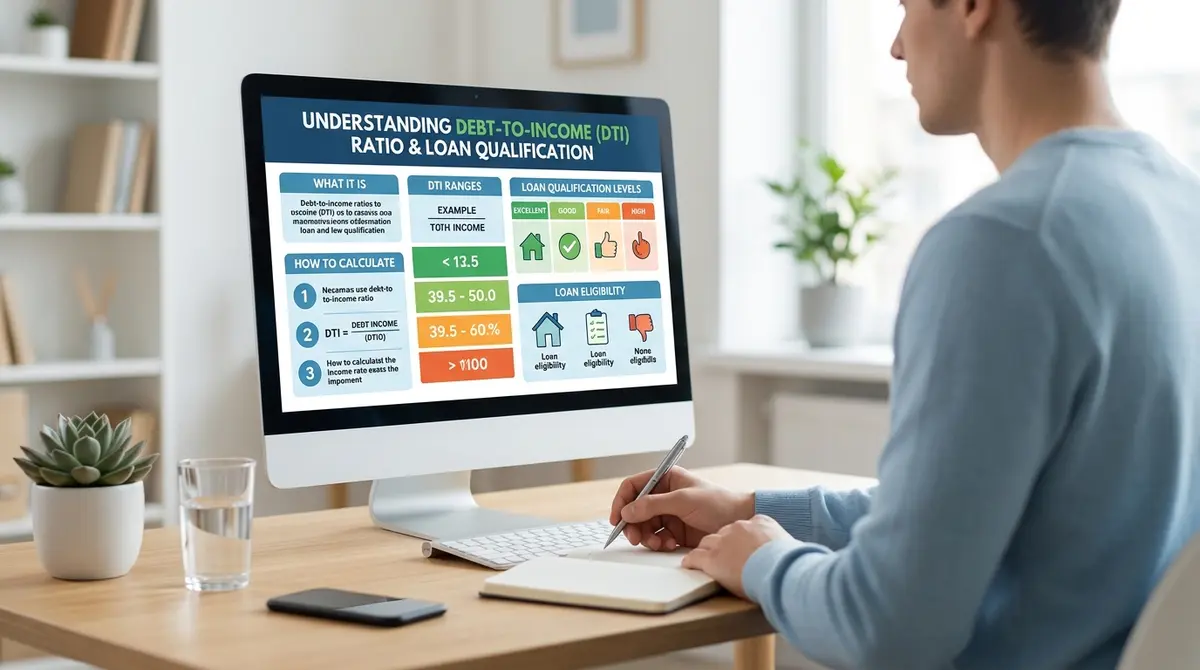
Traditional financial institutions heavily scrutinize your Debt-to-Income (DTI) ratio. Most Big 6 banks enforce a strict maximum DTI of 35% to 40%. They require rigorous proof of stable employment and consistent income. However, for self-employed individuals or those with complex income structures, alternative lenders offer specialized programs focused on verifying self-employed income through bank statements rather than traditional tax returns.
According to Marcus Thorne, Chief Underwriter at Calgary Equity Partners: “The subordinate position of a secondary loan inherently carries more risk for the lender, which dictates the risk-based pricing models we see in the 2026 market. However, a strong equity cushion of 25% or more can often offset lower credit scores, providing viable pathways for borrowers who don’t fit the traditional banking mold.”
Strategic Uses for Your Untapped Property Value
Accessing your property’s equity is a powerful financial maneuver when deployed strategically. Rather than using these funds for depreciating consumer goods, financially savvy homeowners reinvest the capital to generate long-term value or reduce overall financial burdens.
Debt consolidation remains one of the most popular applications. By paying off high-interest credit cards or unsecured personal loans with lower-rate equity funds, borrowers can save thousands in interest and dramatically improve their monthly cash flow. Implementing effective principal reduction strategies ensures that the new consolidated debt is paid down efficiently.
Additionally, homeowners frequently utilize these funds for property renovations that increase the home’s market value, effectively recycling the equity. Entrepreneurs also leverage their homes to inject capital into their businesses, bypassing the stringent requirements of commercial business loans. Whether funding a startup or managing cash flow, the flexibility of property-backed financing is unmatched.
Navigating the Risks: Foreclosure and Subordinate Debt
While the benefits are substantial, leveraging your home as collateral carries inherent risks that must be managed responsibly. The most severe consequence of defaulting on any secured property loan is the potential loss of the asset through legal proceedings.
If a borrower misses payments, the lender can initiate recovery actions. It is crucial to understand the differences between a notice of default and a statement of claim, as these documents dictate the legal timeline for resolving arrears. In Alberta, the legal framework provides specific redemption periods, allowing homeowners time to bring their accounts into good standing before a final order is granted.
Furthermore, borrowers should be aware of how subordinate liens interact with primary mortgages during disputes. If a property is sold under duress, the primary lender recovers their full balance and legal costs first. The secondary lender only receives the remaining funds. This structural reality is why secondary lenders are swift to act on defaults to protect their exposed capital.

Traditional Banks vs. Alternative Lenders in 2026
The Canadian lending landscape is broadly divided into traditional institutions (A-lenders) and alternative or private providers (B-lenders and MICs). Your financial profile and timeline will dictate which avenue is most appropriate for your needs.
Major banks offer the lowest interest rates but enforce the most rigid qualification criteria. They typically require weeks to process applications, mandate pristine credit histories, and strictly adhere to federal stress-test regulations mandated by the Canada Mortgage and Housing Corporation (CMHC). For many borrowers, these hurdles are insurmountable, especially when seeking cash-out refinancing alternatives.
Alternative lenders, conversely, prioritize the asset over the applicant. If there is sufficient equity in the property, private lenders can often overlook recent credit blips or non-traditional income sources. Furthermore, private institutions can fund loans incredibly fast—often within 5 to 7 business days. While their interest rates and setup fees (typically ranging from 2% to 5% of the loan amount) are higher, the speed and accessibility they provide make them an indispensable resource in the 2026 financial ecosystem.
Conclusion
Supplemental property financing remains one of the most effective tools for Alberta homeowners looking to unlock their wealth without sacrificing the favorable terms of their primary mortgages. By understanding the mechanical differences between HELOCs and fixed loans, respecting the qualification standards, and carefully managing the associated risks, you can transform your property’s dormant equity into active financial momentum.
Whether you are consolidating high-interest debt, funding a major renovation, or injecting capital into a growing business, the right lending strategy is crucial. Don’t navigate this complex landscape alone. Contact our team today to explore your options and secure a financing solution tailored to your unique financial goals.
Frequently Asked Questions (FAQ)
What is the maximum amount of equity I can borrow against my home?
In Canada, traditional lenders typically allow you to borrow up to 80% of your home’s appraised value, minus the outstanding balance of your primary mortgage. Some alternative lenders may push this limit to 85% or 90% depending on the property location and your financial profile, though this comes with significantly higher interest rates.
Will taking out a secondary loan affect the interest rate on my first mortgage?
No. One of the primary benefits of this financing structure is that it operates entirely independently of your original mortgage. Your primary loan’s interest rate, amortization schedule, and terms remain completely unchanged and protected.
How do lenders determine the interest rate for a subordinate loan?
Rates are determined using risk-based pricing models. Lenders evaluate your credit score, debt-to-income ratio, the loan-to-value ratio, and the fact that their loan sits in second position behind the primary lender. Because of this increased risk exposure, rates are naturally higher than those of first mortgages.
Can I pay off my secondary financing early without penalties?
This depends entirely on the lender and the specific contract. HELOCs generally function like open credit lines and can be paid down at any time without penalty. Fixed-term equity loans, however, often carry prepayment penalties (such as three months’ interest) if paid off before the term matures.
What happens if my property value decreases after I secure the loan?
If your property value drops, your loan-to-value ratio increases, reducing your equity cushion. While this doesn’t immediately affect a fixed equity loan, if you have a HELOC, the lender reserves the right to reduce your credit limit or freeze the account to mitigate their risk exposure.
How fast can I get funded through a private alternative lender?
While traditional banks may take several weeks to process an application, complete an appraisal, and disburse funds, private lenders specialize in speed. Assuming all documentation is in order and the appraisal is completed promptly, private funds can often be disbursed within 5 to 7 business days.
Are the fees associated with setting up the loan tax-deductible?
In some cases, yes. If the funds are used specifically for investment purposes or to generate business income, the interest and associated setup fees may be tax-deductible. However, if the funds are used for personal expenses or home renovations, they are not. Always consult with a certified tax professional to confirm your specific eligibility.