When facing mortgage arrears in Alberta, securing specialized legal counsel immediately is the most effective way to halt lender proceedings and protect your home equity. Because Alberta operates under a strict judicial system, lenders cannot simply seize your property; they must obtain formal approval from the Court of King’s Bench. A qualified legal professional can file a Statement of Defence, negotiate extended redemption periods, and implement financial restructuring strategies to prevent the irreversible loss of your real estate assets.
Key Takeaways
- Judicial Oversight: Alberta requires lenders to process property seizures through the Court of King’s Bench, providing borrowers with multiple opportunities to mount a defense.
- Strict Timelines: Homeowners have exactly 20 days to file a legal response after being served with court documents.
- Redemption Periods: Courts typically grant a window (often 6 months) allowing borrowers to catch up on arrears or sell the property to preserve equity.
- Financial Consequences: Ignoring legal notices can lead to severe outcomes, including deficiency judgments and the garnishment of future wages.
- Alternative Solutions: Legal counsel can coordinate with financial experts to leverage existing home equity to pay off arrears before a final order is granted.
The 2026 Economic Landscape of Alberta Real Estate
The economic environment in 2026 has created unique challenges for homeowners across the province. Data from the Bank of Canada indicates that prime rate fluctuations leading into 2026 have pushed the average household debt service ratio to historic highs. Consequently, many families find themselves struggling to maintain their monthly obligations.
According to recent reports from the Canada Mortgage and Housing Corporation (CMHC), mortgage arrears in Western Canada have seen a notable uptick, with a 14% increase in early-stage defaults compared to previous years. This surge has prompted lenders to become more aggressive in their recovery efforts, initiating legal action faster than in previous decades.
However, this aggressive stance by financial institutions does not mean homeowners are without power. As Dr. Jonathan Mercer, a senior real estate economist at the University of Calgary, explains: “The judicial nature of Alberta’s system means that time is the borrower’s most valuable asset. Early legal intervention shifts the power dynamic significantly, forcing lenders to negotiate rather than dictate terms.”
Navigating the Judicial Steps of Property Seizure
Understanding the exact sequence of events is crucial for mounting an effective defense. The process is highly structured, and missing a single deadline can severely limit your options.
Step 1: The Demand Letter
Before any court action begins, the lender will send a formal demand letter. This document outlines the exact amount of missed payments, accrued interest, and late fees. It typically provides a short window—often 10 to 15 days—to remit the outstanding balance. While not a court document, it is the final warning before litigation commences.
Step 2: The Statement of Claim
If the demand letter is ignored, the lender’s counsel will file a formal lawsuit. Understanding the difference between a Notice of Default and a Statement of Claim is vital. The Statement of Claim officially starts the clock. Once served, you have exactly 20 days to file a Statement of Defence or a Demand for Notice. Failing to act during this critical window allows the lender to proceed with an uncontested application.
Step 3: The Order Nisi and Redemption Period
If the court validates the lender’s claim, it will issue an Order Nisi. This order establishes the total amount owed and sets a specific timeframe for the borrower to repay the debt. Calculating your redemption period accurately is essential; while the standard is six months, courts can shorten this to a single day if the property has zero equity or is abandoned.
Step 4: Final Resolution
If the arrears are not cleared by the end of the redemption period, the lender will apply for a final order. Depending on the property’s value relative to the debt, this could result in the property being transferred to the lender or sold under court supervision. Navigating the final order of foreclosure timeline requires strategic planning to ensure you do not lose accumulated equity.

Why Specialized Legal Representation Matters
Many homeowners mistakenly believe that general legal advice is sufficient when dealing with mortgage defaults. However, real estate litigation is a highly specialized field governed by the Law of Property Act and the rules of the Court of King’s Bench of Alberta. Specialized counsel understands the nuances of these regulations and how to leverage them to your advantage.
When you hire a dedicated professional, they immediately take over all communication with the bank’s lawyers. This provides immediate psychological relief and ensures that no inadvertent admissions are made that could harm your case. Furthermore, responding to a Foreclosure Statement of Claim requires drafting precise legal documents that comply with strict formatting and evidentiary standards.
Statistics show the impact of professional help: over 68% of homeowners who secure legal representation within the first 20 days of being served are able to negotiate a settlement that allows them to remain in their homes or sell on their own terms, compared to just 12% of those who attempt to represent themselves.
Strategic Defenses Against Property Seizure
A skilled legal team does not merely ask the lender for more time; they actively scrutinize the lender’s actions for errors and regulatory breaches. Common strategic defenses include:
Challenging Procedural Errors
Banks process thousands of mortgages, and administrative errors are common. Your counsel will audit the lender’s payment history, interest calculations, and penalty applications. If the bank has miscalculated the arrears or applied illegal fees, your lawyer can file a motion to strike the claim or force the lender to amend their figures, buying you valuable time.
Negotiating Forbearance Agreements
A forbearance agreement is a legally binding contract where the lender agrees to pause legal action in exchange for a structured repayment plan. Lenders are often willing to accept these agreements because litigation is expensive and time-consuming. Your legal representative will negotiate terms that fit your current financial reality, ensuring the new payment structure is sustainable.

Comparing Your Options: Legal Defense vs. Alternative Financing
When facing the loss of your home, you generally have three paths: fighting the action in court, securing alternative financing to pay out the lender, or doing nothing. Understanding the pros and cons of each is critical for making an informed decision in 2026.
| Strategy | Primary Benefit | Potential Drawback | Best Suited For |
|---|---|---|---|
| Legal Defense & Negotiation | Buys significant time; can reduce unfair fees. | Requires ongoing legal fees; doesn’t erase the underlying debt. | Homeowners experiencing temporary hardship who will soon recover income. |
| Alternative Equity Financing | Immediately halts court action by paying out arrears. | Often comes with higher interest rates than traditional bank loans. | Borrowers with significant home equity but poor current credit scores. |
| Doing Nothing (Default) | No upfront costs. | Guaranteed loss of property, ruined credit, potential wage garnishment. | Never recommended under any circumstances. |
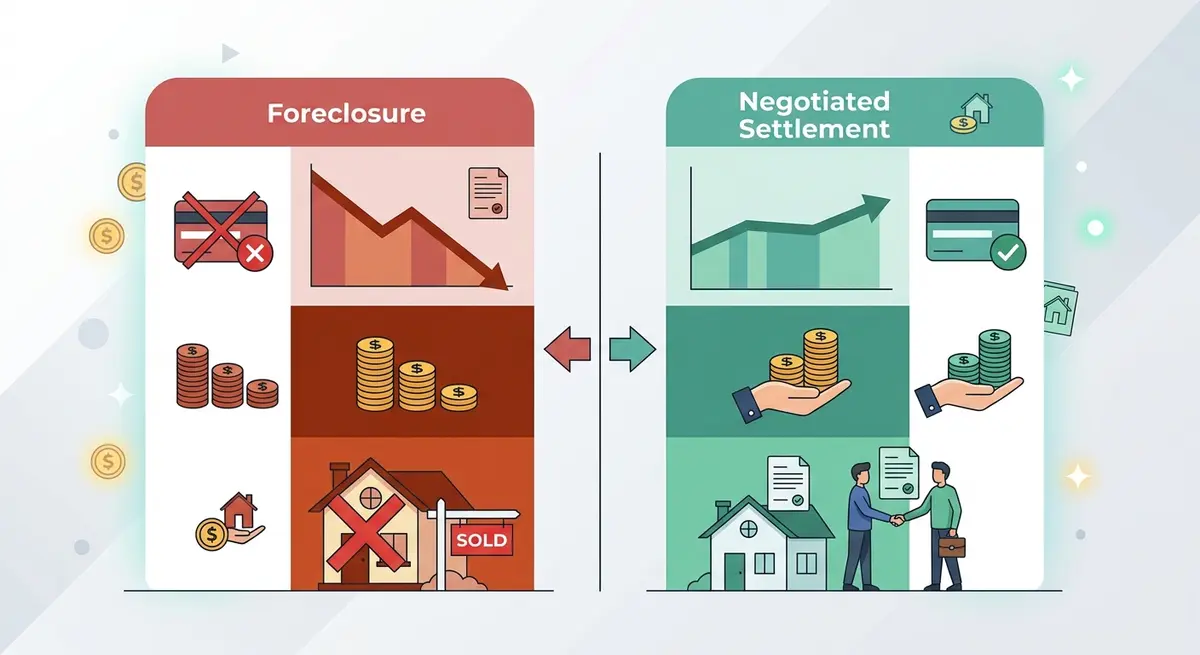
In many cases, the most effective strategy is a hybrid approach. Your lawyer can stall the legal proceedings while you explore cash-out refinancing alternatives or secondary financing options to consolidate the debt and bring the primary mortgage back into good standing.
The Financial Impact of Ignoring Court Documents
The worst action a homeowner can take is inaction. Ignoring court documents does not make the problem disappear; it accelerates the process and strips you of your rights. If you fail to respond, the court will grant a default judgment against you.
Beyond losing the property, the financial ramifications can follow you for years. If the property is sold for less than the total amount owed, the lender may pursue you for the shortfall. Understanding deficiency judgment calculations is crucial, as these judgments allow lenders to seize other assets you own.
Furthermore, a deficiency judgment can lead to the risk of wage garnishment, where the court orders your employer to redirect a portion of your paycheck directly to the lender until the debt is satisfied. Protecting yourself from these severe outcomes requires proactive legal intervention before the final order is granted.
How to Choose the Right Legal Counsel in Alberta
Selecting the right professional to represent your interests is a critical decision. Not all lawyers possess the specific litigation experience required to battle major financial institutions. Follow these steps when evaluating potential representation:
- Verify Specific Experience: Ensure the practitioner dedicates a significant portion of their practice to real estate litigation and debtor defense, rather than general family or corporate law.
- Check Regulatory Standing: Confirm their credentials and disciplinary history through the Law Society of Alberta.
- Assess Communication Protocols: Your counsel should explain complex legal concepts like “Equity of Redemption” and “Lis Pendens” in plain English. If they use overly dense jargon without explanation, they may not be the right fit.
- Discuss Fee Structures Upfront: Transparent billing is essential. Ask for a clear breakdown of hourly rates versus flat-fee services for specific filings like a Statement of Defence.
- Evaluate Their Network: The best legal professionals work closely with alternative mortgage brokers and financial planners to offer comprehensive solutions, not just courtroom defense.
Conclusion
Facing the potential loss of your property is an incredibly stressful experience, but it is not a battle you have to fight alone. The Alberta judicial system provides multiple avenues for defense, negotiation, and resolution, provided you act within the strict statutory timelines. By securing specialized legal representation early in the process, you can halt aggressive lender actions, protect your hard-earned equity, and chart a clear path back to financial stability.
Whether you need to challenge procedural errors in a Statement of Claim, negotiate a forbearance agreement, or secure time to arrange alternative financing, professional guidance is your most valuable asset. Don’t let a temporary financial setback result in the permanent loss of your home. Take control of your situation today. Contact us today to discuss your options and build a robust defense strategy tailored to your unique circumstances.
Frequently Asked Questions
How long does the foreclosure process take in Alberta in 2026?
The timeline varies significantly based on the homeowner’s response. An uncontested action can conclude in as little as 3 to 4 months. However, with proper legal defense and a standard redemption period, the process can be extended to 9 to 12 months, providing ample time to find a financial solution.
Can the bank lock me out of my house immediately after I miss a payment?
No. Alberta law strictly prohibits lenders from seizing property without a court order. You remain the legal owner and have the right to occupy the home until a judge issues a Final Order and grants the lender a Writ of Possession.
What is a Demand for Notice, and should I file one?
A Demand for Notice is a legal document filed when you do not dispute that you owe the money, but you want to be kept informed of all court proceedings. It prevents the lender from obtaining orders behind your back and ensures you have the opportunity to speak to the judge regarding redemption periods.
Will filing for bankruptcy stop the loss of my home?
Filing for bankruptcy or a Consumer Proposal triggers an automatic stay of proceedings, which temporarily halts all legal actions, including property seizure. However, secured creditors (like mortgage lenders) eventually have the right to proceed if the mortgage arrears are not addressed within the insolvency framework.
Can I sell my house while it is under legal action?
Yes, you retain the right to sell your property during the redemption period. In fact, if you have equity in the home, selling it yourself on the open market is often the best way to pay off the mortgage debt and preserve your remaining equity before the court orders a judicial sale.
What happens if the property sells for less than what I owe?
If the court orders a sale and the proceeds do not cover the outstanding mortgage balance, legal fees, and accrued interest, the lender may seek a deficiency judgment against you for the remaining balance. This is why negotiating a settlement or refinancing before a forced sale is critical.