Sometimes, but home equity rarely makes sense for a home EV charger installation alone in Calgary. A charger on its own is usually too small a job to justify mortgage fees. Equity fits a larger electrification plan, such as a service upgrade, a heat pump or a garage rebuild. Start with the load calculation.
More Calgary drivers are switching to electric vehicles. Charging at home is convenient, but it adds a big new load to your electrical system. Some homes handle it easily, while others need major work.
At The Second Mortgage Store, Lance Dawson has spent 22+ years helping Calgary homeowners use equity carefully. We look at the full project, not only the charger. Then we tell you plainly whether a second fits or a cheaper option is better.
This guide covers what the City requires for a charger and how load management can avoid costly upgrades. It shows when equity makes sense. It also covers how to compare options.
Table of Contents
- EV Chargers and Home Equity at a Glance
- What the City Requires for a Home Charger
- Load Calculations and Energy Management Systems
- Townhouses, Rowhouses and Condo Sign-Off
- When a Charger Becomes a Bigger Project
- Cheaper Ways to Pay for a Charger
- When Home Equity Makes Sense
- Frequently Asked Questions
- Talk to a Calgary Broker About Your Electrical Project
EV Chargers and Home Equity at a Glance
A second mortgage is a new loan registered behind your first mortgage. Your first mortgage keeps its rate and term. The lender sizes the new loan to the equity left in your home.
Every second carries fixed costs. Lender fees, brokerage fees, legal and appraisal costs apply regardless of loan size. On a small project, those costs can outweigh the benefit.
That is why a charger alone rarely justifies a second. Equity becomes more sensible when the electrical work is large or bundled with other upgrades. It can also make sense when the charger is part of a wider debt plan.
Not sure whether your charger project is big enough for equity? Send us your electrician’s quote and your first-mortgage statement. We will tell you honestly if a cheaper option fits better.
What the City Requires for a Home Charger
The City of Calgary explains electrical permits for EV chargers and other electrification upgrades on its website. It describes electrification as upgrading a home to use more electrical power. That includes EV charging, heat pumps, air conditioning and battery storage.
The City says electrification requires planning, an electrical permit and professional installation. The work must be done by a registered electrical contractor. An EV charger needs an electrical permit.
Installation must follow the load calculation and the Canadian Electrical Code. The City says only a professional electrician familiar with the requirements can complete it. Inspections are then booked online.
Skipping the permit is a false saving. Unpermitted work can create safety risks. It can also cause trouble with insurance or a future sale.
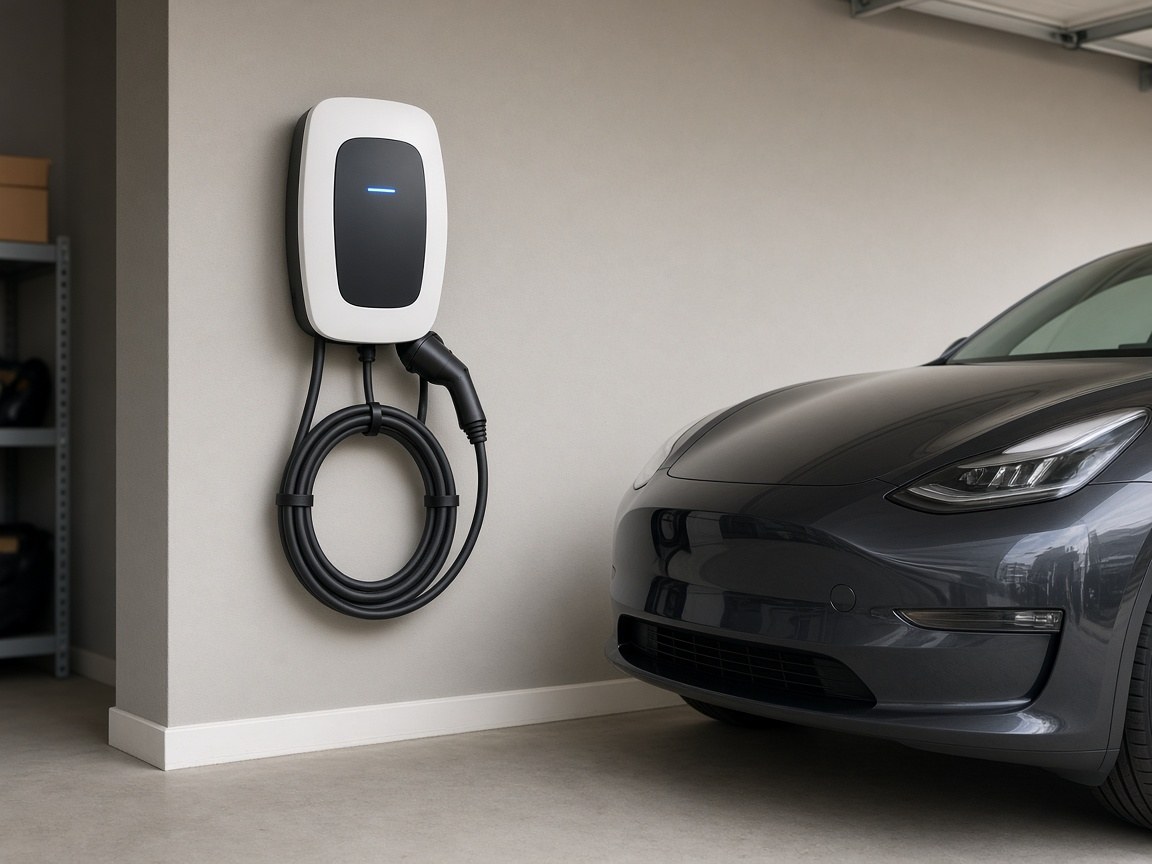
Load Calculations and Energy Management Systems
The first question is capacity. The City says some homes can handle the extra demand. Others may need an electrical service upgrade or an energy management system.
A load calculation answers that question. Your electrician adds up the home’s existing loads and the new charger. The result shows whether the current service can carry it.
If capacity is short, a service upgrade is one path. That can be costly and may involve the utility. It can also take time to schedule.
Your electrician may also check the charger’s own settings. Many chargers can run at a lower power level. Slower charging overnight is often enough for daily driving.
The City notes a potential option to avoid a costly service upgrade. An energy management system can control loads by connecting, disconnecting, increasing or reducing power. For home charging, the City mentions electric vehicle energy management systems as an option.
Ask your electrician to price both paths. An energy management system may keep the project small. A small project may not need home equity at all.
Townhouses, Rowhouses and Condo Sign-Off
Shared electrical services add steps. The City says homes that share services may need upgrades or an energy management system. Rowhouses with gang meter bases have extra requirements.
For those rowhouses, the City requires an authorization form. It must be signed by the condo board or homeowner association. It confirms the electrician completed a load calculation.
Talk to your board early. Approval can take time, and the board may have its own rules. Parking and charger location may also need approval.
Shared parking garages bring their own questions. Who pays for the power, and how is it metered? Get those answers in writing before you buy equipment.
A second mortgage on a condo or townhouse follows the same equity rules. Condo fees and any special assessments also count in the lender’s review.
Want to see whether your electrical plan needs financing at all? Lance Dawson brings 22+ years of experience to renovation files. We will review the numbers with you before anyone orders an appraisal.
When a Charger Becomes a Bigger Project
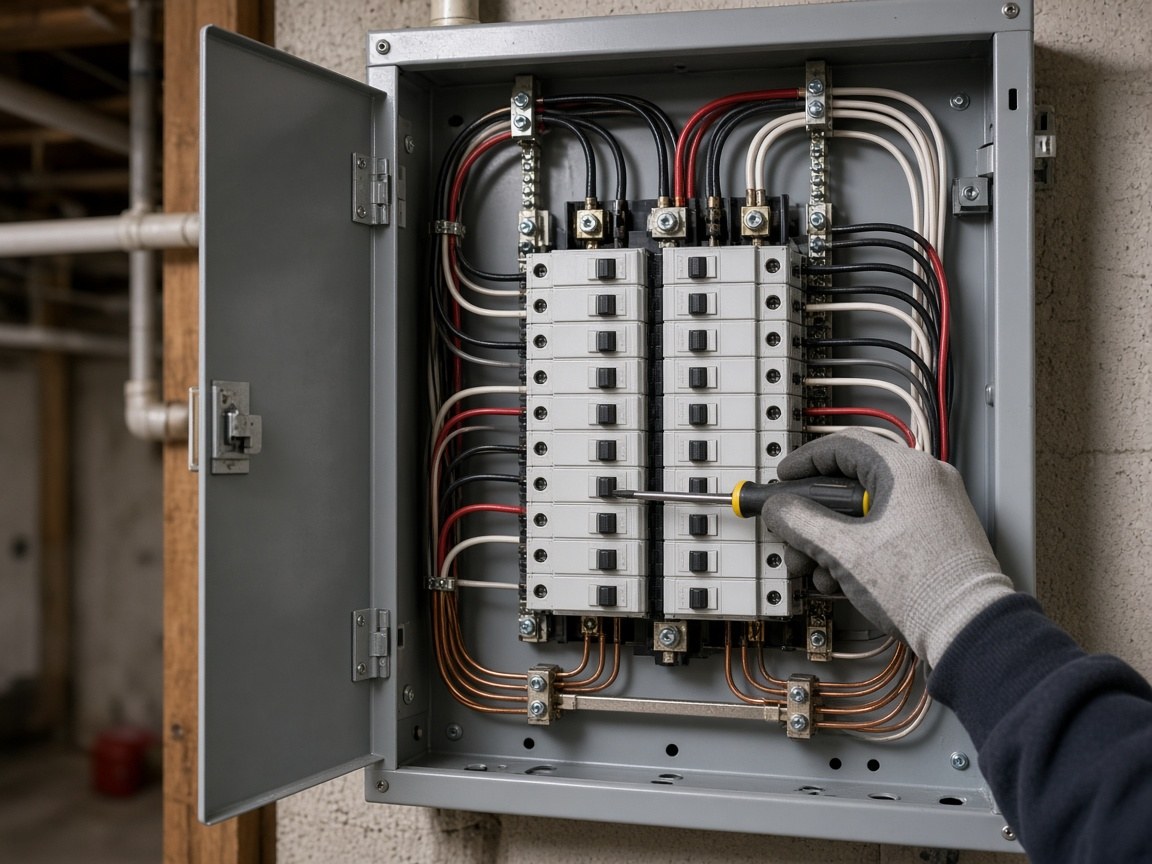
Sometimes the charger reveals a larger need. An older panel may be undersized or outdated. The service may need an upgrade to support modern loads.
Many owners add other electric equipment at the same time. A heat pump, air conditioning or a heat pump water heater may be on the list. The City notes some of these need extra permits.
Garage work can add more. A detached garage may need new wiring run from the house. Trenching and a sub-panel add cost.
When the full list grows, the budget grows too. That is when home equity may start to make sense. A single loan can cover the whole plan.
Get a full written quote that lists every part of the job and each permit. Compare what each electrician includes. A clear scope prevents surprise costs later.
Cheaper Ways to Pay for a Charger
Savings are the simplest option for a charger alone. There is no interest and no fees. Many owners plan for it when buying the vehicle.
Some vehicle dealers or charger sellers offer bundles or financing. Monthly payment plans may be available through some installers. Compare their full cost and read the terms.
A low-rate credit card or personal line may also work for a small job. Pay it down quickly to limit interest. Avoid carrying the balance for long.
Think about timing as well. If your vehicle arrives months from now, you can save toward the charger first. A few months of planning can avoid any borrowing.
Check for utility or government programs. Programs change from time to time, so confirm current terms directly. Some may lower the cost of chargers or load management.
When Home Equity Makes Sense
Equity fits when the project is large enough to justify the fees. A full electrification plan with a service upgrade may qualify. So may a charger bundled with a garage rebuild.
It may also fit when you are consolidating other debt. Rolling high-interest balances and the electrical work into one loan can simplify payments. Compare total costs carefully before you decide.
Consolidation only works if the old balances stay paid off. Close or limit cards you no longer need. Otherwise the debt can return on top of the new loan.
Expect a lender to ask for your land title, first-mortgage statement and a recent property tax notice. An appraisal will confirm the value. Bank lenders want documented income and good credit. Private lenders lean more on equity and may help when a bank will not, at a higher cost.
Credit history matters for both. High card balances or recent missed payments can affect the file. Pull your credit report early so nothing surprises you.
The cost of a second is more than its rate. Ask for the lender fee, brokerage fee, legal and appraisal costs up front. A low rate with a large fee can cost more on a short term.
Private seconds often run on short terms. Know your exit before you sign. You might refinance into your first mortgage at renewal.
Talk with anyone else on your home’s title before you apply. A spouse or co-owner must sign. They share the risk, so the plan should make sense to them too.
Frequently Asked Questions
Do I need a permit to install an EV charger in Calgary?
Yes, the City says an EV charger needs an electrical permit. The work must be done by a registered electrical contractor. Inspections are booked after installation.
Can you pay monthly for an EV charger installation?
Some installers or sellers may offer payment plans. Compare their full cost with savings or a low-rate line. Read the terms carefully before you sign.
Can I get a loan for a home EV charger?
Yes, but a small loan or savings usually fits a charger alone. Home equity makes more sense for larger electrical projects. Mortgage fees can outweigh the benefit on small jobs.
Will I need a panel upgrade for an EV charger?
Not always, because a load calculation decides that. An energy management system may avoid a costly service upgrade. Ask your electrician to price both paths.
Talk to a Calgary Broker About Your Electrical Project
Home equity can help with a Calgary EV charger when it is part of a bigger electrical plan. Get a load calculation, price an energy management system and check cheaper options first. Then compare full costs.
See when a home equity loan in Calgary makes sense for larger electrification work before you decide. Lance Dawson (BA adv., MA) brings 22+ years of experience to every file. We cannot guarantee an approval, and we show the full cost before you commit.
If your electrical project keeps growing, talk to us first. We will look at your equity and your quote and tell you plainly what fits.