Yes, a second mortgage can pay for a geothermal heating system in Calgary when the home has enough equity. The payback also has to make sense. Geothermal, or ground-source, systems cost a lot up front, mostly for the underground loop. Savings arrive slowly, so a second suits owners who plan to stay put and can carry the payments meanwhile.
Calgary winters make heating a serious household cost. A geothermal system draws heat from the ground, which stays steadier than winter air. That can lower heating bills and add summer cooling.
At The Second Mortgage Store, Lance Dawson has spent 22+ years helping Calgary homeowners use equity carefully. We look at your equity, the quote and how long you plan to stay. Then we tell you plainly whether a second fits.
This guide covers how geothermal works, why it costs so much up front and how to judge the payback. It also covers how lenders view the project.
Table of Contents
- Geothermal and Home Equity at a Glance
- How a Ground-Source System Works
- Why the Up-Front Cost Is So High
- Judging the Payback Honestly
- Site, Lot and Contractor Questions
- How Lenders View a Geothermal Project
- Comparing Other Ways to Pay
- Frequently Asked Questions
- Talk to a Calgary Broker About Geothermal
Geothermal and Home Equity at a Glance
A second mortgage is a new loan registered behind your first mortgage. Your first mortgage keeps its rate and term. The lender sizes the new loan to the equity left in your home.
The money usually arrives as a lump sum. That suits geothermal, where drilling or trenching comes first. The contractor may want a large deposit before work begins.
Geothermal is a long-term investment. Savings on heating build slowly, while loan payments start right away. If you might sell within a few years, the numbers may not work. Borrow only what your household can carry before the savings show up.
Weighing a geothermal quote? Send us your first-mortgage statement and the contractor’s estimate. We will tell you what your equity could support.
How a Ground-Source System Works
Natural Resources Canada explains how ground-source heat pumps heat and cool a home on its website. The system has a ground heat exchanger and a heat pump inside the home. The ground acts as a heat source in winter and a heat sink in summer.
NRCan describes closed-loop and open-loop designs. Closed loops circulate fluid through buried piping. Open loops draw heat from groundwater through a well.
NRCan notes that Canadian air can get extremely cold. Ground-source systems work more efficiently because ground temperatures are warmer and more stable. That is the core of their appeal in a city like Calgary.
The choice of loop depends on climate, soil, available land and local costs. Municipal and provincial rules also matter. Your contractor will design the system for your lot.
Most systems also need a backup heat source for the coldest days. Ask how your design handles a deep cold snap. That answer affects both comfort and running costs.
Why the Up-Front Cost Is So High
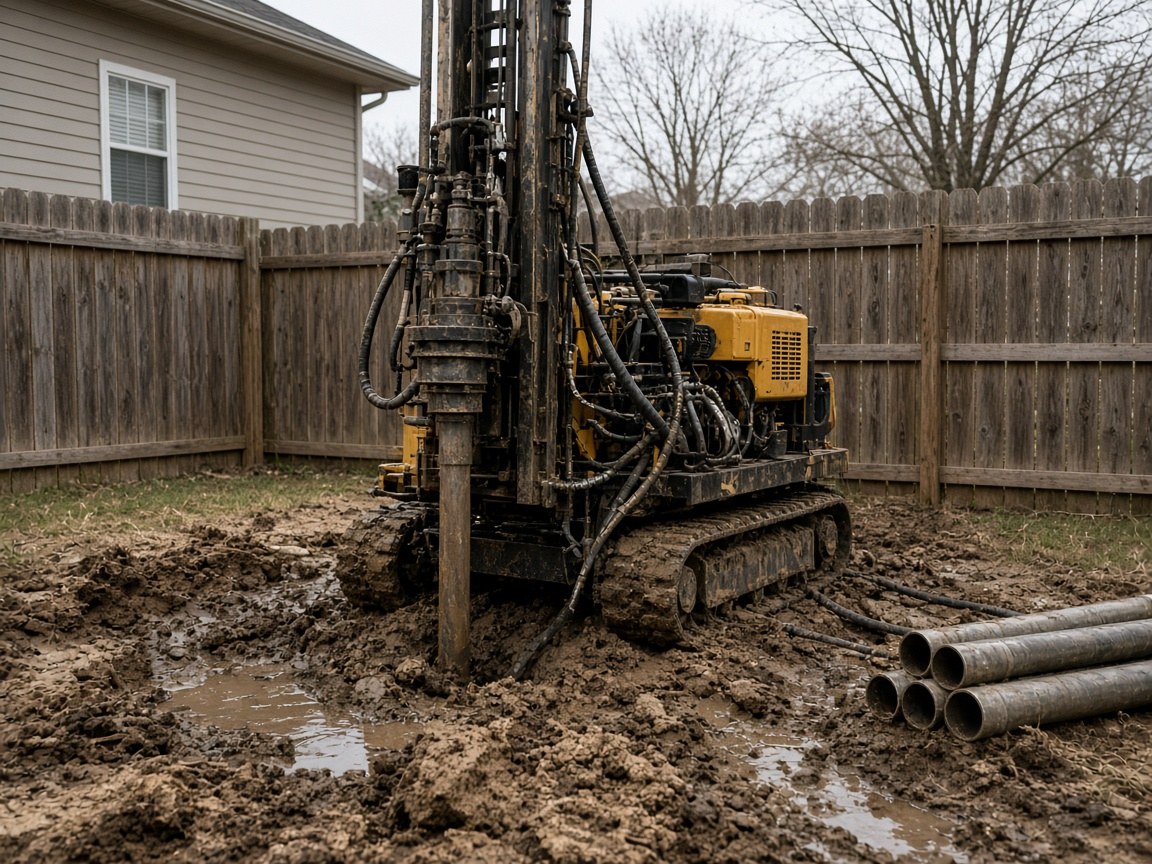
The underground loop drives most of the cost. Drilling vertical boreholes or trenching horizontal loops takes heavy equipment. Site conditions can change the price a lot.
NRCan says total installed cost varies with site conditions. It also varies with the type of ground collector and the equipment chosen. No online number can replace a site visit.
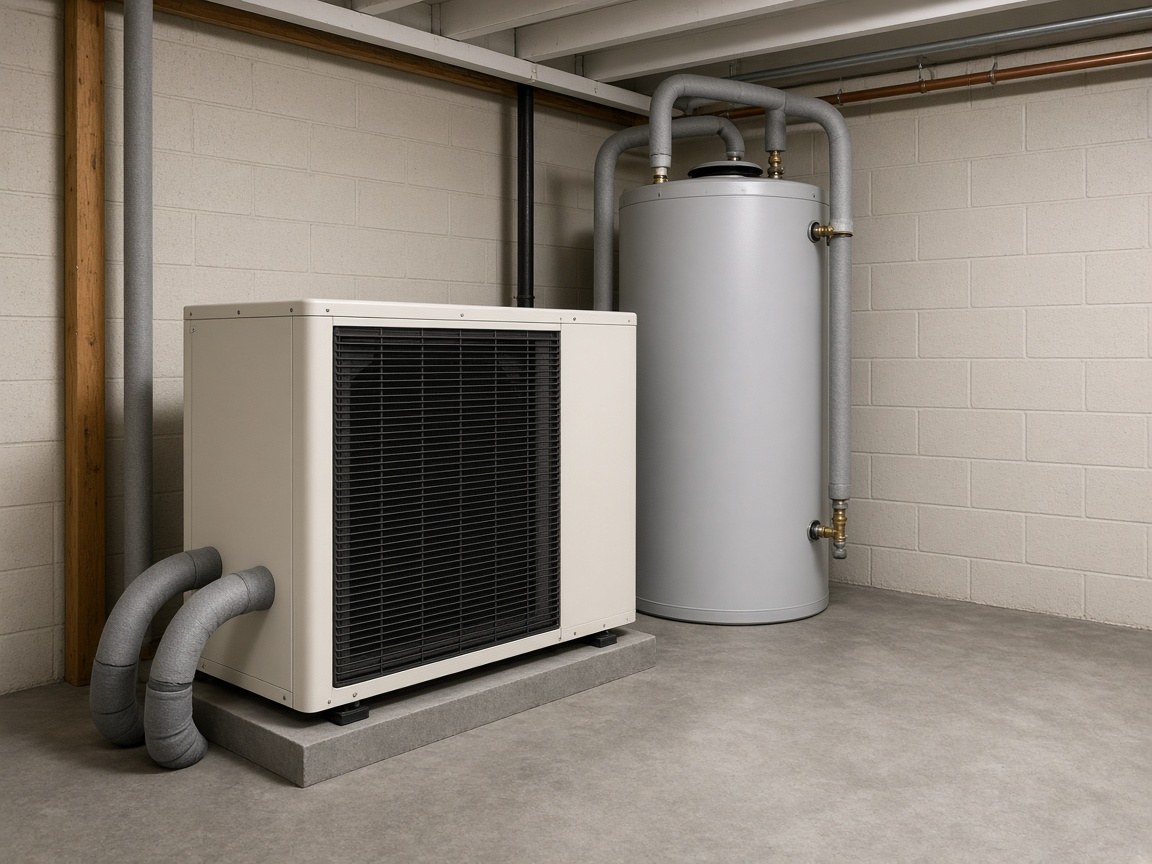
Inside the home, more work may follow. Ductwork or hydronic piping may need changes. The electrical service may need an upgrade as well.
Landscaping is another cost. Drilling or trenching disturbs the yard. Restoring lawns, fences or patios adds to the bill.
Your existing furnace or boiler may still have years of life. Replacing working equipment early adds to the cost of the switch. Some owners time the change for when the old system fails.
Get several detailed quotes. Compare what each includes, from design to yard repair. A clear scope prevents surprise costs later.
Judging the Payback Honestly
NRCan says the extra cost can be recovered through energy savings over time. It also says payback depends on soil conditions, heating loads and other factors. Each home is different.
Ask your contractor for a written estimate of annual savings. Ask how it was calculated and what energy prices it assumes. Compare that estimate with your actual heating bills.
Remember that a heat pump runs on electricity. Your power bill may rise even as gas use falls. Ask the contractor to show both sides of that trade.
Then compare savings with the full loan cost, including fees. If loan payments exceed the savings for years, you are paying extra for comfort and lower emissions. That may still be worth it, but know it going in.
Think about how long you will stay. Payback happens over many years, not months. A buyer may or may not pay more for a geothermal home.
Comfort counts too. Many owners like steady heat and built-in cooling. Just keep that value separate from the financial payback when you decide.
Want to test your geothermal budget against your equity? Lance Dawson brings 22+ years of experience to renovation files. We will review the numbers with you before anyone orders an appraisal.
Site, Lot and Contractor Questions
Not every lot suits every loop. Small city lots may need vertical boreholes instead of horizontal trenches. Access for drilling equipment matters too.
Ask about utility lines and neighbours before work starts. Buried services must be located before digging. Drilling near property lines needs care.
Choose an experienced, qualified contractor with local references. NRCan points homeowners to established installation standards. Ask each contractor which standards they follow.
Ask to see systems they installed in Calgary homes like yours. Talk to those owners about bills and service. Real results tell you more than a brochure.
Ask about permits and inspections. Electrical and mechanical work in Calgary usually needs permits. Your contractor should explain who pulls them.
Ask about warranties on the heat pump and the loop. Get them in writing. Know what is covered and for how long.
Ask about maintenance too. Heat pumps need regular service by a qualified technician. Build that cost into your yearly budget.
How Lenders View a Geothermal Project
The home comes first. Expect a lender to ask for your land title, first-mortgage statement and a recent property tax notice. An appraisal will confirm the value.
Lenders lend on today’s value. A geothermal system may not raise an appraisal by its full cost. Plan the loan on current equity, not hoped-for value.
Some lenders ask how the funds will be used. A detailed quote answers that question cleanly. It also shows the project is real and priced.
Income and credit matter too. Bank lenders want documented income and good credit. Private lenders lean more on equity and may help when a bank will not, at a higher cost.
Bring the contractor’s quote and the savings estimate. A clear project plan gives a lender confidence. It also helps the file move faster.
Credit history matters for both bank and private lenders. High card balances or recent missed payments can affect the file. Pull your credit report early so nothing surprises you.
Talk with anyone else on your home’s title before you apply. A spouse or co-owner must sign. They share the risk, so the plan should make sense to them too.
Comparing Other Ways to Pay
Government or utility programs may help with energy upgrades from time to time. Check what is currently offered before you sign a contract. Programs change, so confirm terms directly.
A home equity line of credit lets you draw funds as needed. That can suit staged work. Banks usually want stronger income for a line.
Some contractors offer financing. Compare its full cost with a second. Read the terms carefully before you sign.
The cost of a second is more than its rate. Ask for the lender fee, brokerage fee, legal and appraisal costs up front. A low rate with a large fee can cost more on a short term.
Private seconds often run on short terms. Know your exit before you sign. You might refinance into your first mortgage at renewal.
Ask about prepayment terms too. A program rebate or a bonus may let you pay the loan down early. Some lenders charge for that, so read the terms first.
Frequently Asked Questions
How do I finance geothermal energy for my home?
Options include savings, a home equity line, contractor financing or a second mortgage. Check current government or utility programs too. Compare the full cost of each before you choose.
Is geothermal worth it in Calgary?
It can be, because ground temperatures are steadier than winter air. Payback depends on your site, heating load and how long you stay. Get written savings estimates first.
Why is geothermal so expensive to install?
Most of the cost is the underground loop, which needs drilling or trenching. Indoor changes and yard repair add more. Site conditions can change the price a lot.
Will a geothermal system raise my home’s value?
It may appeal to some buyers, but that is never guaranteed. Lenders lend on today’s value. Plan the loan on your current equity.
Talk to a Calgary Broker About Geothermal
A second mortgage can pay for a Calgary geothermal system when the payback and your plans line up. Get several quotes, test the savings estimate and plan to stay long enough. Then compare full costs.
Read what a second mortgage in Canada is and how it sits behind your first before you decide. Lance Dawson (BA adv., MA) brings 22+ years of experience to every file. We cannot guarantee an approval, and we show the full cost before you commit.
If geothermal is on your list, talk to us first. We will look at your equity and your quote and tell you plainly what fits.