When a property is flagged as a former cannabis production site, traditional lenders typically freeze access to financing, leaving homeowners with an unlivable asset and a massive cleanup bill. However, homeowners can successfully fund the extensive environmental and structural repairs required to rehabilitate a former grow operation by leveraging their existing property equity through private alternative lending. By using an equity-based loan, property owners bypass the strict condition requirements of major banks, access capital quickly, and deploy professional environmental abatement teams to satisfy municipal health orders and restore the home’s market value.
Key Takeaways
- Traditional Bank Hesitation: Major financial institutions and the CMHC typically refuse to finance properties with active Alberta Health Services (AHS) health orders or un-remediated grow op histories.
- Equity-Based Solutions: Private alternative lending focuses on the remaining equity (Loan-to-Value) rather than the property’s immediate livability, providing crucial bridge capital for cleanup.
- High Remediation Costs: Professional abatement in 2026 ranges from $30,000 to over $120,000, encompassing mold removal, electrical rewiring, and HVAC replacement.
- Value Restoration: Successfully clearing a municipal health order and obtaining an air clearance certificate can restore up to 90% of the property’s pre-stigma market value.
- Structured Timelines: Accessing home equity generally takes 5 to 10 business days, allowing rapid deployment of specialized environmental contractors.
The Hidden Costs of Rehabilitating an Indoor Agricultural Site in 2026
Discovering that a property has been used as an unregulated indoor agricultural facility brings immediate legal and financial consequences. The high humidity, unregulated chemical fertilizers, and complex electrical bypasses required for these operations severely compromise residential structures. In Calgary, the extreme temperature variations between winter and summer exacerbate internal moisture problems, leading to rapid proliferation of toxic black mold (Stachybotrys chartarum) inside drywall and floor joists.
According to reports from Statistics Canada, properties requiring environmental remediation face an average depreciation of 15% to 25% if left unaddressed. The true cost of rehabilitation goes far beyond simple cosmetic repairs. Homeowners are often legally mandated to address these issues before the property can be legally occupied or sold.
As Dr. Emily Stanton, an environmental hazard specialist, notes: “The visible mold in a former cannabis operation is just the tip of the iceberg. The real danger lies in the compromised structural integrity caused by high-humidity rot and the severe fire risks from amateur electrical tampering within the walls.”
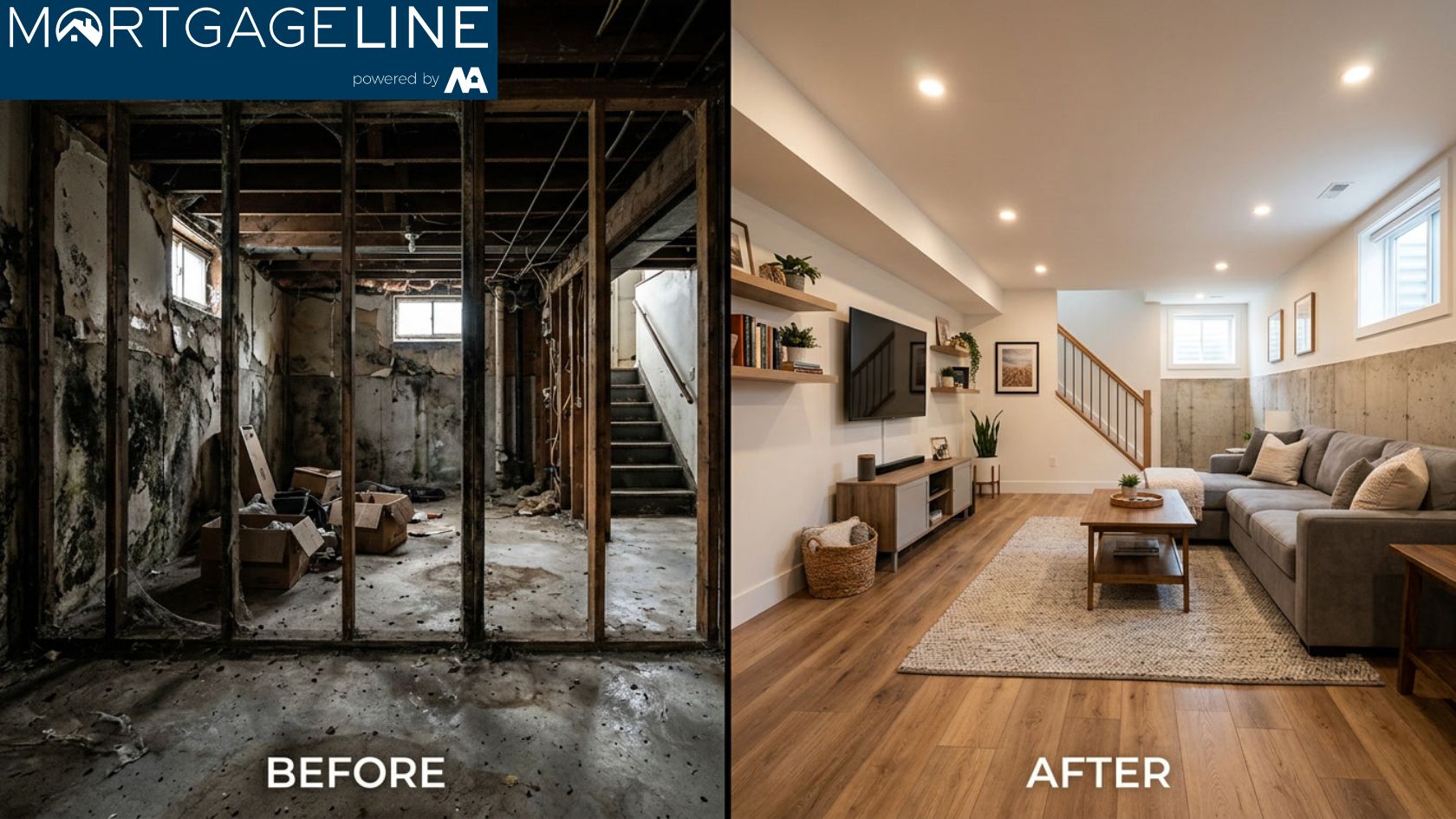
Breaking Down the Abatement Expenses
To accurately plan a financial strategy, homeowners must understand the technical requirements of the cleanup. The typical remediation phases include:
- Phase 1 and 2 Environmental Site Assessments (ESA): Mandatory testing by certified industrial hygienists to identify spore counts, chemical residues, and structural deficits. This can cost between $3,000 and $7,500.
- Biological Hazard Removal: Extensive tear-downs of contaminated drywall, insulation, and sometimes load-bearing joist sistering. Costs frequently exceed $40,000.
- Electrical and HVAC Overhauls: Illegal operations often bypass municipal power grids. Completely rewiring the home to modern 2026 safety standards and installing new ductwork can run an additional $20,000 to $35,000.
With these compounding expenses, securing adequate capital becomes the primary hurdle for property revitalization. This is where financing stigmatized properties through alternative lenders becomes an indispensable strategy.
Why Traditional Lenders Reject Stigmatized Properties
If you approach a major Canadian bank for a home equity line of credit (HELOC) or a refinance to pay for these repairs, you will almost certainly face rejection. The Canada Mortgage and Housing Corporation (CMHC) maintains strict guidelines regarding property conditions. Once a municipal health order or an AHS Executive Officer Order is registered against the title, standard lenders view the asset as uninsurable and unmarketable.
Traditional banks evaluate risk based on the immediate liquidity of the asset. A home that cannot be legally occupied cannot be quickly sold in a foreclosure scenario. Consequently, major financial institutions will freeze existing credit lines and refuse to advance new funds, leaving owners trapped in a financial catch-22: they need money to fix the home, but cannot borrow money because the home is broken.
How Alternative Equity Lending Bridges the Gap
Alternative lenders, particularly those specializing in private equity, use a different risk assessment model. Instead of relying on the borrower’s credit score or the immediate habitability of the home, they focus on the Loan-to-Value (LTV) ratio. If the property retains sufficient land value and underlying equity, a private lender will advance funds based on the “as-is” or projected “as-improved” valuation.
Understanding the pros and cons of utilizing equity loans is vital. While the interest rates are higher than standard bank mortgages, these loans act as short-term bridge financing. The goal is to borrow the necessary capital for 12 to 24 months, complete the municipal cleanup requirements, and then refinance back with an A-lender once the property’s clean bill of health is restored.
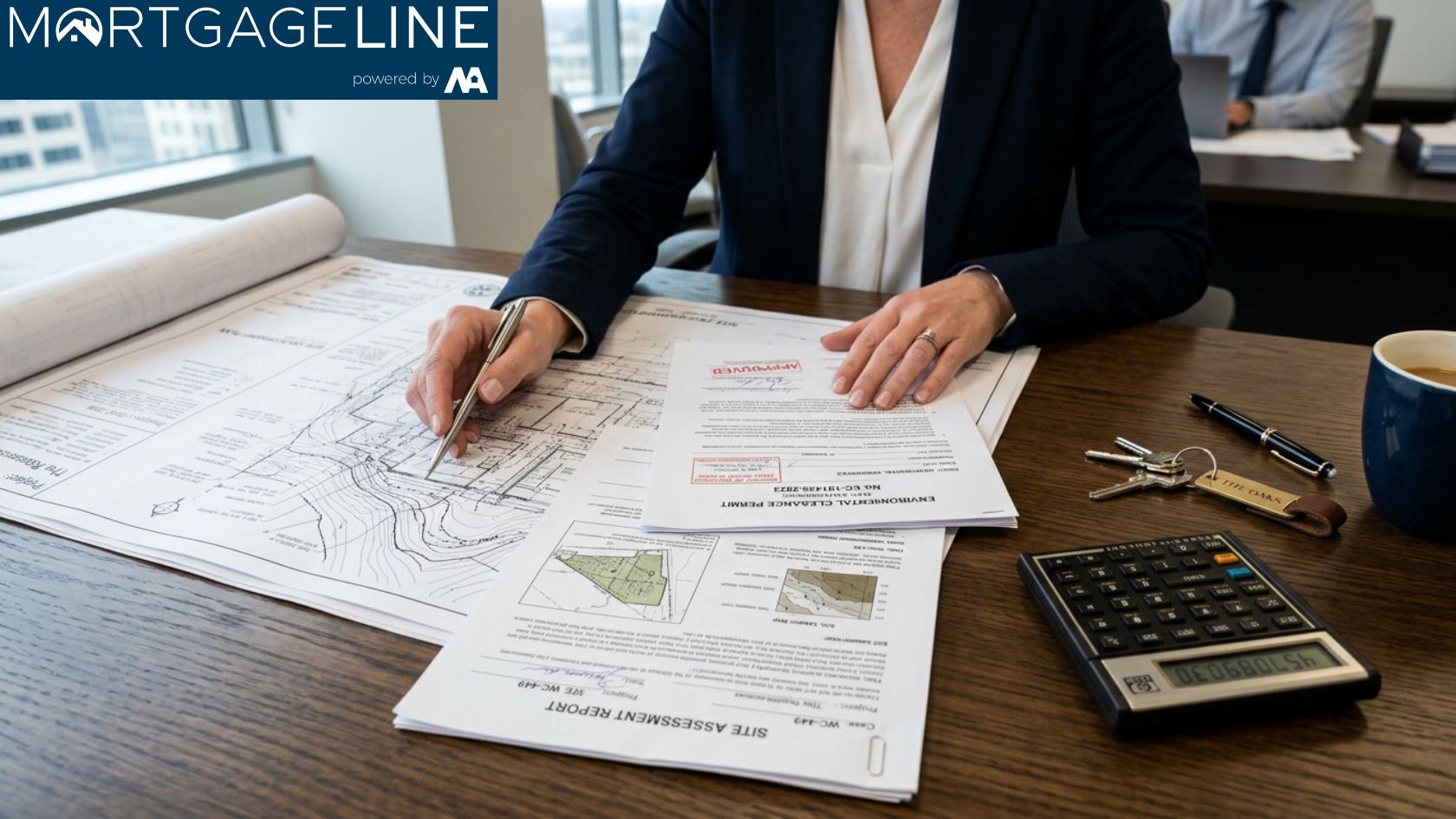
Calculating Your Usable Equity in Calgary
In the current 2026 Calgary real estate market, private lenders typically offer up to 70% or 75% LTV on stigmatized properties. Here is a simplified calculation of how this works in practice:
- Current “As-Is” Property Value: $500,000 (discounted due to damage)
- Maximum Allowable LTV (75%): $375,000
- Existing Primary Mortgage: $250,000
- Available Equity for Remediation: $125,000
This $125,000 injection allows the homeowner to hire licensed professionals, pull municipal permits, and execute the abatement efficiently. Speed is critical, which is why many borrowers want to know the exact timeline for approval. Unlike banks that take weeks, private lenders can often issue commitments within 48 hours.
Step-by-Step Remediation Process Using Financed Capital
Navigating the rehabilitation of a former illegal agricultural site requires strict adherence to regulatory protocols. Missing a step can result in wasted funds and continued municipal restrictions.
Step 1: Obtain a Comprehensive Environmental Assessment
Before applying for financing, commission a Phase 1 and Phase 2 Environmental Site Assessment. The City of Calgary requires a detailed scope of work drafted by an independent, certified industrial hygienist. This report serves as your blueprint for cleanup and provides the lender with an accurate cost estimate, proving that your requested loan amount is sufficient to finish the job.
Step 2: Secure the Bridge Financing
Work with an specialized mortgage broker to arrange the private loan. Because these loans carry complex terms, securing independent legal counsel in Alberta is heavily recommended to ensure you understand the fee structures, renewal terms, and exit strategies.
Step 3: Professional Abatement and Structural Repair
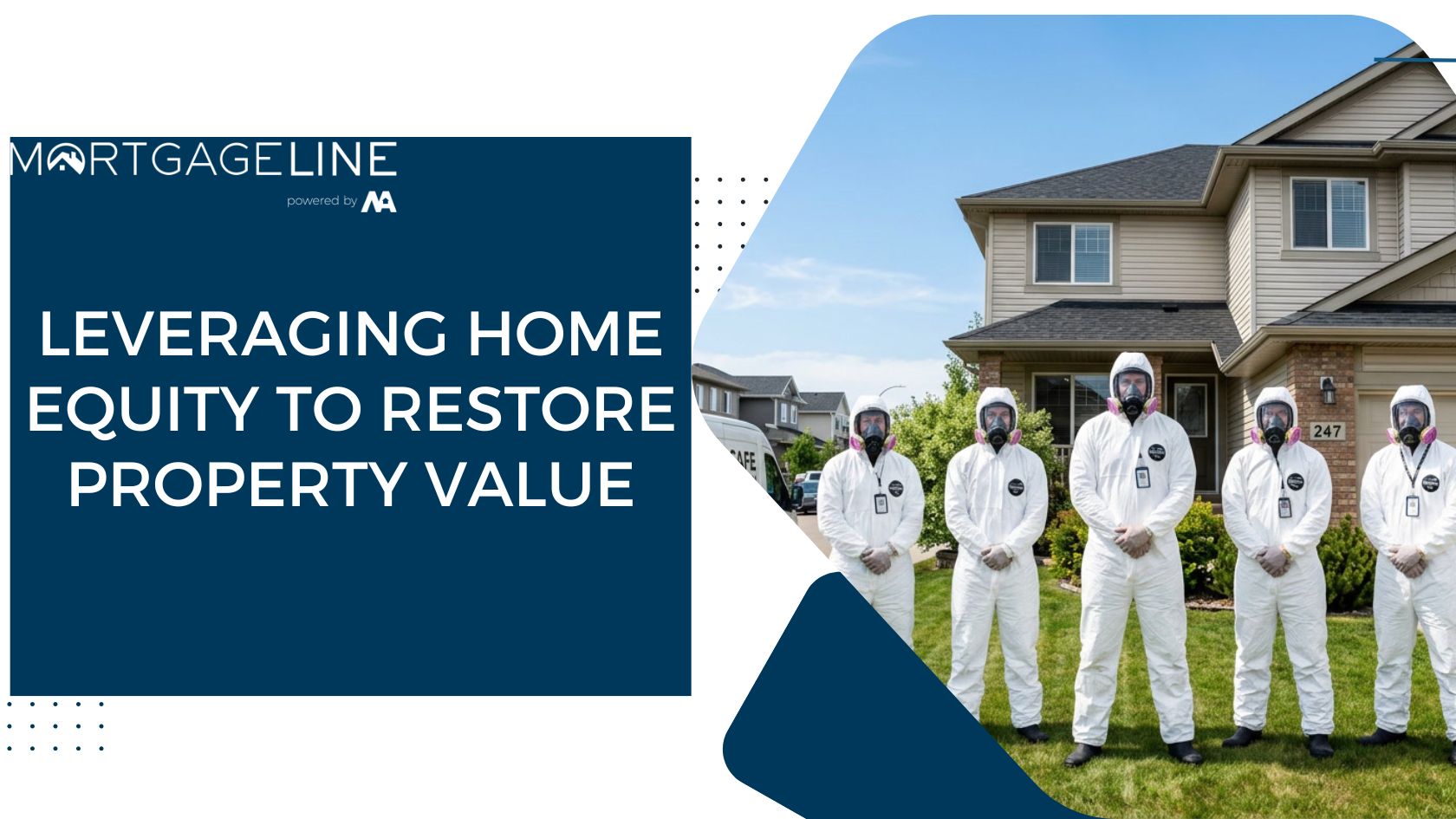
With funds deposited, hire contractors explicitly licensed in hazardous materials abatement. They will implement negative air pressure systems (HEPA air scrubbing) to prevent spore migration, strip the home to the studs where necessary, and apply antimicrobial sealants. Simultaneously, licensed electricians must remove all unauthorized bypasses and reinstall compliant panels.
Step 4: Post-Remediation Clearance Testing
Once the work is complete, the independent hygienist returns to perform air sampling and surface testing. If the spore counts inside are equal to or lower than the natural outdoor environment, they issue an Environmental Clearance Certificate.
Step 5: Lifting the Municipal Order
Submit the clearance certificate, alongside closed electrical and building permits, to Alberta Health Services. An AHS inspector will review the file and physically inspect the property. Upon satisfaction, they will rescind the Executive Officer Order, legally allowing the property to be inhabited or sold.
Comparing Lending Solutions for Stigmatized Properties
To highlight why alternative equity financing is the preferred route for severe property damage, review the comparison table below:
| Lender Feature | Traditional Banks (A-Lenders) | Private Equity Lenders |
|---|---|---|
| Property Condition Requirement | Must be fully habitable and marketable | Accepts “As-Is” damaged or gutted state |
| AHS Health Orders | Automatic rejection of application | Accepted (funds used specifically to lift order) |
| Approval Timeline | 3 to 6 weeks | 5 to 10 business days |
| Interest Rates | Standard prime rates (lower) | Premium alternative rates (higher) |
| Primary Focus | Borrower income and credit score | Remaining equity in the real estate |
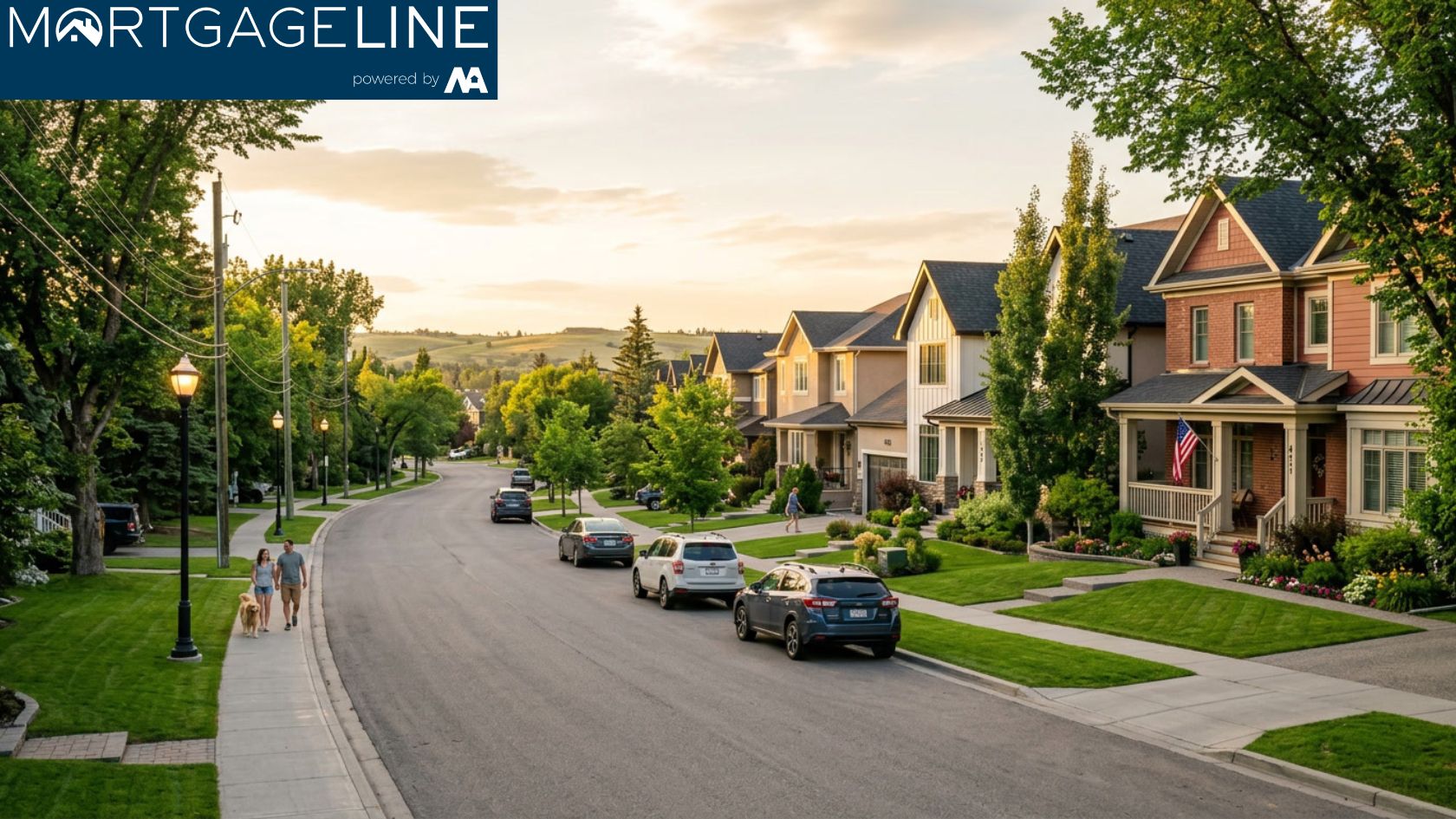
Restoring Market Value and Managing Stigma
A major concern for homeowners is whether the massive investment in cleanup will yield a positive Return on Investment (ROI). The real estate market traditionally heavily discounts former agricultural operation homes due to the “stigma” associated with them. Buyers worry about lingering health hazards or uninsurability.
However, by executing a rigorous, fully documented abatement process, homeowners can recover a vast majority of the lost equity. A property that has been professionally stripped, re-wired, tested, and modernized often sells at only a 5% to 10% discount compared to non-stigmatized comparable homes in the neighborhood, rather than the crippling 25% to 40% discount seen on un-remediated homes.
Investors utilizing bridge financing for property rehabilitation regularly buy distressed former operations at wholesale prices, use private capital to remediate them, and subsequently sell them for a significant profit once the AHS orders are cleared.
Navigating Legal and Regulatory Codes in Alberta
Regulatory compliance is non-negotiable. Alberta Health Services enforces the Public Health Act aggressively. When an Executive Officer issues an order declaring a home unfit for human habitation, entering the property without authorization can result in severe fines.
Furthermore, all trades involved in the reconstruction must pull the correct municipal permits. The city will require an electrical inspection to verify that the main service lines, which are often dangerously bypassed to avoid high utility bills and detection, have been safely restored. Before beginning any work, property owners must understand the fiscal implications of funding these projects, ensuring they track all GST and contractor invoices carefully for later appraisal verifications.
Common Pitfalls to Avoid
When dealing with high-stress property remediation, homeowners occasionally make costly errors. Avoiding these pitfalls is critical to protecting your newly acquired financing:
- DIY Demolition: Attempting to remove moldy drywall without proper containment spreads toxic spores throughout the HVAC system, contaminating previously clean areas and driving up final abatement costs.
- Using Unlicensed Contractors: Hiring general handymen instead of certified industrial hygienists guarantees failure during the final AHS inspection. AHS requires specific, documented protocols that standard contractors do not follow.
- Falling for Predatory Lending: Desperation can lead borrowers to unscrupulous private lenders. It is imperative to know how to spot unregulated lending traps. Always use a licensed brokerage and insist on independent legal representation before signing loan commitments.
Frequently Asked Questions
Can I get a conventional bank mortgage on a former grow op?
Generally, no. Major banks and mortgage insurers (like CMHC) have strict policies against financing properties with a history of unregulated agricultural production, especially if there is an active health order on the title. You will almost certainly need alternative or private financing until the property is fully rehabilitated and cleared.
How long does the environmental remediation process take?
The timeline varies based on the extent of the damage, but typically ranges from 4 to 12 weeks. This includes the initial environmental assessment, securing permits, completing the physical abatement, and receiving final laboratory clearances from industrial hygienists.
Do I have to disclose the home’s history when I sell it?
Yes. Under Alberta real estate regulations, sellers and their real estate agents are legally obligated to disclose material latent defects, which includes a property’s history as a former cannabis operation, even after successful remediation and the removal of health orders.
Will my home insurance cover the damage?
In the vast majority of cases, standard home insurance policies contain specific exclusions for damages caused by illegal activities or unregulated indoor agricultural operations. Homeowners are typically forced to pay for remediation out of pocket or through home equity loans.
How do alternative lenders disburse the funds for repairs?
Private lenders may structure the loan in holdbacks or advances. They provide an initial lump sum to begin the environmental tear-down, and then release subsequent tranches of capital as specific construction milestones and municipal inspections are passed.
Does removing the AHS order immediately restore property value?
Removing the AHS Executive Officer Order allows the home to be legally occupied and makes it eligible for standard financing again. While this vastly increases the property’s marketability and value, a slight stigma discount of 5% to 10% may persist in the minds of future buyers.
Conclusion
Dealing with the aftermath of a damaged, stigmatized property can feel overwhelming, especially when traditional financial institutions shut their doors. However, by strategically utilizing private home equity financing, Calgary homeowners can access the vital bridge capital needed to execute proper environmental abatement. Following strict municipal guidelines, deploying licensed professionals, and clearing AHS health orders will ultimately resurrect the property’s safety and restore its market value.
If you are facing a municipal health order and need immediate capital to begin rehabilitation, expert guidance is just a click away. Contact us today to discuss your specific property situation and explore your specialized equity lending options.
References
- Statistics Canada. (2026). Impact of Stigmatized Properties on Canadian Real Estate Valuations. Retrieved from https://www.statcan.gc.ca
- Canada Mortgage and Housing Corporation (CMHC). (2026). Insurability Guidelines for Former Indoor Agricultural Sites. Retrieved from https://www.cmhc-schl.gc.ca
- Alberta Health Services (AHS). (2026). Minimum Housing and Health Standards: Executive Officer Orders. Retrieved from https://www.albertahealthservices.ca
- City of Calgary. (2026). Building Codes and Remediation Permitting Requirements. Retrieved from https://www.calgary.ca