Calgary homeowners can finance basement waterproofing by securing a second mortgage against their existing home equity, allowing them to access a lump sum of capital up to an 80% Loan-to-Value (LTV) ratio. This financing method provides immediate funds to cover extensive exterior excavations, interior weeping tile installations, and foundation repairs without forcing the homeowner to break the favorable interest rate on their primary mortgage.
Key Takeaways
- Equity Access: Homeowners can borrow up to 80% of their property’s appraised value minus the outstanding primary mortgage balance.
- Rate Preservation: Subordinate financing allows you to keep your existing first mortgage intact, avoiding costly prepayment penalties.
- High-ROI Repairs: Comprehensive waterproofing protects property value and prevents catastrophic flood damage, which averages over $43,000 per incident.
- Flexible Qualifications: Alternative lenders focus heavily on available equity rather than strict credit scores or traditional income metrics.
- Comprehensive Coverage: Funds can be used for interior sealants, sump pump installations, and full exterior elastomeric membrane applications.
The Financial Impact of Basement Water Intrusion in Calgary
Protecting a residential property from water damage is a critical component of maintaining its structural integrity and market value. In Southern Alberta, the unique climate poses specific challenges for residential foundations. Calgary experiences an average of 115 days of freeze-thaw cycles annually. This rapid fluctuation in temperature causes the soil surrounding foundations to expand and contract aggressively, leading to concrete cracking and severe hydrostatic pressure against basement walls.
When hydrostatic pressure forces water through foundational cracks, the resulting damage can be financially devastating. The Insurance Bureau of Canada (IBC) states that water damage is the leading cause of home insurance claims nationwide, underscoring the financial necessity of preventative waterproofing. According to their data, the average cost of repairing a flooded basement exceeds $43,000. For homeowners facing these risks, financing foundation repairs before catastrophic failure occurs is a sound economic strategy.
Many homeowners lack the liquid savings required to fund comprehensive preventative measures. As a result, leveraging existing property wealth has become the standard mechanism for covering these high-cost capital improvements.
Understanding Basement Waterproofing Costs in 2026
The cost of moisture management systems varies significantly based on the severity of the problem and the chosen mitigation strategy. Statistics Canada reports indicate that residential construction and renovation costs have increased significantly over the past five years, making access to adequate capital more important than ever for property owners planning structural upgrades.
In 2026, Calgary homeowners can expect the following average price ranges for standard waterproofing services:
- Polyurethane Crack Injection: Typically ranges from $400 to $800 per foundational crack. This is a targeted solution for minor seepage.
- Interior Weeping Tile and Sump Pump: Installing an interior drainage system generally costs between $5,000 and $15,000, depending on the basement’s perimeter length and concrete break-out requirements.
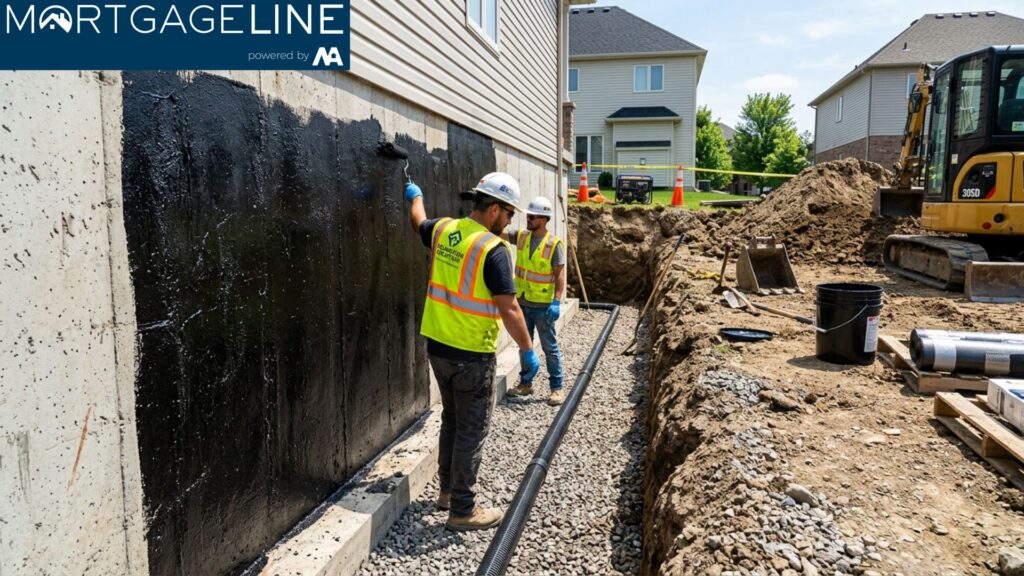
- Exterior Excavation and Elastomeric Membrane: The most comprehensive and permanent solution involves excavating the exterior foundation walls down to the footings, applying an elastomeric membrane, and installing external weeping tiles. This intensive process commands between $15,000 and $30,000+, depending on depth and accessibility.
Given these substantial figures, securing a tailored financial vehicle is necessary to ensure the work is completed correctly and to standard building codes. This is where paying for critical structural stabilization through a subordinate loan becomes advantageous.
What is a Second Mortgage and How Does it Work?
A second mortgage is a secondary lien placed against a property that already has a primary mortgage. This financial product allows homeowners to extract a portion of their accumulated home equity in a single lump sum. Because the loan is secured by the real estate, it often features more predictable terms than unsecured personal loans or high-interest credit cards.
In the province of Alberta, financial institutions and private lenders typically allow a maximum Loan-to-Value (LTV) ratio of 80% for equity extraction. To calculate available funds, lenders determine the current market value of the property, calculate 80% of that figure, and then subtract the balance of the first mortgage.
For example, if a Calgary home is appraised at $600,000, 80% of the value is $480,000. If the homeowner currently owes $300,000 on their primary mortgage, they have up to $180,000 in available equity to borrow against. This is more than enough to cover even the most intensive exterior excavation and landscaping restoration.
According to the Canada Mortgage and Housing Corporation (CMHC), proactive home maintenance, including water management systems, is crucial for preserving long-term property values and ensuring structural integrity. By utilizing equity, homeowners convert stagnant property wealth into tangible asset protection.
Comparing Funding Options: Equity Loans vs. Alternatives
Homeowners often weigh different financial products when planning large renovations. Comparing an equity loan to a line of credit or a full mortgage refinance is a vital step in wealth management.
| Feature | Second Mortgage | HELOC | Refinance |
|---|---|---|---|
| Primary Rate Impact | None. Existing rate is preserved. | None. Sits behind primary. | High. Entire balance is subject to new rates. |
| Qualification | Flexible. Equity-focused. | Strict. High credit required. | Strict. Heavy stress testing. |
| Fund Disbursement | Lump sum upfront. | Revolving credit. | Lump sum. |
| Best For… | Fixed-cost, large-scale projects like exterior waterproofing. | Ongoing, variable expenses. | Securing a lower rate on the entire mortgage balance. |
For immediate construction needs, especially when dealing with the threat of water ingress, a subordinate loan provides certainty. It delivers the exact capital required for the contractor’s estimate without subjecting the borrower’s entire debt portfolio to the Bank of Canada’s current overnight rate fluctuations.

Steps to Secure Equity Financing for Waterproofing
Securing the necessary capital requires a systematic approach. Follow these structured steps to navigate the lending process efficiently in 2026:
- Obtain Professional Quotes: Have two to three certified Calgary waterproofing contractors inspect the foundation. They will check for efflorescence (white mineral deposits indicating moisture), mold, and structural shifting. Secure a detailed, written estimate for the required scope of work.
- Determine Your Available Equity: Check your current primary mortgage balance and compare it against recent property sales in your neighborhood to estimate your home’s value. Ensure you sit well within the 80% LTV threshold.
- Consult a Mortgage Specialist: Begin reviewing 2026 lending rates. A broker can match you with an institutional or private lender based on your credit profile and timeline.
- Complete the Appraisal: The lender will order an independent property appraisal to confirm the current market value. Some homeowners may qualify for alternative lenders requiring less stringent valuations, expediting the process.
- Finalize Documentation and Fund: Provide necessary income verification, property tax statements, and home insurance documents. Once approved, the lawyer registers the secondary caveat on the land title, and funds are disbursed to your account to pay the contractors.
Addressing Specific Calgary Flood Risks
Calgary’s geographical layout, intersecting with the Bow and Elbow rivers, creates distinct localized risks. Homes situated in specific quadrants or near historical flood paths face heightened vulnerability to elevated water tables during the spring melt.
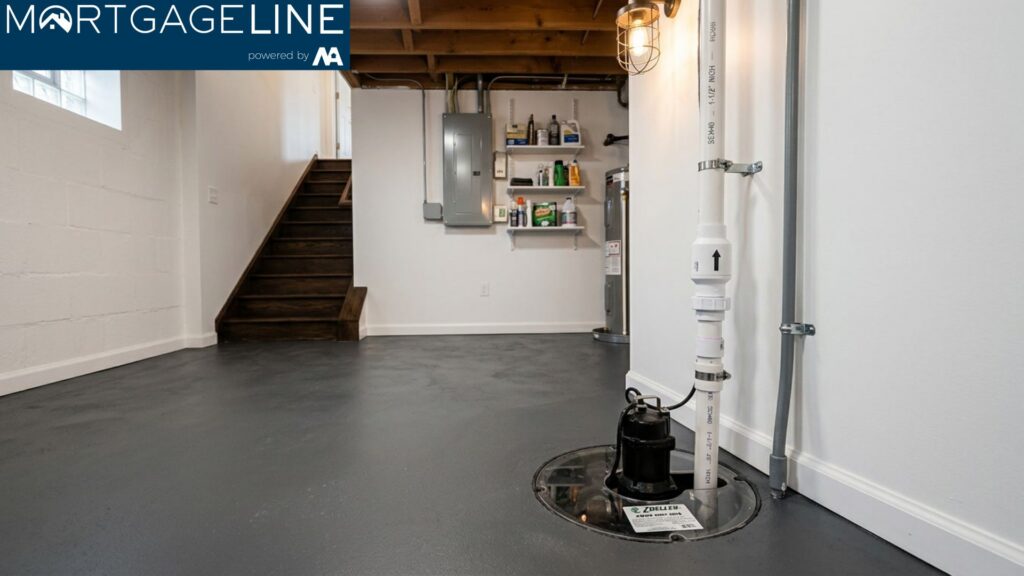
For properties located in designated hazard areas, specialized moisture mitigation is non-negotiable. Homeowners who experienced previous ingress events often require substantial capital for funding urgent flood restoration. Lenders understand the geographic realities of the region and frequently finance upgrades for properties located in designated flood fringes. Installing industrial-grade sump basins with battery backups and backwater valves is highly recommended and fully financeable under these equity programs.
Selecting the Right Waterproofing Contractor
Accessing the capital is only half the equation; deploying it effectively guarantees the return on investment. When utilizing borrowed funds, rigorous vetting of contractors is imperative.
Ensure the chosen company holds valid licensing and carries comprehensive liability insurance. Furthermore, reputable exterior waterproofing jobs should come with a transferable 20-to-25-year warranty. A transferable warranty not only protects your immediate investment but acts as a tangible selling feature if you decide to list the property in the future, effectively recuperating the costs of the secondary financing.
Conclusion
Addressing foundation vulnerability is an urgent priority that cannot be delayed by a lack of liquid savings. By leveraging a secondary loan against your home’s equity, you can secure the necessary capital to finance comprehensive basement waterproofing. This strategic approach protects your property’s market value, shields your primary mortgage rate from penalties, and ensures your home remains safe, dry, and structurally sound through Calgary’s harshest weather cycles.
If you are ready to explore your equity options and protect your home from devastating water damage, contact us today. Our team of specialists will guide you through the 2026 lending guidelines and find a financial solution tailored to your specific renovation needs.
References
- Insurance Bureau of Canada (IBC) – Data on national home insurance claims and average water damage costs.
- Canada Mortgage and Housing Corporation (CMHC) – Guidelines on home maintenance, property value preservation, and standard lending practices.
- Statistics Canada – Reports on residential construction and renovation cost inflation.
- Bank of Canada – Information regarding benchmark interest rates and financial system stability.