Securing a second mortgage is often the most effective financial strategy for Calgary homeowners needing to fund the removal and remediation of underground storage tanks (USTs). Because traditional Tier 1 banks and standard mortgage insurers typically refuse to refinance properties with active environmental liabilities, a private equity loan allows homeowners to access between $15,000 and $50,000+ required for professional excavation, soil testing, and environmental closure. By leveraging existing home equity, property owners can bypass strict primary lender regulations, clear the environmental hazard, and restore the property’s marketability and insurability.
Key Takeaways
- Traditional Lender Rejection: Major Canadian banks rarely approve refinancing for homes with buried heating oil tanks due to the severe environmental and financial liabilities involved.
- Cost of Remediation: Removing a tank and cleaning hydrocarbon-contaminated soil in Calgary typically ranges from $15,000 to over $50,000, depending on leakage severity.
- Equity Utilization: A private second mortgage bypasses traditional environmental stress tests, providing immediate capital to fund the remediation process.
- Regulatory Compliance: The Alberta Fire Code mandates the removal of underground storage tanks that have been out of service for more than two years.
- Restoring Value: Obtaining a clean Phase 2 Environmental Site Assessment (ESA) after removal immediately restores a property’s market value and traditional mortgage eligibility.
The Financial and Environmental Risks of Underground Storage Tanks
Before the widespread adoption of natural gas in the 1970s, thousands of residential properties in older Calgary neighborhoods—such as Mount Royal, Inglewood, Crescent Heights, and Sunnyside—relied on subterranean heating oil tanks. Over the decades, these steel tanks have corroded. When heating oil leaks into the surrounding soil or local water table, it creates a massive environmental hazard known as hydrocarbon contamination.
Under the National Fire Code – Alberta Edition, property owners are strictly required to safely remove underground storage tanks that have been out of service for more than two years. Leaving a decommissioned tank in the ground is not legally permissible, nor is it financially safe. The Insurance Bureau of Canada (IBC) clearly notes that standard residential property insurance policies exclude coverage for the gradual seepage of pollutants. Consequently, if an old tank leaks into a neighboring property, the homeowner is entirely responsible for the catastrophic cleanup costs.
Because of these severe risks, property owners frequently turn to structural repair equity financing or specific environmental remediation loans to address the issue before it escalates into a legal disaster.
Why Traditional Lenders Reject Homes with Oil Tanks
When you attempt to refinance your home to pay for tank removal through a standard banking institution, the process almost always stalls at the appraisal or environmental screening phase. Lenders view un-remediated oil tanks as a direct threat to their collateral.
According to the Canada Mortgage and Housing Corporation (CMHC), properties with known environmental contamination or un-remediated underground storage tanks generally do not meet the minimum property requirements for mortgage loan insurance without a clean Phase 2 Environmental Site Assessment. Since Tier 1 banks rely heavily on CMHC guidelines to mitigate their own risk, they will freeze your application. You cannot get the money to remove the tank until the tank is removed—a classic financial catch-22.
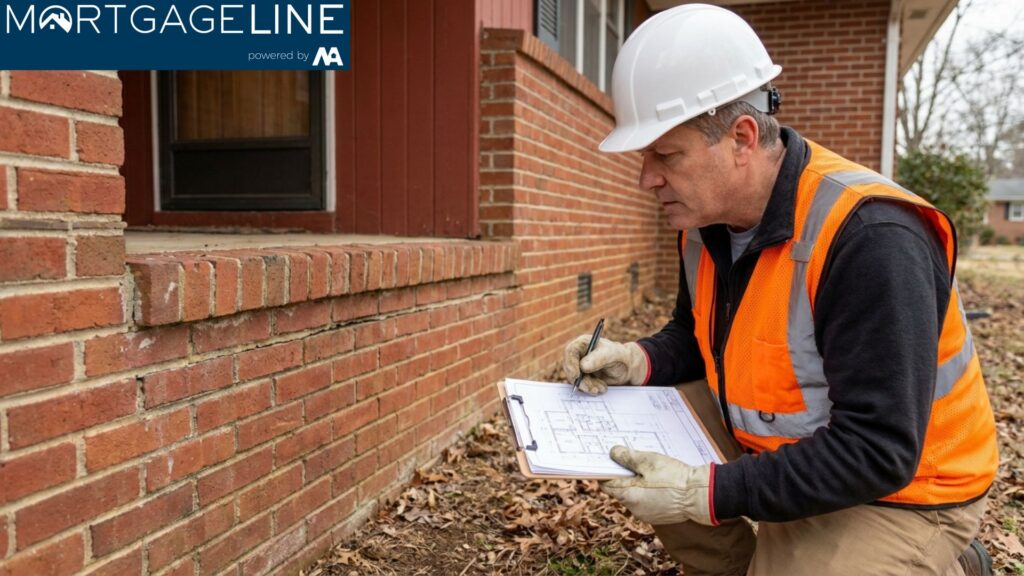
How a Second Mortgage Bridges the Funding Gap
To break this deadlock, Calgary homeowners must look toward alternative lending. A second mortgage provided by a private lender relies on the existing equity in your home rather than stringent environmental insurability criteria. Private lenders are asset-based; they understand that lending you the funds to remove the tank will ultimately improve the property’s overall value and security.
By comparing a second mortgage vs HELOC in Calgary, it becomes evident that a Home Equity Line of Credit from a major bank will require the same rigorous environmental clearances as a primary mortgage. In contrast, private lenders offer short-term, interest-only second mortgages specifically designed to cover the gap while the remediation takes place.
Comparison: Traditional Refinancing vs. Private Second Mortgages for UST Remediation
| Feature | Traditional Bank Refinance / HELOC | Private Second Mortgage |
|---|---|---|
| Environmental Clearance Required | Yes (Clean Phase 2 ESA required prior to funding) | No (Funds are provided specifically to achieve clearance) |
| Approval Speed | 30 to 60 days (often resulting in rejection) | 5 to 10 business days |
| Appraisal Requirements | Strict traditional appraisal | Flexible, often utilizing no-appraisal or desktop appraisal private lenders |
| Fund Disbursement | Lump sum after project completion | Immediate lump sum to hire contractors |
The Step-by-Step Process for Tank Removal and Financing
Navigating environmental hazards requires a methodical approach. By following standard municipal and provincial protocols, you can ensure your remediation is legally compliant and financially sound.
- Initial Discovery and Phase 1 ESA: If you suspect an old oil tank on your property, hire an environmental consultant to conduct a Phase 1 Environmental Site Assessment. This involves historical research and site inspection without drilling.
- Secure Equity Financing: Once the presence of a tank is confirmed, apply for a second mortgage. Review the Calgary second mortgage rates 2026 guide to understand the current cost of borrowing. The lender will register a secondary charge on your title and disburse funds.
- Permitting and Utility Locates: Your chosen remediation contractor must apply for excavation permits from the City of Calgary and contact Alberta One-Call to locate buried utilities before digging.
- Excavation and Soil Testing: The contractor excavates the tank. Crucially, an environmental engineer must take soil samples from the walls and base of the excavation site (Phase 2 ESA) to test for hydrocarbon saturation.
- Contaminated Soil Disposal: If the soil is contaminated, it must be hauled to an approved provincial treatment facility. Fresh, clean backfill is then brought in to stabilize the foundation.
- Obtaining the Closure Letter: The environmental engineer issues a formal closure report confirming the site meets Alberta Environment and Protected Areas standards. This document is essential for future property sales or primary mortgage renewals.

Navigating Calgary-Specific Regulations in 2026
Environmental compliance has become significantly stricter in recent years. The Government of Alberta maintains stringent guidelines for soil remediation criteria, specifically the Alberta Tier 1 and Tier 2 Soil and Groundwater Remediation Guidelines. When financing this project, homeowners must ensure their contractors are certified to meet these exact provincial thresholds.
Furthermore, delaying the removal can trigger municipal bylaws or even result in legal encumbrances if contamination migrates. If a neighbor discovers that an oil plume originated from your property, you could face litigation, leading to a Certificate of Lis Pendens being registered against your title, halting your ability to sell or refinance entirely.
Cost Breakdown for Underground Oil Tank Removal
Understanding the financial scope is critical when determining how large of a second mortgage to request. Based on 2026 Calgary contractor averages, costs break down as follows:
- Phase 1 ESA (Historical Assessment): $2,000 to $3,500
- Basic Tank Extraction (No Leakage): $5,000 to $8,000
- Phase 2 ESA (Soil Testing & Engineering Report): $3,500 to $6,000
- Soil Remediation (If Leakage Occurred): $15,000 to $40,000+ (depending on the tonnage of soil removed and depth of contamination)
- Site Restoration (Landscaping/Concrete): $2,000 to $10,000
Because these costs can quickly escalate if severe contamination is found near the home’s structural supports, securing robust funding through foundation and structural repair equity financing is highly recommended.
Protecting Your Property Value and Securing Your Investment
Ignoring a buried oil tank does not make the problem disappear; it merely defers and compounds the liability. Real estate data from the Canadian Real Estate Association (CREA) indicates that homes with unresolved environmental issues sit on the market significantly longer and often sell for 10% to 20% below market value. Buyers simply cannot secure traditional financing for these properties.
By proactively utilizing a second mortgage to fund the remediation, you transition your home from a high-risk liability back to a premium asset. Once the environmental closure letter is secured, you can roll the second mortgage back into your primary mortgage at a lower, traditional interest rate upon your next renewal date. For homes situated near rivers or higher water tables, addressing this is even more critical, much like navigating home equity financing in Calgary’s flood fringe areas.

Frequently Asked Questions (FAQ)
Will my homeowner’s insurance cover the cost of removing an underground oil tank?
No. Standard homeowner’s insurance policies universally exclude coverage for gradual environmental contamination, such as slowly leaking heating oil. The homeowner bears the full financial responsibility for both the tank removal and any necessary soil remediation.
Can I sell my Calgary house if it has an abandoned oil tank?
While you can legally list the property, selling it is incredibly difficult. Most buyers require traditional mortgages, and standard lenders will refuse to finance the purchase until the tank is removed and a clean environmental assessment is provided.
How long does it take to get a second mortgage approved for tank remediation?
Private second mortgages are typically approved and funded much faster than traditional bank loans. Depending on your home’s equity and the lender’s processes, funds can often be disbursed within 5 to 10 business days.
What is a Phase 1 vs. Phase 2 Environmental Site Assessment?
A Phase 1 ESA is a historical and visual review of the property to identify potential contamination risks, like records of an old oil tank. A Phase 2 ESA involves physical drilling and laboratory testing of the soil and groundwater to confirm the presence and extent of contamination.
Are interest rates higher for a second mortgage used for environmental issues?
Interest rates on private second mortgages are generally higher than primary bank mortgages due to the increased risk the lender takes. However, they are designed as short-term bridge loans, allowing you to fix the issue and refinance back into a traditional rate later.
Conclusion
Discovering an underground storage tank on your Calgary property can be a stressful and financially daunting experience. Because traditional lenders are largely unwilling to finance properties with active environmental liabilities, leveraging your home equity through a private lender is often the most pragmatic solution. A second mortgage provides the immediate, liquid capital required to hire certified environmental engineers, safely excavate the hazard, and dispose of contaminated soil in accordance with Alberta’s stringent 2026 regulations.
By proactively addressing this issue, you protect yourself from catastrophic legal liabilities, prevent contamination from spreading to neighboring properties, and fully restore the market value and insurability of your home. If you are facing environmental remediation and need to unlock your home’s equity quickly, contact us today to explore your private financing options.