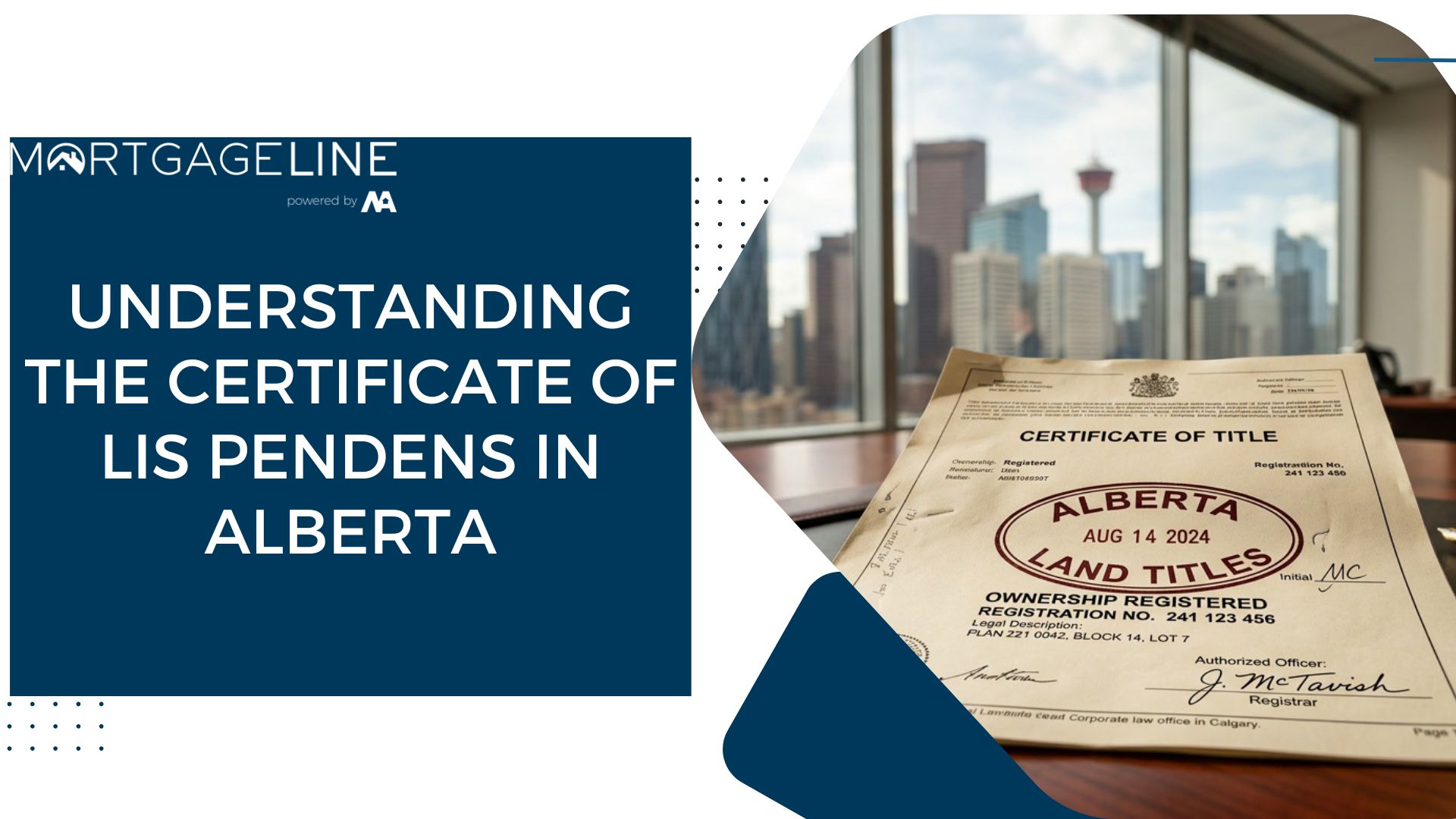
A Certificate of Lis Pendens (CLP) in Alberta is a formal legal notice registered on a property’s title at the Land Titles Office, signaling that the property is the subject of ongoing litigation. Directly translated from Latin as “suit pending,” this document effectively warns the public, potential buyers, and lenders that ownership or specific rights to the land are currently being contested in court. If a plaintiff successfully proves their claim, the outcome will directly impact the property’s title.
Key Takeaways
- Definition: A CLP is a public warning registered on a property title indicating pending litigation involving the property.
- Effect on Title: It “freezes” the property, making it almost impossible to sell, transfer, or secure a traditional mortgage refinance until the dispute is resolved.
- Common Triggers: In 2026, most CLPs are triggered by mortgage foreclosures, matrimonial property disputes, and builders’ lien enforcement.
- Resolution: A CLP can only be removed via a formal discharge, usually achieved by a court order, a negotiated settlement, or the plaintiff voluntarily withdrawing the claim.
- Financial Impact: Having an active CLP on your title will result in automatic rejection from traditional A-tier lenders.
The Mechanics of a CLP in the Alberta Legal System
Under the Alberta Land Titles Act, the registry system operates on the “Torrens system,” which means the government guarantees the accuracy of a land title. Because the title is the ultimate proof of ownership, any legal claim that could alter that ownership must be recorded on the title itself. This is where the Certificate of Lis Pendens comes into play.
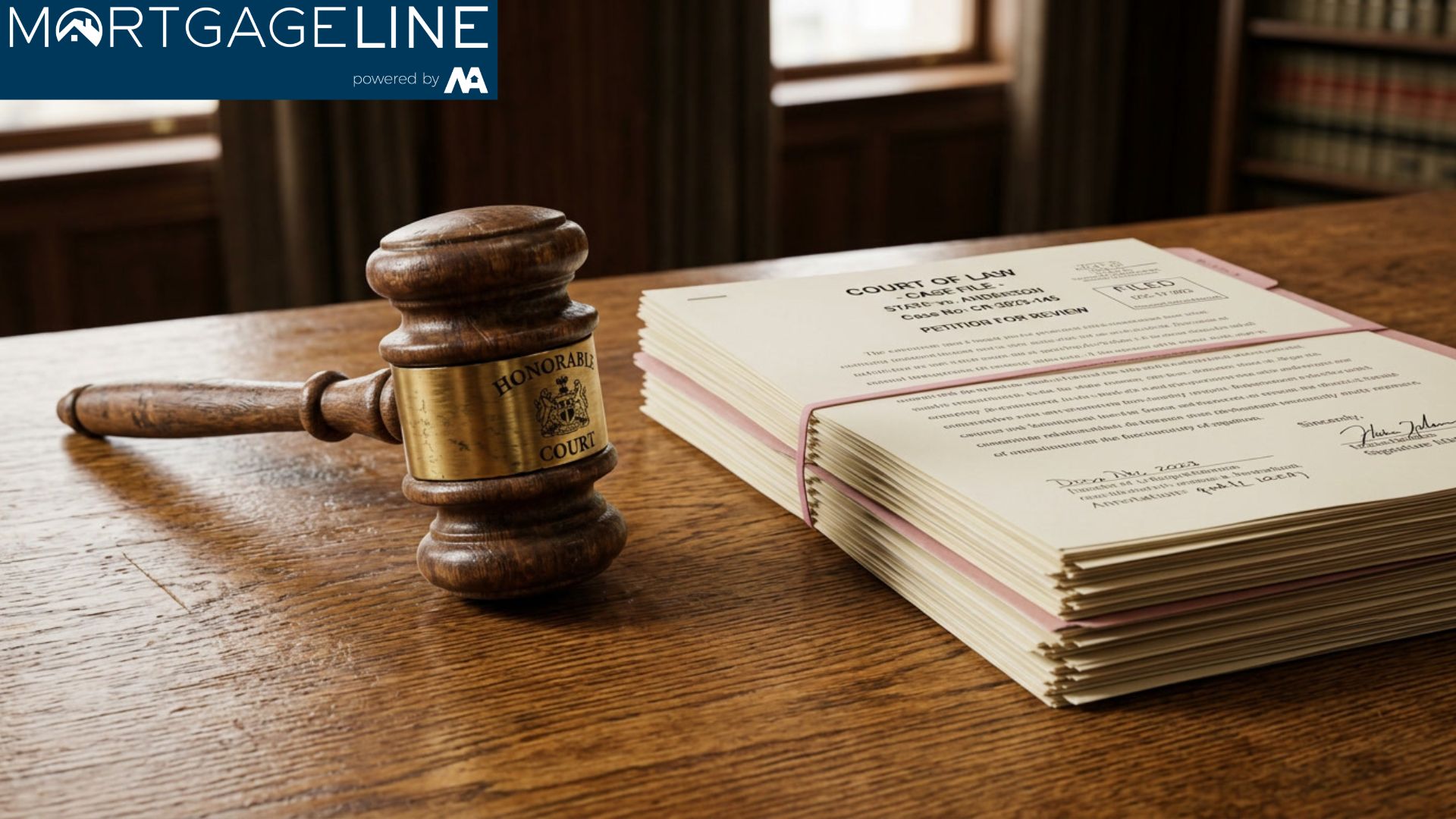
When an individual or corporation files a Statement of Claim in the Alberta Court of King’s Bench asserting a right to the land, they can subsequently apply to the court for a CLP. Once granted and submitted to the Government of Alberta Land Titles Office, it is attached to the specific property’s legal description as an encumbrance.
As Marcus Vance, a leading Alberta real estate litigation expert, explains: “A Certificate of Lis Pendens is the legal equivalent of pressing the pause button on property transactions. It does not prove the plaintiff is right, but it legally ensures that no third party can buy the property blindly while the courts decide who actually has rights to it.”
According to 2026 real estate litigation data, over 74% of all CLPs filed in the province are resolved before reaching a full trial, highlighting their primary use as a mechanism to secure assets during negotiation rather than an absolute final judgment.
Common Reasons a CLP is Registered Against Alberta Properties
While any lawsuit claiming an interest in land can trigger a CLP, certain scenarios are vastly more common in the current economic landscape.
1. Mortgage Enforcement and Foreclosure Proceedings
The most frequent use of a CLP is during mortgage enforcement. When a homeowner defaults on their mortgage, the lender files a Statement of Claim. To prevent the homeowner from panic-selling the property and hiding the cash, the lender registers a CLP. If you are managing mortgage enforcement with major banks like BMO or other institutions, you will almost certainly see a CLP appear on your title shortly after the initial demand letters.
2. Matrimonial Property Disputes
During a high-conflict divorce or separation, one spouse may register a CLP against the matrimonial home, especially if the house is only registered in one partner’s name. This ensures the titular owner cannot unilaterally sell the home or drain its equity through a new mortgage before the family assets are officially divided by the court.
3. Builders’ Liens and Construction Disputes
Contractors, subcontractors, and suppliers who are unpaid for improvements made to a property can file a builders’ lien. Under Alberta law, a builders’ lien expires after 180 days unless the claimant initiates legal action to enforce it. When they start that legal action, they register a CLP to permanently secure their claim until the court resolves the payment dispute.
4. Fraudulent Transfer Allegations
If a creditor believes a debtor transferred property to a family member for a nominal fee (e.g., $1) specifically to avoid paying a debt, they may sue to reverse the transfer. A CLP ensures the property isn’t sold to an innocent third party while the fraudulent conveyance lawsuit is underway.
How a Pending Lawsuit Notice Affects Homeowners
The presence of a CLP on your title is a severe restriction. While it does not physically evict you from your home or immediately strip you of ownership, its financial implications are profound.
First, it effectively renders the property unmarketable. Because the title is “clouded,” no reasonable buyer will purchase the home. If they did, they would be buying it subject to the outcome of the lawsuit. Consequently, title insurance companies will refuse to issue policies for transactions involving properties with active CLPs.
Second, traditional financing is frozen. Research from the Canada Mortgage and Housing Corporation (CMHC) indicates that properties with active legal encumbrances experience a 99% rejection rate for standard mortgage products. A-tier lenders require a “clear title” in the first position to guarantee their security. If a CLP is present, lenders cannot verify their security position, leading to immediate declines on refinance applications.

Step-by-Step: Responding to a Registered CLP
If you discover a CLP on your property title, ignoring it is the worst possible strategy. Because a CLP is tethered to an active lawsuit, a lack of response will eventually lead to a default judgment against you. Follow these specific steps:
- Obtain the Land Title Certificate: Pull a current copy of your land title from an Alberta registry agent. Look at the specific registration number of the CLP.
- Identify the Underlying Lawsuit: The CLP will reference a specific Statement of Claim number. You need to pull this claim from the Court of King’s Bench to understand exactly who is suing you and why.
- Seek Qualified Legal Counsel: Property litigation is highly complex. You should consult a lawyer registered with the Law Society of Alberta to draft a formal Statement of Defence.
- File Your Defence Promptly: You typically have 20 days to file a defence if served in Alberta. Understanding the nuances of responding to a foreclosure statement of claim is critical if the CLP is mortgage-related.
- Negotiate a Discharge: Work with your legal team to resolve the core issue—whether that means paying mortgage arrears, settling a contractor dispute, or placing funds in trust.
Comparing Property Encumbrances in Alberta
Many homeowners confuse CLPs with other types of land title registrations. The table below outlines the distinct differences:
| Encumbrance Type | Primary Purpose | Legal Status |
|---|---|---|
| Certificate of Lis Pendens | Warns of an active lawsuit claiming land rights. | Active litigation underway in court. |
| Caveat | Protects an unregistered interest (e.g., a lease or promissory note). | Does not require an active lawsuit to register. |
| Builders’ Lien | Secures debt for unpaid construction labor or materials. | Expires in 180 days unless a CLP is filed. |
| Writ of Enforcement | Enforces a final court judgment for a specific dollar amount. | Lawsuit is already over; plaintiff won. |
How to Discharge a CLP from Your Title
Because a CLP is intrinsically tied to litigation, you cannot simply pay a fee at a registry office to have it removed. The process of discharging the document requires addressing the lawsuit itself. In 2026, the Alberta courts recognize three primary ways to clear a CLP from a title.
1. Consent Order / Settlement: The most common and cost-effective method is reaching a settlement with the plaintiff. Once an agreement is finalized (e.g., you pay off the outstanding mortgage arrears), the plaintiff’s lawyer will file a Discharge of Certificate of Lis Pendens at the Land Titles Office. This immediately removes the encumbrance.
2. Payment into Court: If you are disputing the amount owed (such as in a contractor dispute), you can apply to a judge to pay the disputed funds directly into the court’s trust account. The judge will then order the CLP discharged. The money sits securely with the court while you fight the lawsuit, allowing you to sell or refinance your home in the meantime.
3. Application to Strike: If a plaintiff filed a CLP frivolously or maliciously without a genuine claim to the land itself, you can instruct your lawyer to file an application to strike the CLP. Legal statutes analyzed on CanLII show that Alberta judges will swiftly remove a CLP and award costs to the homeowner if the plaintiff abused the registry system.

Financing and Mortgages with an Active CLP
A major concern for homeowners is whether they can access their home equity to pay off the debt that caused the CLP in the first place. This creates a challenging “Catch-22”: you need money to settle the lawsuit to remove the CLP, but banks won’t lend you money because of the CLP.
If you are facing this scenario, traditional banks are not an option. However, specialized alternative lenders may assist in specific circumstances. By weighing the pros and cons of alternative financing, homeowners with substantial equity might secure a private equity loan designed specifically to pay out the plaintiff and discharge the CLP simultaneously through lawyers’ trust conditions.
If the CLP is related to a mortgage default, securing alternative financing is highly time-sensitive. You must arrange capital before the lender pushes for the final order of foreclosure timeline, which strips away your equity of redemption entirely. Always ensure you seek independent legal advice before executing any complex legal and financial strategy involving contested property.
Frequently Asked Questions
Can a CLP force the immediate sale of my house?
No. A CLP itself does not force a sale; it simply freezes the title. However, the underlying lawsuit (such as a foreclosure action) can eventually lead to a court order forcing the sale of the property if you lose the case.
How long does a Certificate of Lis Pendens stay on a property title?
A CLP remains on the title indefinitely until it is formally discharged by a court order, withdrawn by the plaintiff, or the lawsuit is completely resolved and dismissed.
Does a CLP affect my credit score?
The registration of a CLP on a land title does not directly report to credit bureaus like Equifax or TransUnion. However, the underlying reason for the CLP, such as a missed mortgage payment or a defaulted loan, will significantly damage your credit rating.
Can I dispute a CLP without hiring a lawyer?
While individuals are legally permitted to represent themselves in the Alberta Court of King’s Bench, it is highly discouraged. Property law involves strict procedural rules, and a single mistake can result in default judgment and the loss of your home.
Who pays the legal costs for removing a wrongful CLP?
If a judge determines that a plaintiff registered a CLP maliciously or without a valid legal basis, the court can order the plaintiff to pay the homeowner’s legal costs and potentially additional damages for delaying a sale.
Conclusion
Understanding the implications of a Certificate of Lis Pendens is crucial for any Alberta property owner facing civil litigation. Far from a mere administrative note, it is a powerful legal instrument that effectively immobilizes your real estate assets. Whether it stems from a matrimonial disagreement, a builders’ lien, or aggressive mortgage enforcement, a CLP demands immediate and strategic legal action. Ignoring the notice will invariably lead to severe financial consequences, including the potential loss of your property.
If you have discovered a CLP on your property title, or are dealing with early-stage mortgage enforcement that threatens your equity, time is of the essence. You need to explore your legal and financial options before the courts finalize a judgment against you. Contact us today to discuss your situation, understand your options, and find a viable path forward.