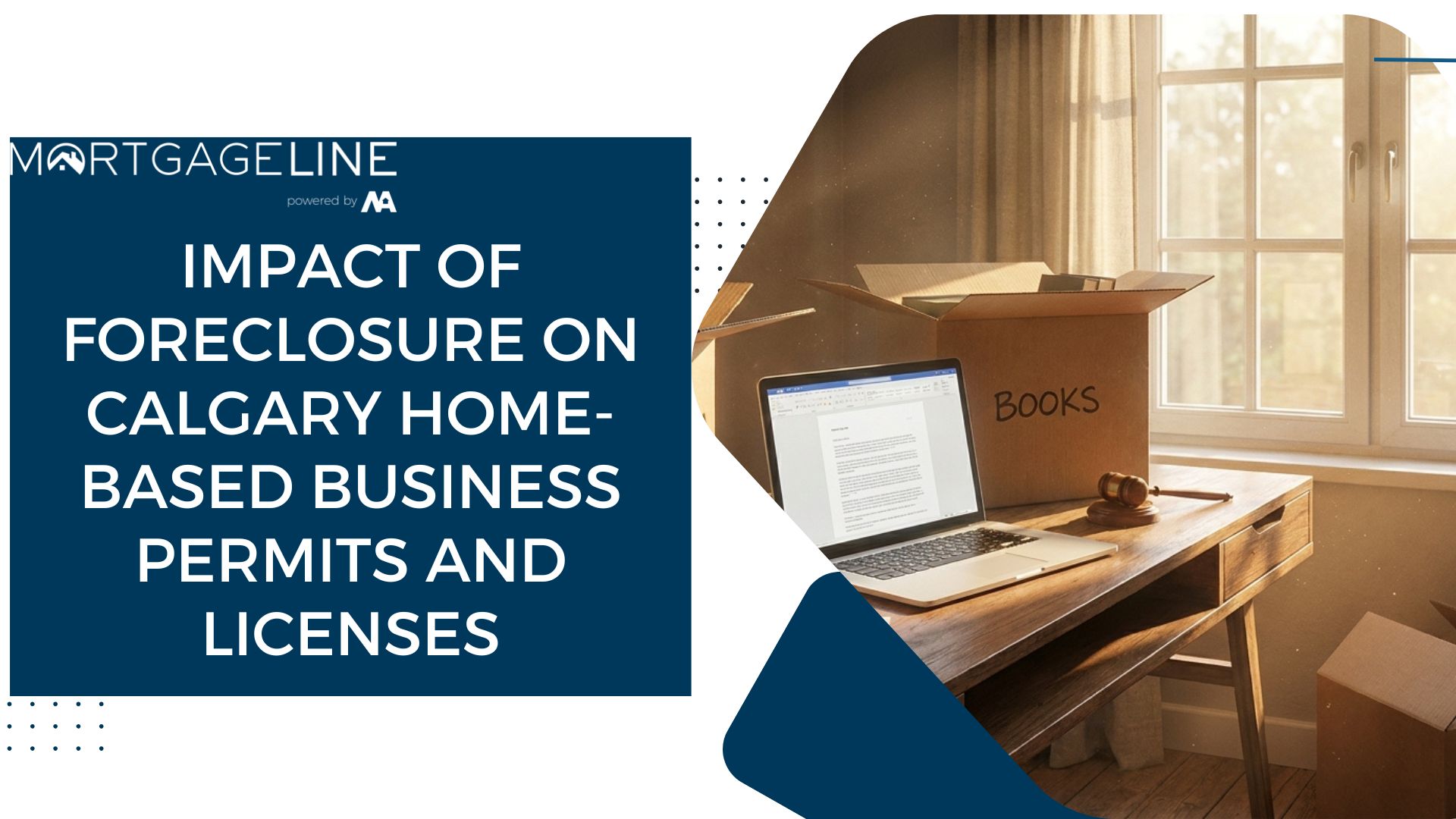
Securing a second mortgage on a property with an active home-based business license is highly viable, provided the enterprise adheres to municipal zoning bylaws and does not exceed standard residential property use thresholds. In 2026, lenders evaluate the physical footprint of the business, require stringent income verification for self-employed individuals, and mandate adequate commercial liability insurance to mitigate risks associated with secondary financing. When the business footprint remains under 30% of the total property square footage, most lenders will continue to classify and underwrite the property as a standard residential asset rather than a commercial one.
Key Takeaways
- Property Classification: Maintaining your property’s residential status is critical; the home-based business should occupy no more than 25% to 30% of the total square footage.
- Income Verification: Due to stringent federal stress-testing guidelines, self-employed borrowers must provide comprehensive tax documents, including Notices of Assessment (NOAs) and T1 Generals.
- Zoning Compliance: Lenders require proof that your active business license complies with all local municipal zoning bylaws.
- Insurance Requirements: Standard homeowner’s insurance is often insufficient; borrowers must demonstrate adequate commercial liability coverage for the business operations.
- Lender Variations: While traditional banks have strict parameters, alternative and private lenders offer more flexibility for properties with significant business footprints.
Understanding Lender Perspectives on Home-Based Enterprises
The landscape of modern employment has shifted dramatically. According to Statistics Canada, self-employment continues to represent approximately 15% of the Canadian workforce, with a substantial and growing segment operating directly out of their primary residences. For homeowners looking to access their accumulated home equity, an active home-based business license introduces an additional layer of underwriting scrutiny. Lenders fundamentally assess risk based on the primary utility of the property. If a property is primarily a home, residential mortgage rules apply. If it operates primarily as a business, commercial lending rules take precedence.
When applying for secondary financing, the underwriter’s primary goal is to ensure the asset can be easily liquidated in the event of default. A home-based business can complicate this if the property has been significantly altered. As noted in economic analyses from experts like Benjamin Tal, Deputy Chief Economist at CIBC, the structural shift toward self-employment and the gig economy requires the mortgage industry to adapt its risk assessment models, moving beyond traditional T4 income verification toward a more holistic view of the borrower’s enterprise.
Homeowners deciding between different equity products may want to compare a second mortgage and a HELOC to determine which financial vehicle best suits their business and personal cash flow needs. Both options will require the lender to analyze the active business license.

Zoning, Permitting, and Regulatory Compliance
An active home-based business license signals to a lender that you are operating within the legal parameters of your municipality. However, it also prompts the lender to verify that your specific type of business complies with local zoning bylaws regarding residential use. Most municipalities categorize home businesses into classes (e.g., Class 1 for desk-based consulting, Class 2 for customer-facing businesses like hair salons or dayhomes).
Underwriters will review municipal records to ensure there are no outstanding infractions. Failing to adhere to local bylaws can lead to compliance issues, and in severe cases, borrowers may need to use their equity to clear municipal zoning issues before a traditional lender will approve secondary financing. If your business required physical renovations to the property that bypassed local permitting authorities, you might also face challenges. In such scenarios, homeowners often need guidance on handling unpermitted additions or suites to satisfy the lender’s appraisal requirements.
The 30% Rule: Space Utilization and Property Classification
One of the most critical metrics used by lenders in 2026 is the percentage of the property dedicated to business operations. As a general industry standard enforced by federal guidelines, if the business footprint exceeds 25% to 30% of the total residential square footage, the property risks being reclassified as commercial real estate. Commercial mortgages carry entirely different—and often more expensive—interest rates, loan-to-value (LTV) limits, and qualification criteria.
Properties that walk the line between residential and commercial may face mixed-use property challenges during the underwriting process. For instance, a small desk in a spare bedroom poses zero risk to residential classification. Conversely, converting an entire main floor into a commercial bakery or a high-traffic childcare facility fundamentally alters the property’s utility and resale marketability.
Income Verification for Self-Employed Borrowers in 2026
Having an active home-based business license inherently means the applicant is self-employed. Income verification for Business for Self (BFS) applicants is rigorously governed by federal regulations. The Office of the Superintendent of Financial Institutions (OSFI) Guideline B-20 mandates that federally regulated lenders must implement rigorous income verification procedures, particularly for self-employed borrowers, to ensure that the underlying income is sustainable and accurately reflects the borrower’s capacity to service the debt.
To qualify for competitive current local second mortgage rates, self-employed homeowners must typically provide:
- Two years of complete T1 General tax returns.
- Two years of federal Notices of Assessment (NOA) proving no income tax arrears.
- Articles of incorporation or an active municipal business license.
- Recent bank statements demonstrating consistent business cash flow.
It is crucial that taxes are fully up to date. Lenders are highly averse to tax debts, as the Canada Revenue Agency (CRA) holds super-priority over mortgage liens. Self-employed individuals with existing tax debts might consider using home equity to resolve tax arrears to improve their lending profile and secure approval.

How the Type of Business Impacts Approval
Not all home-based businesses are viewed equally by mortgage underwriters. The nature of your daily operations directly influences the perceived risk to the property’s physical condition and liability exposure.
Low-Impact Businesses
Consultants, freelance writers, remote IT workers, and online retailers (who do not store massive inventory on-site) are considered low-impact. These businesses generate minimal foot traffic, require no structural modifications to the home, and do not increase the physical wear and tear on the property. Lenders view these active licenses favorably, as they do not threaten the residential nature of the collateral.
High-Impact Businesses
Dayhomes, pet grooming services, mechanic shops in residential garages, and manufacturing activities are considered high-impact. These operations bring external clients onto the premises daily, increasing liability. They may also involve the storage of hazardous materials or require specialized equipment that alters the property. According to guidelines set forth by the Canada Mortgage and Housing Corporation (CMHC), high-impact businesses require deeper scrutiny to ensure the property remains structurally sound and marketable as a primary residence.
Insurance Requirements and Liability Coverage
A standard residential homeowner’s insurance policy typically explicitly excludes coverage for business-related liabilities. When an underwriter sees an active home-based business license on a second mortgage application, they will immediately request proof of commercial liability insurance. If a client slips and falls on your icy driveway while visiting your home-based salon, a standard home insurance policy will not cover the damages, potentially putting the property—and the lender’s investment—at risk.
Borrowers must provide an active insurance binder demonstrating adequate coverage for the specific business activities listed on their municipal license. This protects all parties and is a non-negotiable requirement for “A” and “B” lenders.
Step-by-Step Guide: Applying for a Second Mortgage with a Home Business
- Gather Business Documentation: Compile your active municipal business license, zoning approval, and commercial insurance binder.
- Prepare Tax Records: Ensure your T1 Generals and NOAs for the past 24 months are accessible and show no outstanding arrears.
- Calculate Square Footage: Measure the exact square footage dedicated exclusively to your business. Ensure it is below the 30% threshold of your total home size.
- Assess Property Equity: Calculate your current Loan-to-Value (LTV) ratio. Most lenders cap total borrowing at 80% to 85% of the home’s appraised value.
- Consult a Mortgage Professional: Work with a broker who understands Business for Self (BFS) applications to navigate the specific lender requirements.
If traditional banks decline the application due to strict debt-servicing ratios or the business footprint, exploring private lenders who bypass traditional appraisals can be a highly viable alternative. Private lenders focus more on the available equity than on strict income verification protocols.
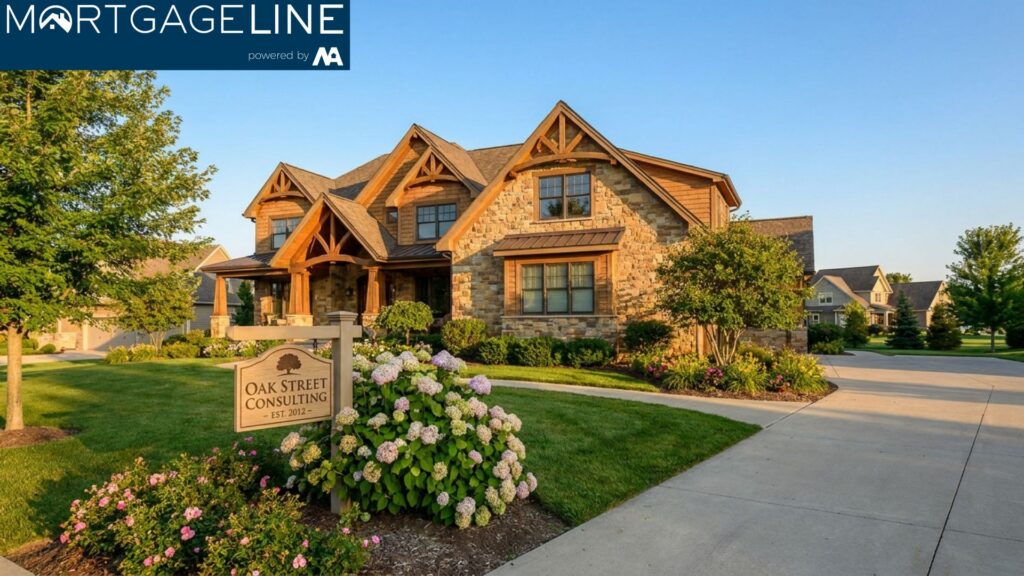
Comparing Residential and Commercial Second Mortgages
Understanding how your active business license dictates your loan classification is essential. Below is a comparison of standard residential secondary financing versus a commercial equity loan.
| Lending Criteria | Residential Second Mortgage | Commercial Equity Loan |
|---|---|---|
| Business Footprint | Under 30% of total square footage | Over 30% of total square footage |
| Interest Rates | Standard market rates | Typically 1.5% – 3% higher |
| Maximum LTV | Up to 80% – 85% | Generally capped at 65% – 75% |
| Appraisal Type | Standard Residential Appraisal | Comprehensive Commercial Appraisal |
Frequently Asked Questions
Does having a home-based business license automatically increase my second mortgage rate?
No. As long as your business operates within standard residential zoning rules, utilizes less than 30% of the property, and your income is verifiable, you will have access to standard residential second mortgage rates.
Can a lender force me to cancel my business license to get approved?
A lender will not force you to cancel the license, but if the business operations violate municipal zoning or introduce unacceptable liability risks (like hazardous chemical storage), they may decline the loan unless operations cease.
How do alternative lenders view home-based businesses compared to major banks?
Alternative and private lenders are generally much more flexible. They focus primarily on the physical condition of the property and the depth of the available equity, making them ideal for entrepreneurs whose tax returns might not reflect their true cash flow.
Do I need to inform my current first mortgage holder about the business?
Yes. Operating a business without informing your first mortgage lender or updating your home insurance can technically constitute a breach of your primary mortgage contract. Full transparency is required.
What happens if my business takes up half of my home?
If the business occupies 50% of the home, institutional lenders will classify the property as commercial or mixed-use. You will likely need to apply for commercial financing, which involves stricter loan-to-value limits and higher appraisal costs.
Conclusion
Securing second mortgage approval for properties with active home-based business licenses in 2026 requires preparation and an understanding of lender risk models. By maintaining compliance with municipal zoning, keeping the business footprint under 30% of your home’s total area, and organizing comprehensive tax and insurance documentation, you can easily access the equity in your home. The rise of the self-employed economy means lenders are more accustomed than ever to underwriting these applications, provided the foundational residential nature of the property remains intact. If you are a self-employed homeowner looking to leverage your home equity to expand your business, consolidate debt, or fund renovations, get in touch with our team today to discuss your customized financing options.