 When Calgary property owners fail to pay their municipal taxes, the City of Calgary has statutory powers under the Alberta Municipal Government Act to recover outstanding amounts through a structured legal process that can ultimately result in property seizure and sale. Understanding this process is essential for any property owner facing tax arrears, as early intervention can prevent the most severe consequences. This guide provides a comprehensive overview of how tax recovery works in Calgary, the timelines involved, and the options available to property owners who find themselves behind on their municipal tax obligations.
Key Takeaways
- The Alberta Municipal Government Act grants Calgary specific powers to recover unpaid property taxes through graduated enforcement measures
- Property owners receive multiple notices and opportunities to pay before any enforcement action begins
- The tax sale process typically spans 6-12 months from initial notice to actual sale
- Property owners have legal right to redeem their property before the tax sale is finalized
- Payment arrangements and tax deferral programs offer alternatives to losing your property
- Second mortgage financing can help property owners access equity to pay tax arrears
- Legal advice is strongly recommended when facing any stage of the tax recovery process
The Legislative Framework: Alberta’s Municipal Government Act
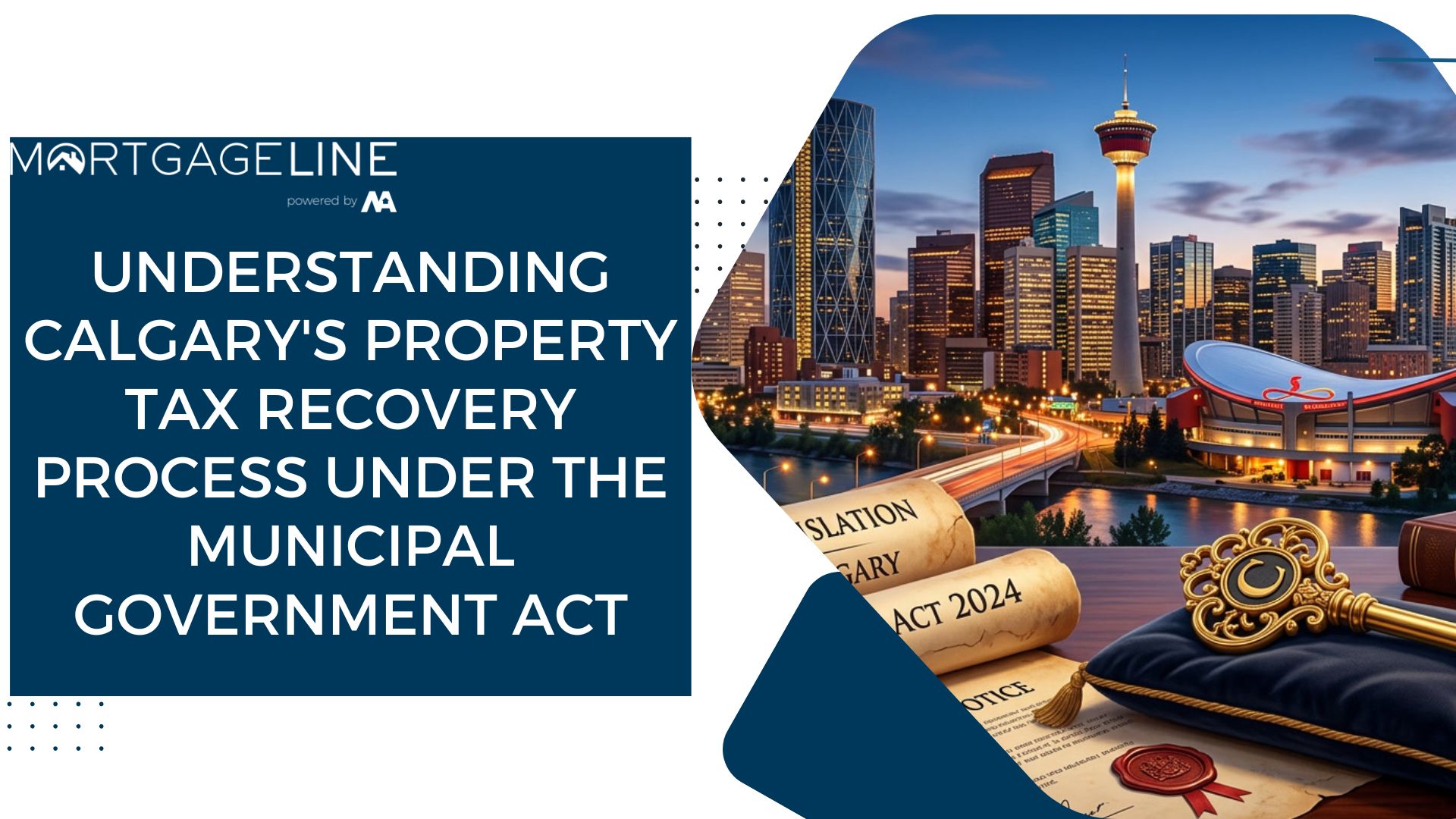
The Alberta Municipal Government Act serves as the foundational legislation governing how municipalities, including Calgary, manage their finances and collect revenues. Part 10 of the MGA specifically addresses property taxation and tax recovery, establishing the legal framework that gives the City of Calgary authority to impose taxes, collect payments, and take enforcement action when payments are not received. This legislation applies to all classes of property within Calgary’s boundaries, including residential homes, commercial buildings, industrial facilities, and vacant land.
According to the Alberta Government, the MGA was significantly amended in recent years to modernize municipal finance administration while maintaining robust protections for property owners. The Act requires that municipalities follow strict procedural requirements before any enforcement action, ensuring that property owners receive adequate notice and opportunities to respond. Research from the University of Calgary’s School of Public Policy indicates that these procedural safeguards exist specifically to balance municipal revenue needs against individual property rights.
How Calgary Property Tax Assessment Works
Before understanding tax recovery, property owners should understand how their tax obligations are established. Calgary’s property tax system combines two components: the municipal levy set by Calgary City Council and the provincial education levy required under Alberta law. The City of Calgary assesses property values annually, and the tax rate is applied to these assessed values to determine the annual tax bill.
Property taxes in Calgary are due annually, but the City offers monthly payment plans for residential property owners who prefer to pay in installments rather than a single lump sum. The current property tax due date is typically June 30 for residential properties, though this can vary slightly based on City Council decisions each year. A penalty of 7% is applied to any unpaid amounts after the due date, with additional penalties accruing monthly for continued non-payment.

Stages of Tax Recovery Under the Municipal Government Act
The tax recovery process under the MGA follows a graduated approach, beginning with gentle reminders and escalating to severe enforcement measures only when necessary. Understanding each stage helps property owners know where they stand in the process and what actions they should take.
Stage One: Initial Tax Notice and Grace Period
The process begins when the annual tax notice is issued, typically in May or June of each year. This notice includes the total amount owing, the due date, and information about payment options. If payment is not received by the due date, a 7% penalty is automatically applied. During this initial stage, the City focuses on encouraging payment through reminders and offering support to property owners experiencing difficulty.
Stage Two: Formal Arrears Notice
If taxes remain unpaid after the due date and penalty application, the City issues a formal arrears notice. This notice formally documents the outstanding amount and provides property owners with a specific deadline to either pay in full or contact the City to arrange a payment agreement. According to Calgary’s municipal bylaws, this notice is sent to the property owner’s registered address and may also be sent to any registered mortgage holders on the property.
Stage Three: Tax Recovery Notification to Mortgage Holders
Under Section 344 of the MGA, if property taxes remain unpaid for 60 days after the due date, the City is required to notify any registered mortgage holders that the property is in tax arrears. This notification alerts banks, trust companies, and other lenders that their collateral property has unpaid municipal taxes. Many mortgage holders will then take action to protect their interests, which may include adding the tax amount to the mortgage payment or contacting the property owner directly.
Stage Four: Tax Lien Registration
When property taxes remain unpaid for an extended period, the City can register a tax lien against the property title. This lien creates a legal claim against the property that must be satisfied before the property can be sold or refinanced. A tax lien effectively limits the property owner’s ability to access their home equity through second mortgage or refinancing options, as any new mortgage would be subordinate to the City’s tax claim.
The Tax Sale Process: What Property Owners Need to Know
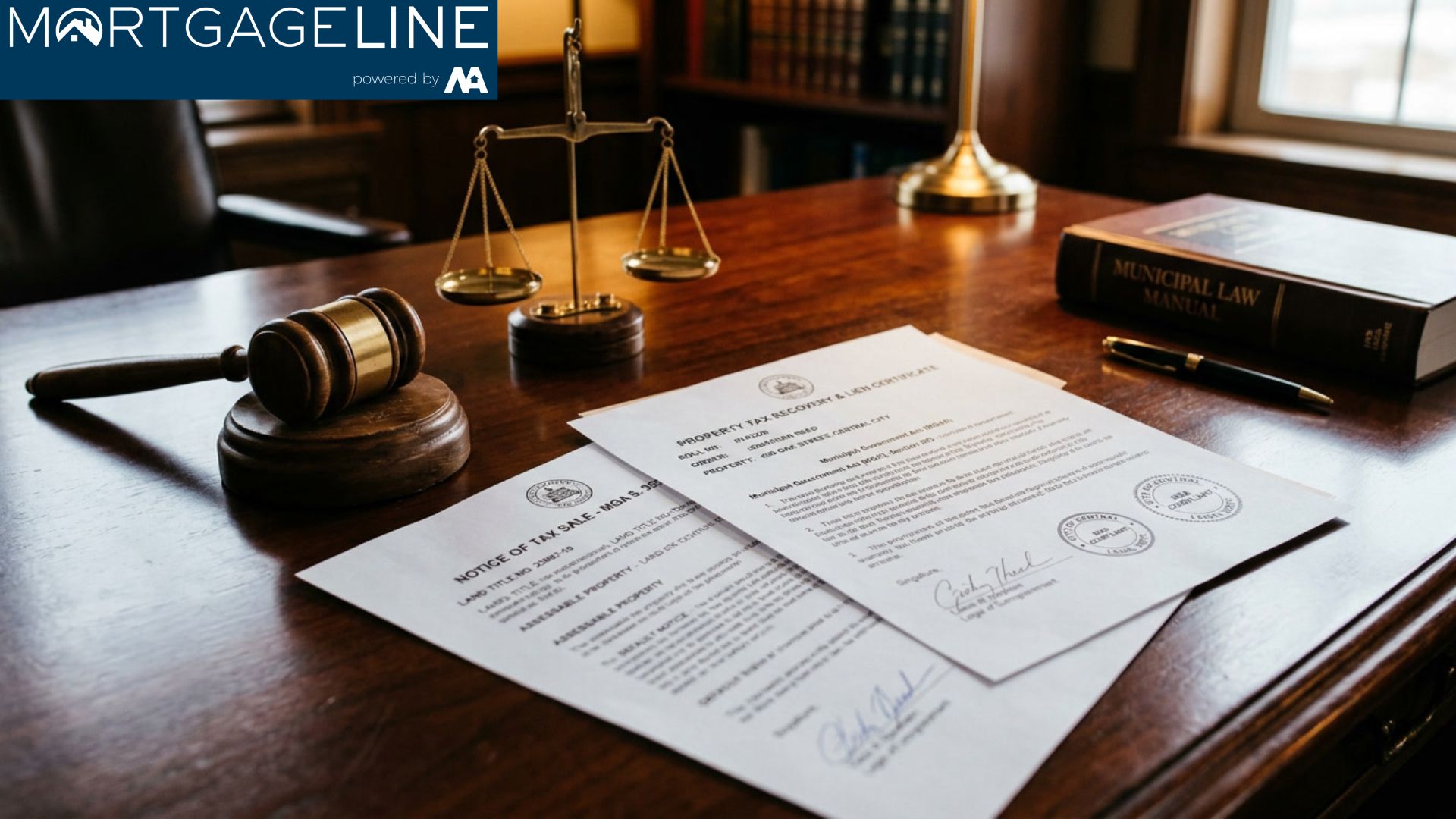
If all other recovery efforts fail, the City of Calgary can proceed with a tax sale under the authority granted by the MGA. The tax sale process is formal and lengthy, designed to provide multiple opportunities for property owners to avoid losing their property.
Notice of Intention to Sell
Before any property can be sold at tax sale, the City must publish a Notice of Intention to Sell in accordance with MGA requirements. This notice must appear in a newspaper circulating in Calgary for at least three consecutive weeks. The notice identifies the property, the amount of taxes owed, and states that the property will be sold if payment is not received by a specified date, typically not less than 60 days from the first publication of the notice.
Minimum Sale Price Requirements
The MGA establishes specific rules regarding the minimum price at which properties can be sold at tax sale. According to Statistics Canada data on municipal finance, properties cannot generally be sold for less than the outstanding tax amount plus all costs associated with the sale. This requirement helps ensure that municipalities recover their full tax arrears while also protecting property owners from inadequate sale prices.
Redemption Period
Even after a property is sold at tax sale, the original property owner typically has a redemption period during which they can reclaim the property by paying the full purchase price plus interest and costs. This redemption period is a critical protection built into the MGA, and property owners should consult with legal professionals immediately if they learn their property has been sold at tax sale.
Payment Alternatives and Tax Relief Options
Calgary property owners facing tax arrears have several options to resolve their situation before reaching the tax sale stage. Exploring these alternatives early is essential for protecting your property investment.
Monthly Payment Plans
The City of Calgary offers monthly payment plans for residential property owners, allowing taxes to be paid over the course of the year rather than in a single payment. While this doesn’t reduce the total amount owed, it can make budgeting easier for property owners with irregular income. Property owners experiencing financial hardship should contact the City as soon as possible to arrange a payment plan before penalties accumulate.
Tax Deferral Programs
Alberta’s tax deferral legislation allows certain property owners, particularly seniors and persons with disabilities, to defer their property taxes. The Seniors’ Property Tax Deferral Program, administered through the provincial government, allows eligible seniors to defer taxes until their property is sold or they pass away. This program can provide significant relief for property owners on fixed incomes who are struggling with cash flow.
Using Home Equity to Pay Tax Arrears
Property owners with substantial equity in their Calgary properties may be able to access that equity through a second mortgage to pay tax arrears. This approach can be particularly effective when the cost of the second mortgage interest is less than the penalties accumulating on unpaid taxes. Additionally, paying off tax arrears can restore the property’s good standing and allow the owner to access further financing if needed.
Comparing Tax Recovery Alternatives
| Option | Best For | Key Consideration | Impact on Credit |
|---|---|---|---|
| Monthly Payment Plan | Short-term cash flow issues | Must maintain ongoing payments | No direct impact |
| Tax Deferral Program | Seniors, fixed-income owners | Interest accrues on deferred amount | No direct impact |
| Second Mortgage | Significant equity, long-term solution | Application and approval process | New inquiry on credit |
| Consumer Proposal | Overwhelming debt situation | Requires Licensed Insolvency Trustee | Significant impact |
Responding to a Foreclosure Statement of Claim
In some cases, particularly when a property has multiple liens or when mortgage holders have taken action, property owners may receive a foreclosure statement of claim related to tax arrears. This legal document initiates formal foreclosure proceedings and requires a response within a specific timeframe, typically 20 days for Calgary properties.
Failing to respond to a foreclosure claim can result in a default judgment and the property being ordered for sale. Property owners who receive any legal documents related to their property should immediately seek legal advice, as the consequences of non-response can be severe and irreversible. Legal aid organizations in Calgary may provide assistance for property owners who cannot afford private legal representation.
Prevention Strategies for Calgary Property Owners
Preventing tax arrears is far easier than navigating the recovery process. Property owners can take several proactive steps to ensure they remain current on their municipal tax obligations.
First, enroll in the monthly payment plan program if you have any doubt about your ability to pay the annual lump sum. Second, set up automatic payments or reminders to ensure you never miss a due date. Third, monitor your property’s assessed value and tax rate annually so there are no surprises when the bill arrives. Fourth, if you experience any financial difficulty, contact the City immediately rather than ignoring notices.
For property owners concerned about their financial stability, exploring home equity financing options during stable financial periods can provide a financial cushion that helps weather temporary income disruptions without falling behind on essential payments like property taxes.

Frequently Asked Questions
How long does it take for Calgary to initiate tax sale proceedings?
According to the Municipal Government Act timeline requirements, Calgary must provide multiple notices and a minimum redemption period before any property can be sold. The entire process from initial tax due date to actual tax sale typically spans 6-12 months, though this can vary based on administrative processing and the specific circumstances of each case.
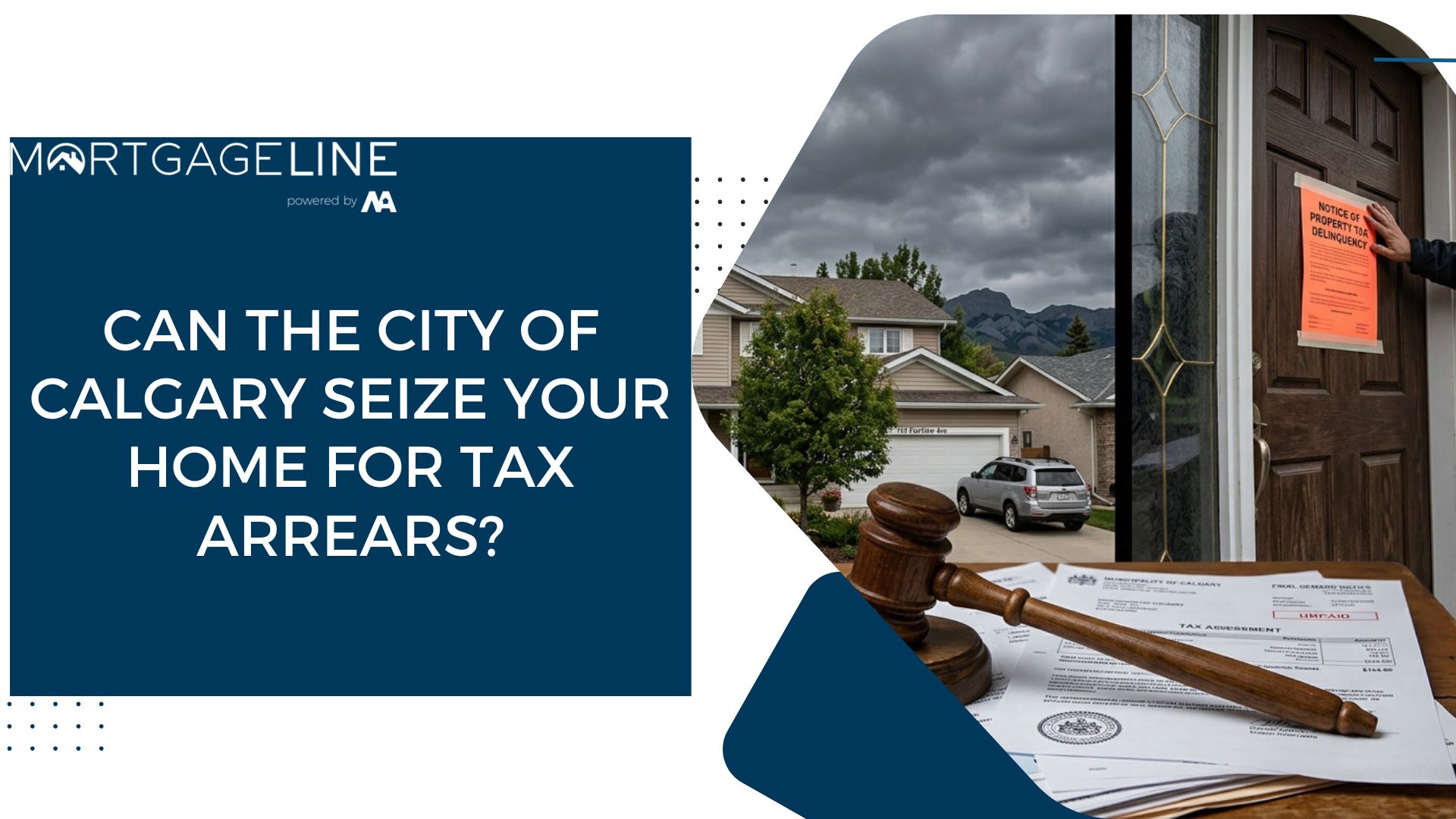
Can the City of Calgary take my home for unpaid property taxes?
Yes, under the Municipal Government Act, the City has the legal authority to sell properties to recover unpaid taxes. However, this is always a last resort after all other collection efforts have failed, and property owners have multiple opportunities throughout the process to pay their arrears and avoid losing their property.
What happens if I sell my property but the taxes were in arrears?
Any outstanding property taxes become a lien against the property that must be satisfied at the time of sale. The sale proceeds are used to pay the tax arrears before the remaining funds are distributed to the property owner. This means unpaid taxes cannot simply be forgotten when selling a property.
Are there any exemptions for seniors or low-income property owners?
Alberta offers a Seniors’ Property Tax Deferral Program for eligible seniors, and there are various provincial and municipal programs that may provide property tax relief for low-income homeowners. Property owners should contact the City of Calgary or the provincial government to learn about current eligibility requirements.
Can I get my property back after it sells at tax sale?
The Municipal Government Act provides a redemption period during which the original owner can reclaim the property by paying the purchase price plus interest and costs. However, this period has strict deadlines, and property owners must act quickly. After the redemption period expires, the sale is typically final.
Will my mortgage company be notified if I fall behind on property taxes?
Yes, under Section 344 of the MGA, the City is required to notify registered mortgage holders when a property has unpaid taxes for 60 days or more. This notification often prompts the mortgage company to take protective action, which may include adding the tax amount to your mortgage payment or initiating their own foreclosure proceedings.
Should I get legal advice if I’m facing tax recovery action?
Absolutely. The tax recovery process involves complex legal procedures and strict deadlines. As noted by legal experts at the Law Society of Alberta, property owners facing potential loss of their property should seek independent legal advice immediately. Many lawyers offer initial consultations, and legal aid may be available for those who qualify financially.
Conclusion
The Calgary Municipal Government Act tax recovery process is designed to be fair and transparent, providing property owners with multiple opportunities to resolve their tax arrears before facing the most severe consequences. Understanding your rights and obligations under this legislation is essential for any Calgary property owner, whether you are currently facing tax arrears or simply want to protect your investment for the future.
The key to protecting your property is early action. If you receive any notice regarding unpaid taxes, contact the City of Calgary immediately to discuss payment arrangements. If your situation is more complex, seek legal advice before the process advances to later stages where your options become more limited.
For property owners with equity in their homes, accessing that equity through a second mortgage may provide the funds needed to pay tax arrears and avoid the stress and cost of the recovery process. Our team specializes in helping Calgary property owners navigate financial challenges and access the equity they need. If you’re facing tax arrears or want to explore your options for protecting your property, we’re here to help. Get in touch with our team today to discuss your situation and find a solution that works for you.