Property ownership in Southern Alberta requires careful attention to environmental changes and municipal regulations. The updated hazard maps provided by local authorities directly impact how you manage, protect, and upgrade your real estate investments. If your property falls within newly designated vulnerable zones, you might face stricter building codes and changing insurance requirements. Understanding these shifts is crucial for protecting your financial assets and maintaining your property’s long-term market value.
We know that updating a home to meet modern mitigation standards requires significant capital. Traditional lending avenues sometimes fall short or impose restrictive conditions on properties located in identified hazard zones. Exploring alternative financial tools allows you to access the necessary funds for critical structural improvements. By leveraging your existing property equity, you can proactively address vulnerabilities and safeguard your investment against future environmental events.
Key Takeaways
- Updated municipal hazard maps dictate stricter building codes and influence property insurance premiums across affected neighborhoods.
- Properties located in the designated fringe zones require specific structural upgrades to maintain safety and compliance.
- Accessing home equity provides a practical funding source for necessary flood mitigation renovations and essential repairs.
- Alternative financing options often offer more flexible qualification criteria compared to traditional primary bank loans.
- Investing in proactive property upgrades helps protect your home’s market value and provides peace of mind for your family.
Overview
This comprehensive guide explores the intersection of municipal zoning changes and property financing strategies. We detail how recent updates to provincial hazard mapping affect homeowners and outline actionable steps for funding essential property improvements. You will learn the clear distinctions between different risk zones and how these designations influence your renovation plans. Furthermore, we explain the strategic financial tools available to property owners who need to fund significant structural upgrades.
Throughout this article, we examine the practical applications of alternative lending solutions for funding essential home repairs. We provide clear, authoritative information on complying with local building regulations and safeguarding your real estate investment. By the end of this guide, you will understand the clear benefits of leveraging equity to finance mitigation efforts. We also include a detailed frequently asked questions section to address common concerns regarding property upgrades and alternative financing in affected neighborhoods.
Understanding Calgary’s Updated Flood Designations
The local government regularly revises hazard mapping to reflect current environmental data and historical weather patterns. These maps categorize land based on the statistical probability of water inundation during extreme weather events. The most critical distinction for property owners is the difference between the primary floodway and the adjacent fringe areas. The floodway represents the central channel where water flows fastest and deepest, typically restricting any new development.

The adjacent fringe zones experience slower-moving, shallower water during significant weather events. While existing homes in these areas can remain, any major renovations or repairs must comply with updated municipal safety standards. You can review the official provincial definitions and current zoning regulations through the Alberta Flood Hazard Mapping portal. Understanding your exact property designation is the mandatory first step before planning any structural improvements or applying for renovation funding.
These municipal designations directly influence how lenders and insurance companies view your property. Homes located within identified fringe zones often require specialized insurance riders and may face different lending criteria for primary mortgages. We recommend checking the City of Calgary Flooding Information resource to verify your specific property status. Having accurate zoning information allows you to make informed decisions regarding future renovations and financial planning strategies.
The Financial Impact of Living in a Fringe Area
Owning a home in a designated fringe zone carries specific financial responsibilities and considerations. Insurance premiums typically reflect the increased statistical risk associated with the property’s location. Some insurance providers mandate the installation of specific mitigation devices, such as backflow valves and sump pumps, before offering comprehensive coverage. Failing to implement these required upgrades can result in reduced coverage limits or higher deductibles in the event of water damage.
Property values in these neighborhoods remain sensitive to the level of mitigation work completed by the homeowner. A property fully updated to meet or exceed current municipal codes often retains its value better than an unmitigated home. Buyers increasingly look for properties with proven resilience features, making these upgrades a sound financial investment. Consequently, funding these improvements is a priority for many homeowners looking to protect their equity.
Accessing the capital for these necessary upgrades presents a challenge for some property owners. Traditional banks sometimes hesitate to extend unsecured lines of credit for properties in high-risk zones. This hesitation makes it necessary to explore secured home equity borrowing options that leverage the existing value of the property. By using the home as collateral, you can often secure the funding needed to complete essential safety renovations.
Using a Second Mortgage to Repair Flood Damage in Calgary Flood Fringe Areas
Finding the right financial product is crucial for managing extensive property repairs and structural upgrades. Using a second mortgage to repair flood damage in Calgary flood fringe areas provides a direct pathway to substantial renovation capital. This financial tool allows you to borrow against the accumulated equity in your home without disrupting your primary mortgage terms. Because your original mortgage rate and term remain intact, you avoid potentially costly prepayment penalties from your primary lender.
These secondary loans secure their position behind your primary mortgage on the property’s title. Alternative lenders evaluating these applications typically focus more on the property’s available equity than strict traditional income metrics. This equity-focused approach makes these loans accessible to homeowners who might be self-employed or have complex income structures. Exploring second mortgage loan solutions helps property owners secure funds quickly, allowing renovation work to commence without unnecessary delays.
The funds acquired through this method offer complete flexibility for your specific renovation needs. You can use the capital to raise electrical panels above projected water lines, install commercial-grade sump pumps, or reinforce foundation walls. Using a second mortgage to repair flood damage in Calgary flood fringe areas guarantees you have the liquid cash required to hire licensed contractors and purchase quality materials. This proactive funding approach protects your property from future environmental impacts while maintaining your family’s safety.
Complying With Building Codes and Renovation Rules
Undertaking renovations in designated hazard zones requires strict adherence to specialized local building codes. The municipal government mandates that certain repairs incorporate specific resilient materials and construction techniques. For example, replacing basement drywall often requires using moisture-resistant alternatives and raising baseboards above historical water levels. You must verify that your chosen contractors understand these specialized local requirements to prevent costly compliance issues later.
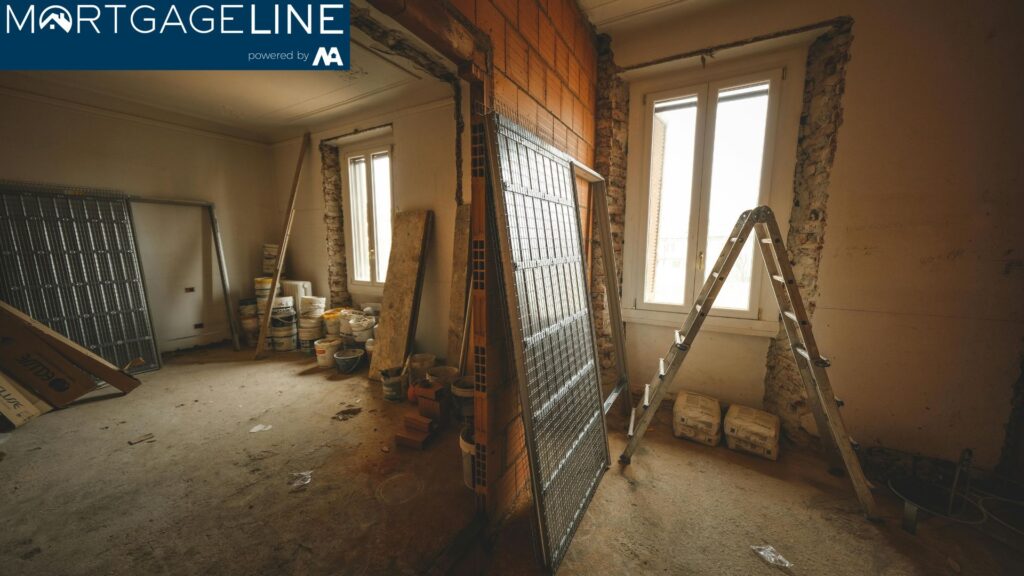
Securing the proper municipal permits is a non-negotiable step in the renovation process. The city inspectors will review your construction plans to verify that the proposed changes align with current safety regulations. Resources like the Canada Mortgage and Housing Corporation (CMHC) provide extensive guidelines on resilient building practices for Canadian homeowners. Adhering to these federal and municipal standards guarantees your renovations will pass inspection and properly protect your home.
We strongly advise setting aside a portion of your financing specifically for unexpected compliance costs. Sometimes, opening up walls during a renovation reveals older, non-compliant electrical or plumbing systems that require immediate upgrading. Reviewing calgary property financing strategies helps you build a sufficient financial buffer into your initial loan request. Proper planning and adequate funding prevent construction delays and keep your renovation project on schedule and up to code.
The Process of Accessing Alternative Financing
Securing a secondary loan involves a straightforward process focused heavily on property valuation. The first step involves determining the current market value of your home through a professional, independent appraisal. Lenders use this appraised value, minus your outstanding primary mortgage balance, to calculate your available equity. Understanding the loan-to-value (LTV) ratio is critical, as lenders typically have maximum LTV thresholds they will not exceed.
Once the appraisal establishes the property’s value, the lender reviews your overall financial profile. While alternative lenders are generally more flexible than traditional banks, they still require proof of your ability to manage the new monthly payments. Providing clear documentation of your income, property tax status, and current mortgage statements expedites the approval timeline. Accessing alternative lending mortgage products through experienced professionals simplifies the paperwork and clarifies the lending terms.
After approval, the legal process mirrors that of a standard property transaction. A real estate lawyer handles the registration of the new mortgage on your property title and manages the disbursement of funds. You can then direct these funds immediately toward your contractors and material suppliers. This efficient process ensures your structural upgrades begin promptly, securing your home against impending seasonal weather shifts.
Strategic Financial Planning for Property Upgrades
Taking on additional debt requires a clear strategy for long-term financial health and repayment. Secondary loans typically carry higher interest rates than primary mortgages due to their subordinate position on the property title. Therefore, you should view this financing as a short-to-medium-term solution to fund immediate, necessary upgrades. Your exit strategy might involve rolling the secondary loan into a new, single primary mortgage once your current term expires.
Consolidating your debts can also play a role in your overall property upgrade strategy. If you hold high-interest credit card debt or unsecured personal loans, you might consider borrowing slightly more against your equity to pay off those balances. Examining debt consolidation loan benefits alongside your renovation funding can improve your monthly cash flow. Lowering your overall monthly debt obligations makes managing the new property upgrade loan significantly easier.
We recommend tracking the Bank of Canada’s interest rate movements, as they influence the broader lending market. You can monitor economic indicators through the official Bank of Canada website to make informed timing decisions. By understanding the economic environment and having a clear repayment plan, you maximize the benefit of the borrowed capital. Strategic planning guarantees that your property upgrades enhance your net worth rather than create a financial burden.
Assessing Contractor Quotes and Managing Capital
Once you secure your financing, managing the capital efficiently is vital for project success. Obtain comprehensive, written quotes from multiple licensed contractors who have verified experience working in designated hazard zones. These quotes should detail the specific materials they will use, labor costs, and realistic project timelines. Avoid contractors who demand the entire payment upfront; a standard payment schedule typically involves a deposit followed by milestone payments as work progresses.
Keep meticulous records of all expenses related to the property upgrades. Detailed invoicing and receipts serve as crucial proof of mitigation for your insurance company, potentially leading to premium reductions. Furthermore, should you decide to sell the property in the future, providing potential buyers with documented proof of resilient upgrades significantly increases the home’s appeal. Transparent financial management of the renovation funds protects both your legal standing and your financial investment.
Always allocate a contingency fund of at least ten to fifteen percent of the total project cost. Construction projects frequently encounter hidden issues, particularly when repairing environmental damage or upgrading older homes. Having this buffer prevents you from having to halt work and seek additional financing mid-project. Responsible capital management ensures the project reaches completion without causing undue stress on your household finances.
Long-Term Benefits of Upgrading Your Property
Investing capital into resilient property upgrades yields significant long-term dividends for homeowners. The most immediate benefit is the enhanced physical safety and security of your family and personal belongings during severe weather. Secondary benefits include the potential stabilization or reduction of property insurance premiums. Insurers heavily favor properties that demonstrate proactive risk management through structural improvements and modern mitigation systems.
Furthermore, a fully mitigated home stands out in the competitive real estate market. Buyers are increasingly educated about municipal hazard maps and actively seek homes that require no immediate structural work. The capital you invest now directly supports the future resale value of your property. By using a second mortgage to repair flood damage in Calgary flood fringe areas, you are actively protecting your largest financial asset from depreciation.
These upgrades also contribute to the overall resilience of the broader community. When individual property owners take responsibility for structural mitigation, the entire neighborhood benefits from reduced infrastructural strain during weather events. Your investment in property upgrades represents a commitment to the long-term viability of your chosen community. Ultimately, the financial steps you take today create a safer, more valuable living environment for years to come.
If you are planning to upgrade your property to meet new municipal standards and need reliable financing, our team is ready to assist. We specialize in helping homeowners access their equity efficiently to fund vital structural improvements and protect their investments. For a consultation regarding your property, contact The Second Mortgage Store at 1728 46 St NW, Calgary, AB, T3B 1B2, Canada, or call us directly at (403) 827 6630. Call The Second Mortgage Store today to discuss using a second mortgage to repair flood damage in Calgary flood fringe areas and secure the funding you need.
Common Questions About Using a Second Mortgage to Repair Flood Damage in Calgary Flood Fringe Areas
Q: What exactly is a secondary mortgage? A: It is an additional loan secured against your property’s equity that sits behind your primary mortgage on the title. It allows you to borrow money without altering the interest rate or terms of your existing primary home loan.
Q: Why choose this option instead of refinancing my primary mortgage? A: Refinancing involves breaking your current mortgage contract, which often triggers severe prepayment penalties if you are locked into a fixed term. A secondary loan avoids these penalties and allows you to keep your favorable primary mortgage rate intact while accessing new funds.
Q: How do lenders determine the amount I can borrow? A: Lenders calculate your borrowing limit based on the current appraised market value of your home minus the outstanding balance of your primary mortgage. They apply a maximum loan-to-value ratio, typically up to 75% or 80%, to determine the final approved amount.
Q: Will bad credit prevent me from securing this financing? A: Not necessarily. Alternative lenders focus more heavily on the amount of equity established in the property rather than strictly on your credit score. If you have sufficient equity, you still have strong options for approval despite past credit issues.
Q: Can I use the funds for upgrades other than hazard mitigation? A: Yes. Once the funds are deposited into your account, you have the flexibility to use them as you see fit. Homeowners frequently use the capital for hazard mitigation, general renovations, or even consolidating other high-interest household debts.
Q: How long does the approval and funding process take? A: The process is typically much faster than securing a traditional bank loan. Once the property appraisal is complete and documentation is submitted, alternative lenders can often approve and fund the loan within a matter of weeks, preventing construction delays.
Q: Do I have to make monthly payments on this new loan? A: Yes, you will have a separate monthly payment for this loan in addition to your primary mortgage payment. Some lenders offer flexible payment structures, such as interest-only payments, to help you manage your monthly household cash flow during the renovation period.
Q: What happens if property values in my neighborhood drop? A: Your loan terms and balance remain the same regardless of market fluctuations. However, completing structural mitigation upgrades often helps protect and stabilize your home’s value, making it more resilient to both environmental damage and negative market shifts.
Conclusion
Adapting to updated municipal zoning and environmental realities requires proactive planning and strategic financial management. Understanding how your property is classified empowers you to make critical decisions regarding necessary structural improvements. Securing the capital to fund these required upgrades does not have to involve disrupting your primary financial arrangements or paying steep banking penalties.
By strategically accessing your established home equity, you gain the immediate financial leverage required to hire professionals and purchase resilient materials. Alternative financing options provide a clear, efficient path forward for homeowners facing mandatory structural updates or urgent repairs. Ultimately, taking decisive action today protects your real estate investment, preserves your property’s market value, and provides lasting security for your family.