Securing a second mortgage on a former cannabis cultivation property in Calgary requires bypassing traditional banking institutions and working directly with specialized private lenders or Mortgage Investment Corporations (MICs). Because conventional lenders view former grow operations as high-risk portfolio liabilities due to potential structural damage and mold contamination, borrowers must provide comprehensive Phase 1 and Phase 2 Environmental Site Assessments (ESAs) to qualify. By leveraging alternative lending networks, demonstrating strict municipal compliance with the City of Calgary, and proving the property has been professionally remediated, homeowners can successfully access up to 75% of their restored property’s equity.
Key Takeaways
- Disclosure is Mandatory: Failing to disclose a property’s cultivation history constitutes mortgage fraud under Alberta law.
- Traditional Banks Will Decline: Approximately 95% of conventional lenders automatically reject applications tied to stigmatized real estate.
- Remediation is Non-Negotiable: Approval hinges on certified environmental assessments and closed municipal health orders.
- Expect Premium Rates: Alternative lenders charge risk premiums, typically resulting in interest rates between Prime + 6% and 12%.
- Stigma Discounts Apply: Appraisers generally apply a 10% to 15% discount on the property’s market value, which lowers the maximum available equity.
- Alternative Lenders are Essential: Mortgage Investment Corporations (MICs) and private syndicates fund 82% of these specialized loans in Alberta.
The 2026 Landscape of Stigmatized Real Estate in Calgary
The Calgary real estate market has experienced a significant evolution regarding properties with a cannabis cultivation history. Following Canada’s federal legalization of cannabis, the regulatory landscape shifted dramatically, yet properties with previous illegal growing operations continue to present unique challenges for secondary financing.
According to 2026 data from the Real Estate Council of Alberta (RECA), approximately 4,500 residential properties in the Calgary metropolitan area carry a permanent grow-op disclosure on their history. These properties require extensive remediation to address structural damage, unauthorized electrical modifications, severe moisture issues, and potential toxic mold contamination.
Intensive indoor growing operations create artificial microclimates that degrade building materials rapidly. Today, market dynamics reflect broader concerns about property safety, environmental contamination, and long-term structural integrity. Even after successful remediation, a persistent psychological stigma remains, directly impacting how these properties are valued by appraisers and financed by lenders.
Why Traditional Canadian Banks Decline Former Cultivation Sites
Qualifying for secondary financing on a former cultivation site presents unique obstacles. Traditional lending institutions, including major Canadian banks and credit unions, maintain strict internal underwriting policies against financing stigmatized properties.
Current industry statistics show that 95% of traditional banks will automatically decline a loan application if a cultivation history is disclosed on the property title. This conservative approach stems from concerns about volatile property values, potential hidden structural damage, and future marketability challenges that could compromise the lender’s security.
As Marcus Thorne, Chief Underwriter at Alberta Private Lending, explains: “Traditional banks rely on automated risk models that instantly flag cultivation history. In the private sector, we don’t look at the stigma; we look at the science. If the Phase 2 Environmental Assessment is clean and the municipal permits are closed, the equity is highly viable for a second mortgage.”
Core Challenges in Financing Remediated Properties
Calgary homeowners seeking to leverage their equity face a gauntlet of specialized challenges. Understanding these hurdles is the first step toward building a successful financing application.
1. Valuation and the Stigma Discount
Property valuation requires specialized appraisal expertise. Standard automated valuation models (AVMs) fail to capture the unique circumstances affecting stigmatized properties. Appraisers must evaluate both the current physical condition and the psychological market perception that depresses future resale values.
David Chen, Senior Appraiser at Calgary Valuation Experts, notes: “A fully remediated property typically suffers a 10% to 15% stigma discount on the open Calgary market. This discount directly compresses the available equity for secondary financing, meaning borrowers must have substantial initial equity to qualify.”
2. Elevated Insurance Premiums
Securing adequate property insurance is notoriously difficult and expensive for former cultivation sites. Lenders mandate comprehensive fire and hazard insurance before funding any loan. Data from the Insurance Bureau of Canada indicates that premiums for remediated properties are, on average, 30% higher than standard residential policies. Lenders factor these elevated carrying costs into the borrower’s debt-servicing ratios.
3. Environmental Testing and Remediation Costs
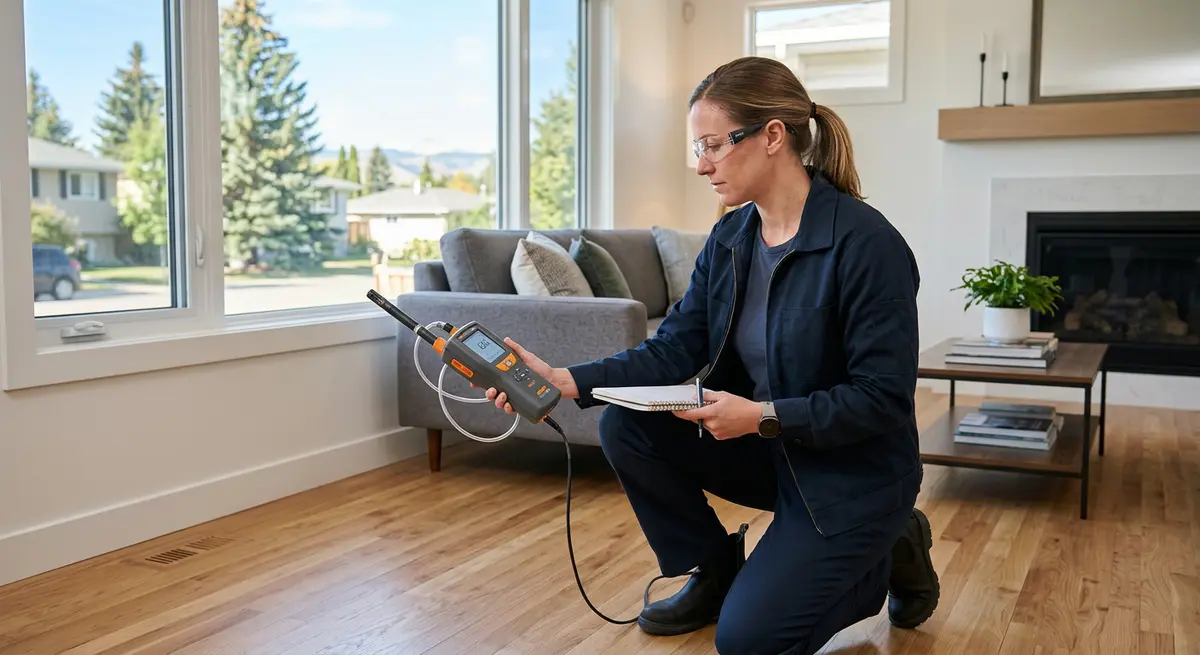
Professional remediation involves addressing dangerously modified electrical systems, treating moisture damage, and restoring proper ventilation. The Health Canada guidelines on residential indoor air quality serve as the benchmark for safety.
Remediation costs in Calgary range from $15,000 to $50,000, depending on the scale of the former operation. Documenting these investments is critical for loan approval, as lenders need proof that the structural integrity has been fully restored.
Traditional vs. Alternative Lending for Stigmatized Properties
Understanding the differences in lending criteria helps set realistic expectations. Below is a comparison of standard secondary financing versus loans on stigmatized properties in 2026.
| Lending Metric | Standard Property | Remediated Grow Op Property |
|---|---|---|
| Maximum LTV (Loan-to-Value) | Up to 85% | Maximum 65% – 75% |
| Primary Lender Type | B-Lenders, Credit Unions | Private Lenders & MICs |
| Interest Rates | Prime + 3% to 7% | Prime + 6% to 12% |
| Appraisal Requirement | Standard AVM or Drive-by | Full Interior Appraisal with Stigma Analysis |
| Processing Time | 10 – 14 Days | 30 – 45 Days (Enhanced Due Diligence) |
Step-by-Step Guide: How to Secure Alternative Financing
Navigating the complex requirements of alternative lenders requires a methodical approach. Follow these precise steps to secure financing on a former cultivation site.
- Obtain Environmental Site Assessments (ESA): Hire a certified environmental engineer to conduct Phase 1 and Phase 2 ESAs. They will test for residual mold spores, chemical fertilizers, and structural rot. This is non-negotiable for private lenders.
- Execute Professional Remediation: If the ESA flags issues, hire a specialized contractor to strip drywall, replace compromised electrical panels, and sanitize the HVAC system.
- Secure Municipal Clearances: Work with the City of Calgary to obtain a remediation certificate and close any outstanding health orders on the property title.
- Compile a Documentation Binder: Gather all permits, air quality tests, and before-and-after photos. Reviewing a comprehensive document checklist ensures you don’t miss critical paperwork.
- Draft a Letter of Explanation (LOE): Proactively address the property’s history and your remediation efforts. Drafting a letter of explanation helps structure your argument effectively for underwriters.
- Partner with a Specialized Broker: Do not apply directly to banks. A broker with access to private syndicates will package your application to highlight the property’s restored safety and current equity.
Alternative Financing and Specialized Lenders
The traditional banking sector’s reluctance has created a robust alternative financing market. Private mortgage lenders fund approximately 82% of secondary loans on remediated properties in Alberta. These lenders focus heavily on the asset’s current equity position rather than the borrower’s credit profile.
Mortgage Investment Corporations (MICs) provide another vital avenue. These entities pool investor funds to provide loans and possess highly flexible underwriting criteria. MICs evaluate properties based on current environmental condition, municipal compliance, and the borrower’s exit strategy.
For business owners looking to leverage their home equity, proving income can be an additional hurdle. Exploring stated income options for entrepreneurs is often necessary when combining a stigmatized property with non-traditional income verification.

Essential Documentation for Municipal and Lender Compliance
Documentation is the currency of approval in the alternative lending space. Lenders conduct enhanced due diligence, requiring a forensic review of the property’s restoration. Missing a single municipal sign-off can result in an immediate decline.
Dr. Sarah Jenkins, Environmental Health Specialist at the University of Calgary, emphasizes: “Proper remediation of moisture and mold is non-negotiable; residual spores can compromise both structural integrity and respiratory health for decades. Lenders rely entirely on independent, third-party air quality clearances to mitigate their liability.”
Borrowers must maintain pristine records. Understanding the rules around retaining your mortgage paperwork is crucial, as future refinancing will require the exact same historical remediation proof. You must provide the original disclosure statements, the contractor’s scope of work, the final municipal occupancy permit, and the updated property insurance binder.
Legal Disclosure Requirements in Alberta
Navigating the legal landscape requires understanding municipal, provincial, and federal layers. Calgary’s municipal bylaws mandate strict property disclosure requirements. Under the Alberta Real Estate Act, sellers and borrowers must disclose known material latent defects, including a history of cannabis cultivation, regardless of whether the operation was legal or illegal.
Elena Rostova, Real Estate Lawyer at Bow Valley Legal, states: “Failing to disclose a cultivation history during a loan application constitutes mortgage fraud. Transparency, backed by municipal remediation certificates, is the only legal pathway to securing secondary financing.”
Furthermore, if a borrower defaults on a high-risk private mortgage, the legal ramifications are swift. Homeowners must be aware of the difference between a Notice of Default and a Statement of Claim when entering into alternative lending agreements. Borrowers should also be aware of consumer protections, such as legally rescinding a high-interest loan under specific provincial exceptions.
Case Study: Leveraging Equity in a Marlborough Grow Op
To illustrate the practical application of these principles, consider the 2026 case of a Calgary homeowner in the Marlborough neighborhood. The property, purchased at a steep discount in 2022, had a documented history as an illegal cultivation site.
The homeowner invested $35,000 in professional remediation, securing all necessary City of Calgary health clearances and a pristine Phase 2 ESA. In early 2026, the homeowner needed $85,000 to fund a business expansion. Traditional banks declined the application within 48 hours due to the title disclosure.
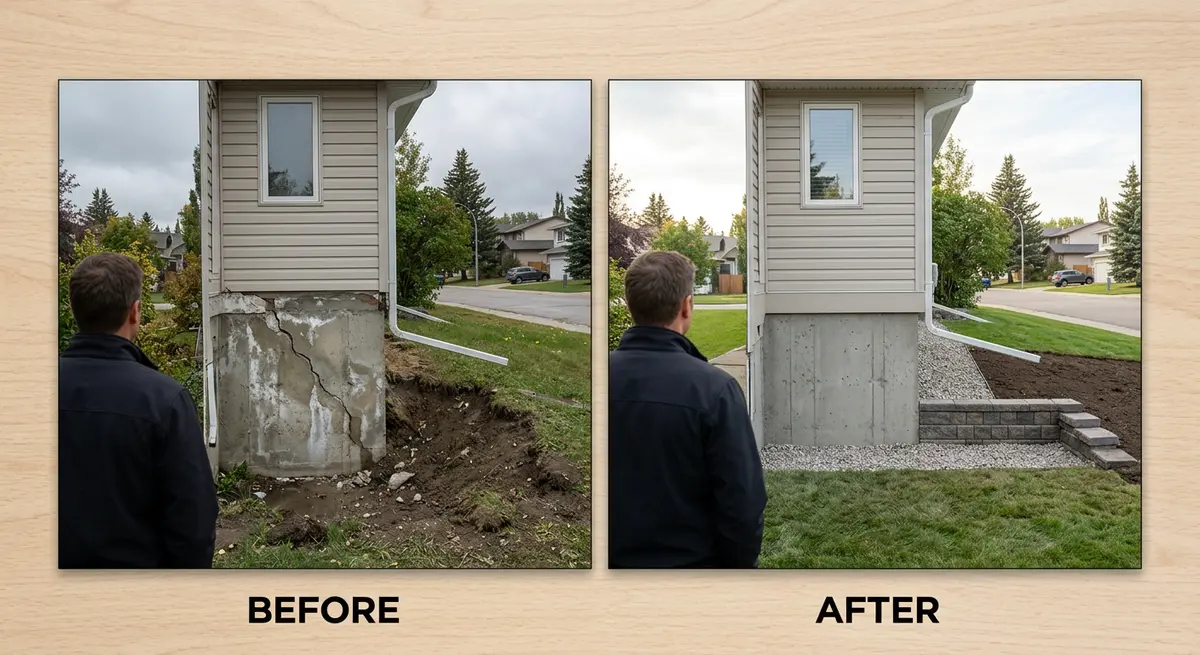
By partnering with a specialized mortgage broker, the homeowner packaged the remediation certificates, before-and-after structural photos, and a detailed letter of explanation. The broker presented the file to a Calgary-based MIC.
Because the property appraised at $550,000 (even after a 10% stigma discount) and the first mortgage was only $200,000, the resulting Loan-to-Value (LTV) was highly favorable. The MIC approved the $85,000 loan at a 10.5% interest rate on a one-year term, demonstrating that with the right documentation, financing is entirely achievable.
Long-Term Financial Strategy
Ultimately, while the path to financing is complex, homeowners are not locked out of their equity. By understanding the rigorous demands of alternative lenders and preparing an airtight documentation package, you can successfully navigate the challenges of stigmatized real estate.
For those weighing their long-term financial options, comparing secondary financing to a cash-out refinance can help determine the most cost-effective strategy for your specific situation, especially once the property has been fully rehabilitated and market conditions improve.
Frequently Asked Questions (FAQ)
Can I get a second mortgage from a major bank if my house was a grow op?
It is highly unlikely. Approximately 95% of traditional Canadian banks and credit unions will automatically decline applications for properties with a disclosed cultivation history due to strict internal risk policies.
What is a stigma discount in real estate appraisal?
A stigma discount is a reduction in a property’s appraised market value—typically 10% to 15% in Calgary—applied by appraisers to account for the psychological reluctance of future buyers to purchase a former cultivation site.
What environmental tests do private lenders require?
Private lenders require a Phase 1 and Phase 2 Environmental Site Assessment (ESA) conducted by a certified engineer. These tests verify the absence of toxic mold spores, chemical residues, and structural rot.
How much does it cost to remediate a former grow op in Calgary?
Professional remediation costs in Calgary typically range from $15,000 to $50,000. This includes stripping contaminated drywall, replacing altered electrical panels, and sanitizing the HVAC system to meet municipal health codes.
What is the maximum Loan-to-Value (LTV) I can borrow on a remediated property?
Due to the perceived risks and stigma discounts, alternative lenders generally cap the maximum Loan-to-Value (LTV) at 65% to 75% of the property’s appraised value.
Do I have to disclose the property’s history if it was fully remediated years ago?
Yes. Under the Alberta Real Estate Act, a history of cannabis cultivation is considered a material latent defect. Failing to disclose this history to a lender constitutes mortgage fraud, regardless of when the remediation occurred.
Conclusion
Securing secondary financing on a former cultivation property in Calgary is a complex but entirely viable process if approached correctly. While traditional banks may close their doors, the private lending sector offers a clear pathway for homeowners who have invested in proper environmental remediation and municipal compliance. By gathering your Phase 2 ESAs, securing your health clearances, and partnering with an experienced broker, you can unlock the equity trapped in your stigmatized property.
If you are struggling to navigate the alternative lending landscape or need help packaging your remediation documents for approval, professional guidance is essential. Get in touch with our team today to discuss your specific property history and discover the financing options available to you in 2026.