
If you have missed a payment or are worried about falling behind on your Servus Credit Union mortgage, you need to act immediately. The most critical mistake homeowners make is waiting. In Alberta, credit unions like Servus operate under provincial legislation, which means the foreclosure process can move faster than with federally regulated banks. However, you have more options than you think. By understanding the specific timeline, leveraging loss mitigation programs, and knowing your legal rights, you can either save your home or exit the situation with your financial future intact.
Key Takeaways
- Servus Credit Union foreclosures are governed by Alberta’s Law of Property Act, not the federal Bank Act, creating a distinct legal timeline.
- You typically have a 15-day redemption period after a Final Order of Foreclosure is granted, making early action essential.
- Loss mitigation options, including payment deferrals and loan modifications, are often available but require proactive communication with Servus.
- A Statement of Claim is not the end; you have 20 days to file a Statement of Defence and negotiate a resolution.
- Equity redemption through private lending or sale is a powerful tool to stop the process and protect your credit rating.
- Understanding the difference between a judicial sale and a strict foreclosure is critical for assessing your potential liability.
Understanding the Servus Credit Union Foreclosure Process in Alberta
Unlike Canada’s Big Five banks, Servus Credit Union is provincially incorporated. This distinction matters because it changes the legal framework governing your mortgage default. While banks follow the federal Bank Act, credit unions adhere to Alberta’s Law of Property Act. This means the foreclosure process is strictly judicial, requiring court involvement at every stage. According to the Government of Alberta, a lender must obtain a court order to proceed with any foreclosure action against a residential property.
The process begins with a formal demand letter. After a payment is missed, Servus typically sends a reminder, but legally, they can issue a demand letter once you are in default. This letter outlines the arrears and gives you a specific timeframe—often 10 days—to cure the default. If you fail to pay the full arrears, the credit union’s legal counsel files a Statement of Claim with the Court of King’s Bench of Alberta. This document is served to you personally and marks the official start of the foreclosure lawsuit.
Once served, the clock starts ticking. You have a limited window to respond. Ignoring the Statement of Claim allows Servus to obtain a default judgment, fast-tracking the process toward a Final Order of Foreclosure. The entire timeline, from first missed payment to a court-ordered sale, can be as short as four to six months if uncontested, though it typically takes longer when homeowners engage in the process.
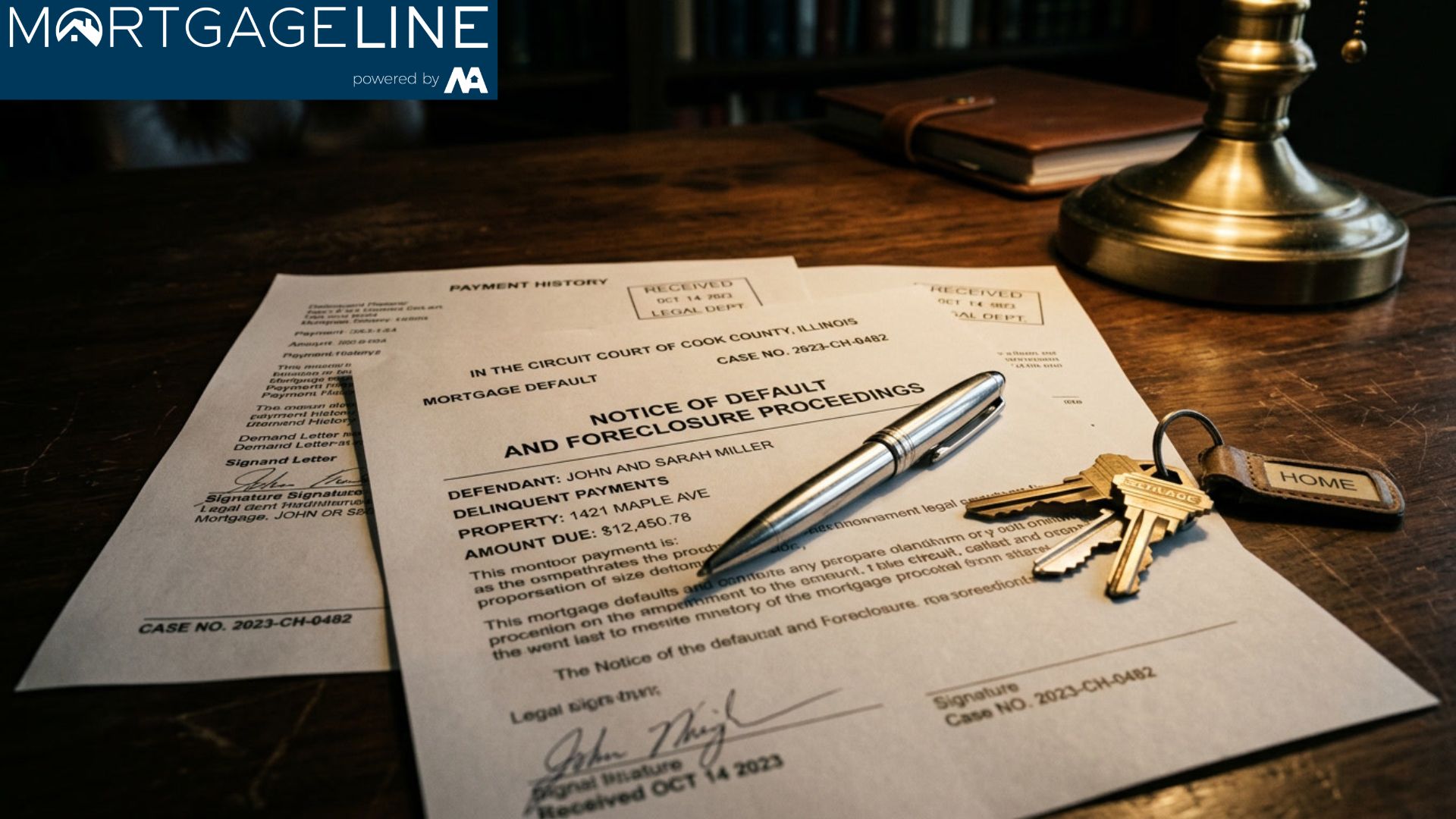
Immediate Steps to Take When You Miss a Servus Mortgage Payment
Panic is the enemy of a good outcome. The moment you realize you will miss a payment, or immediately after missing one, follow these steps precisely. First, open every piece of communication from Servus. Credit unions are member-focused, and their initial letters often contain offers for assistance, not just threats. Second, do not liquidate retirement accounts or sell assets in a fire sale before understanding your full legal position.
- Contact Servus Credit Union’s Loss Mitigation Department. Call the number on your mortgage statement and ask specifically for the collections or loss mitigation team. Explain your hardship clearly—job loss, medical emergency, divorce, or income reduction. Have documentation ready. According to the Canadian Bankers Association, proactive borrowers are significantly more likely to receive a modified payment plan.
- Calculate your exact arrears. This includes missed principal and interest payments, late fees, and any legal costs Servus has incurred so far. Legal fees can add thousands of dollars to your debt quickly, so stopping the legal process early saves money.
- Request a payment deferral or forbearance agreement. Servus may allow you to skip up to four payments, adding them to the end of your amortization. This is not forgiveness, but it buys you crucial months to sell the property, find new employment, or arrange alternative financing.
- Explore a loan modification. If your financial hardship is long-term, ask to extend your amortization back to 25 or 30 years, or to convert from a variable to a fixed rate. This lowers your monthly obligation permanently.
- Gather all loan documents. Locate your original mortgage commitment, any renewal agreements, and property tax records. You will need these for any legal consultation.
Responding to a Statement of Claim from Servus Credit Union
Receiving a Statement of Claim is intimidating, but it is a procedural step, not a final judgment. The document outlines the total amount claimed, including principal, interest, legal fees, and costs. It also describes the property legally. You have exactly 20 days from the date of service to file a Statement of Defence at the courthouse if you wish to dispute the claim. If you do not dispute the amount owing but need time, you can file a Demand for Notice, which prevents Servus from noting you in default without further warning.
As Sarah Thompson, a Calgary-based real estate lawyer, explains: “Many homeowners think a Statement of Claim means they must vacate in 30 days. That is false. It is an invitation to negotiate. By filing a Defence, you force the credit union to prove its case, which often brings them to the table for a settlement that avoids a full foreclosure trial.” This negotiation can result in a consent order for a redemption period or a structured sale.
If you cannot afford a lawyer, contact the Law Society of Alberta for a referral to a duty counsel or a legal aid clinic. Representing yourself is risky, but filing a basic Statement of Defence that acknowledges the debt while requesting a reasonable redemption timeline is better than doing nothing. The court has the discretion to grant a redemption period of up to six months in some cases, though 30 to 90 days is more common.
Loss Mitigation and Workout Options Specific to Credit Unions
Servus Credit Union, as a member-owned cooperative, often has more flexibility than a chartered bank. Their loss mitigation strategies are designed to keep members in their homes where possible. A 2026 report from the Alberta Mortgage Brokers Association indicates that credit unions have a 30% higher rate of successful loan workouts compared to national banks, largely due to their localized decision-making.
One unique option is a partial claim advance. If your default was caused by a temporary setback, Servus may advance a no-interest loan to cover the arrears, secured by a second mortgage. You repay this only when you sell or refinance. Another tool is a blended payment plan, where your arrears are spread over a 12- to 24-month period and added to your regular payment. This avoids a lump-sum repayment that most struggling homeowners cannot afford.
For severe cases, a short sale might be the best solution. This involves selling the property for less than the mortgage balance, with Servus agreeing to forgive the remaining debt. In Alberta, credit unions can pursue a deficiency judgment for the shortfall, but they often waive this right in a negotiated short sale to avoid litigation costs and a lengthy collection process. Always get a written agreement that the sale satisfies the debt in full.

How to Use Equity Redemption to Stop the Foreclosure
Equity redemption is your most powerful weapon. Until a Final Order of Foreclosure is granted by the court, you have the right to redeem the mortgage by paying the full amount owing, including all legal costs. Even after a Final Order, Alberta law provides a redemption period—typically 15 days for residential properties—where you can still reclaim your home by paying the entire judgment amount.
Raising this capital is the challenge. Traditional banks will not refinance a mortgage in default. This is where private lending solutions become critical. By accessing the equity in your home through alternative financing, you can pay out Servus entirely, stop the legal process, and replace the defaulted mortgage with a new, manageable loan. This strategy preserves your equity and prevents a foreclosure from appearing on your credit report.
Consider the case of a Red Deer homeowner who faced a Servus foreclosure after a prolonged layoff in the energy sector. With $180,000 in equity but $22,000 in arrears, a traditional refinance was impossible. By securing a short-term equity-based loan, they paid the full arrears and legal costs, stopping the Statement of Claim. They then had 12 months to sell the property at market value, netting over $150,000 after all debts were cleared, rather than losing everything in a forced judicial sale.
To explore this path, you must act before the Final Order of Foreclosure is granted. Once the court issues that order, your redemption window shrinks dramatically. For more detailed strategies on navigating the final stages of this process, review our guide on the timeline for a Final Order of Foreclosure.
Comparing Judicial Sale vs. Strict Foreclosure in Alberta
Alberta’s Law of Property Act allows for two types of foreclosure remedies. Understanding the difference is essential because it affects your potential liability after losing the property.
| Feature | Judicial Sale | Strict Foreclosure |
|---|---|---|
| Process | Court orders the property sold, usually by a realtor, with proceeds going to the lender. | Title transfers directly to the lender, extinguishing your ownership. |
| Deficiency Judgment | Lender can sue you for the shortfall if the sale price is less than the debt. | Lender typically cannot pursue a deficiency; the property is taken in full satisfaction. |
| Surplus | Any sale proceeds above the debt go to you. | No surplus; lender keeps all equity. |
| Common Usage | Most common for residential properties with equity. | Rare; used when the property value is less than the debt. |
Servus Credit Union, like most lenders, typically seeks a judicial sale. This allows them to recover the full debt and costs. However, if your property is significantly underwater, they may apply for strict foreclosure to take possession quickly and avoid a lengthy sale process. If you have substantial equity, a judicial sale is actually preferable because you receive the surplus. The danger lies in a deficiency judgment, where you lose the house and still owe money. Negotiating a consent order that waives the deficiency is a key goal of any legal defence.
For homeowners dealing with other major lenders, the principles are similar but the processes differ slightly. You can learn more about handling defaults with other institutions in our article on managing a BMO foreclosure in Alberta.
The Role of Second Mortgages and Private Lending in Default Resolution
When a conventional lender refuses to refinance a mortgage in arrears, private lending fills the gap. This is not a predatory last resort; it is a strategic bridge. A private lender evaluates the equity in your property, not your current credit score or employment status. If you have at least 20% to 25% equity, you can likely secure a loan to pay out the defaulted first mortgage entirely.
As Mark Chen, a senior underwriter at a national private lending firm, notes: “We view a Servus foreclosure file not as a toxic asset, but as a solvable equation. If the homeowner has 30% equity, we can structure a 12-month interest-only loan that gives them breathing room to sell on their own terms or stabilize their income. The key is speed—we can fund in 5 to 7 business days, which is often within the redemption window.”
This approach is particularly effective for self-employed individuals or those with irregular income who cannot qualify for a traditional mortgage despite having significant assets. The interest rates are higher, typically 8% to 12% in 2026, but the cost is far lower than losing $100,000 or more in equity through a forced sale. For a deeper understanding of how these financial tools work, read our expert guide on the pros and cons of second mortgages.
Furthermore, if your default stems from a specific, large expense rather than ongoing income insufficiency, targeted equity access can solve the root problem. For instance, some homeowners face default after a major unexpected repair. We have seen cases where using a second mortgage to repair flood damage allowed a homeowner to restore their property’s value and refinance out of a default situation entirely.
Legal Defences and Courtroom Strategies for Alberta Homeowners
If you have been served with a Statement of Claim, you have legal grounds to challenge the foreclosure or delay the process. One common defence is improper service. If Servus did not serve you personally according to the Alberta Rules of Court, you can have the action set aside. Another defence is a miscalculation of the debt. Demand a full accounting of all legal fees and costs added to the arrears; credit unions sometimes include non-recoverable charges.
A more substantive defence is a breach of the lender’s duty of good faith. In 2026, Canadian courts increasingly recognize that lenders must act honestly and reasonably in exercising their contractual rights. If Servus refused a reasonable repayment plan without proper consideration, a judge may order them back to mediation. This is not a permanent solution, but it buys months of time and often leads to a better settlement.
You can also file an application for a stay of proceedings if you have a viable plan to cure the default. For example, if you have listed the property for sale at a realistic price and can show a pending offer, the court will almost always grant a stay to allow the sale to close. The court’s primary interest is ensuring the debt is paid, not punishing the homeowner. Presenting a concrete, documented plan is far more effective than asking for mercy based on hardship alone.

Rebuilding Your Financial Profile After a Servus Default
A mortgage default, even if resolved without a full foreclosure, will damage your credit score. A missed payment stays on your Equifax report for six years. However, the impact diminishes over time, and you can take immediate steps to rebuild. First, if you negotiated a repayment plan and are now current, ask Servus to report your mortgage as “paid as agreed.” They are not obligated to do so, but a goodwill letter explaining your recovery can sometimes succeed.
Second, focus on rebuilding credit with secured products. A secured credit card or a small RRSP loan can re-establish a positive payment history within 12 to 18 months. Third, if you lost the property to a judicial sale and a deficiency judgment was entered against you, consider a consumer proposal. This legal process consolidates your debts and stops collection actions, including wage garnishments. It has a less severe credit impact than bankruptcy and allows you to keep other assets.
For homeowners who used private lending to redeem their mortgage, the exit strategy is crucial. The goal of a bridge loan is not to stay in it indefinitely. You must either refinance back into a conventional mortgage once your credit recovers or sell the property. Planning this exit from day one prevents a second default. If you are dealing with tax debts that complicate your financial recovery, you may find our guide on using home equity to pay CRA tax arrears helpful.
Frequently Asked Questions
How long does a Servus Credit Union foreclosure take in Alberta?
An uncontested foreclosure can take 4 to 6 months from the first missed payment to a Final Order of Foreclosure. If you file a Statement of Defence and negotiate, the process can extend to 8 to 12 months or longer, providing valuable time to arrange a sale or refinancing.
Can Servus Credit Union take my other assets if I default on my mortgage?
Yes, potentially. If the property is sold via judicial sale and the proceeds do not cover the full debt, Servus can obtain a deficiency judgment against you. This judgment allows them to pursue other assets, such as vehicles, investments, or wages, through garnishment.
What is the redemption period after a Final Order of Foreclosure?
Under Alberta law, the standard redemption period for residential properties is 15 days after the Final Order is granted. During this time, you can pay the full judgment amount plus costs and reclaim your property. The court has discretion to extend this period in exceptional circumstances.
Will a consumer proposal stop a Servus foreclosure?
Filing a consumer proposal triggers an automatic stay of proceedings, which temporarily halts all collection actions, including a foreclosure lawsuit. However, this is a temporary measure. To keep the home long-term, you must still cure the mortgage arrears or negotiate a new payment arrangement with Servus.
Can I sell my house during a foreclosure process?
Absolutely. You retain the right to sell your property at any point before a Final Order of Foreclosure is granted. Selling allows you to control the sale price, pay off the mortgage, and preserve any remaining equity. The court will typically grant a stay of proceedings to facilitate a pending sale.
Does Servus Credit Union offer mortgage payment deferrals?
Yes, Servus offers payment deferral programs for members facing temporary financial hardship. You can typically defer up to four mortgage payments, which are added to the end of your amortization. You must apply and be approved before missing the payments to qualify.
What is the difference between a credit union and a bank foreclosure in Alberta?
The primary difference is the governing legislation. Credit unions like Servus are governed by the provincial Law of Property Act, while federally chartered banks follow the Bank Act. This affects the specific court procedures and timelines, though the overall process is similar. Credit unions are often more flexible with loss mitigation due to their member-focused structure.
Conclusion
A mortgage default with Servus Credit Union is a serious financial crisis, but it is a solvable one. The legal process in Alberta is designed to give you multiple opportunities to cure the default, redeem the property, or negotiate an orderly exit. The single most important factor in a successful outcome is early, proactive engagement. Contact Servus before they contact you. Seek legal advice immediately upon receiving a demand letter. Explore every financial tool available, from loan modifications to equity-based private lending, to bridge the gap.
Your home equity is a significant asset that should not be forfeited through inaction. Whether you need to understand the nuances of a foreclosure Statement of Claim or are looking for strategies to stop a sale by another lender like stopping an RBC foreclosure, the principles of swift action and informed decision-making apply universally. If you are facing a default and need to explore your options for accessing your home equity quickly, contact our team today for a confidential, no-obligation assessment of your situation.
References
- Government of Alberta. Law of Property Act, RSA 2000, c L-7. alberta.ca
- Canadian Bankers Association. “Mortgage Deferral and Relief Options.” cba.ca
- Law Society of Alberta. “Find a Lawyer Referral Service.” lawsociety.ab.ca
- Alberta Mortgage Brokers Association. “2026 Industry Report on Loan Workouts.” amba.ca
- Equifax Canada. “Understanding Your Credit Report and Score.” equifax.ca
- Office of the Superintendent of Bankruptcy Canada. “Consumer Proposals.” ic.gc.ca