Yes, you can often get a second mortgage on a Calgary property with a registered utility right of way. The right of way is an interest registered on your Alberta title, not a debt against you. A lender and lawyer will read it and see where it sits. Then they judge whether equity and title still support a second.
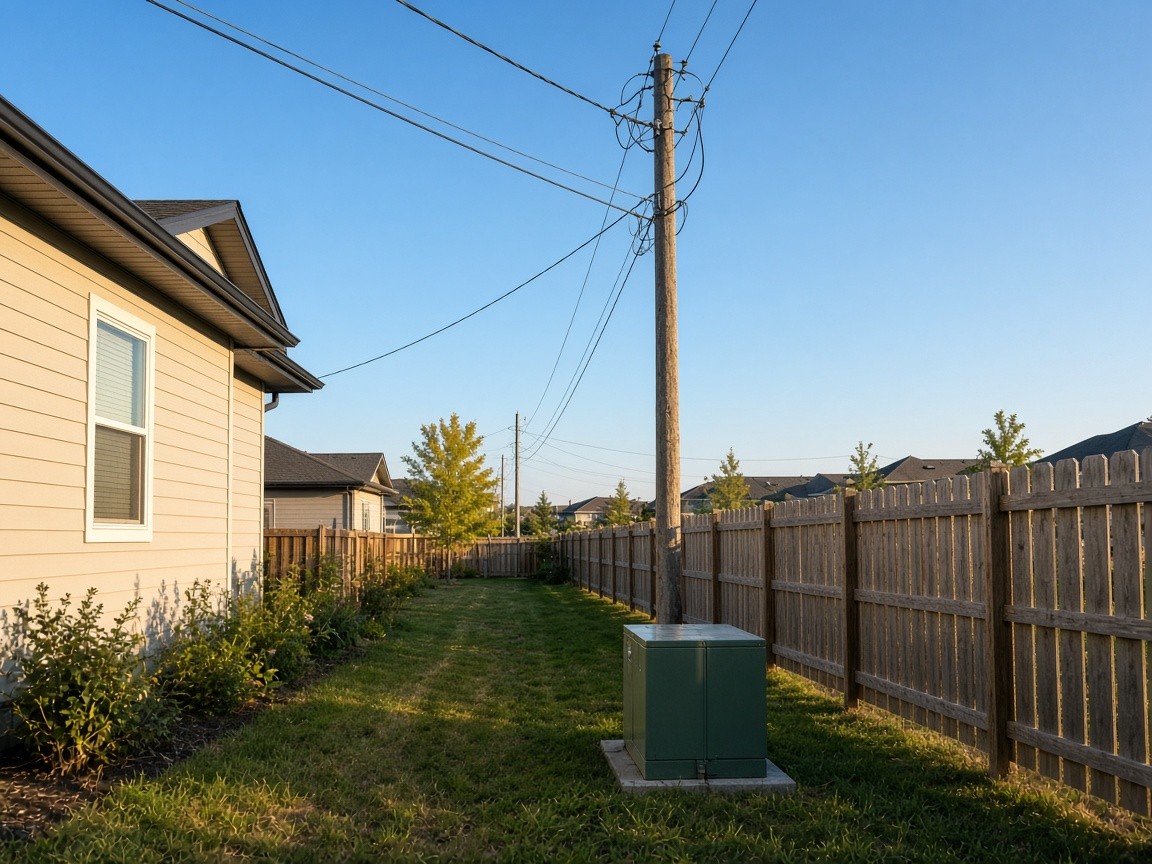
Many Calgary titles carry these registrations. They are usually granted for pipelines, power lines, water, sewer, and other utility work. You keep ownership of the land, but a utility or the Crown holds certain rights over part or all of it.
At The Second Mortgage Store, Lance Dawson has spent 22+ years reading Calgary titles before anyone talks about rates. A messy title can stop a file early, so we look at the registrations first. We are a mortgage brokerage, not a law firm, and your lawyer confirms what each instrument means.
In this guide, we explain what a utility right of way is under Alberta land titles practice. We also cover how it shows up on your title and what lenders look at.
Table of Contents
- Utility Rights of Way and Second Mortgages at a Glance
- What a Registered Utility Right of Way Is in Alberta
- How to Find the Right of Way on Your Calgary Title
- Blanket Versus Surveyed Rights of Way
- What a Second Mortgage Lender Looks At
- Can a Right of Way Be Removed Before You Borrow?
- Steps to Take Before You Apply
- Frequently Asked Questions
- Talk to a Calgary Broker About Your Title
Utility Rights of Way and Second Mortgages at a Glance
A utility right of way is a statutory interest under Alberta’s Land Titles Act. It gives the Crown or a corporation, such as a utility or a municipality, rights on, over, or under your land. It is registered only against the land it affects.
Once registered, the rights stay with the grantee and its successors until a discharge is registered. Selling the home or adding a mortgage does not erase it. Your second mortgage would be registered on the same title, with the right of way already there.
Most lenders treat it as part of the title picture, not as a reason to decline on its own. What matters is where it sits, what it allows, and whether equity is still there.
Want to know if your title is ready for a second? Send us your title and your first-mortgage statement. We will review both before anyone orders an appraisal.
What a Registered Utility Right of Way Is in Alberta
Alberta Land Titles explains these registrations in its Land Titles procedure for utility rights of way. It says they are most often granted for gas and oil pipelines and municipal utilities. They suit work that needs a continuous path under many parcels of land.
The grantor is the registered owner of the land. The grantee must be the Crown or a corporation, which can include a municipal corporation. The owner must sign the agreement for it to be registered against the parcel.
The procedure lists the purposes a right of way can cover. These include cables, wires, poles, and transmission lines, plus pipelines, water, drainage, and sewage. Public works, rail and light rail transit, and temporary roadways are on the list too.
A utility right of way differs from an ordinary easement. A regular easement needs a neighbouring parcel that benefits from it. The statute removes that need for these utility grants.
How to Find the Right of Way on Your Calgary Title
Start with a current copy of your title from Alberta Land Titles. Registrations appear as endorsements, each with a registration number and a short description. It is entered on title as a utility right of way, even if the document calls itself an easement.
The endorsement usually names the grantee. It may also point to a registered plan that shows the strip of land affected. Those details tell your lawyer and lender which part of the lot is involved.
Other registrations may sit beside it, such as your first mortgage, caveats, or older easements. Each is part of what a second lender reviews. Seeing them all together helps you ask better questions.
If you cannot read the endorsement easily, do not guess. Ask your lawyer to pull the instrument and any plan behind it. We will also look at it with you when we review your file.
Blanket Versus Surveyed Rights of Way
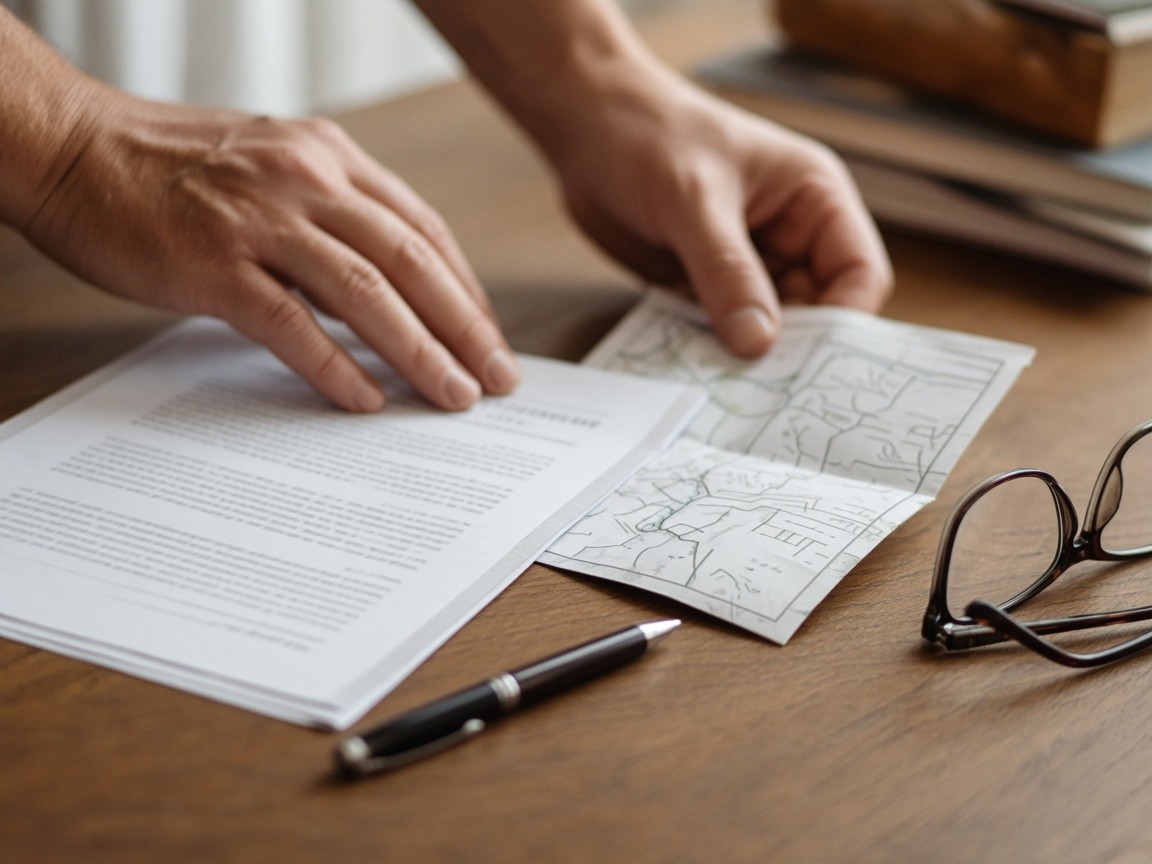
The Land Titles procedure describes a few ways a right of way can be granted. It can cover the whole parcel, such as a lot or block. It can also cover only part of the parcel.
A partial grant must be described by a registered plan of survey or an approved legal description. A sketch alone is not enough. That gives everyone a clear picture of where the rights apply.
Some agreements start as a blanket grant over the whole parcel. They then say a survey plan and partial discharge will be registered later to limit the area. Until that partial discharge is registered, the rights cover the whole parcel.
This is worth checking on your title. A narrow surveyed strip and a blanket grant can read very differently to a lender. The paperwork tells the story, so we read it before we shop your file.
What a Second Mortgage Lender Looks At
A second sits behind your first mortgage on title, and its rank is the lender’s security. So the lender wants a clean picture of every registration ahead of it. A utility right of way is another item on that list.
In general terms, lenders look at the grantee, the purpose, and where the rights sit on the lot. They also look at the appraisal, because value drives the room for a second. Whether a right of way affects value is a question for the appraiser, not a guess from us.
Not sure how your right of way will read to a lender? Tell us what is on your title. We will tell you plainly whether a second looks workable before you pay for anything.
The rest of the file works like any other second. Combined loan-to-value, credit, income, and the purpose of the money still matter. For the full process, see how a second mortgage works in Alberta when other interests are already on title.
Can a Right of Way Be Removed Before You Borrow?
Usually you do not need to remove it, and you cannot remove it on your own. The Land Titles procedure says a discharge must be signed by the current grantee. That is the utility, municipality, or other corporation that holds the rights.
If the grantee has mortgaged its right of way, there is an extra step. That mortgage must be discharged, or its lender must consent to the discharge. These are steps on the grantee’s side, not yours.
Blanket grants are often partly discharged after the survey plan is registered. The rights then stay only on the surveyed portion. If your title still shows a blanket grant, your lawyer can ask whether a partial discharge was ever registered.
The right of way can also change hands. The procedure says the current grantee can transfer it, but only to another permitted grantee. So the name on your title may change while the rights carry on.
Steps to Take Before You Apply
Pull a current title and list every registration on it. Then gather your first-mortgage statement and your property-tax status. Those documents tell us how much room a second may have.
Next, ask your lawyer for a copy of the right of way instrument and any plan it refers to. Note who the grantee is and what the grant allows. Keep those papers with your mortgage file.
Finally, be clear about why you need the money. Purpose changes which lender fits and what the second costs. A clear purpose and a clean title story make every lender conversation shorter.
If something on title surprises you, raise it early. A question asked before the appraisal costs far less than a question found at the lawyer’s office. We would rather slow down than fund a file with an unanswered title question.
Frequently Asked Questions
Does a utility right of way stop you from getting a second mortgage?
Not by itself. It is an interest registered on title that lenders and lawyers review. Equity, credit, income, and the full title picture still decide the file.
Who owns the land under a utility right of way?
You still own the land as the registered owner. The grantee holds rights on, over, or under it for the purposes in the grant. Those rights stay until a discharge is registered.
Does a utility right of way lower your home’s value?
That is for the appraiser to judge on your property. We do not assume it does or does not. Location, size, and purpose of the right of way all feed into the appraisal.
What do lenders need to see for a second on a home with a right of way?
They need a current title, your first-mortgage statement, and a proper appraisal. Your lawyer reviews the right of way instrument and any plan. Income and credit documents complete the file.
Talk to a Calgary Broker About Your Title
A registered utility right of way is common on Calgary titles. It gives a utility or the Crown certain rights over your land until it is discharged. In many cases, it does not stop a second mortgage on its own.
Lance Dawson (BA adv., MA) brings 22+ years of experience to every Calgary title he reviews. We size the equity, read the registrations, and stop the file if a second will not help. We cannot guarantee an approval, and we do not give legal advice.
If a right of way on your title has you worried, talk to us first. We will walk through your title and tell you honestly what a second could look like.