Often, yes: a home equity loan in the flood fringe or floodway is usually possible with enough equity and a clear plan. Location still matters. The floodway is the highest-hazard area, so lenders may ask more questions there. Homes in the flood fringe tend to face fewer hurdles, but every file is reviewed on its own.
Many Calgary homes sit close to water, and owners love those neighbourhoods. When it is time to borrow, flood maps can suddenly feel very important. Knowing your zone helps you prepare.
At The Second Mortgage Store, Lance Dawson has spent 22+ years helping Calgary homeowners use their equity carefully. We check location early, so nothing surprises you at appraisal. Then we show the full cost in writing.
In this guide, we explain floodway and flood fringe in plain terms. We cover the fringe sub-zones, how to look up your home, and how lenders may respond. We also cover borrowing for flood resilience work.
Table of Contents
- Flood Zones and Home Equity Loans at a Glance
- Floodway vs Flood Fringe: The Basic Difference
- Flood Fringe Sub-Zones Worth Knowing
- How to Check Where Your Calgary Home Sits
- How Lenders and Appraisers May View Flood-Zone Homes
- Using Equity for Flood Resilience Work
- Questions to Ask Before You Borrow
- Frequently Asked Questions
- Talk to a Calgary Broker About Your Flood-Zone Home
Flood Zones and Home Equity Loans at a Glance
A home equity loan lets you borrow against the value you have built in your home. It can be a second mortgage, a refinance, or a line of credit. The right choice depends on your first mortgage, income, and plans.
Flood mapping adds another layer. The flood hazard area is mainly divided into the floodway and the flood fringe. The floodway usually carries the deepest, fastest water during the design flood.
A home in the fringe is often easier to finance than a home in the floodway. Still, equity, condition, and your exit plan matter most. Clear answers about your zone help the file move faster.
The rest of the review looks familiar. Lenders check your equity, your first mortgage, and how you plan to repay. A sound exit plan carries real weight.
Own a Calgary home near the river and need equity? Send us your address and first-mortgage statement. We will check the flood map with you and explain your options, with all costs.
Floodway vs Flood Fringe: The Basic Difference
The province explains these terms through its Flood Hazard Identification Program. Its flood hazard maps define floodway and flood fringe areas for the design flood. Communities use these maps for planning and land use decisions.
When maps are first produced, the floodway typically represents the area of highest hazard. There, design flood flows are deepest, fastest, and most destructive. Updated maps may keep the floodway the same size to give landowners certainty.
The flood fringe is the part of the flood hazard area outside the floodway. Water there is typically shallower and slower than in the floodway. That difference often shapes how lenders and insurers react.
Think of the floodway as the main channel of a big flood. The fringe is the land that gets wet around it. Both are mapped, but the risk is not the same.
Flood Fringe Sub-Zones Worth Knowing
Depending on when a flood study was done, the fringe may include sub-zones. Each tells you something different about risk. Look for them on your map.
The high hazard flood fringe marks areas with deeper or faster water than the rest of the fringe. These areas appear on maps from all newer flood studies. A lender may treat them more like the floodway.
The overland flow (flood fringe) sub-zone is an older label. It marks areas where flooding is expected but water levels are uncertain. The province says it will be phased out as older studies are replaced.
The protected flood fringe covers areas that could flood if dedicated flood berms fail. These areas are not expected to flood, but some residual risk remains. Ask how your lender views protected areas.
Sub-zone labels can sound technical, but they matter. Bring the exact label from your map to your broker. It saves guesswork and helps match you with a suitable lender.
How to Check Where Your Calgary Home Sits
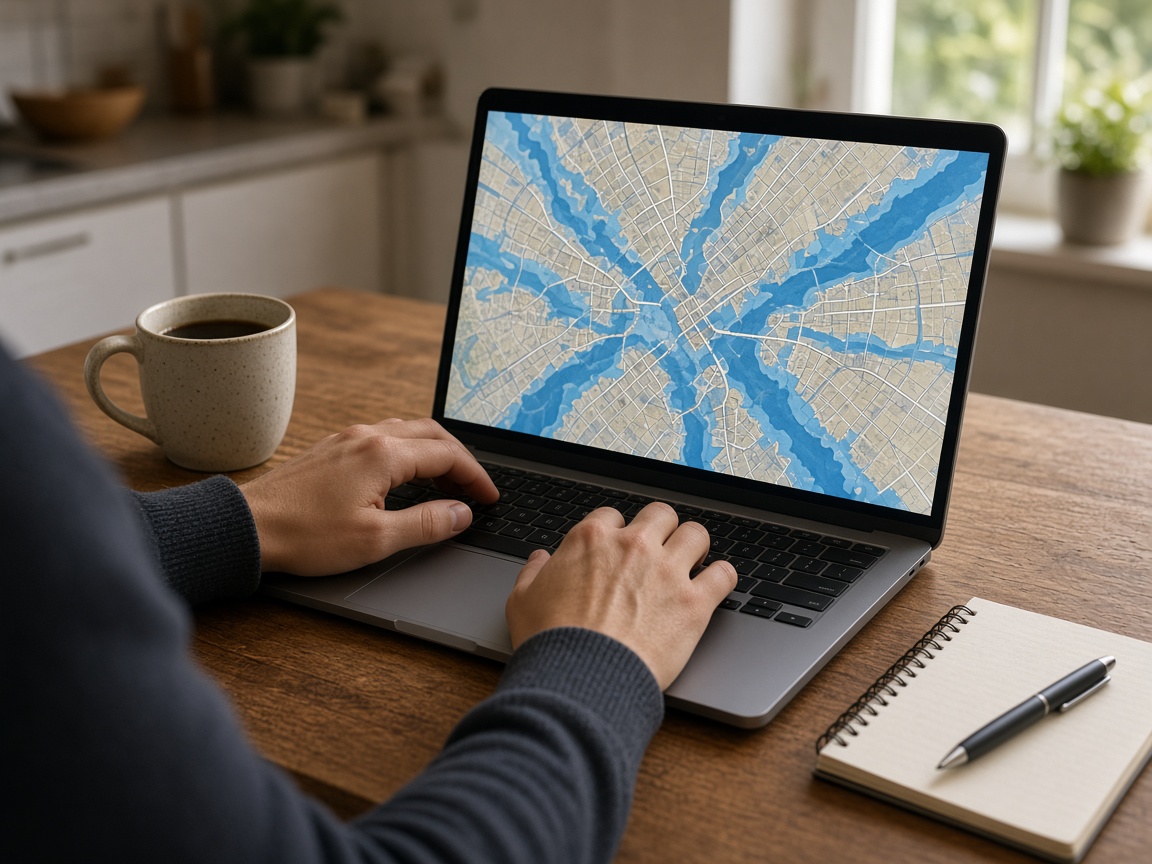
The province offers an online Flood Awareness Map. You can search by street address, postal code, or legal land description. Clicking a flooded area shows details such as flood zone and flood depth.
Check both final and draft maps if they exist for your area. Draft maps can signal changes before they become final. Save a screenshot of what you find.
Remember that flood maps are not available everywhere. The province notes that flood risks exist in areas without flood mapping. A home outside a mapped zone is not automatically risk-free.
Share your findings with your broker before the appraisal. An appraiser may note the location anyway. Raising it first shows you understand your property.
Also gather any history you have. Note past water in the basement, repairs, and insurance claims. Honest records build trust with a lender.
How Lenders and Appraisers May View Flood-Zone Homes
Lenders want to know the home will hold its value over the loan term. Flood location can affect that view. Expect more questions for floodway homes than for fringe homes.
A lender may ask about past flooding, repairs, and insurance. Proof of completed repairs can reassure everyone. Photos and invoices help tell the story.
An appraiser may consider the flood zone when comparing recent sales. Each appraiser and lender forms their own view. We cannot promise how a specific file will be treated.
Private lenders often focus more on equity and the exit plan than on income. Bank lenders usually look harder at income and credit. A broker can match your home and your situation to the right lender.
Not sure how a lender will see your flood-zone home? Lance Dawson has 22+ years of experience placing Calgary files. We will give you an honest read before you pay for an appraisal.
Some lenders simply prefer to avoid floodway homes. Others are comfortable with them when equity is strong. Knowing the difference early saves time and application fees.
Using Equity for Flood Resilience Work
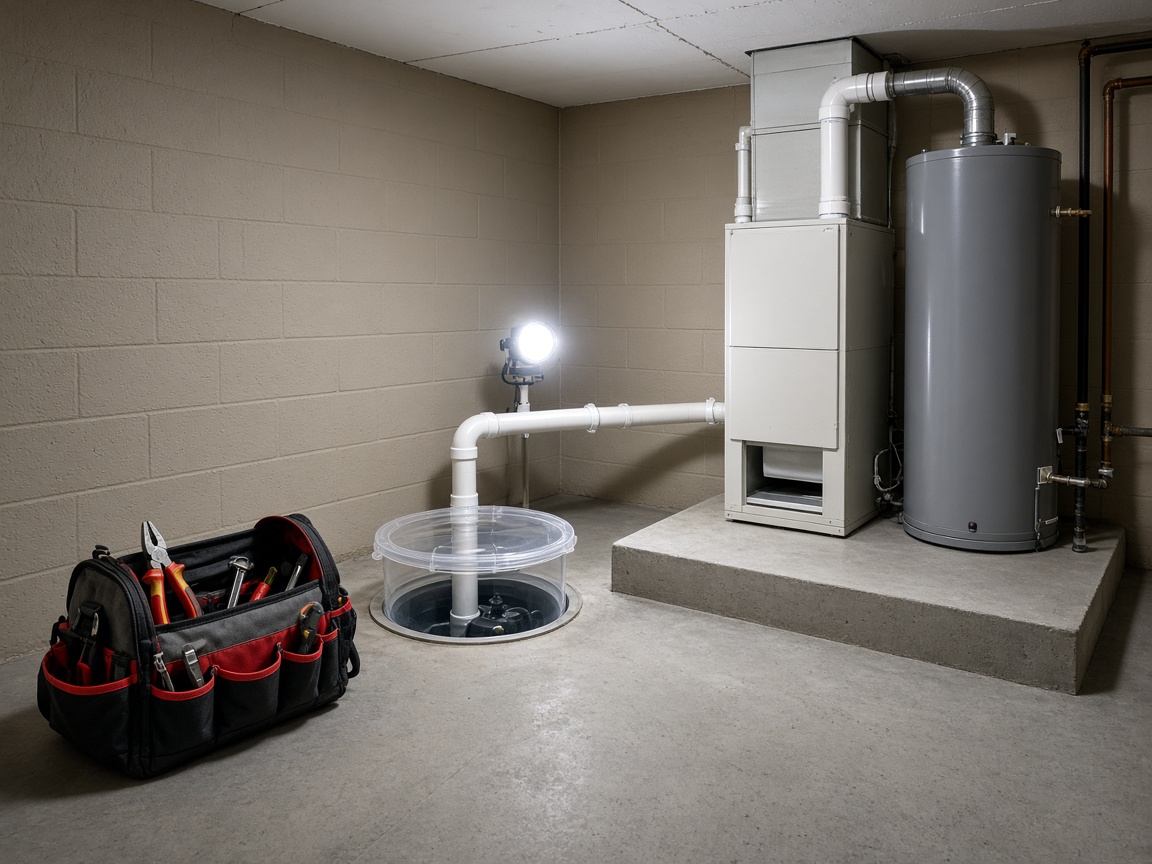
Some owners borrow to make their home more resilient. Common projects include drainage, sump systems, and backflow protection. Others move key equipment higher in the house.
Talk to The City about permits before you start. Some work in flood areas may have extra rules. Get written quotes from trades who have worked on similar homes.
A home equity loan can raise a lump sum for this work. Borrow only what the plan needs. A smaller loan costs less and is easier to repay.
Keep every invoice and permit. Records of resilience work may help with future appraisals and insurance conversations. They also help when you sell or refinance.
Build a cushion into your budget for surprises. Older basements can hide problems that only appear once work begins. Planning for that avoids a second round of borrowing.
Questions to Ask Before You Borrow
Ask which zone your home sits in on the latest map. Ask whether a draft map could change that. Write down what you find.
Ask your insurer what your policy covers for flooding and overland water. Ask your lender whether it requires specific coverage. Get the answers in writing.
Compare options side by side. Our guide on how home equity loans in Calgary are priced and approved walks through the choices. Ask for the full cost: rate, lender fee, brokerage fee, legal, and appraisal.
We are a mortgage brokerage, not an insurer, an engineer, or a law firm. The province maps flood hazards, and The City sets local rules. We handle the financing.
Finally, ask about the term and what happens at renewal. Ask whether you can repay early without a penalty. Short terms are common with private seconds, so plan your exit early.
Frequently Asked Questions
What does flood fringe mean for a Calgary home?
The flood fringe is the part of the flood hazard area outside the floodway. Water there is typically shallower and slower. Some fringe areas carry extra labels, such as high hazard or protected.
What is the difference between a floodway and a floodplain?
Provincial maps call the flooded area the flood hazard area. It is mainly divided into the floodway and the flood fringe. The floodway is the highest-hazard part, with the deepest and fastest water.
Can a flood map change after you buy a Calgary home?
Yes, flood maps are updated as new studies are completed. Draft maps can show proposed changes before they become final. Check the latest maps before you borrow.
Should you borrow against a Calgary home in a flood zone?
It depends on your equity, your repayment plan, and the purpose of the loan. Borrowing for resilience work can make sense. Borrowing without a clear exit adds risk. Talk through your plan with a broker before you apply.
Does a home equity loan cover flood insurance?
No, a home equity loan and home insurance are separate. Your lender may ask to see proof of coverage. Ask your insurer exactly what your policy includes for flooding.
Talk to a Calgary Broker About Your Flood-Zone Home
Borrowing against a Calgary home in the flood fringe or floodway is often possible with enough equity. Know your zone, document repairs, and check your insurance. Then compare the full cost before you sign. A little preparation now can make the whole file much smoother.
Lance Dawson (BA adv., MA) brings 22+ years of experience and a background in Canadian housing policy to every file. We show the full cost in writing before anyone commits. We cannot guarantee an approval, and we do not give legal advice.
If your home sits near the water and you need equity, talk to us first. We will look up your zone with you and tell you plainly what to expect.