Yes, a second mortgage can pay for restaurant equipment upgrades if you own a Calgary home with enough equity. The loan is registered against your house, not the kitchen gear. That can help when an equipment lender says no or the business is young. The trade-off is real, because your home secures a business purchase, so the upgrade has to earn its keep.
Restaurant owners replace equipment all the time. A walk-in cooler fails, a hood system needs work, or a new menu needs a bigger oven. The quote often lands at the worst moment for cash flow.
At The Second Mortgage Store, Lance Dawson has spent 22+ years helping Calgary homeowners use equity with care. We look at the equipment quote, your home’s equity and your plan to repay. Then we tell you plainly whether a second makes sense.
This guide compares home equity with equipment financing and a business loan. It also covers matching the loan term to the equipment’s life, and the paperwork a lender will want.
Table of Contents
- Equipment Upgrades and Home Equity at a Glance
- Equipment Financing, a Business Loan or Home Equity?
- Match the Loan to the Equipment’s Working Life
- Quotes, Installation and the Hidden Extras
- What a Lender Will Want to See
- Protecting Your Home When the Business Carries the Risk
- Frequently Asked Questions
- Talk to a Calgary Broker About Your Kitchen Upgrade
Equipment Upgrades and Home Equity at a Glance
A second mortgage is a new loan registered behind your first mortgage on your home. You keep the first mortgage as it is. The lender sizes the new loan to the equity left after existing charges.
For a restaurant owner, the money can pay a supplier, an installer or a trades contractor. The lender looks mainly at your home and your ability to carry both payments.
That is different from equipment financing, where the gear itself usually secures the loan. It is also different from a business loan, which leans on the restaurant’s own records. Home equity can fill a gap when those routes fall short. It also puts your house behind a business decision.
Need a new cooler, range or hood before the busy season? Send us the supplier quote and your first-mortgage statement. We will tell you what your equity could support.
Equipment Financing, a Business Loan or Home Equity?
Start by asking your supplier and your bank what they offer. Many suppliers work with equipment lenders who finance the gear directly. Banks may offer a term loan for the restaurant itself.
Government programs can help too. The federal Canada Small Business Financing Program shares risk with lenders on loans to small businesses. Its page lists equipment, renovations and working capital among the uses. You apply through a financial institution, not the government.
Home equity is a different tool. It may suit owners whose restaurant is new, whose books are thin, or who need several items at once. It may also help when a supplier’s lender declines a used or custom piece.
Each route has its own cost and paperwork. Compare them side by side before you choose. Sometimes the best answer is a mix, with the supplier financing some gear and equity covering the rest.
Watch for conditions in each offer. Some equipment loans limit what you can do with the gear until it is paid off. Some business loans ask for a personal guarantee anyway. Read the fine print so you know what is truly at stake.
Match the Loan to the Equipment’s Working Life
Think about how long the equipment will serve you. A well-built range can last for years. A point-of-sale tablet may need replacing much sooner.
A loan that outlives the equipment can leave you paying for something already gone. So match the repayment plan to the useful life of what you buy. Your supplier and your accountant can help you estimate that life.
Second mortgages, especially private ones, often run on short terms. That means you need a plan for what happens at renewal. You might refinance into a longer loan, pay it down from profits, or sell the home later.
Write the exit plan down before you borrow. Lenders like to see it, and it keeps you honest about the numbers. If the plan depends on sales that have not happened yet, build in a cushion.
Ask about prepayment terms too. If a busy season lets you pay the loan down early, you want that option. Some lenders charge for early repayment, so get the terms in writing.
Not sure the term fits the gear? Lance Dawson brings 22+ years of experience to questions like this. We will walk through the repayment plan with you before anyone orders an appraisal.
Quotes, Installation and the Hidden Extras
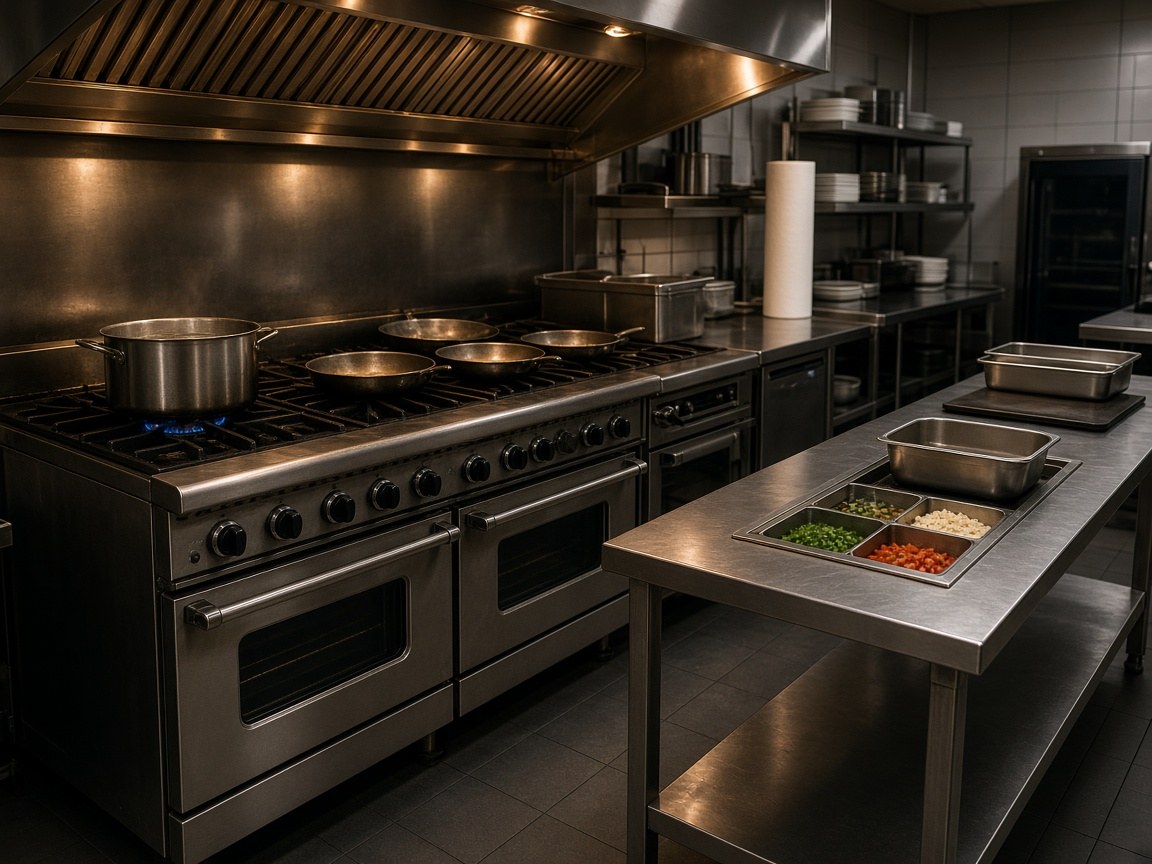
The sticker price is rarely the full cost of a kitchen upgrade. Delivery, removal of old units and installation all add up. Gas, electrical and ventilation work may be needed too.
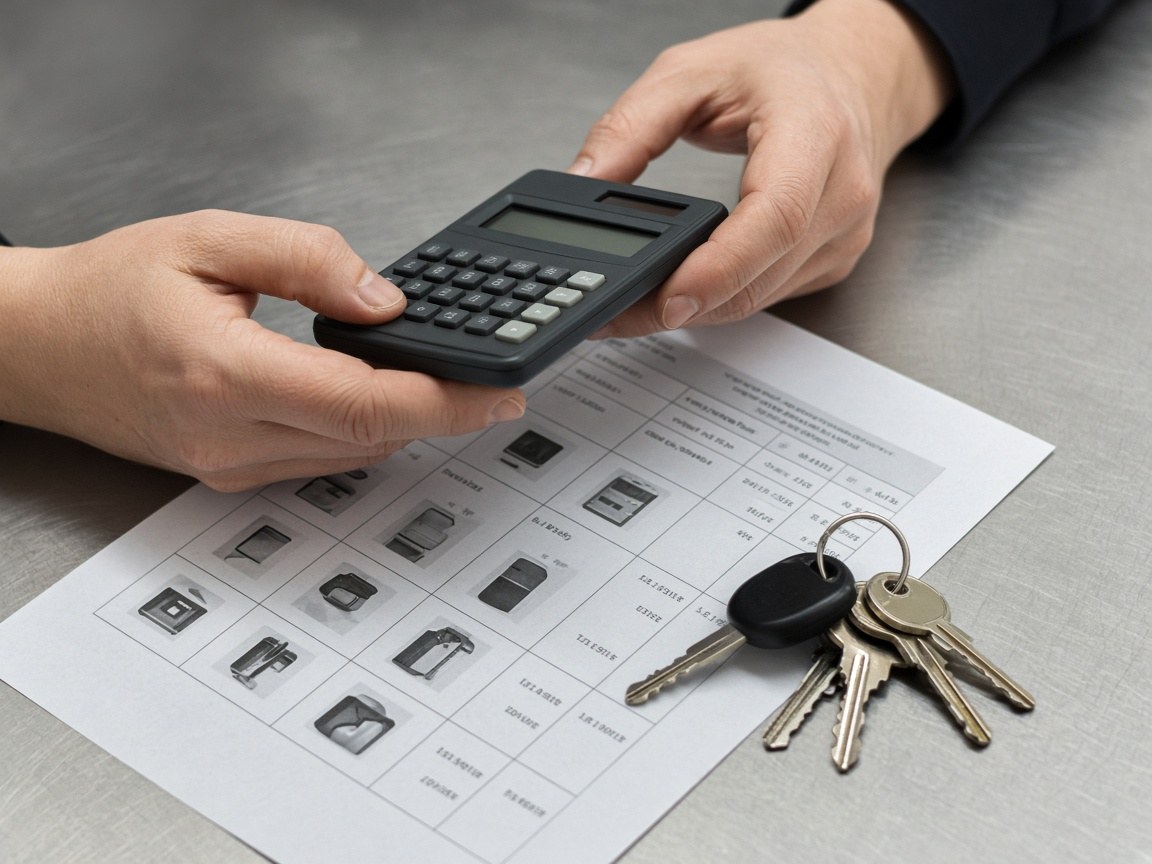
Ask each supplier for a written quote that lists every part of the job. Include permits, inspections and any trades who must sign off. A clear quote helps you size the loan correctly the first time.
Plan for downtime as well. Some upgrades mean closing the kitchen for a day or more. Lost sales during the switch are part of the true cost.
Get more than a single quote where you can. Prices and lead times vary between suppliers. A slightly higher price with faster delivery may cost less overall if it shortens your closure.
Consider used or refurbished equipment as well. It can lower the amount you need to borrow. Ask about warranty and service support, since a cheaper unit that fails often is no bargain.
What a Lender Will Want to See
For a second mortgage, the home comes first. Expect a lender to ask for your land title, your first-mortgage statement and a recent property tax notice. An appraisal will confirm the value.
Income is the next question. Bank lenders want strong, documented income and good credit. Restaurant owners who pay themselves through the business may find that hard to show.
Private lenders lean more on equity and the exit plan than on income. They may look at a file a bank would decline. Expect the rate and fees to reflect that flexibility. A short term with a clear exit keeps that cost contained.
Bring the equipment quote and a short note on how the upgrade helps the business. A lender wants to understand the purpose, such as more covers or lower repair bills. It also helps us match you to the right lender quickly.
Credit history matters to bank lenders. Late payments or high balances can push a file toward private lenders. Check your credit report before you apply so nothing surprises you.
Protecting Your Home When the Business Carries the Risk
This is the part owners sometimes skip. If the restaurant struggles, the home payment does not stop. Missing payments on the second puts your house at risk.
Borrow only what the upgrade needs, plus a sensible cushion for extras. Avoid adding wish-list items just because the equity is there. Keep personal and business money clearly separated in your records.
Set a reserve for the first few months after the upgrade. New equipment can take time to pay off in sales or savings. A reserve keeps both mortgage payments on time while it does.
Talk with your accountant about how the loan and equipment are recorded. They can advise on the tax side, which we do not. We are a mortgage brokerage, not an accounting firm.
Ask yourself a hard question too. Would you be comfortable with this loan if sales dipped for a season? If the answer is no, consider a smaller upgrade first.
Talk with anyone else on your home’s title before you apply. A spouse or co-owner will need to sign, and they share the risk. Agreement at home matters as much as the numbers.
Frequently Asked Questions
What do you need to qualify for a second mortgage for restaurant equipment?
You need enough equity in your home and a way to carry both payments. Lenders will ask for your title, first-mortgage statement and income records. A clear equipment quote helps too.
Is a second mortgage better than equipment financing?
Not always, because each tool suits a different situation. Equipment financing uses the gear as security and keeps your home out of it. A second mortgage may help when the gear or the business does not qualify.
Can a restaurant owner get a second mortgage with thin business records?
Sometimes, through a private lender that focuses on equity and the exit plan. The cost is usually higher than a bank loan. A clear repayment plan makes the file stronger.
How hard is it to get a business loan for a restaurant?
It depends on your records, time in business and the lender. Newer restaurants often find bank loans harder to get. That is why some owners compare business loans with home equity.
Talk to a Calgary Broker About Your Kitchen Upgrade
A second mortgage can fund restaurant equipment when other routes fall short. Compare equipment financing and business loans first. Then match the term to the gear and get every cost in writing.
The cost of a second is more than its rate. Ask for the lender fee, brokerage fee, legal and appraisal costs up front. A low rate with a large fee can cost more on a short term.
Read about how to get money for your business from the equity in your Calgary home to see the wider picture. Lance Dawson (BA adv., MA) brings 22+ years of experience to every file. We cannot guarantee an approval, and we show the full cost before you commit.
If your kitchen needs an upgrade, talk to us first. We will look at your equity and the quote and tell you plainly what fits.