Yes, Calgary dentists who own their homes can often use a second mortgage to fund dental practice needs. The loan is secured by your home, not the practice, and sits behind your first mortgage. Lenders look at your equity, credit, and how you document income as a practice owner. Your home is on the line, so the plan must be solid.
Dentists who own a practice often run on business income rather than a simple salary. That can make a bank’s income rules harder to meet, even with strong equity. A second can sometimes fund when a bank line of credit will not.
At The Second Mortgage Store, Lance Dawson has spent 22+ years helping Calgary homeowners use equity for real needs, including business ones. We show the full cost before you commit. We are a mortgage brokerage, not a law firm or tax adviser, so your accountant should weigh in too.
In this guide, we explain how borrowing against home equity works for practice owners. We also cover income paperwork and the questions to ask before you sign.
Table of Contents
- Second Mortgages for Dental Practice Owners at a Glance
- How Borrowing Against Home Equity Works
- Practice Needs a Second Can Help Cover
- Your Home Is the Security, Not the Practice
- Showing Income as a Self-Employed Dentist
- Lump Sum or Line of Credit
- Questions to Answer Before You Borrow
- Frequently Asked Questions
- Talk to a Calgary Broker About Your Practice Plans
Second Mortgages for Dental Practice Owners at a Glance
A second mortgage is a separate loan registered behind your first mortgage on title. You keep your first mortgage and its payment. The second has its own rate, term, and fees.
For a dentist, the money can go toward practice needs, but the security is your home. If you cannot repay, the lender can take serious action against the house. That risk is the same whether the money went to a renovation or a new operatory.
Lenders size a second to the equity left after your first mortgage and other charges. They also weigh credit and income. Practice owners with business income may need a lender that is flexible on documents. A broker can check which lenders fit before you pay for anything.
Want to see what your home equity could do for your practice? Send us your first-mortgage statement and a short note on the plan. We will show you the full cost before anyone orders an appraisal.
How Borrowing Against Home Equity Works
FCAC, the federal financial consumer agency, explains the basics on its page about borrowing against home equity. Home equity is the difference between your home’s appraised value and what you owe on loans secured by it. Lenders may use that equity to decide how much you can borrow.
Your home acts as security for the money you borrow. FCAC says that usually means a lower interest rate than other types of loans. It also means serious consequences, like foreclosure, if you cannot pay it back.
FCAC describes a second mortgage as a second loan on your home with the same features as a mortgage. You keep paying your first mortgage while you pay the second. Rates on seconds are usually higher than on firsts, because they are riskier for lenders.
FCAC also lists the fees you may pay. These include appraisal, title search, title insurance, and legal fees. Ask for every fee in writing before you compare options.
FCAC also notes you may have to pay a new mortgage loan insurance premium. Your lender may also need to change the terms of your original mortgage. Ask about both early.
Practice Needs a Second Can Help Cover
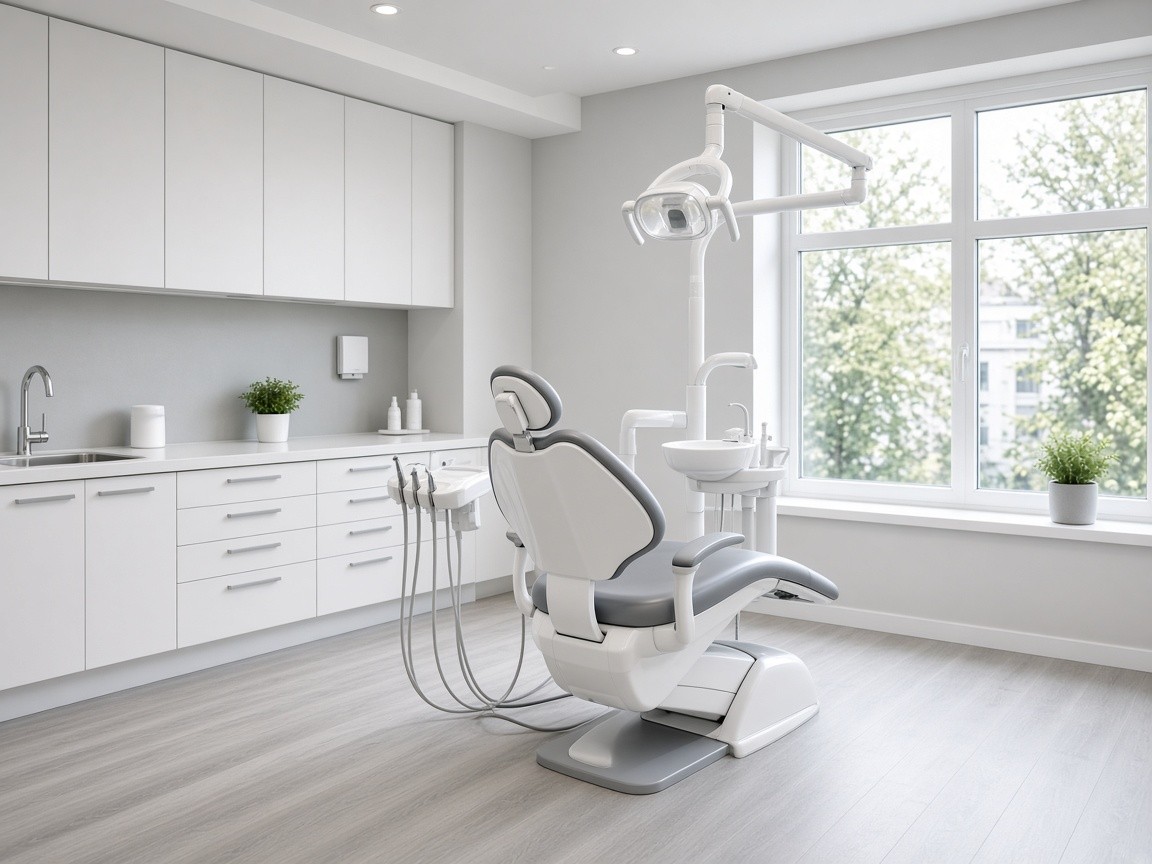
Our business service exists for owners who need capital, from expansion to equipment to cash flow. For dentists, that can mean a practice buy-in, new equipment, or an office renovation. It can also mean bridging a slow stretch while new patients build up.
A second can also clear expensive business debt. If high-interest balances are draining the practice, a single payment may help. That only works if the new payment is actually lower and you do not run the balances back up.
The purpose matters to lenders. Purpose changes which lender fits and what the second costs. Be ready to explain what the money will do and how it pays for itself.
A buy-in or purchase is a big decision on its own. Get the practice valued and the deal reviewed by your own advisers. The second should support a sound deal, not rescue a weak deal.
Your Home Is the Security, Not the Practice
When you borrow against your home for the practice, your family home carries the business risk. Equity is not free money. It is a new charge on your title with its own payment.
Think about what happens if the practice has a hard year. You still owe both mortgage payments every month. Your plan should hold up even when patient numbers dip.
Talk to your accountant about how the loan fits your practice structure. They can also explain any tax questions about using personal borrowing for business needs. We do not give tax advice, and we will not guess.
Some owners set aside part of the funds as a payment cushion. That can buy time if collections slow. Ask whether the loan allows prepayment, so you can pay it down when cash comes in.
Showing Income as a Self-Employed Dentist
Banks and credit unions usually want strict proof of credit and income. A practice owner’s income may be spread across business statements, personal returns, and dividends. That can make an A-lender file harder to approve.
B-lenders tend to be more flexible on credit and documents. Private lenders often underwrite the property first when income is messy. Each step usually costs more, and we will say so up front.
Gather your recent personal tax returns and notices of assessment. Add your practice financial statements and business bank statements. The more complete the package, the more lenders can look at your file.
Not sure how your practice income will read to a lender? Tell us how you are paid. We will tell you plainly which lender types are likely to fit and what each would need.
For the full picture of our business service, see how we use home equity to get money for your business. It explains how equity can fund growth when the plan is sound.
Lump Sum or Line of Credit
A second mortgage usually gives you a lump sum with its own term. FCAC describes a home equity line of credit as revolving credit, where you borrow and repay as needed. A home equity loan is a single lump sum with fixed repayments.
A lump sum suits a known cost, such as a buy-in or a set equipment purchase. A line can suit ongoing or uncertain costs, if a bank will approve it. Lines are mostly offered by banks and need stronger income proof.
If a bank line of credit will fund, it is usually the cheaper choice. When it will not, a second may be the product that actually works. We compare both before you decide.

Questions to Answer Before You Borrow
What exactly will the money pay for, and how will it come back? Can your household handle both mortgage payments if the practice slows? Those answers matter more than the rate.
What is your exit plan for the second? You might refinance into cheaper money later, pay it down from practice income, or sell. Private money is a bridge, not a forever loan.
Have you asked your accountant how the borrowing fits your practice and taxes? Have you compared a business loan offer, if you have it? Bring those answers to us, and we will build the file around them.
Also, who else is on title? A spouse on title is part of this decision. Everyone should understand the risk before anyone signs.
Frequently Asked Questions
What do Calgary dentists need to qualify for a second mortgage?
You need enough equity left after your first mortgage, plus credit and income documents. Practice owners usually provide tax returns, notices of assessment, and business statements. A lender also orders an appraisal and reviews title. We check equity and title first, so you know where you stand.
Is borrowing against home equity cheaper than other loans?
It often is, because your home secures the loan. FCAC says home-secured borrowing usually carries a lower rate than other loans. Second mortgages usually cost more than first mortgages, though.
Can a second mortgage help with old dental school debt?
It can, if consolidating lowers your total payment and you have a plan. You turn unsecured debt into debt secured by your home. That raises the stakes if you fall behind.
What happens if the practice struggles after you borrow?
You still owe both mortgage payments. Missing payments puts your home at risk, including foreclosure. Build a plan that works even in a slow year.
Should a dentist use a home equity line of credit or a second mortgage?
If a bank will approve a line of credit, it is usually cheaper. A second mortgage suits a known lump sum or a file the bank declined. We compare both before you decide.
Talk to a Calgary Broker About Your Practice Plans
Calgary dentists can often use a second mortgage to fund dental practice needs. The loan is secured by your home, so the plan and the exit must be clear. Income documents and equity decide which lender can fund.
Lance Dawson (BA adv., MA) brings 22+ years of experience to every Calgary equity file. We will not quote a teaser rate and hide the lender fee. We cannot guarantee an approval, and we do not give legal or tax advice.
If you are planning a practice move and want to use your home equity, talk to us first. We will show you the full cost and tell you honestly whether a second makes sense.