The second mortgage appraisal process in Calgary typically takes between 3 to 10 business days from the moment your lender orders the report to the final underwriting submission. This comprehensive timeframe encompasses appraiser scheduling, the physical property inspection, comparable sales research, and the generation of the final valuation report. Because secondary lenders assume a subordinate position on your property title, they require strict adherence to current 2026 market data and highly accurate Loan-to-Value (LTV) calculations before approving your financing. Navigating the secondary financing landscape requires a clear understanding of how property valuations work, as these assessments directly dictate your maximum borrowing capacity.
Key Takeaways
- Standard Timeline: Expect a 3 to 10 business day turnaround for a complete secondary valuation in the 2026 Calgary market.
- Conservative Metrics: Secondary appraisals are inherently more conservative than primary purchase appraisals due to the lender’s elevated risk profile.
- Average Costs: Borrowers can expect to pay between $400 and $600+ upfront for a certified residential appraisal.
- Validity Period: Most lenders consider an appraisal valid for exactly 90 days before requiring an updated report.
- Proactive Preparation: Providing a documented renovation portfolio and ensuring unrestricted property access are the most effective ways to accelerate your timeline.
Understanding the Secondary Valuation Landscape in 2026
Unlike primary mortgages used to purchase a home, second mortgages involve additional complexities and significantly stricter risk assessments. Property values in Calgary’s dynamic real estate market fluctuate based on macroeconomic conditions, neighborhood zoning developments, and seasonal inventory trends. These variables directly impact your appraisal outcome.
A secondary valuation is an objective, professional assessment of your property’s current market value, commissioned specifically to determine the maximum equity available to borrow against. Because the primary mortgage holder gets paid first in the event of a default, secondary lenders face inherently higher risks. Consequently, they demand rigorous, conservative appraisals to ensure the property’s value fully covers both the first and second mortgage balances.
As Sarah Jenkins, Chief Valuation Officer at the Appraisal Institute of Canada, explains: “Second mortgage lenders take on a subordinate lien position. This means their risk profile is elevated. Therefore, the appraisal process demands a more conservative valuation approach, rigorous market analysis, and a strict focus on highly recent comparable sales closed within the last 90 days.”
The Step-by-Step Appraisal Timeline in Calgary
The valuation process follows a highly structured sequence. Understanding these distinct phases helps borrowers eliminate bottlenecks, prepare their documentation, and secure their funds faster.
1. Appraisal Ordering and Assignment (24-48 Hours)
The timeline begins immediately after your mortgage application receives preliminary approval. The lender orders the appraisal through an Appraisal Management Company (AMC) or directly from an approved roster of local professionals. This step typically takes 24 to 48 hours. Lenders strictly select appraisers who possess deep expertise in specific Calgary quadrants to ensure accurate, localized valuations that reflect micro-market conditions.
2. Property Inspection Scheduling (1-3 Business Days)
Once assigned, the appraiser contacts the homeowner or tenant to schedule the physical walkthrough. In the current market, scheduling usually occurs within 1 to 3 business days. Delays during this phase are almost entirely dependent on the homeowner’s availability or tenant cooperation. If you are managing a rental property, you must provide tenants with proper 24-hour written notice as required by Alberta’s Residential Tenancies Act.
3. The Physical Property Inspection (30-90 Minutes)
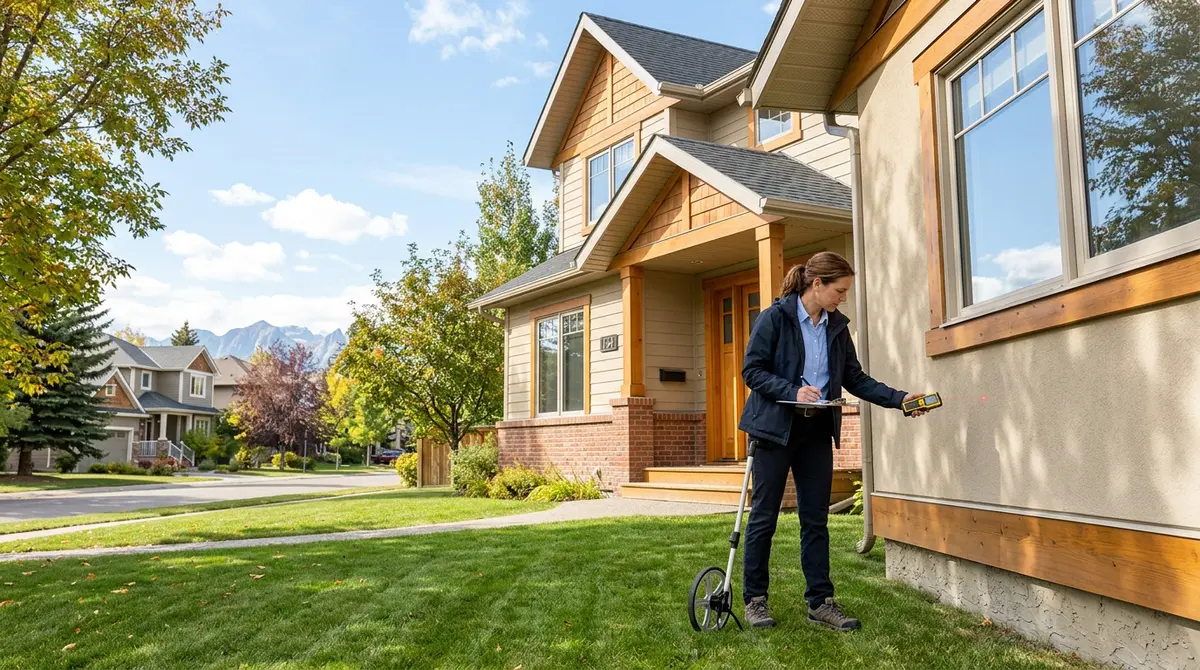
The on-site inspection is the most visible part of the process. The appraiser spends 30 to 90 minutes examining the property’s interior and exterior. They measure room dimensions to calculate Gross Living Area (GLA), assess structural integrity, photograph key areas, and document any deferred maintenance or recent upgrades. They also evaluate external obsolescence, such as proximity to busy roadways, commercial zoning, or high-voltage power lines.
4. Market Research and Data Analysis (1-3 Business Days)
Following the physical inspection, the appraiser returns to their office to conduct extensive market research. This phase requires 1 to 3 business days. The appraiser analyzes recent comparable sales (comps) within a one-kilometer radius, pulling verified data directly from the Calgary Real Estate Board (CREB). They adjust the baseline value based on differences in square footage, lot size, basement finishings, and garage capacity compared to recently sold homes.
5. Final Report Preparation and Underwriting Review (2-4 Business Days)
The appraiser compiles their findings into a comprehensive 20-to-30-page document. Report preparation and submission take 2 to 4 business days. Once submitted, the lender’s underwriting team reviews the appraisal to ensure it meets their specific lending guidelines. If the underwriter requires clarifications or additional comps, this review phase can extend the timeline by an additional 48 hours. Once approved, you should learn how to properly retain your second mortgage documents for future financial reference.
Primary vs. Secondary Mortgage Appraisals: A Comparison
Many homeowners assume their secondary valuation will mirror their initial home purchase appraisal. However, lenders apply different risk metrics. The table below outlines the key differences you will encounter in 2026.
| Feature | Primary Mortgage Appraisal | Secondary Mortgage Appraisal |
|---|---|---|
| Average Timeline | 2-5 Business Days | 3-10 Business Days |
| Valuation Approach | Standard Market Value | Conservative / Risk-Adjusted Value |
| Average Cost (Calgary) | $300 – $450 | $400 – $600+ |
| LTV Limits | Up to 95% (Insured) | Typically capped at 75% – 80% |
| Underwriting Scrutiny | Standard | High (Due to subordinate lien) |
Key Variables That Accelerate or Delay Your Valuation
While the standard timeline is 3 to 10 days, several external variables can accelerate or delay the process. Understanding these factors allows borrowers to set realistic expectations and plan their financing accordingly.
Seasonal Market Fluctuations in Alberta
Calgary’s real estate market experiences distinct seasonal shifts. During the peak spring and summer months, appraisal requests surge. Research from the Bank of Canada indicates that secondary financing volume typically increases by 14% between April and June. During these high-demand periods, appraisers operate at maximum capacity, frequently pushing timelines to the full 10-day limit. Conversely, winter appraisals often conclude within 3 to 5 days due to reduced market velocity.
Property Complexity and Zoning Nuances
Standard single-family homes in established neighborhoods like Brentwood or Acadia process rapidly due to abundant comparable sales data. However, unique properties require specialized expertise. Acreages on the city’s outskirts, homes with unpermitted secondary suites, or luxury properties with custom architectural features demand extensive research. If you own a complex property, expect the timeline to extend by at least 3 to 5 additional business days.
Proactive Preparation: How to Speed Up the Process
Proactive preparation directly influences both the speed and the final valuation of your property. Borrowers who organize their home and documentation experience significantly fewer delays. Before the appraiser arrives, ensure you have reviewed a comprehensive document checklist to streamline the process.
- Compile a Renovation Portfolio: Document all recent improvements. Provide the appraiser with a printed list of upgrades, including dates, costs, and contractor invoices. High-ROI improvements like roof replacements, HVAC upgrades, and kitchen modernizations heavily influence the final value. Marcus Thorne, a Certified Residential Appraiser, notes: “A well-documented renovation portfolio can increase a property’s appraised value by 3% to 5% by providing verifiable cost-to-cure offsets.”
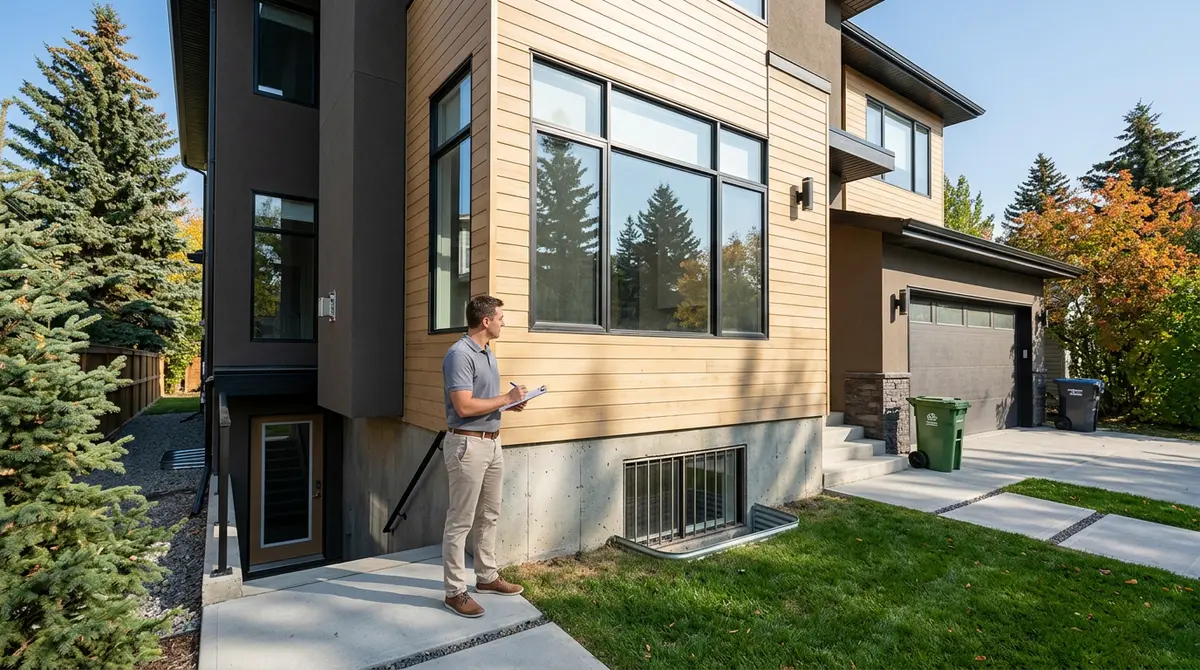
- Ensure Total Accessibility: Appraisers must visually inspect all areas of the property. Unlock gates, clear access to the electrical panel, furnace room, and attic. Restricted access requires the appraiser to schedule a second visit, instantly delaying your timeline.
- Address Deferred Maintenance: Fix minor issues before the inspection. Patch drywall holes, replace burnt-out lightbulbs, and repair leaking faucets. While appraisers look past basic clutter, obvious neglect signals potential hidden structural issues, prompting a more microscopic evaluation.
- Organize Your Paperwork: Having your property tax assessment, land survey, and previous appraisal ready can provide helpful context. Knowing how to organize your paperwork demonstrates diligence and speeds up the appraiser’s preliminary research phase.
Navigating Common Appraisal Roadblocks
Even with perfect preparation, the valuation process can encounter unexpected hurdles. Recognizing these challenges early allows you to pivot and keep your financing on track.
Insufficient Comparable Sales Data
In rapidly developing communities or highly specialized luxury enclaves, appraisers may struggle to find recent, similar homes that have sold within the last 90 days. When comps are scarce, appraisers must expand their search radius or look further back in time, which requires complex time-adjustments. To mitigate this, homeowners can proactively research their neighborhood and provide the appraiser with a list of privately sold homes that might not appear on the standard MLS system.
Disputing a Low Valuation
Occasionally, a report returns lower than the homeowner expects, jeopardizing the loan amount. If you believe the valuation is inaccurate due to factual errors (e.g., incorrect square footage or missed bedrooms), you can request a Reconsideration of Value (ROV) through your lender. You must provide alternative, superior comparable sales to support your claim. Keep in mind that an ROV will add at least 3 to 5 business days to your overall timeline.
Unpermitted Work and Title Complications
Appraisers verify property details against municipal records. If they discover unpermitted additions, zoning violations, or an unexpected Lis Pendens on your property title, the appraisal halts. Lenders will not fund a subordinate loan on a property with unresolved legal or structural disputes. Always verify your property’s legal standing through the Government of Alberta Land Titles office before applying.

Strategic Alternatives When Appraisals Fall Short
If the timeline or the conservative valuation limits do not meet your financial needs, consider alternative financing routes. Business owners might explore stated income options that focus heavily on existing equity rather than traditional income verification.
Alternatively, homeowners looking to consolidate massive debt might weigh the benefits of a cash-out refinance, which replaces the primary mortgage entirely, though this requires breaking your current term and potentially paying penalties. Finally, for smaller, short-term capital needs, comparing a subordinate loan against an unsecured line of credit can help determine the most cost-effective borrowing strategy without the need for a full property valuation.
Conclusion
Securing secondary financing in Calgary requires navigating a strict, highly regulated valuation process. By understanding that the standard timeline spans 3 to 10 business days, you can plan your financial moves with precision. Remember that secondary lenders operate from a position of elevated risk, making their appraisals inherently more conservative. By proactively preparing your home, documenting renovations, and ensuring clear access for the appraiser, you can prevent costly delays and maximize your approved loan amount. If you are ready to leverage your home’s equity or need guidance navigating the 2026 lending landscape, contact us today to speak with a financing expert.
Frequently Asked Questions (FAQ)
Can I use my city property tax assessment instead of getting a new appraisal?
No, lenders will not accept a municipal property tax assessment in place of a formal appraisal. City assessments are conducted en masse for taxation purposes and often lag behind current market conditions by up to a year. Lenders require a current, independent appraisal to determine the exact, real-time market value of the property.
Who pays for the appraisal report in Calgary?
The borrower is entirely responsible for covering the cost of the valuation. Payment is typically required upfront directly to the appraiser or the Appraisal Management Company before the inspection occurs. In 2026, these costs generally range from $400 to $600 depending on the property’s location and complexity.
What happens if the appraiser finds unpermitted work on my home?
If an appraiser identifies unpermitted renovations, such as an illegal basement suite or an unapproved deck, they must note it in their report. They will typically value the property without giving financial credit for the unpermitted work, or they may assign a “cost to cure” penalty. Lenders may subsequently require you to obtain retroactive municipal permits before approval.
Can a messy house negatively impact my appraised value?
Standard day-to-day clutter does not directly impact your home’s appraised value, as appraisers evaluate structural integrity, square footage, and permanent fixtures. However, excessive mess that blocks access to critical areas (like the electrical panel or furnace) will delay the timeline. Furthermore, severe neglect that hints at deferred maintenance can cause the appraiser to scrutinize the property more harshly.
How long is the valuation report valid in Alberta?
In the Calgary market, a valuation report is generally considered valid for exactly 90 days from the date of the inspection. Because real estate markets fluctuate rapidly, lenders require highly recent data to mitigate risk. If your financing process extends beyond this 90-day window, you will likely need an appraisal update at your own expense.
Can I choose my own appraiser to speed up the process?
Borrowers cannot personally select or hire their own appraiser for secondary financing. To prevent conflicts of interest and ensure absolute objectivity, federal lending guidelines require the lender or mortgage broker to order the appraisal through an independent third-party system or an approved roster of certified professionals.