Yes, home equity can cover the gap on a roof replacement after hail in Calgary when insurance falls short. That gap often comes from the deductible, depreciation or an upgrade you choose. A second mortgage can fill it, but it should come after your claim is clear. Borrow for the real shortfall, not the whole roof.
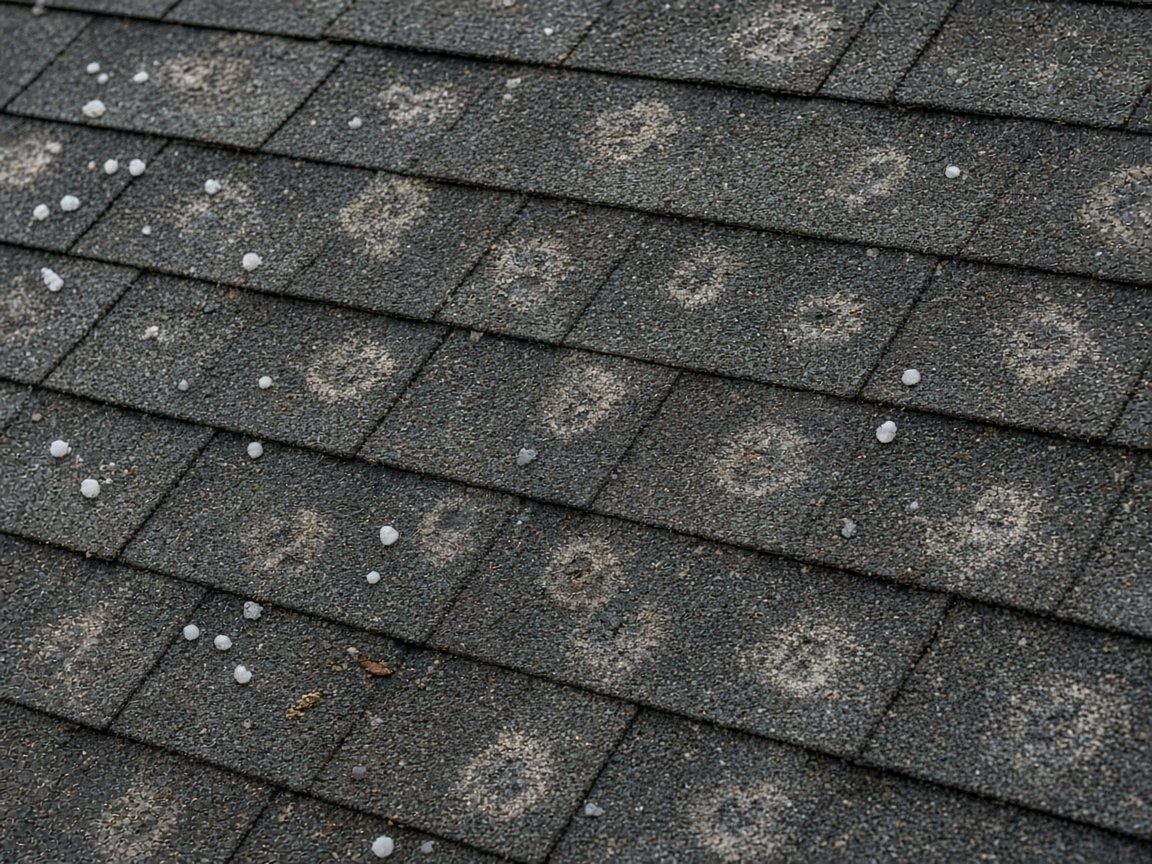
Hail is a fact of life in Calgary. A single storm can shred shingles across whole neighbourhoods. Then roofers get busy, claims pile up and homeowners wait.
At The Second Mortgage Store, Lance Dawson has spent 22+ years helping Calgary homeowners use equity carefully. We look at your claim, the roofer’s quote and the gap between them. Then we tell you plainly whether a second fits.
This guide covers why insurance may fall short and what the City says about repairs and contractors. It shows how to size the loan. It also covers upgrades worth considering.
Table of Contents
- Hail Roof Gaps and Home Equity at a Glance
- Why Insurance May Not Cover the Whole Roof
- What the City Says About Storm Repairs
- Choosing a Roofer After a Big Storm
- Upgrading the Roof While You Replace It
- How Lenders Look at a Roof Gap Loan
- Sizing the Loan to the Real Shortfall
- Frequently Asked Questions
- Talk to a Calgary Broker About Your Roof
Hail Roof Gaps and Home Equity at a Glance
A second mortgage is a new loan registered behind your first mortgage. Your first mortgage keeps its rate and term. The lender sizes the new loan to the equity left in your home.
The money usually arrives as a lump sum. That suits a roofer who wants a deposit or full payment on completion. It also helps when insurance money arrives in stages.
A roof protects everything under it, so delays can lead to water damage inside. But borrowing too early can mean paying interest on money insurance would have covered. Settle the claim first, then fund only the gap. A clear number keeps the loan small.
Facing a roof gap after a hail claim? Send us your insurer’s settlement, the roofer’s quote and your first-mortgage statement. We will tell you what your equity could support.
Why Insurance May Not Cover the Whole Roof
Every claim starts with your deductible. That amount comes out of your pocket before insurance pays. On a full roof, it can still be a meaningful sum.
Some policies pay replacement cost, while others pay actual cash value. Actual cash value can deduct depreciation for an older roof. That can leave a larger shortfall than owners expect.
Upgrades are usually yours to pay. If you choose better shingles than you had, the difference may not be covered. The same goes for extra work not caused by the storm.
Read your policy and ask your adjuster to explain the settlement. Ask what is covered, what is held back and when each payment arrives. Get the answers in writing.
Timing can create its own gap. Some insurers pay part of the claim up front and hold back the rest until the work is done. Your roofer may want payment before that final cheque arrives. A short loan can bridge that wait, but only if the held-back amount is confirmed.
If you disagree with the settlement, ask your insurer about its review process. A public adjuster or independent roof inspector may help. Settle that question before you borrow.
Keep every document from the claim. That includes photos, the adjuster’s report and all letters. A lender may ask for them, and they help if questions come up later.
What the City Says About Storm Repairs
The City of Calgary explains what to do about storm damage before you start repairs on its website. Its first advice is simple. Contact your home insurance provider before doing any repair work.
The City says most repair or replacement work does not need a development or building permit. Replacing roofing materials is on its list of work that needs no permit. Changing from shingles to clay roofing does need a building permit.
Structural damage is different. The City says homeowners with structural damage should hire a structural engineer. Those repairs may also need permits.
The City also points homeowners to approved roof inspectors. It names the Alberta Allied Roofing Association and the Alberta Roofing Contractors Association. An independent inspection can help you understand the damage.
Choosing a Roofer After a Big Storm
Big storms bring door knockers. Some are legitimate, while others are not. Take your time before signing anything.
The City says contractors need a valid City of Calgary business licence. Write down the contractor’s name, owner, address and phone number. Then call the City’s information line to confirm the licence.
Get several detailed written quotes. Compare materials, warranties and what happens if rotten decking is found. Ask how they work with your insurer.
Be careful with large deposits. Ask for a payment schedule tied to the work. Never pay in full before the job is done.
Ask how the roofer handles the insurance payment. Some want the cheque signed over, while others bill you directly. Make sure the paperwork matches what you agreed.
Check online reviews and ask for recent local references. A roofer who will still be in business next year matters for warranty work.
Want to check your roof gap against your equity? Lance Dawson brings 22+ years of experience to repair files. We will review the numbers with you before anyone orders an appraisal.
Upgrading the Roof While You Replace It
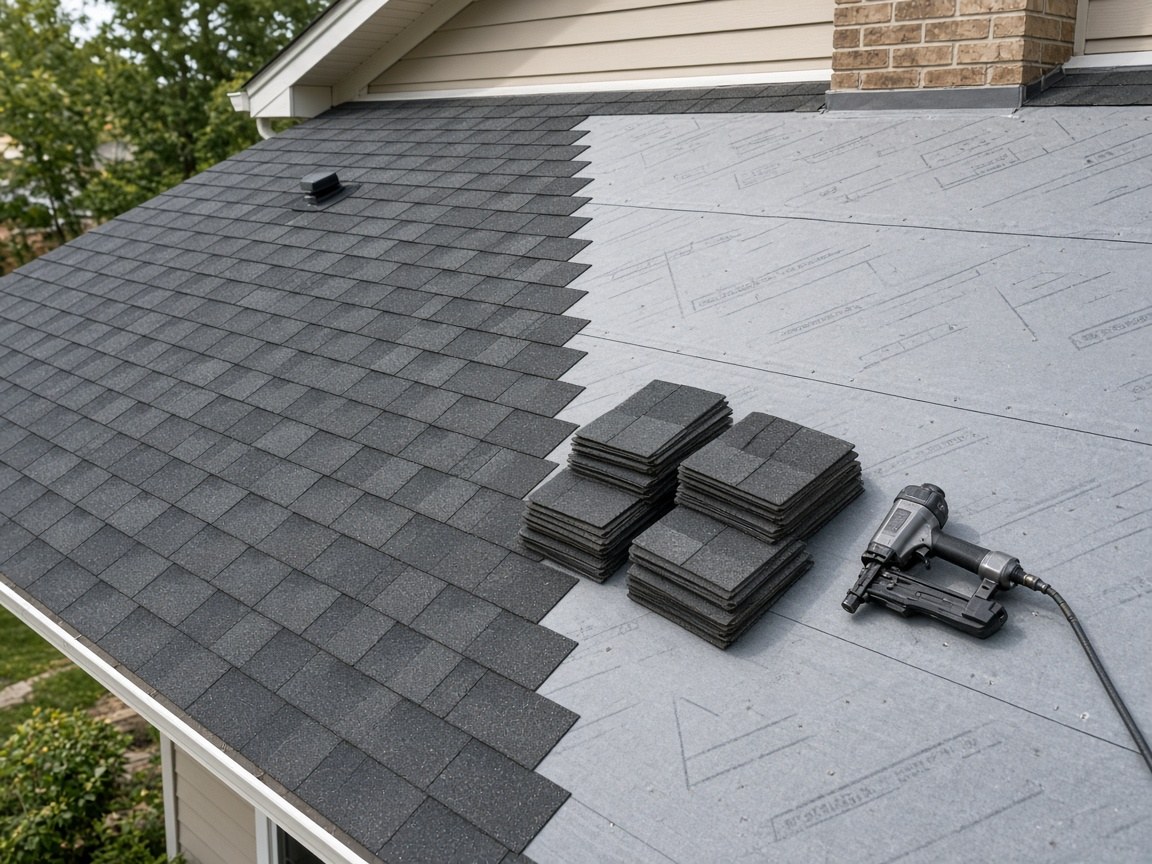
A new roof is a chance to think about the next storm. Impact-resistant shingles are designed to handle hail better. Some insurers may offer a discount for them, so ask yours.
Better underlayment and ventilation can extend roof life. Your roofer can explain the options. Each adds cost, so weigh it against the benefit.
Ask your roofer to price upgrades separately from the insured work. That makes it clear what insurance pays and what you pay. It also makes the loan easier to size.
Gutters, vents and skylights may need replacing too. Some of that may be covered by the claim. Upgrades beyond the claim are your cost.
Upgrades are the most common reason homeowners borrow after hail. They can be worth it in a hail-prone city. Just make sure the extra cost fits your budget.
How Lenders Look at a Roof Gap Loan
The home comes first. Expect a lender to ask for your land title, first-mortgage statement and a recent property tax notice. An appraisal will confirm the value.
A damaged roof can affect the appraisal. Some lenders may want proof the repair is funded. Your insurance settlement and roofer’s contract help show that.
Income and credit matter too. Bank lenders want documented income and good credit. Private lenders lean more on equity and may help when a bank will not, at a higher cost.
Credit history matters for both. High card balances or recent missed payments can affect the file. Pull your credit report early so nothing surprises you.
Talk with anyone else on your home’s title before you apply. A spouse or co-owner usually must sign. They share the risk, so the plan should make sense to them too.
Sizing the Loan to the Real Shortfall
Start with the roofer’s full price. Subtract every insurance payment you expect, including any held-back amount. The result is your real gap.
Add a small cushion for surprises like damaged decking. Do not borrow for the full roof if insurance is paying most of it. Extra borrowing only adds interest.
The cost of a second is more than its rate. Ask for the lender fee, brokerage fee, legal and appraisal costs up front. A low rate with a large fee can cost more on a short term.
On a small gap, those fees may not be worth it. Savings, a line of credit or a roofer’s payment plan may cost less. Compare before you choose.
Think about your monthly budget too. A new payment should fit comfortably beside your first mortgage and other bills. If it does not, a smaller upgrade may be the better choice.
Private seconds often run on short terms. Know your exit before you sign. A held-back insurance payment may let you pay the loan down quickly, so ask about prepayment terms.
Frequently Asked Questions
Will insurance pay for a new roof after hail damage?
Often, if your policy covers hail and the damage is confirmed. Your deductible, depreciation and upgrades may not be covered. Ask your adjuster to explain the settlement in writing.
Do I need a permit to replace a hail-damaged roof in Calgary?
The City says replacing roofing materials does not need a permit. Changing from shingles to clay roofing does need a building permit. Structural damage may need an engineer and permits.
What can I do if I can’t afford a new roof?
Start with your insurance claim and a clear quote. Then compare savings, a line of credit, a roofer’s plan or home equity. Fund only the real gap.
Is it hard to get approved for roof financing?
It depends on your equity, income and credit. A damaged roof can affect the appraisal. Showing that insurance and the loan cover the full repair helps.
Talk to a Calgary Broker About Your Roof
Home equity can cover a Calgary hail roof gap when insurance falls short. Settle your claim, choose a licensed roofer and borrow only the real shortfall. Then compare full costs in writing.
See how home equity loans in Calgary can cover what your hail claim does not before you decide. Lance Dawson (BA adv., MA) brings 22+ years of experience to every file. We cannot guarantee an approval, and we show the full cost before you commit.
If your roof claim leaves a gap, talk to us first. We will look at your settlement and equity and tell you plainly what fits.