When traditional banks deny lending applications due to structural instability, homeowners can secure alternative equity-based financing to save their properties. By leveraging the home’s existing equity, Calgary property owners can access short-term private capital specifically designed to fund critical structural repairs, stabilize the asset, and eventually transition back to traditional banking institutions.
Key Takeaways
- High Rejection Rates: Traditional lenders reject nearly 98% of mortgage applications for properties with severe structural defects.
- Equity is King: Alternative lenders focus on the home’s equity and “as-repaired” value rather than just current structural condition.
- Speed of Capital: Private financing can be secured in as little as 5 to 10 business days to halt rapid structural degradation.
- Geotechnical Reports are Mandatory: A detailed structural engineering report dramatically increases your chances of approval.
- Exit Strategy Matters: These loans are short-term bridges; borrowers must have a clear plan to refinance once repairs are complete.
- Avoid Unregulated Entities: Always seek independent legal counsel to avoid predatory lending practices.
The Banking Barrier: Why Tier-1 Lenders Reject Compromised Properties
Finding a lender willing to finance a property with structural deficiencies can feel like navigating a maze blindfolded. According to data from the Canada Mortgage and Housing Corporation, properties exhibiting severe structural defects face an overwhelming 98% rejection rate from traditional Tier-1 lenders. Banks are strictly regulated and highly risk-averse; they require the underlying collateral of a loan to be safe, habitable, and readily marketable.
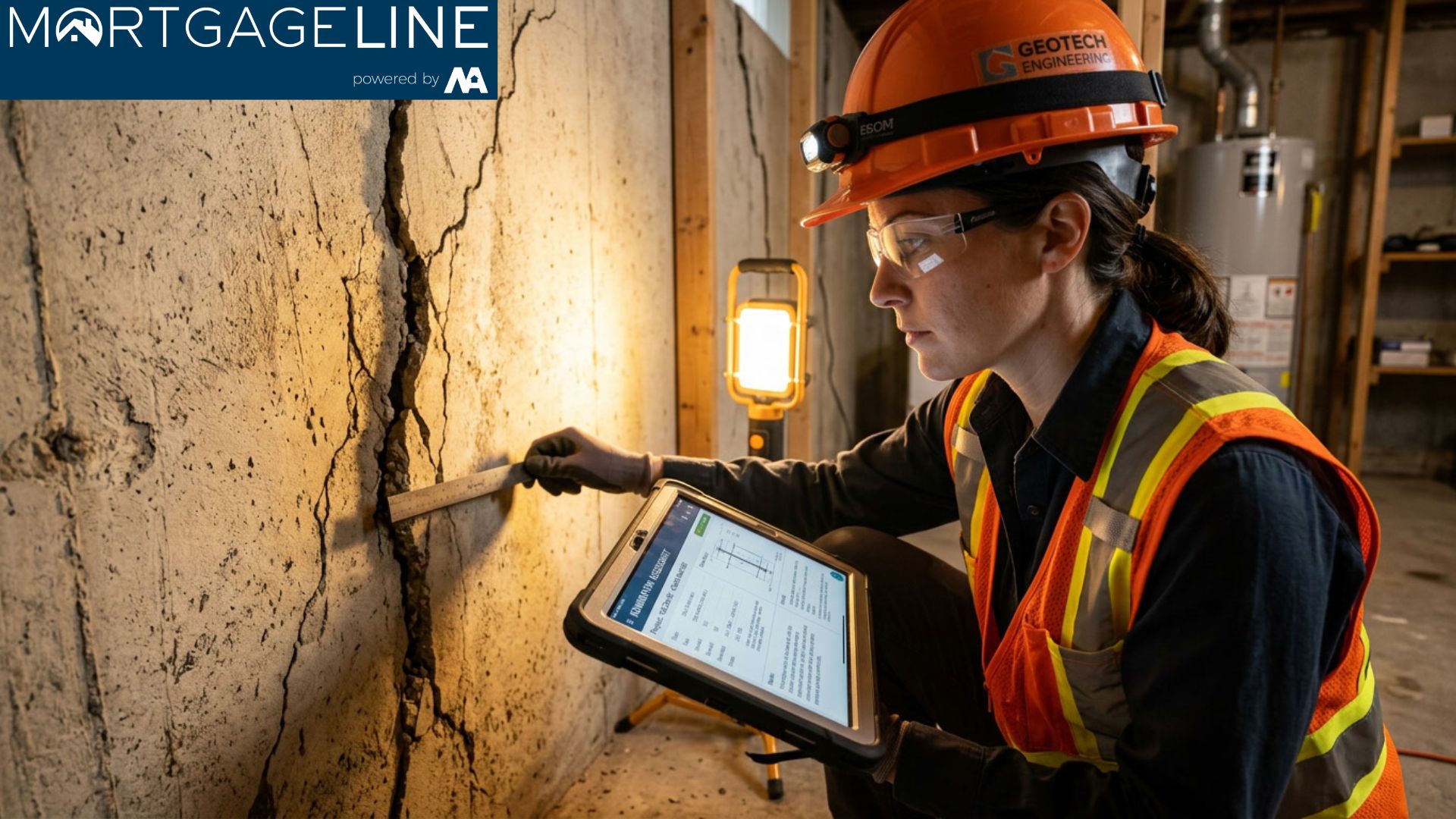
When a home has a cracked foundation, bowing basement walls, or uneven settling, it often becomes uninsurable. If a property cannot be properly insured against hazards, traditional financial institutions cannot legally hold a mortgage against it. This leaves homeowners trapped: they cannot renew their existing mortgage, nor can they access a standard Home Equity Line of Credit (HELOC) to pay for the required repairs.
“Traditional lending institutions underwrite the property as it currently stands. If the foundation is compromised, the asset is deemed too risky,” notes Sarah Jenkins, Senior Risk Analyst at Calgary Capital Financing. “Alternative lenders, however, focus on the ‘as-repaired’ value and the homeowner’s exit strategy.”
Why Calgary Homes Face Unique Structural Challenges
The local geography and climate of Southern Alberta create a perfect storm for structural issues. Built upon expansive clay soils, many local neighborhoods experience significant ground movement. The extreme freeze-thaw cycles witnessed in the early months of 2026 have only accelerated this soil shifting, placing immense hydrostatic pressure on residential basements.
Industry research indicates that roughly 15% of local homes built before 1990 will require some level of structural remediation due to these volatile clay soils. Furthermore, early intervention is critical; addressing foundational cracks within the first six months of detection saves homeowners an average of $12,000 in secondary damages, such as plumbing failures or roof sagging.
“The extreme freeze-thaw cycles witnessed in 2026 have accelerated soil shifting across Southern Alberta. Securing fast capital to halt structural degradation is paramount,” says Dr. Robert Vance, Principal Geotechnical Engineer. Because structural remediation—such as installing helical piers or underpinning—averages between $18,500 and $45,000, homeowners urgently require liquid capital that standard banks refuse to provide.
How Alternative Lenders Assess Compromised Properties
Because traditional channels are closed, property owners must turn to the alternative lending market. A 2026 market analysis published by Statistics Canada shows that alternative lending in Alberta has grown by 24% year-over-year, largely driven by homeowners needing flexible underwriting. Unlike traditional banks that rely heavily on the applicant’s credit score and strict Total Debt Service (TDS) ratios, alternative entities assess the risk differently.
Alternative lenders primarily evaluate the Loan-to-Value (LTV) ratio. For structurally sound homes, a private lender might offer up to 80% LTV. However, for homes requiring immediate underpinning or slab-jacking, lenders typically cap the LTV at 65% to 75% of the property’s current “as-is” value. They may also consider the “as-repaired” value if the borrower provides a detailed contractor quote and geotechnical report.
This is where funding major foundation repairs through equity becomes a viable lifeline. The lender registers a mortgage against the title, advancing funds either as a lump sum or in staged draws as the construction progresses.
Step-by-Step Financing Process for Structural Remediation
Securing an alternative equity loan requires a methodical approach. Lenders are taking on significant risk, so borrowers must present a well-documented case.
- Initial Structural Assessment: Before approaching any lender, hire a licensed structural engineer to assess the damage. Wait times for structural engineers in the metropolitan area currently average 3 to 4 weeks, so initiate this step immediately.
- Obtain Remediation Quotes: Secure at least three detailed quotes from specialized structural repair contractors. Ensure these quotes outline the specific methods to be used, whether it is polyurethane resin injection (costs for which have risen 11% since 2024) or steel push piers.
- Professional Appraisal: Work with an appraiser certified by the Appraisal Institute of Canada. You will need an appraisal detailing both the current “as-is” value and the projected “as-repaired” value.
- Submit the Financing Application: Work with a specialized mortgage broker to submit your portfolio to alternative lenders. Your broker will highlight your equity position and your plan to restore the home.
- Legal Review and Closing: Once approved, the lender will issue a commitment letter. It is vital to seek independent legal advice to review the terms, interest rates, and fee structures before signing.

Cost Comparison: Traditional vs. Alternative Lending
Understanding the financial mechanics of alternative lending is crucial. Because these are short-term bridge solutions, the interest rates are higher than conventional mortgages. However, they provide the necessary capital to save a deteriorating asset.
| Feature | Traditional Bank (A-Lender) | Alternative/Private Lender |
|---|---|---|
| Approval for Damaged Homes | Virtually Impossible (98% Rejection) | High (If equity exists) |
| Maximum LTV | Up to 80% (on perfect properties) | 65% – 75% |
| Funding Speed | 30 to 60 Days | 5 to 10 Business Days |
| Primary Qualification | Credit Score & Income (TDS/GDS) | Property Equity & Exit Strategy |
| Typical Loan Term | 3 to 5 Years | 1 to 2 Years (Bridge Loan) |
While the costs are higher, the pros and cons of second mortgages must be weighed against the alternative: watching your property’s value plummet or facing municipal condemnation.
Preserving Equity and Navigating Risk
If a homeowner ignores structural degradation, the consequences extend beyond cracked drywall. Extreme foundational failure can lead to the city declaring the property uninhabitable. If the homeowner holds an existing mortgage, the primary lender may refuse to renew the term at maturity due to the compromised collateral. This scenario can rapidly escalate into legal action.
“Homeowners often panic when a bank pulls their renewal due to an unaddressed structural defect. Alternative equity financing acts as the essential bridge to restore the property’s integrity,” explains Marcus Thorne, a local real estate appraiser.
If a bank initiates recovery proceedings, homeowners must act swiftly. Understanding how to navigate such legal threats is critical, including responding to a foreclosure statement of claim. By securing alternative financing, you can pay for the repairs, satisfy the primary lender’s concerns regarding the collateral, and avoid losing your home entirely.
Borrowers must also remain vigilant against predatory practices. According to the Real Estate Council of Alberta, unregistered entities often prey on distressed homeowners. In fact, unregulated scams cost Albertans over $4.2 million in 2025 alone. Learning to identify unregulated lending scams ensures that your financial rescue doesn’t become a financial trap.

Expert Tips for a Successful Application
To maximize your chances of approval with an alternative lending institution, preparation is everything. Lenders are more likely to offer competitive rates if the borrower mitigates perceived risks.
First, always opt for a reputable, insured contractor over the cheapest bid. Lenders scrutinize the remediation plan; a quote from a highly-rated geotechnical repair firm instills confidence. “When assessing compromised collateral, transparency is your best asset. Presenting a lender with a detailed engineering report dramatically increases your approval odds,” advises Elena Rostova, Director of Underwriting at Prairie Mortgage Solutions.
Second, establish a clear exit strategy. Alternative loans are temporary. Once the structural integrity is restored and a final engineer’s sign-off is obtained, the property regains its marketability and insurability. At this stage, homeowners can refinance the property back with a traditional Tier-1 lender at standard rates. Industry data shows that 72% of equity borrowers successfully refinance back to A-lenders within 18 months of completing major structural remediation.
Finally, consider the broader scope of repairs. If the foundational damage was caused by poor drainage or overland water issues, you might also need financing flood damage remediation concurrently to prevent future recurrence.
Frequently Asked Questions
Can I get a standard bank loan for foundation repair?
Generally, no. If the structural damage makes the home uninsurable or severely degrades its value, Tier-1 banks will deny standard HELOCs or mortgage refinances. You will typically need to seek alternative equity financing.
How much equity do I need to qualify?
Most alternative lenders require you to retain at least 25% to 35% equity in the property after the new loan is applied. This means your total loan amounts cannot exceed 65% to 75% of the home’s value.
Do alternative lenders offer variable rates?
Yes, depending on market conditions, borrowers can sometimes access variable rate equity loans. However, fixed-term, interest-only payments are most common for short-term remediation bridge loans.
How long does the approval process take?
Unlike traditional banks that can take over a month, alternative lenders can often review appraisals, engineering reports, and approve funding within 5 to 10 business days.
Will my credit score prevent me from getting approved?
Alternative lending focuses primarily on the asset’s equity rather than the borrower’s credit score. While a terrible credit history might increase your interest rate slightly, it is rarely a dealbreaker if sufficient property equity exists.
Conclusion
Discovering significant structural degradation in your home is a stressful experience, compounded by the harsh reality that traditional banks will likely refuse to finance the repairs. However, the alternative lending market offers a vital lifeline. By utilizing the existing equity in your property, you can secure the necessary capital to stabilize the structure, protect your investment, and ultimately return to conventional financing once the home is restored.
Navigating the alternative lending landscape requires expert guidance, a solid engineering remediation plan, and a clear exit strategy. If you are struggling to finance critical structural repairs and the banks have turned you away, do not wait for the damage to worsen. Contact our team today to explore your alternative financing options and safeguard your home’s future.
References
- Canada Mortgage and Housing Corporation (CMHC) – Data on Tier-1 lender rejection rates for compromised properties.
- Statistics Canada – 2026 market analysis on the growth of alternative lending in Alberta.
- Appraisal Institute of Canada – Guidelines on “as-is” and “as-repaired” property valuations.
- Real Estate Council of Alberta (RECA) – Reports on consumer protection and unregulated lending scams.