Yes, you can secure a second mortgage on a rural acreage near Calgary, but the process involves stricter lending criteria than urban properties. Lenders heavily scrutinize property zoning, the size of the land, the quality of rural infrastructure like water wells and septic systems, and the proximity to major urban centers. While urban homeowners might access up to 80% of their home’s value, acreage owners typically face Loan-to-Value (LTV) caps between 65% and 75%, depending on whether the property is zoned for agricultural or country residential use.
Key Takeaways
- LTV Limits are Lower: Expect maximum Loan-to-Value limits of 65% to 75% for rural acreages, compared to 80% for urban Calgary homes.
- Zoning Matters: Properties zoned “Country Residential” are much easier to finance than those zoned “Agricultural.”
- The 10-Acre Rule: Many traditional lenders will only appraise the primary residence, the garage, and the first 10 acres of land when calculating your available equity.
- Infrastructure is Scrutinized: You will likely need recent well water potability certificates and proof of a compliant septic system.
- Appraisals Cost More: Rural appraisals in 2026 typically cost between $800 and $1,200 due to the travel distance and difficulty finding comparable sales.
The 2026 Landscape of Rural Equity Financing in Alberta
The areas surrounding Calgary—such as Rocky View County, Foothills County, and Wheatland County—have seen significant real estate shifts. According to 2026 data from the Canadian Real Estate Association (CREA), rural property values within a 50-kilometer radius of Calgary increased by 4.2% over the past year. This appreciation has left many acreage owners sitting on substantial untapped equity.
However, tapping into that equity through secondary financing requires navigating a specialized lending environment. Traditional banks and credit unions view rural properties as inherently riskier than city homes. If a borrower defaults, an acreage takes longer to sell, and the buyer pool is significantly smaller. Consequently, the secondary financing market for rural land is largely dominated by B-lenders, credit unions with agricultural divisions, and private mortgage investment corporations (MICs).
As Marcus Thorne, Senior Underwriter at Alberta Rural Credit, explains: “In 2026, we aren’t just looking at the borrower’s credit score. We are underwriting the land itself. A beautiful custom home on 50 acres of raw, unserviced agricultural land is actually harder to finance than a modest bungalow on a 2-acre serviced residential parcel.”
Zoning and Land Use: The First Hurdle
Before applying for a home equity loan on your acreage, you must understand how your property is zoned. The Government of Alberta categorizes land into various uses, and lenders have strict preferences.
Country Residential Zoning: This is the gold standard for lenders. These properties are typically between 2 and 4 acres, located in subdivisions, and are meant purely for residential living. Lenders treat these very similarly to urban homes, often allowing up to 75% LTV.
Agricultural Zoning: If your property is zoned for farming, securing a standard residential secondary mortgage becomes complex. Even if you only use the property as a “hobby farm,” lenders fear the environmental liabilities and commercial risks associated with agriculture. You may be restricted to 50% to 65% LTV, or you may need to seek out specialized agricultural lenders.
The “House Plus 10 Acres” Lending Rule
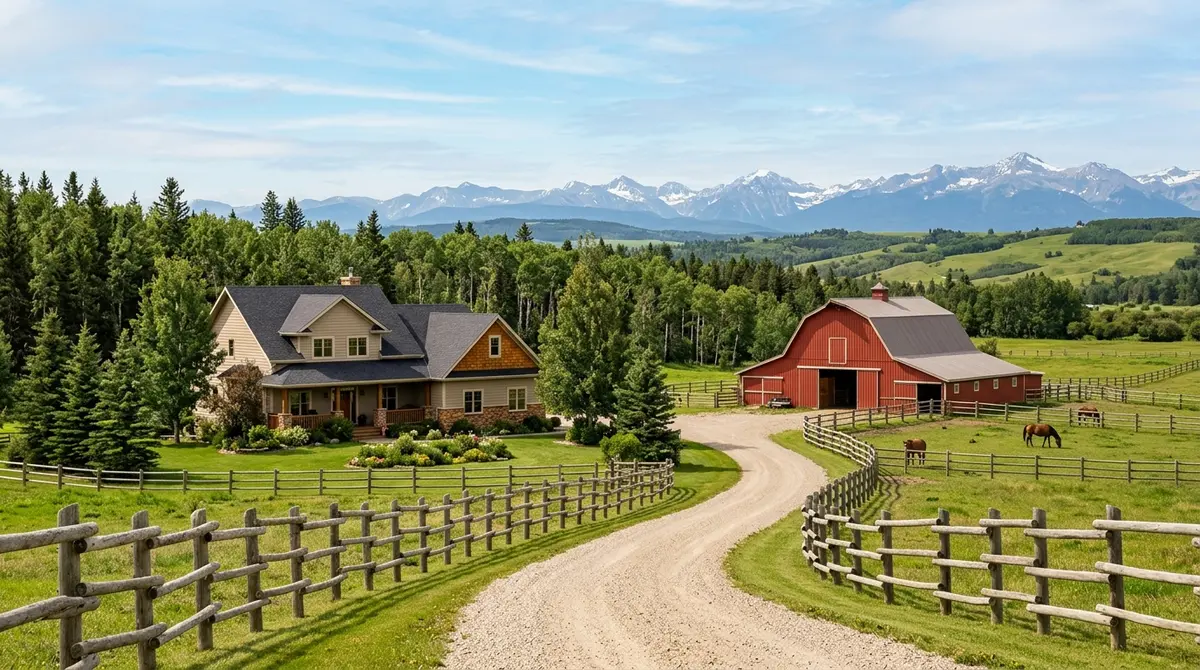
One of the most critical technical terms acreage owners must understand is the “House Plus 10 Acres” rule. When you apply for a secondary loan, the lender needs to determine the property’s value to calculate your equity.
Many institutional lenders will not lend against the full expanse of a large parcel. If you own 80 acres, the lender’s appraiser will be instructed to determine the value of the primary residence, the attached or detached garage, and only the immediate 10 acres surrounding the home. The remaining 70 acres are assigned a value of zero for the purpose of the mortgage calculation.
Why? Because excess land is considered agricultural or speculative, which falls outside standard residential lending guidelines. If you need to leverage the full value of a massive parcel, you will almost certainly need to work with a private lender who does not enforce the 10-acre restriction.
Step-by-Step: How to Qualify for an Acreage Second Mortgage
Securing secondary financing on rural land requires meticulous preparation. Follow these steps to streamline your approval process in 2026:
- Confirm Your Zoning and Property Size: Pull your property tax assessment to verify your exact zoning code and acreage size.
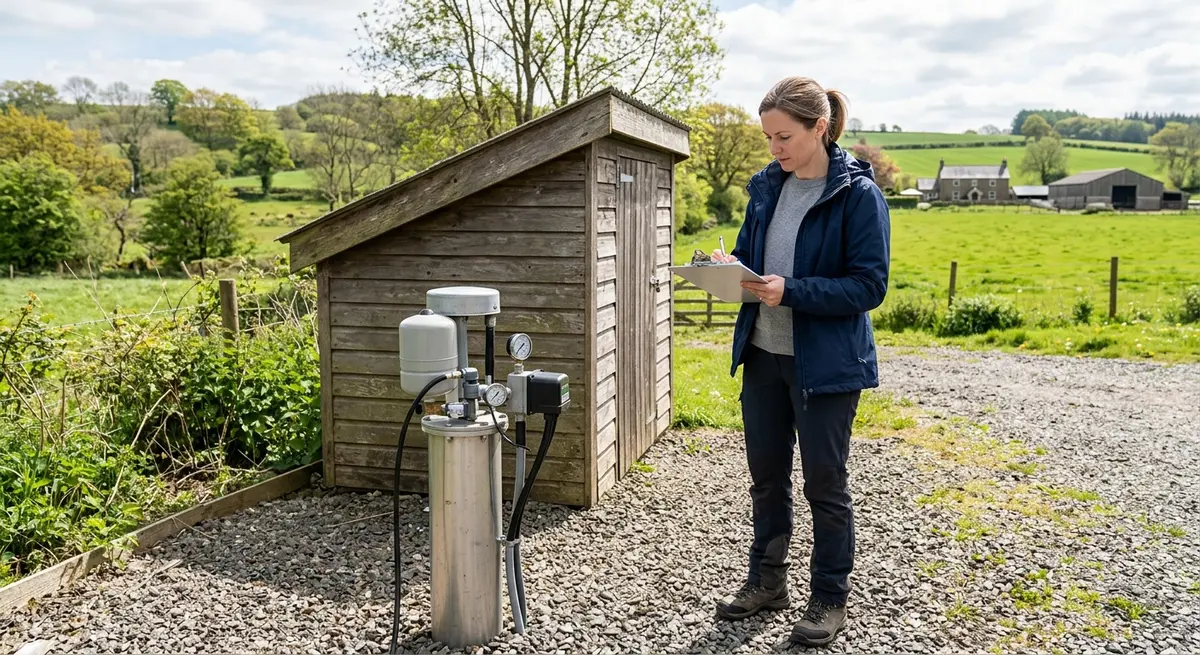
- Test Your Infrastructure: Lenders will require a recent water potability test (usually dated within the last 60 to 90 days) to prove the well water is safe. You may also need a septic percolation report or a recent inspection certificate.
- Gather Financial Documentation: Prepare your income statements, T4s, or business financials. If you are self-employed, you might want to explore stated income options to simplify the approval process.
- Prepare a Letter of Explanation: If you have been shopping around for loans, you will need to be adept at explaining recent credit inquiries to your underwriter.
- Order a Specialized Appraisal: Do not order an appraisal yourself until the lender instructs you to. Lenders only accept reports from specific approved rural appraisers.
To ensure you don’t miss any critical paperwork, it is highly recommended to review a comprehensive document checklist for secondary financing before submitting your application.
Urban vs. Rural Secondary Financing (2026 Comparison)
To illustrate the differences between borrowing against a city home versus a rural property, review the comparison table below:
| Feature | Urban Calgary Home | Rural Acreage (Rocky View/Foothills) |
|---|---|---|
| Maximum LTV | Up to 80% (Institutional) / 85% (Private) | 65% – 75% (Depending on zoning) |
| Appraisal Cost | $350 – $500 | $800 – $1,200+ |
| Appraisal Turnaround | 2 to 4 days | 7 to 14 days |
| Water/Septic Proof | Not required (Municipal services) | Mandatory (Potability & Septic compliance) |
| Outbuilding Valuation | Standard garage valuation | Often excluded or heavily discounted |
The Challenge of Outbuildings and Hobby Farms
Many acreage owners near Calgary invest heavily in outbuildings—quonsets, heated shops, horse barns, and riding arenas. A common point of frustration during the financing process is discovering that lenders assign very little value to these structures.
According to the Appraisal Institute of Canada, outbuildings are subject to high depreciation and are considered “over-improvements” for standard residential use. A $150,000 heated shop might only add $40,000 to the appraised value of the property in the eyes of a conservative lender.
Furthermore, if your acreage generates income—perhaps you board horses or sell hay—you cross into the territory of a “hobby farm” or commercial agricultural operation. Traditional residential lenders will often decline these properties outright. In these cases, you must rely on private equity lenders who evaluate the property based on its overall marketability rather than strict residential guidelines.
Income Verification for Rural Borrowers
Living on an acreage often appeals to entrepreneurs, tradespeople, and self-employed professionals. However, proving income can be a hurdle when applying for secondary financing. If your tax returns show significant write-offs, your net taxable income might not be high enough to qualify for a traditional B-lender loan.
In these scenarios, lenders use alternative methods for verifying self-employed income. They may look at 6 to 12 months of business bank statements to determine gross cash flow, applying a “reasonability test” to estimate your true earning power. If your income is still difficult to prove, you may need to look into using a guarantor to secure financing, leveraging the strong credit and income of a family member to bolster your application.
The Rural Appraisal Process: Why It Takes Longer
The appraisal is the most critical component of securing an acreage equity loan. Unlike urban appraisals, which rely on dozens of recent sales within a few blocks, rural appraisals are complex.
Sarah Jenkins, a certified rural appraiser operating in Foothills County, notes: “Finding comparable sales (‘comps’) for an acreage is incredibly difficult. We might have to look at sales from the past 12 months within a 20-kilometer radius. We have to adjust for differences in well flow rates, septic age, land topography, and distance to pavement. It is a highly specialized skill.”
Because of this complexity, rural appraisals in 2026 cost significantly more than urban ones and can take up to two weeks to complete. Borrowers should factor this delay into their timeline, especially if they need funds urgently.
Alternative Uses for Acreage Equity
Once approved, the funds from a rural equity loan can be used for any purpose. Because acreages require constant maintenance and upgrades, many owners reinvest the funds directly into the property. Common uses include upgrading a failing septic field, drilling a new well, or paving a long gravel driveway.
Other acreage owners use the funds for debt consolidation or business purposes. For example, an entrepreneur operating out of their rural shop might use the equity for funding business renovations or purchasing new equipment. When deciding how to access this capital, it is always wise to spend time comparing secondary loans to cash-out refinancing to ensure you are choosing the most cost-effective financial product for the current Bank of Canada interest rate environment.
Frequently Asked Questions (FAQ)
Can I get a second mortgage on raw, vacant rural land?
It is extremely difficult to secure secondary financing on raw, unserviced land through traditional lenders. You will almost certainly need to use a private lender, and the maximum Loan-to-Value (LTV) will likely be capped at 40% to 50%.
Does a modular or mobile home on an acreage qualify?
Yes, but it depends on the foundation. If the modular home is permanently affixed to a concrete foundation (not on blocks or a temporary skirt), lenders are much more likely to approve the financing. Mobile homes on leased land do not qualify.
What happens if my well water fails the potability test?
If your water tests positive for coliforms or E. coli, traditional lenders will halt the financing process. You will need to shock the well, install a UV filtration system, and re-test until you receive a clean certificate before the loan can be funded.
Will lenders count the income I make from boarding horses?
Most residential lenders will not count agricultural or boarding income unless you are applying through a specialized commercial or agricultural lending program. Residential lenders only want to see standard employment or business income.
How much equity do I need to have in my acreage to qualify?
Because lenders cap rural LTV at around 65% to 75%, you generally need to have at least 35% to 40% equity in the property before a secondary loan makes financial sense. If you owe 80% of the property’s value on your first mortgage, you will not qualify for additional funds.
Can I use the equity loan to build a secondary suite or carriage house?
Yes, using equity to build a carriage house or secondary suite is a popular strategy. However, you must ensure that your specific rural municipality zoning allows for secondary dwellings and that your septic system is rated for the additional capacity.
Conclusion
Securing a second mortgage on a rural acreage near Calgary is entirely possible in 2026, provided you understand the unique criteria lenders apply to rural land. From navigating the “House Plus 10 Acres” rule to ensuring your well and septic systems are fully compliant, preparation is key. By working with specialized appraisers and lenders who understand the Rocky View and Foothills markets, you can successfully unlock the equity tied up in your land.
If you are an acreage owner looking to access your home equity but aren’t sure where to start, our team of rural financing experts is here to help. We can guide you through the appraisal process, match you with the right lender, and ensure your application is structured for success. Get in touch with our team today to discuss your rural property financing options.