When applying for secondary financing in Calgary, lenders will automatically disqualify properties suffering from severe structural damage, immediate safety hazards, environmental contamination, or legal zoning violations. Because subordinate lenders take a secondary position behind your primary financial institution, they require the collateral property to be highly marketable and structurally sound to mitigate their increased financial risk. If a home cannot be easily sold in its current state due to foundation failure, outdated electrical systems, toxic mold, or unpermitted additions, it will not qualify for equity extraction until those specific defects are professionally remediated.
Key Takeaways
- Structural Soundness is Mandatory: Active foundation failure, sagging rooflines, and compromised load-bearing walls result in immediate application denial.
- Safety Hazards Halt Funding: Outdated knob-and-tube wiring, aluminum wiring without pigtailing, and failing HVAC systems must be upgraded to current building codes.
- Environmental Risks are Deal-Breakers: The presence of friable asbestos, extensive toxic mold, or lead contamination requires documented professional abatement before approval.
- Legal Compliance is Non-Negotiable: Unpermitted secondary suites and illegal additions drastically reduce a property’s usable appraised value and block funding.
- Deferred Maintenance Signals Risk: A documented pattern of severe neglect reduces property marketability, increasing the lender’s risk profile beyond acceptable limits.
The Role of Property Condition in Secondary Financing
In the 2026 Calgary real estate market, property owners frequently obsess over their credit scores, income verification, and debt-to-income ratios while completely overlooking the physical state of their home. However, the condition of your property directly dictates its appraised value, its marketability, and ultimately, the lender’s ability to recover their investment if default occurs. Understanding these strict property standards is essential before you begin preparing your paperwork for an application.
Calgary’s diverse housing landscape presents unique challenges for homeowners and appraisers alike. From historic century homes in established neighborhoods like Kensington to newer developments in the deep south, each property type carries specific risks. Harsh Alberta winters, expansive clay soils, and aging infrastructure all contribute to potential disqualifying conditions. Whether you are exploring cash-out refinancing options or traditional equity loans, lenders will rigorously evaluate the physical asset securing the debt.
Structural Integrity: The Foundation of Approval
When evaluating a property for secondary financing, structural integrity is always the paramount concern. Lenders rely on the physical structure of the home to hold its value over the term of the loan. Compromised structural elements pose immediate risks to both property value and occupant safety, leading to swift application denials.
Foundation and Soil Issues in Alberta
Foundation problems are among the most serious disqualifying conditions. Calgary’s unique geological makeup includes expansive clay soils that swell with moisture and shrink during dry spells. Combined with severe freeze-thaw cycles, this creates significant foundation movement over time. According to research published by the Canada Mortgage and Housing Corporation (CMHC), structural foundation failure remains one of the leading causes of sudden property devaluation in the Prairie provinces.
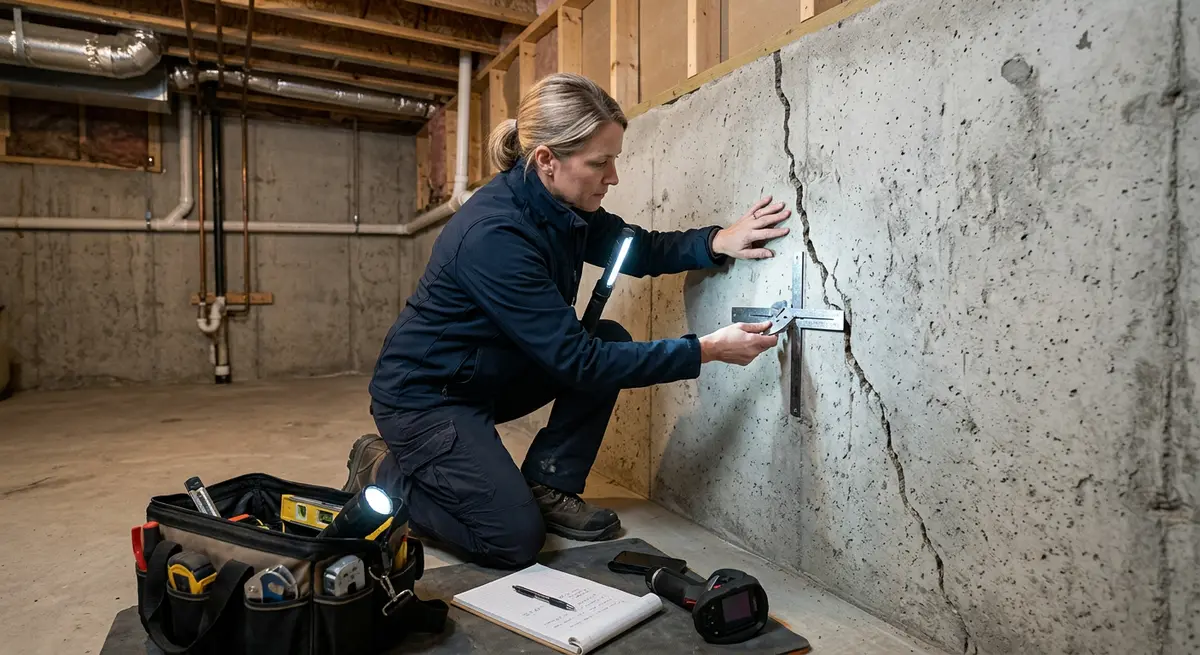
Lenders will immediately flag horizontal foundation cracks, bowing basement walls, or evidence of active settlement. While minor vertical hairline cracks are common and often acceptable, cracks exceeding a quarter-inch in width or those accompanied by water infiltration require extensive, costly repairs before financing becomes possible.
As David Chen, a certified structural engineer based in Calgary, explains: “A compromised foundation doesn’t just affect the basement; it shifts the entire load path of the house. Lenders will not risk capital on a property that requires $40,000 in underpinning just to remain standing.”
Roof and Load-Bearing Deficiencies
Roof structural problems also constitute major disqualifying conditions. Calgary is notorious for severe weather, including devastating summer hailstorms and heavy winter snow loads. Sagging rooflines, damaged trusses, or inadequate support structures render a property ineligible for secondary financing. Furthermore, if a roof is past its expected lifespan and actively leaking, lenders will require replacement prior to funding.
Inside the home, unauthorized modifications to load-bearing walls present serious concerns. In older Calgary neighborhoods, amateur open-concept renovations often compromise the home’s structural integrity. Removed or altered load-bearing elements without proper engineering permits make the property unsuitable as collateral. If you are considering stated income financing or other alternative lending paths, be aware that private lenders are equally strict regarding structural soundness.
Safety Hazards and Code Violations
Another major factor in loan denial involves immediate safety hazards. Lenders cannot assume liability for properties that pose life-safety risks to occupants or neighboring structures. Properties must meet the minimum habitability standards outlined in the current Alberta Building Code.
Outdated and Dangerous Electrical Systems
Electrical system deficiencies are incredibly common in Calgary homes built before 1980. Outdated electrical panels (such as older Federal Pacific or Sylvania panels known for breaker failures), aluminum wiring without proper pigtailing, and active knob-and-tube systems will almost certainly result in loan denial. These systems pose severe fire risks and often make the property uninsurable. If a home cannot be insured, a financial institution cannot secure their debt against it.
Overloaded circuits, exposed wiring, or electrical panels located in hazardous areas like bathrooms are immediate red flags. Upgrading a 60-amp service to a modern 100-amp or 200-amp service is frequently a mandatory condition for loan approval in older properties.
Plumbing and HVAC Failures
Plumbing violations present another category of disqualifying safety concerns. In Calgary, where winter temperatures regularly plunge below -30°C, improperly insulated or maintained plumbing systems are a disaster waiting to happen. The presence of Polybutylene (Poly-B) piping, common in homes built between 1978 and 1995, is increasingly viewed as a high-risk factor by lenders due to its propensity to rupture without warning.
Heating systems are equally critical. A reliable heat source is essential for property preservation in Alberta. Cracked heat exchangers in furnaces, improperly vented gas appliances posing carbon monoxide risks, or relying solely on space heaters are immediate disqualifiers. Lenders require a permanent, safe, and functional HVAC system to ensure the property remains habitable and pipes do not freeze, which could lead to catastrophic water damage.
Environmental and Health Deal-Breakers
Environmental hazards rank near the top of the list of disqualifying property conditions. These issues not only destroy property value but also carry massive remediation costs and legal liabilities that lenders refuse to inherit.
Mold and Moisture Contamination
Extensive mold contamination is a frequent issue, often resulting from poor attic ventilation, recurring ice dams, or unresolved basement flooding. While a small amount of mildew in a bathroom shower is normal, systemic toxic mold growth throughout a home’s drywall or HVAC system is a deal-breaker. According to Health Canada guidelines, extensive mold requires professional remediation to ensure occupant safety. The cost of this removal, combined with fixing the underlying moisture intrusion, often exceeds the borrower’s available equity.
Marcus Thorne, an Environmental Assessor at Calgary Air Quality Solutions, notes: “Systemic black mold indicates a fundamental failure in the building envelope. Lenders look at mold not just as a health hazard, but as proof of ongoing, destructive water ingress.”
Asbestos and Lead Paint Risks
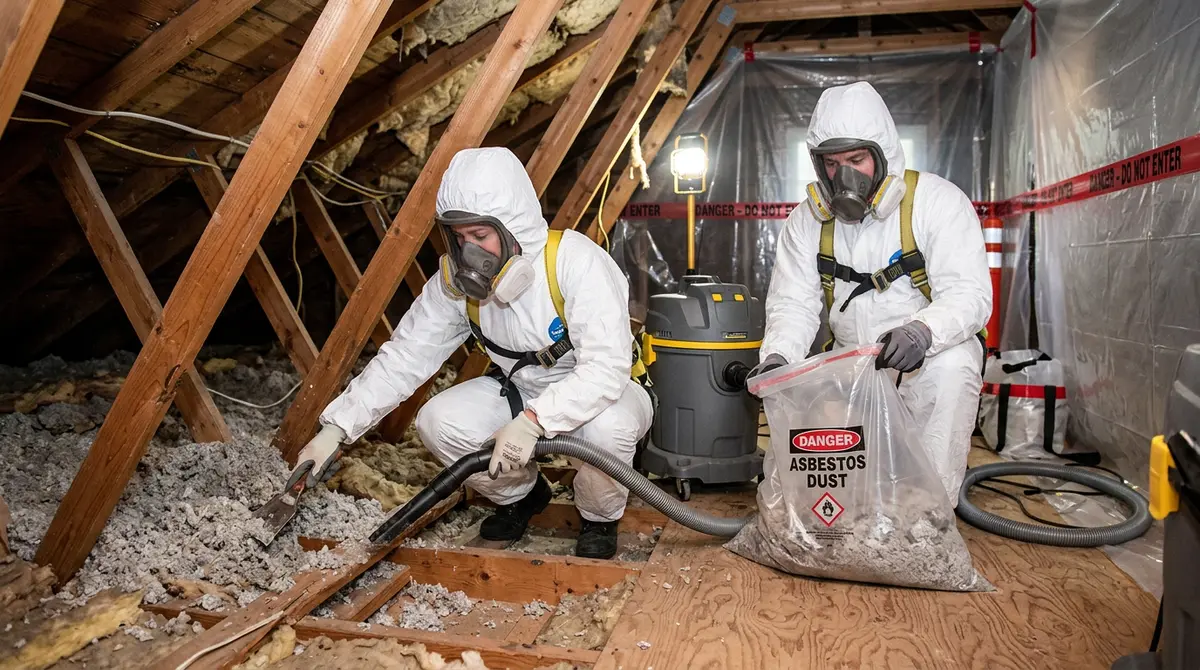
Asbestos-containing materials (ACMs) are prevalent in Calgary homes constructed before 1990. While undisturbed asbestos (like intact floor tiles) might not immediately disqualify a property, any damaged, deteriorating, or “friable” asbestos insulation (such as vermiculite in the attic) requires mandatory professional abatement. Lenders view friable asbestos as a massive liability.
Similarly, deteriorating lead-based paint or soil contamination from old underground heating oil tanks will halt an application. Environmental assessments are mandatory if a property is suspected of severe contamination, especially if it is located near former industrial sites or dry cleaners.
Legal, Zoning, and Maintenance Red Flags
Beyond physical defects, legal and aesthetic issues play a crucial role in lending decisions. A property must be legally compliant and reasonably maintained to serve as viable collateral.
Unpermitted Additions and Zoning Breaches
The City of Calgary has strict zoning bylaws and building codes. Properties featuring unpermitted additions, illegal basement suites, or structural modifications lacking municipal approval face severe financing restrictions. If the municipality discovers an illegal addition, they can mandate its removal at the owner’s expense. Lenders will not finance a property where a significant portion of its appraised value is based on illegal, unpermitted square footage.
Furthermore, legal encumbrances on the property title can halt funding. If there are outstanding builder’s liens, tax arrears, or if you are currently dealing with legal encumbrances on your title such as a Lis Pendens, lenders will automatically disqualify the application until the title is cleared.
Severe Deferred Maintenance
While cosmetic issues like outdated wallpaper or worn carpets rarely disqualify a property, severe deferred maintenance is a different story. Deferred maintenance that affects multiple building systems indicates a pattern of neglect. Examples include missing exterior siding, rotting window frames, collapsed retaining walls, and overgrown landscaping that directs water into the foundation.
As Sarah Jenkins, Senior Underwriter at Alberta Equity Partners, notes: “When we see a property with a tarp on the roof, broken windows, and a yard full of debris, it signals that the borrower lacks the capacity or willingness to maintain the asset. This drastically reduces the property’s marketability and increases our risk profile beyond acceptable limits.”
The 2026 Professional Assessment Process
To identify disqualifying conditions, lenders rely on comprehensive professional evaluations. These assessments go far beyond basic automated valuation models (AVMs). Properly organizing property assessments and previous renovation permits can significantly speed up this evaluation process.
- Full Interior/Exterior Appraisal: A certified appraiser visits the property to assess its current market value, overall condition, and remaining economic life. They photograph all rooms, mechanical systems, and exterior elevations.
- Safety and Code Verification: The appraiser actively looks for visible safety hazards, such as missing smoke detectors, exposed wiring, or lack of egress windows in bedrooms.
- Municipal Compliance Check: Lenders cross-reference the property’s actual layout with city tax records to identify unpermitted additions or illegal suites.
- Specialized Inspections: If the appraiser notes potential structural or environmental issues, the lender will mandate specialized reports (e.g., structural engineering reports, mold air quality testing) before proceeding.
It is highly recommended that homeowners focus on retaining inspection reports for future reference, as proving that past issues were professionally resolved can save weeks of underwriting delays.
Estimated Remediation Costs for Common Disqualifiers
Understanding the financial impact of these issues is critical. Below is a breakdown of common disqualifying conditions and their estimated remediation costs in the 2026 Calgary market.
| Property Condition | Lender Action | Estimated Remediation Cost (2026) |
|---|---|---|
| Minor Hairline Foundation Cracks | Usually Acceptable (Monitor) | $0 – $500 |
| Active Knob-and-Tube Wiring | Immediate Disqualification | $8,000 – $15,000 |
| Friable Asbestos Insulation | Immediate Disqualification | $10,000 – $25,000+ |
| Unpermitted Secondary Suite | Conditional Approval / Denial | $5,000 – $20,000 |
| Poly-B Plumbing (Intact) | High Scrutiny / Possible Denial | $6,000 – $12,000 |
How to Remediate Disqualifying Conditions
If your property currently suffers from disqualifying conditions, you are not permanently locked out of the secondary financing market. Remediation can restore your eligibility, allowing you to get back to managing your home equity effectively. Follow these steps to prepare your property for approval:
- Prioritize Life-Safety Issues: Hire a licensed electrician to replace knob-and-tube wiring or upgrade an obsolete electrical panel. Safety hazards are the fastest way to get an application denied.
- Address Active Water Intrusion: Fix roof leaks immediately and ensure proper grading around your foundation to direct water away from the home. Water damage leads to mold, compounding your problems.
- Legalize Unpermitted Work: Contact the City of Calgary to begin the retroactive permitting process for illegal suites or additions. While this may require opening walls for inspection or paying municipal fines, legalizing your space is mandatory.
- Obtain Professional Certifications: After completing structural or environmental repairs, obtain a sign-off from a certified engineer or environmental hygienist to prove to the lender that the issue is fully resolved.
- Explore Repair-and-Renovate Mortgages: If you lack the cash to fix these issues upfront, seek out specialized private lenders who offer holdback mortgages. These lenders approve the loan based on the “as-improved” value, releasing funds directly to contractors as the work is completed.
Whether you are looking to consolidate debt or are considering adding an adult child to the title to boost borrowing power, ensuring the physical asset is pristine is the first step toward approval.

Frequently Asked Questions (FAQ)
Can I get secondary financing in Calgary with a cracked foundation?
Minor, stable vertical hairline cracks are generally acceptable to lenders as they are common in Alberta. However, wide horizontal cracks, bowing walls, or active water leaks indicate severe structural failure and will disqualify the property until professionally repaired and engineered.
Will an unpermitted basement suite stop my application?
Yes, it frequently does. Lenders will not include the value of illegal, unpermitted square footage in their appraisal. In some cases, lenders may require you to decommission the illegal suite (such as removing the stove) or obtain retroactive municipal permits before funding.
Does Poly-B plumbing automatically disqualify a home in 2026?
While not an automatic disqualifier for every single lender, Poly-B plumbing is heavily scrutinized. Many lenders require proof of comprehensive home insurance that specifically covers Poly-B leaks, or they may mandate its complete replacement as a condition of the loan.
Can I use the loan funds to fix the disqualifying conditions?
Traditional lenders typically will not fund a loan on a deficient property. However, specialized private lenders offer “repair and renovate” holdback mortgages, where funds are held in trust and released directly to contractors as the disqualifying conditions are fixed.
How does deferred maintenance affect my appraisal value?
Severe deferred maintenance signals a pattern of neglect to the appraiser, which drastically reduces the property’s “effective age” and marketability. This results in a lower appraised value, which directly reduces the amount of equity you can borrow against.
Do I need to disclose past environmental issues if they were fixed?
Yes, you should disclose past issues like mold or asbestos, but you must provide the professional remediation certificates and air quality clearance reports. Proving the issue was handled by certified professionals will satisfy the lender’s risk department.
Conclusion
Securing secondary financing in Calgary requires more than just strong credit and verifiable income; the physical collateral must meet strict standards for structural integrity, safety, environmental health, and legal compliance. By proactively identifying and remediating these disqualifying conditions, homeowners can protect their property’s value and ensure a smooth approval process. Whether you are looking to fund a major renovation, consolidate high-interest debt, or explore principal reduction strategies, a well-maintained, legally compliant home is your greatest asset.
If you are concerned about the condition of your property or need guidance on navigating the financing process with a home that requires repairs, professional help is available. Contact us today to speak with an expert who can help you evaluate your options and connect you with lenders who understand the nuances of the Calgary real estate market.