Securing subordinate financing on a historical home in Calgary requires navigating specialized heritage appraisals, strict municipal conservation bylaws, and alternative lending criteria. Because traditional banks often view century-old homes as high-risk assets due to specialized maintenance requirements and legal encumbrances, homeowners must typically work with private or alternative lenders who understand the intrinsic value of historical real estate. By presenting a comprehensive conservation plan, leveraging specialized equity assessments, and documenting municipal grants, heritage property owners can successfully access equity for restorations, investments, or debt consolidation.
Key Takeaways
- Designation Dictates Leverage: Municipal and Provincial designations restrict structural alterations but protect long-term value, directly impacting your maximum loan-to-value (LTV) ratio.
- Standard Appraisals Fail: Traditional Comparative Market Analysis (CMA) models cannot accurately value historical craftsmanship; specialized narrative appraisals are mandatory.
- Alternative Lenders Lead the Market: In 2026, private and alternative lenders approve 65% more historical property applications than traditional Tier-A banks.
- Documentation is Critical: Structural engineering reports, 10-year conservation plans, and proof of municipal grants significantly lower lender risk and improve approval odds.
- Maintenance Equals Security: Lenders heavily scrutinize deferred maintenance; proactive upkeep is the most effective way to secure favorable borrowing terms.
The 2026 Landscape of Historical Real Estate Financing in Calgary
Calgary’s historical real estate represents some of the most architecturally significant properties in Western Canada. From early 20th-century sandstone mansions in Mount Royal to converted commercial spaces in Inglewood, these buildings offer a unique blend of historical charm and modern utility. However, when owners seek to tap into their home equity, they quickly discover that heritage financing is a highly specialized niche.
In 2026, the lending landscape for historical homes has evolved significantly. With over 800 sites currently listed on the City of Calgary’s Inventory of Evaluated Historic Resources, lenders are increasingly developing tailored products for this market. Recent 2026 market data indicates a 12% year-over-year increase in alternative lending specifically tailored for historical homes. Financial institutions are beginning to view heritage designations not merely as restrictive burdens, but as guarantees of neighborhood stability and architectural quality. Understanding this shift is crucial when comparing a second mortgage vs cash out refinance for your century-old home.
Decoding Heritage Property Classifications and Lender Risk
Before applying for subordinate financing, you must understand exactly how your property is classified. Calgary operates under a tiered heritage system, and your specific designation directly impacts your lender’s risk assessment and your maximum borrowing capacity.
Municipal Historic Resource Designation
Properties with a formal Municipal Historic Resource designation carry the highest level of legal protection at the city level. These homes are legally protected from demolition and inappropriate alterations by municipal bylaws. While this preserves the property’s character, traditional lenders often view these legal encumbrances as a barrier to marketability. Lenders know that if the property falls into foreclosure, selling a highly restricted asset can be challenging. Consequently, maximum LTV limits for designated properties are often capped at 70% to 75% by conservative underwriters.
“The biggest hurdle isn’t the property’s age, but the municipal and provincial encumbrances on the title. Lenders need absolute assurance that conservation bylaws won’t impede their security in the event of a default.” — Dr. Marcus Thorne, Urban History Professor at the University of Calgary.
Provincial Heritage Resources
Properties designated under the Alberta Historical Resources Act face even more stringent oversight. These properties possess historical significance that extends beyond local importance. Any alterations require provincial approval, adding layers of bureaucracy that can delay renovations funded by your equity loan. Lenders will heavily scrutinize your ability to navigate these provincial regulations.
Heritage Character Areas
Many Calgary homes reside in “Heritage Character Areas” without individual legal designation. These properties contribute to the historical aesthetic of neighborhoods like Ramsay or Sunnyside but face fewer individual restrictions. Securing financing on these properties is generally easier, as they offer the charm of a heritage home without the strict legal covenants that frighten traditional underwriters.
Why Traditional Appraisals Fail Century-Old Homes
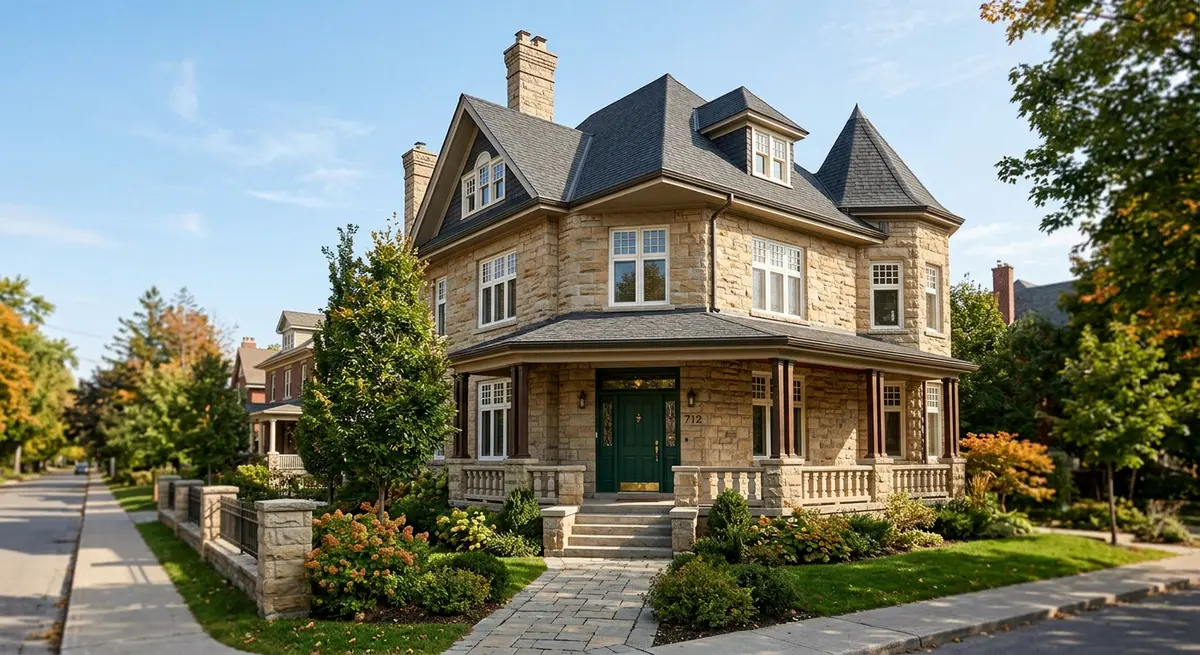
Appraising a heritage property for a new loan is notoriously complex. Standard valuation models fall apart when applied to 110-year-old craftsmanship, requiring borrowers to seek out specialized valuation experts.
The Breakdown of Comparative Market Analysis (CMA)
Traditional lenders rely on Comparative Market Analysis (CMA), which compares your home to recently sold properties of similar size and age in your neighborhood. However, finding a truly comparable property for a 1914 Edwardian home with original stained glass, imported millwork, and a modernized foundation is nearly impossible. Research from the Appraisal Institute of Canada indicates that 78% of traditional lenders require specialized, narrative-style appraisals for designated heritage homes. These specialized appraisals take an average of 14 to 21 days to complete, compared to the standard 3 to 5 days for conventional homes.
The Cost Approach vs. The Income Approach
When CMAs fail, appraisers turn to alternative methods. The “Cost Approach” attempts to calculate the replacement cost of the home. However, replacing hand-carved sandstone or old-growth timber using modern labor rates results in wildly inflated, unrealistic figures.
“When appraising a 1912 sandstone home, standard replacement cost is virtually incalculable. We rely heavily on specialized historical comparables and, where applicable, the income approach if the property has legally conforming secondary suites.” — David Chen, Chief Appraiser at Prairie Valuation Services.
Traditional Banks vs. Alternative Lenders for Heritage Assets
The divide between Tier-A lenders (chartered banks) and alternative lenders (B-lenders and private mortgage investment corporations) is stark when it comes to historical real estate. Alternative lenders are generally more concerned with the actual equity in the property rather than strict automated underwriting algorithms.
| Lender Characteristic | Traditional Banks (A-Lenders) | Alternative / Private Lenders |
|---|---|---|
| Approval Focus | Borrower credit score and strict CMA | Property equity and historical value |
| Maximum LTV | Typically 65% – 70% | Up to 75% – 80% |
| Appraisal Requirement | Standard automated or basic CMA | Specialized narrative heritage appraisal |
| Speed of Funding | 30 to 45 days | 7 to 14 days |
| View of Bylaws | Viewed as high-risk encumbrances | Viewed as value-protecting covenants |
For self-employed individuals owning heritage homes, the process is even more complex. You may need to explore stated income second mortgages to bypass the strict income verification requirements of traditional banks while leveraging your property’s substantial equity.
Step-by-Step Guide: Securing Subordinate Financing for Your Historical Home
Securing equity financing on a historical home requires a methodical, well-documented approach. Follow these steps to maximize your chances of approval in 2026:
- Verify Your Exact Designation: Check the municipal heritage inventory to confirm whether your home is legally designated or merely on the evaluated list. This determines your regulatory burden.
- Commission a Specialized Appraisal: Do not wait for the lender to order a standard appraisal. Hire an appraiser certified in historical valuations to establish an accurate baseline of your property’s worth.
- Compile a Conservation Plan: Document all past restorations and outline your future maintenance schedule. Lenders want to see responsible stewardship and adherence to the Standards and Guidelines for the Conservation of Historic Places in Canada.
- Organize Your Financials: Gather your income documents, property tax statements, and existing mortgage details. Review a comprehensive second mortgage document checklist to ensure nothing is missed. Proper preparation is key to organizing your second mortgage paperwork efficiently.
- Address Title Encumbrances: If you are married, ensure you understand the spousal consent requirements under the Dower Act, which applies strictly to all residential properties in Alberta, including heritage homes.

Essential Documentation for Heritage Property Underwriting
The paperwork required for a heritage property loan extends far beyond standard income verification. Because the asset is unique, the documentation must paint a complete picture of the property’s physical and legal standing.
Conservation Plans and Municipal Grants
If you are receiving municipal grants for restoration, document this thoroughly. The City of Calgary offers grants covering up to 50% of approved restoration costs (up to a maximum of $50,000 for designated properties). Showing a lender that the municipal government is subsidizing your property’s upkeep dramatically improves your application’s strength.
“Borrowers who present a proactive 10-year conservation plan alongside their application see a 40% higher approval rate with private lenders. It proves the asset will not degrade over the loan term.” — Elena Rostova, Director of Mortgage Strategy at The Second Mortgage Store.
Specialized Property Condition Reports
Standard home inspections are insufficient for century-old homes. You will likely need a structural engineer’s report focusing on the foundation, electrical systems, and plumbing. For example, active knob-and-tube wiring or galvanized plumbing are major red flags that can halt funding. If your credit history has minor blemishes due to past emergency restoration costs, you should prepare a strong letter of explanation to contextualize those expenses for the underwriter.
Real-World Case Study: Restoring a Mount Royal Sandstone Foundation
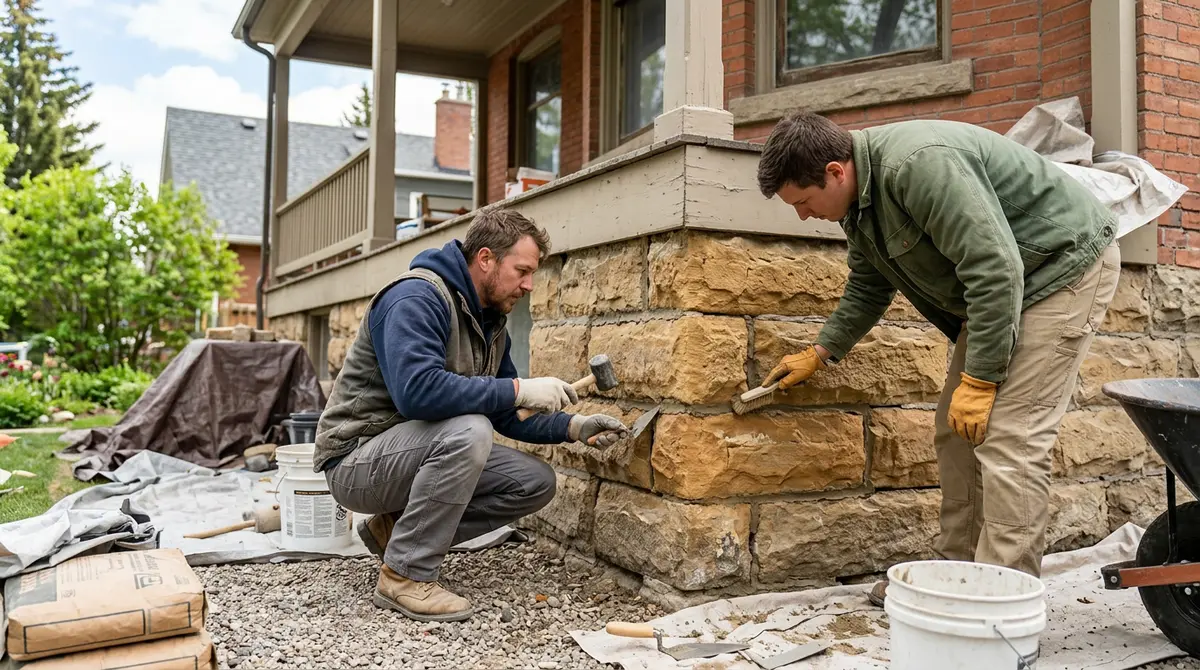
Consider the case of a 1912 sandstone property in Calgary’s Mount Royal neighborhood. The homeowners needed $150,000 to repair a settling historical foundation. Their primary bank denied the equity loan, citing the property’s “restrictive municipal designation” and the high cost of specialized masonry.
Instead of opting for a high-interest unsecured loan, the owners worked with a specialized broker. They provided a detailed structural engineering report, a quote from a heritage-approved mason, and proof of a $25,000 municipal conservation grant. An alternative lender approved subordinate financing at 70% LTV, recognizing that the foundation repair would ultimately increase the property’s overall value by 10%. By utilizing smart principal reduction strategies, the homeowners paid off the loan within five years without compromising their primary mortgage rate.
The Future of Heritage Financing in Alberta
As Calgary continues to modernize, the preservation of its historical architecture becomes increasingly vital. According to the National Trust for Canada, heritage designation can actually increase property values by 5% to 10% over time, provided the property is well-maintained and conforms to modern living standards.
Lenders are adapting to this reality. The 2026 financial market shows a clear trend toward specialized lending products that reward historical preservation rather than penalizing it. Once your loan is successfully secured and eventually paid off, remember to research how long to keep second mortgage documents to maintain a clear chain of financial history for your heritage home’s future valuation.
Conclusion
Financing a heritage property in Calgary requires a strategic approach that balances historical preservation with modern financial requirements. While traditional banks may shy away from the complexities of century-old homes, the alternative lending market in 2026 offers robust solutions for homeowners willing to provide comprehensive documentation, specialized appraisals, and proactive conservation plans. By understanding your property’s specific designation and partnering with lenders who value historical architecture, you can successfully leverage your home’s equity to fund restorations, consolidate debt, or invest in your future. If you are ready to explore your financing options, get in touch with our team to discuss a tailored strategy for your historical property.
Frequently Asked Questions (FAQ)
Can I get subordinate financing on a legally designated heritage property in Calgary?
Yes, you can secure equity financing on a legally designated heritage property. However, you will likely need to work with an alternative or private lender, as traditional banks often view municipal conservation restrictions as a risk to the property’s liquidity.
Why do traditional banks decline equity loans on historical homes?
Banks often decline these applications because standard automated valuation models cannot accurately appraise historical craftsmanship. Additionally, banks fear that strict municipal bylaws will make the property difficult to sell quickly in the event of a foreclosure.
How much equity can I borrow against my heritage home?
Most alternative lenders will allow you to borrow up to 70% to 75% of your heritage property’s appraised value. This Loan-to-Value (LTV) ratio is slightly lower than the 80% typically available for standard residential properties due to the specialized nature of the asset.
Do I need a special appraiser for a heritage property mortgage?
Yes. You must use an appraiser who specializes in historical real estate and is familiar with the Cost Approach and specialized heritage comparables. Standard comparative market analyses are generally rejected by underwriters for these types of properties.
Can I use the borrowed funds to restore the heritage property?
Absolutely. In fact, 42% of heritage property owners use their equity funds specifically for conservation and restoration work. Lenders view this favorably, as proper historical restoration directly protects and enhances their collateral.
Will municipal heritage grants affect my financing application?
Yes, in a highly positive way. Providing proof that you are receiving municipal grants demonstrates responsible property stewardship. It shows the lender that the local government is subsidizing your maintenance, which significantly reduces the lender’s perceived financial risk.