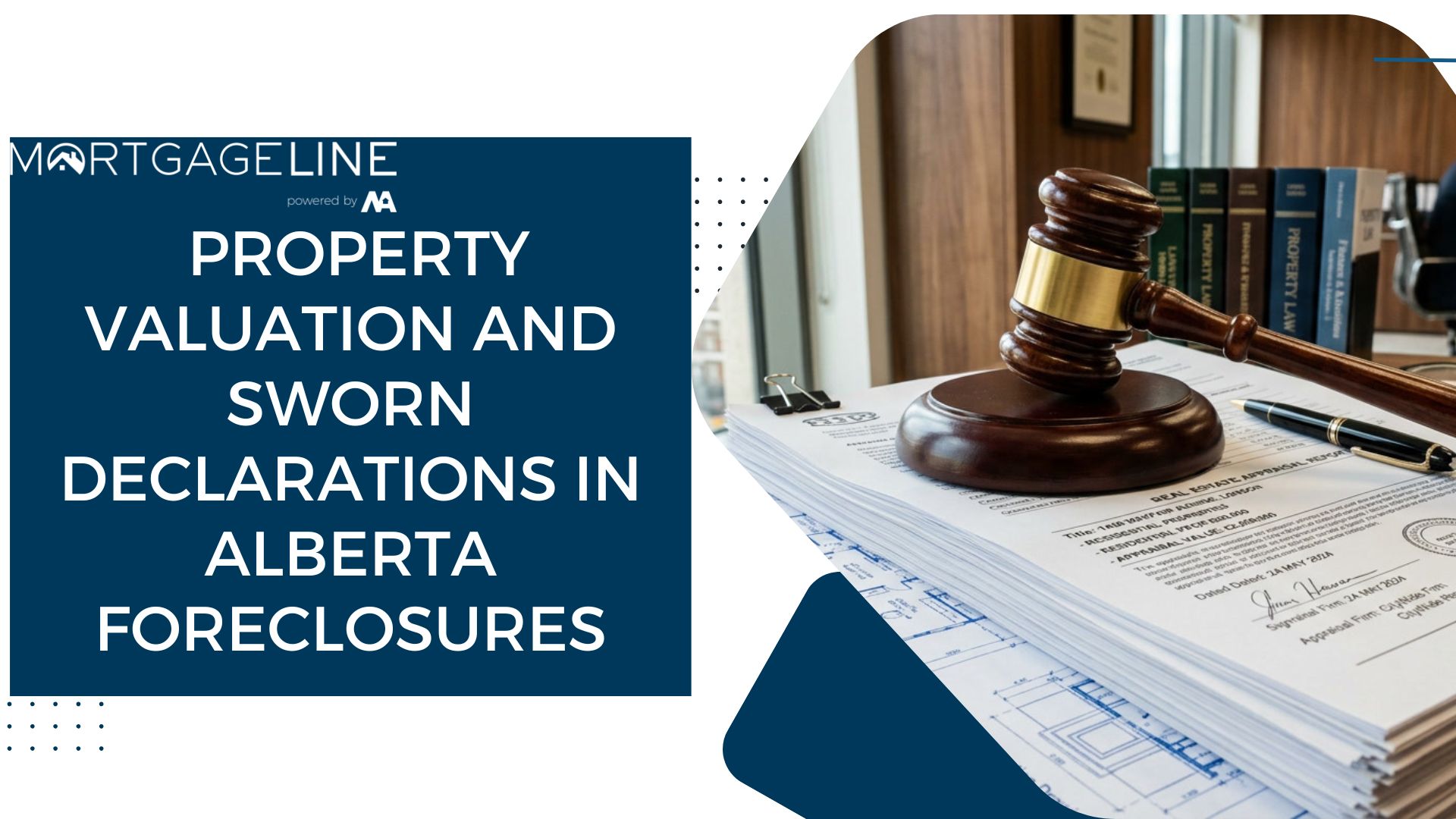
A sworn valuation document in an Alberta foreclosure is a legally binding declaration prepared by a certified real estate appraiser that establishes the fair market value of a distressed property. The Court of King’s Bench relies heavily on this valuation to determine the homeowner’s remaining equity, set the official redemption period, and establish the minimum listing price for a judicial sale. Understanding this critical requirement is vital for homeowners looking to protect their financial interests, challenge inaccurate assessments, or leverage alternative financing before losing their property entirely.
Key Takeaways
- Court Mandate: The Court of King’s Bench requires a sworn, certified appraisal before granting an Order Nisi or ordering a judicial sale.
- Equity Determines Time: The assessed value directly impacts the redemption period; higher equity typically results in a longer period to pay off arrears.
- Appraiser Credentials: Only members of the Appraisal Institute of Canada (AIC) or equivalent regulatory bodies can complete these binding documents.
- Forced Sale vs. Market Value: The document usually includes both a standard market value and a lower “forced sale” value expected in a rapid liquidation.
- Homeowner Rights: Property owners have the right to challenge the lender’s valuation by submitting their own certified appraisal.
- Financing Options: Establishing accurate home equity is the first step toward securing alternative financing to halt legal proceedings.
The Role of Property Valuation in Legal Proceedings
When a lender initiates legal action to recover an unpaid debt, the provincial court must ensure that the property is sold for a fair and reasonable price. The foundational tool for this assurance is the formalized appraisal document. Without an objective third-party assessment, lenders could theoretically sell properties significantly below market value, leaving borrowers with massive deficiency judgments.
According to guidelines established by the Alberta Courts, the presiding Master in Chambers will not proceed with finalizing an Order Nisi without concrete evidence of the property’s current worth. This ensures a balanced approach that protects the financial recovery of the lender while safeguarding any accrued equity belonging to the borrower.
As David Chen, Senior Valuation Expert at Alberta Appraisal Group, explains: “The court relies entirely on the accuracy of the sworn valuation. If an appraiser undervalues a home by even five percent, it can completely alter the legal timeline, potentially stripping a homeowner of months they otherwise would have had to secure refinancing.”
This underscores the importance of the valuation when responding to a statement of claim. Recognizing how your property is being assessed is your first line of defense.

Strict Guidelines for Completing the Sworn Declaration
Not just anyone can assess a home and submit their findings to the court. The individual performing the inspection must possess specific credentials, typically holding a CRA (Canadian Residential Appraiser) or AACI (Accredited Appraiser Canadian Institute) designation from the Appraisal Institute of Canada. This ensures that the methodology used adheres to the highest national standards.
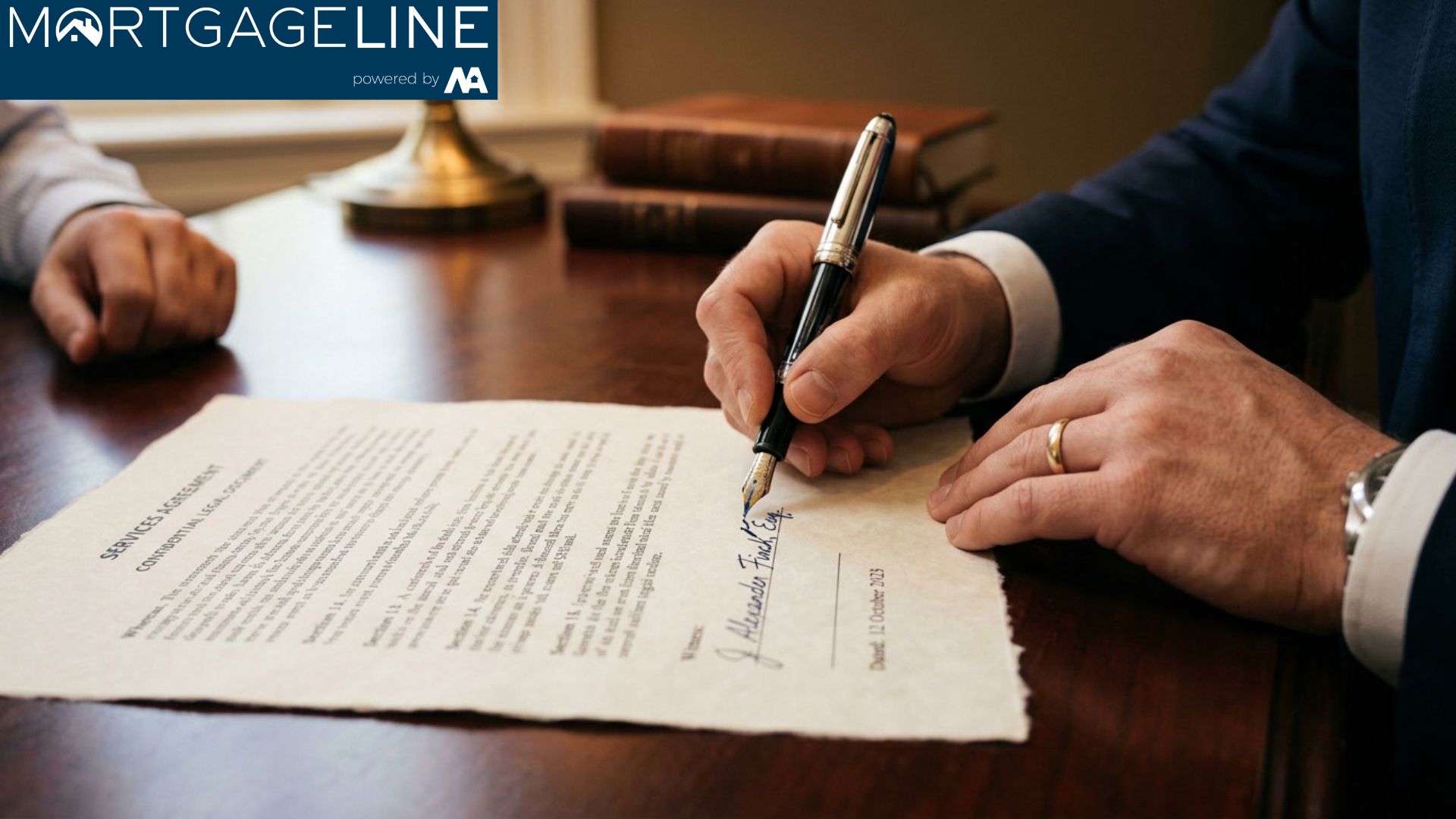
The appraiser must swear an oath before a Commissioner for Oaths or a Notary Public, attesting that their findings are unbiased, accurate, and independent of the lender’s influence. This elevates the appraisal from a simple real estate estimate to a piece of sworn legal evidence.
Required Elements of the Document
To be accepted by the Court of King’s Bench in 2026, the submission must comprehensively detail the property’s condition, location, and comparables. The document generally includes:
- Direct Comparison Approach: An analysis of at least three to five recently sold properties in the immediate neighborhood that share similar characteristics.
- Current Condition Report: Detailed notes on deferred maintenance, necessary repairs, or structural issues that could negatively impact the sale price.
- Photographic Evidence: Time-stamped photographs of the exterior and, if accessible, the interior of the home.
- Two Distinct Valuations: The estimated Fair Market Value (FMV) under normal marketing conditions, and a Forced Sale Value (FSV), which estimates the price if the property must be liquidated quickly (typically within 30 to 90 days).
If you are navigating a TD bank foreclosure process or a similar action from another major lender, you will find that their legal counsel rigidly adheres to these evidentiary requirements to prevent court delays.
How the Valuation Impacts the Redemption Period
One of the most critical aspects of the legal process is the redemption period—the window of time granted to the homeowner to pay off the arrears or sell the property themselves. In Alberta, the standard redemption period is six months. However, this is heavily influenced by the amount of equity remaining in the home, which is directly calculated using the sworn appraisal.
If the valuation shows that the property has substantial equity (meaning the home is worth significantly more than the outstanding mortgage balance), the court is highly likely to grant the full six-month period. Conversely, if the appraisal indicates negative equity or very little equity, the lender can apply to have the redemption period shortened to as little as one day.
Equity and Redemption Timeline Comparison
| Equity Level | Definition | Typical Court-Ordered Redemption Period |
|---|---|---|
| High Equity | Property value exceeds debt by 20%+ | Standard 6 months |
| Marginal Equity | Property value exceeds debt by 5% – 15% | 3 to 6 months (depending on market speed) |
| Zero / Negative Equity | Debt is equal to or greater than property value | 1 day to 30 days (immediate judicial sale or foreclosure order) |
Statistics from 2026 legal filings show that in cases where borrowers actively participated in the valuation process, they successfully retained the standard six-month redemption period 78% of the time. This time is invaluable if you are looking to halt an RBC foreclosure or secure alternative funding.
The Appraiser’s Process: Inside a 2026 Valuation
Understanding exactly how the appraiser operates can help homeowners prepare for the assessment. The process is highly regulated and follows a predictable sequence of events.
- Lender Instruction: The lender’s legal counsel contracts a certified appraiser, instructing them to perform an assessment specifically for litigation purposes.
- Contact and Access: The appraiser will attempt to contact the homeowner to schedule an interior inspection. If the homeowner refuses access, the appraiser is permitted to conduct a “drive-by” or exterior-only appraisal.
- Data Collection: The appraiser visits the site, taking measurements and photographs. They note the quality of construction, recent upgrades, and any visible damage.
- Market Analysis: Back at the office, the appraiser pulls data from the local real estate board, comparing the subject property to recent sales of similar homes.
- Drafting and Swearing: The final report is compiled, printed, and officially sworn before a legal authority. It is then filed with the court as an exhibit to the lender’s application.
It is strongly recommended that homeowners allow interior access. Real estate data from 2026 indicates that exterior-only appraisals often undervalue properties by an average of 8% to 12%, as the appraiser must assume the worst regarding the interior condition. A lower valuation hurts the homeowner by reducing calculated equity and shortening the redemption period.
Challenging an Appraisal in the Court of King’s Bench
Borrowers are not required to simply accept the lender’s valuation. If you believe the plaintiff’s appraiser has undervalued your home—perhaps by missing a newly renovated basement or using outdated comparables—you have the legal right to challenge it.
According to legal analyst Rebecca Martinez: “Homeowners who understand the valuation metric often realize that the plaintiff’s appraisal tends to be conservative. By introducing a competing appraisal from their own certified professional, they can force the court to evaluate the true median value of the asset.”
To successfully dispute the lender’s document, you must hire your own certified appraiser to complete a comprehensive report. Your lawyer can then file this competing document with the court. In some cases, your legal counsel may even cross-examine the lender’s appraiser regarding their methodology. Before making these tactical legal decisions, obtaining independent legal advice is strongly recommended to ensure your strategy aligns with court procedures.
The Critical Difference Between Market Value and Forced Sale Value
One of the most confusing aspects of the court document for homeowners is the presence of two distinct numbers. Understanding the difference is vital for anyone facing a final order.
Fair Market Value (FMV) represents the highest price the property would bring in an open and unrestricted market, assuming a willing buyer, a willing seller, and a reasonable exposure time (typically 60 to 90 days). This is the number most homeowners are familiar with.
Forced Sale Value (FSV), however, is a discounted figure. It estimates the property’s worth if it must be sold under duress with a severely restricted marketing period (often less than 30 days). In the 2026 Alberta market, the FSV is typically 10% to 20% lower than the FMV.
If the court orders a judicial listing, the property will usually be listed at the FMV initially. However, if the home does not sell, the lender can return to court to request a price reduction, eventually driving the price down toward the FSV. This makes tracking the final order timeline essential for maximizing your return.

Home Equity Solutions Before the Final Order
Once the sworn valuation is submitted, the exact amount of equity in the home becomes a matter of public court record. While this can feel intrusive, it also provides a clear, certified number that alternative lenders can use to approve rescue financing.
If the appraisal proves that significant equity remains, homeowners have options. Many institutional lenders may refuse to help a borrower in active legal proceedings, but specialized equity lenders focus exclusively on the asset’s value. By leveraging the very appraisal document the court required, borrowers can secure funding to pay off the demanding lender entirely.
For instance, utilizing home equity through a private secondary mortgage can provide the capital needed to bring the primary mortgage into good standing. This strategy effectively dismisses the lawsuit, allowing the homeowner to retain possession of the property and protect their credit from the devastating impact of a finalized judgment.
Whether you are dealing with a smaller credit union or navigating a BMO foreclosure, the overarching principle remains the same: knowing your property’s precise, legally recognized value empowers you to make strategic financial decisions before the court takes that power away.
Conclusion
The requirement for a sworn valuation document is a cornerstone of the legal process in Alberta. It protects both the lender’s capital and the borrower’s equity by ensuring all court decisions—from setting the redemption period to approving a judicial sale—are based on objective, certified data. Homeowners must not ignore the appraisal process; cooperating with the appraiser and understanding the final figures can mean the difference between losing a home immediately and securing the time needed to refinance.
If you have recently been served with a valuation or a Statement of Claim, you must act quickly. Your home equity is your strongest asset, but it can be rapidly depleted by mounting legal fees and forced sale discounts. Take control of the situation today. Get in touch with our team to explore your equity financing options and discover how you can halt legal proceedings before it is too late.
Frequently Asked Questions (FAQ)
Can I refuse to let the appraiser inside my home?
Yes, you can legally refuse entry to the appraiser. However, doing so forces them to complete a “drive-by” appraisal, which often results in a lower valuation since they must assume the interior requires work. This lower value can negatively impact your redemption period and equity calculation.
Who pays for the mandatory court appraisal?
Initially, the lender pays the appraiser to complete the required document. However, these costs are added to your total outstanding debt. If you pay off the arrears to reinstate the mortgage, or if the property is sold, those appraisal fees will be recovered from your funds.
What happens if the valuation shows I have negative equity?
If the appraisal indicates that your home is worth less than what you owe, the lender can petition the court for an immediate final order or a severely shortened redemption period (e.g., 1 day). You may also be held personally liable for the deficiency judgment after the home is sold.
Can I submit my own appraisal to the court?
Absolutely. If you disagree with the lender’s valuation, you have the right to hire your own certified appraiser to complete an independent assessment. Your legal counsel can then submit this counter-valuation to the Master in Chambers for consideration.
How long is an appraisal considered valid by the court?
In the highly dynamic 2026 real estate market, the Court of King’s Bench generally requires the valuation document to be no older than six months. If legal proceedings drag on, the lender may be required to order an updated appraisal before a judicial sale can be approved.
Does a high property value stop the legal process?
No, a high valuation does not stop the legal process on its own. However, it proves you have sufficient equity, which usually guarantees you a standard six-month redemption period. You can use this time to arrange alternative financing or sell the property yourself to pay off the debt.