When a CIBC mortgage falls into arrears in Alberta, the bank follows a strict judicial foreclosure process governed by provincial law, not merely internal bank policy. Homeowners receive a formal Statement of Claim, and from that moment, a countdown begins that can culminate in a court-ordered sale of the property. The critical window to act is the redemption period, which typically spans six months for most residential properties but can be shortened by the courts under specific circumstances. Understanding these rules is the difference between losing your home and retaining your equity.
Key Takeaways
- CIBC foreclosures in Alberta are judicial, requiring a court order at every stage.
- The standard redemption period is six months, giving you time to pay arrears or refinance.
- A Statement of Claim initiates the process; you have a limited time to file a defence.
- Alberta’s Law of Property Act governs the right to redeem and the final order of foreclosure.
- Strategic options include filing a dispute, negotiating a forbearance agreement, or accessing alternative financing.
- Missing a court deadline can result in a Final Order of Foreclosure, extinguishing your ownership rights.
- Legal advice is essential; self-representation often leads to accelerated loss of the property.
How the Judicial Foreclosure Process Works for CIBC Mortgages
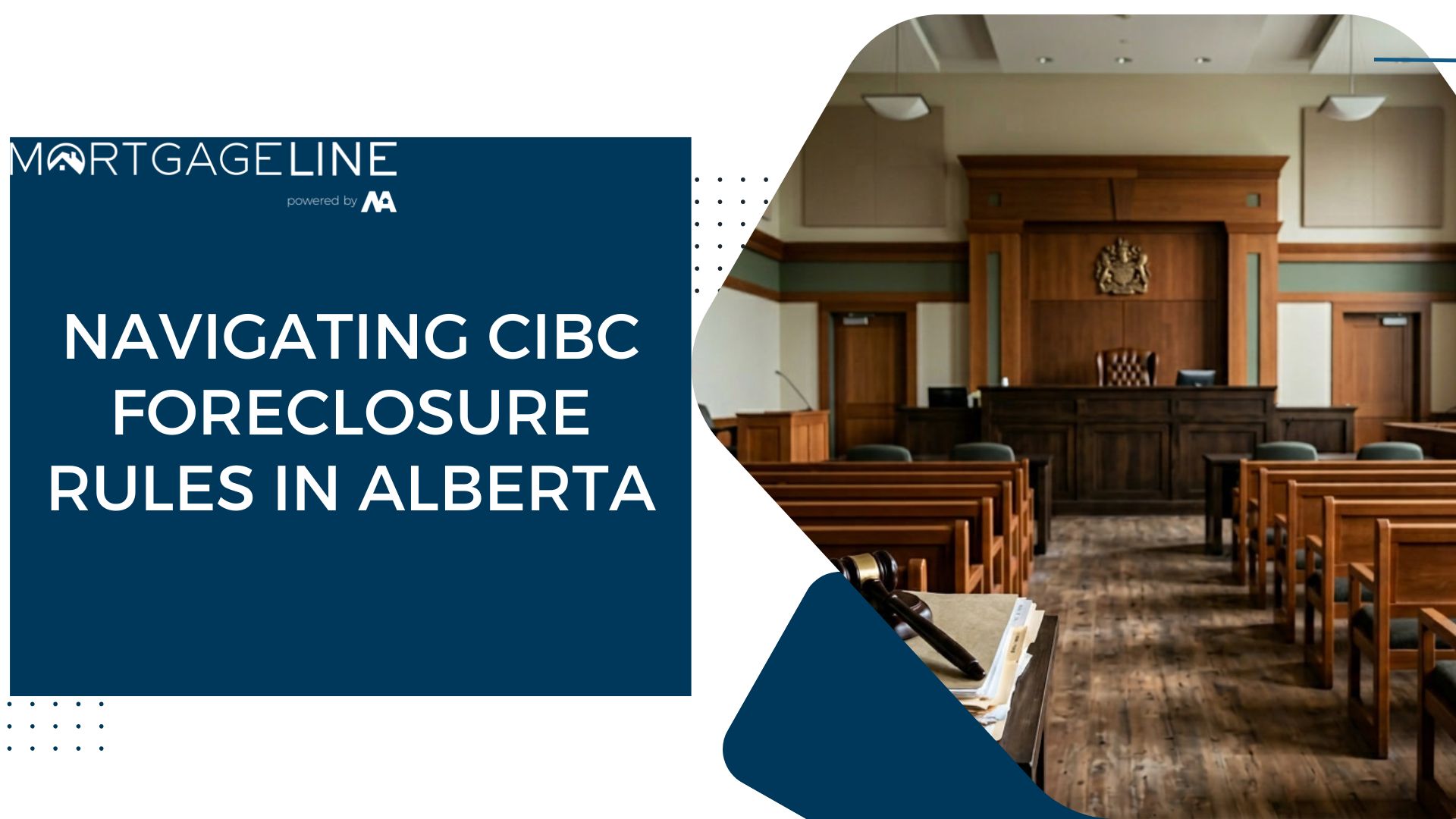
Unlike some provinces that permit power of sale, Alberta mandates a judicial foreclosure for all institutional lenders, including CIBC. This means the bank must file a lawsuit in the Court of King’s Bench. According to the Alberta Courts, the process begins when a borrower defaults—typically after three missed payments. CIBC’s legal counsel then issues a Statement of Claim, which is served personally to the homeowner. This document outlines the total debt, including principal, interest, legal fees, and any other charges. From the date of service, you have 20 days in Alberta to file a Statement of Defence if you wish to contest the action. Failing to respond allows CIBC to apply for a default judgment, significantly accelerating the timeline.
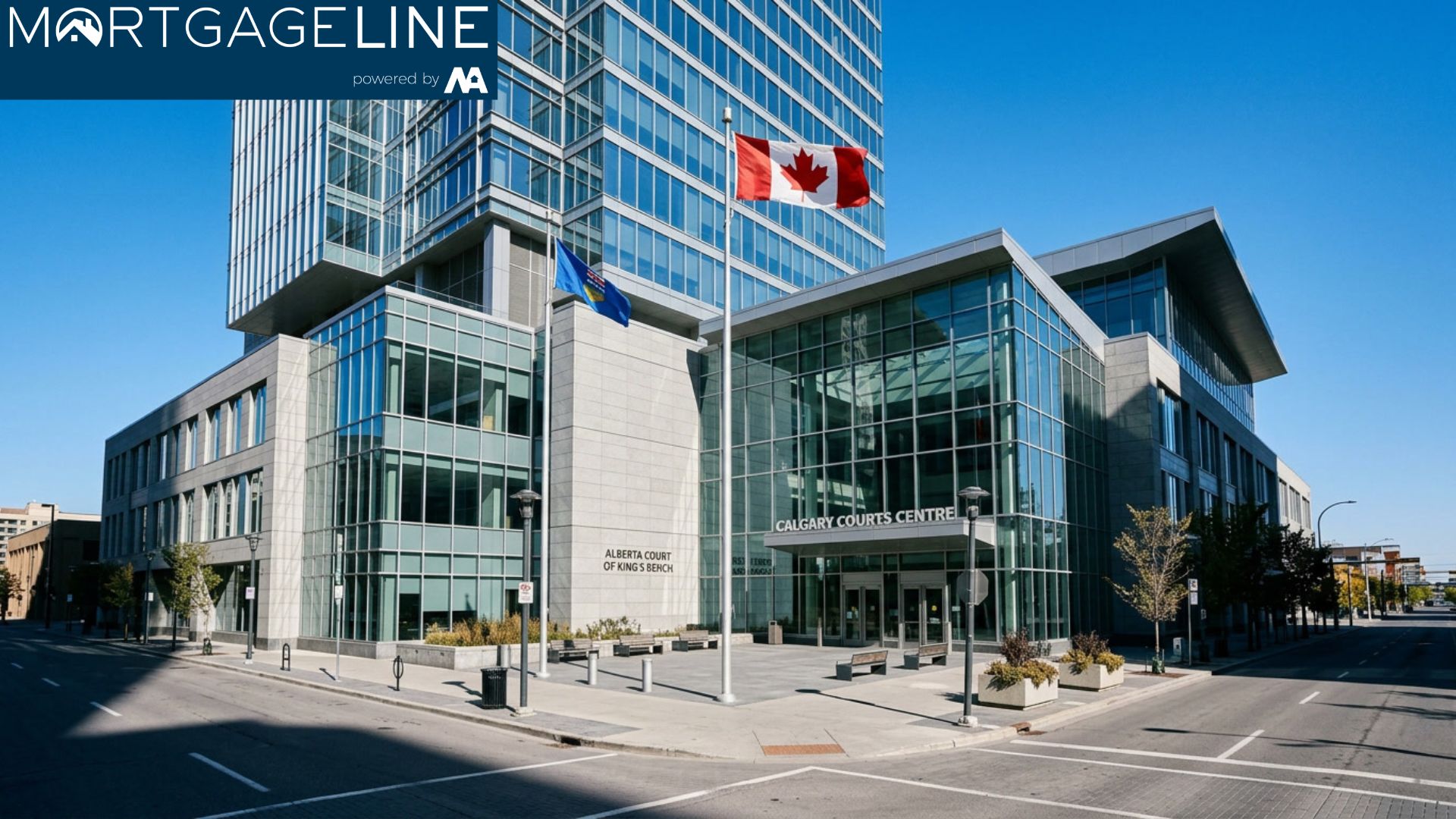
Research from the Canadian Mortgage and Housing Corporation (CMHC) indicates that approximately 0.25% of mortgages in Alberta entered arrears in early 2026, a slight uptick from the previous year due to variable rate adjustments. Once the Statement of Claim is filed, CIBC will typically apply for an Order Nisi. This court order confirms the debt amount and sets the redemption period. The standard redemption period under Section 40 of the Law of Property Act is six months for residential properties with less than four units. For larger multi-family or commercial properties, the period is often reduced to 90 days. During this redemption window, you retain full legal ownership and can sell the property, pay the arrears, or refinance with another lender.
The Critical Redemption Period and CIBC’s Timelines
The redemption period is the cornerstone of Alberta’s homeowner protection framework. As Justice K.M. Horner noted in a 2024 Court of King’s Bench decision, “The right to redeem is a substantive right, not merely a procedural grace period.” For a CIBC foreclosure, this means you have a legal entitlement to cure the default. The six-month clock starts from the date the Order Nisi is granted, not from the first missed payment. During this time, CIBC cannot list or sell the property. However, the bank can apply to shorten the redemption period if it can prove the property is being wasted, abandoned, or if the homeowner is not maintaining adequate insurance. In 2026, Alberta courts have granted shortened periods in approximately 12% of contested cases, according to data from the Canadian Legal Information Institute.
If the redemption period expires without payment, CIBC applies for a Final Order of Foreclosure. This order transfers title directly to the bank, extinguishing your equity and any subordinate interests, such as second mortgages or liens. The bank then becomes the owner and can sell the property through a real estate agent or auction. Crucially, if the sale proceeds exceed the debt, the surplus belongs to CIBC in a strict foreclosure—a harsh outcome unique to Alberta’s system. This is why protecting your equity before the final order is paramount.

Strategic Options to Stop a CIBC Foreclosure
Homeowners facing a CIBC foreclosure in Alberta have several actionable strategies. The most direct is paying the full arrears plus legal costs, which halts the process immediately. However, for most, this is not feasible. A more common approach is negotiating a forbearance agreement directly with CIBC’s special loans department. As Sarah Thompson, a licensed insolvency trustee with MNP Ltd. in Calgary, explains: “CIBC often prefers a structured repayment plan over a lengthy foreclosure. We’ve seen them accept partial lump sums combined with increased monthly payments, especially if the homeowner demonstrates a temporary hardship like a job loss or medical issue.”
Another powerful tool is filing a Statement of Defence. If CIBC has miscalculated the debt, failed to follow proper service rules, or if you have a counterclaim, a defence can buy critical months. The court process slows down, and CIBC must prove its case. This strategy requires a lawyer experienced in foreclosure defence. According to the Law Society of Alberta, self-represented litigants in foreclosure matters succeed in delaying the process in only 8% of cases, compared to 34% for those with legal representation.
| Strategy | Timeframe Impact | Equity Protection | Cost |
|---|---|---|---|
| Pay Arrears in Full | Immediate halt | Full protection | High (lump sum) |
| Forbearance Agreement | Process paused | Conditional | Moderate (legal fees) |
| File Statement of Defence | Adds 2-4 months | Preserves until hearing | Moderate-High |
| Private Sale During Redemption | Must close before expiry | Retain surplus equity | Realtor commissions |
| Refinance with Alternative Lender | Must fund before Final Order | Pays out CIBC, retains home | Broker fees, higher rates |
Understanding the Statement of Claim and Your Legal Response
The Statement of Claim from CIBC is not a mere notice; it is a formal lawsuit. It will list the mortgage details, the default date, the outstanding principal, per diem interest, and legal costs. In Alberta, CIBC’s legal costs in an uncontested foreclosure typically range from $3,500 to $7,000, which are added to your debt. You must respond within 20 days if served in Alberta, or 30 days if served elsewhere. Your response—a Statement of Defence or a Demand for Notice—must be filed at the Court of King’s Bench and served on CIBC’s lawyer. A Demand for Notice simply alerts the court that you want to be notified of all steps, but it does not dispute the claim. A full defence challenges the validity of the debt or the bank’s procedures.
David Chen, a real estate litigator with Field Law in Edmonton, advises: “Never ignore a Statement of Claim. Even if you plan to sell, file a Demand for Notice. This ensures you receive the Order Nisi application and know exactly when the redemption clock starts. I’ve seen homeowners lose their homes because they moved and the documents went to an old address.”
Alberta-Specific Rules: Dower Rights and Non-Resident Owners
Alberta’s Dower Act provides unique protections for spouses. If the mortgaged property is the family home and only one spouse signed the CIBC mortgage, the non-signing spouse has dower rights. CIBC must serve the non-signing spouse with the foreclosure documents, and that spouse can file a defence to protect their life estate interest. This can complicate and delay the foreclosure. Additionally, if the homeowner is a non-resident, CIBC must comply with the Income Tax Act withholding requirements upon sale, which can affect the net proceeds calculation. The Canada Revenue Agency requires 25% of the gross sale price to be withheld for non-resident vendors, a factor that often complicates redemption calculations.
Statistics from the Alberta Land Titles Office show that in 2025, approximately 1,200 residential foreclosure orders were granted across the province, with CIBC representing roughly 18% of those actions. The average time from Statement of Claim to Final Order in uncontested cases was 10.2 months. In contested cases, the timeline extended to 14.5 months on average.

How to Use the Redemption Period to Refinance or Sell
The six-month redemption window is your most valuable asset. Selling the property privately during this period allows you to capture any equity above the CIBC debt. The process requires listing the home, finding a buyer, and closing before the redemption expiry. In Calgary’s 2026 market, the average days on market for detached homes is 34 days, making a sale feasible within the window. However, you must price realistically. A forced sale often yields 5-10% below market value, according to the Calgary Real Estate Board. If you cannot sell, refinancing with a private or alternative lender is a viable path. These lenders can fund quickly—often within 10-15 business days—and will pay out CIBC directly, stopping the foreclosure. The key is acting before the Final Order of Foreclosure is granted.
Michael Roberts, a mortgage broker with over 20 years of experience in Alberta, states: “I’ve helped dozens of clients pull equity out during the redemption period. The biggest mistake is waiting until week 22 of a 26-week period. Lenders need time to appraise, underwrite, and fund. Start exploring your refinance options the day you receive the Statement of Claim.”
Common Mistakes That Accelerate Foreclosure
Several homeowner actions inadvertently speed up the CIBC foreclosure process. Abandoning the property is the most severe; it allows CIBC to apply for immediate possession and a shortened redemption period. Failing to maintain property insurance is another trigger—CIBC can force-place insurance at a premium cost, adding thousands to your debt. Ignoring court documents, as mentioned, leads to default judgment. Finally, attempting to sell the property for less than the mortgage balance without CIBC’s consent is futile; the bank must approve any short sale. A short sale requires a detailed application showing financial hardship, and CIBC will order an independent appraisal before agreeing.
FAQ: CIBC Foreclosure Rules in Alberta
How long does a CIBC foreclosure take in Alberta?
An uncontested CIBC foreclosure typically takes 10 to 12 months from the Statement of Claim to the Final Order of Foreclosure. The six-month redemption period is the longest phase, starting after the Order Nisi is granted. Contested cases can extend the timeline to 14-18 months.
Can I keep my house if I file for bankruptcy during a CIBC foreclosure?
Filing for bankruptcy triggers an automatic stay of proceedings, temporarily halting the foreclosure. However, CIBC can apply to lift the stay if you cannot maintain mortgage payments. Bankruptcy may eliminate unsecured debt but does not erase the mortgage; you must still deal with the secured claim.
What happens to my second mortgage when CIBC forecloses?
A Final Order of Foreclosure extinguishes all subordinate interests, including second mortgages and judgment liens. The second lender loses its security. However, during the redemption period, a second mortgage holder can redeem the first mortgage (pay out CIBC) to protect its position.
Does CIBC offer any internal hardship programs before starting foreclosure?
Yes, CIBC has a Special Loans and Restructuring department. They can offer payment deferrals, interest-only periods, or extended amortizations. You must contact them before the account is referred to legal counsel. Once the file is with lawyers, negotiation becomes more rigid and costly.
Can I sell my house for less than I owe to CIBC?
A short sale is possible but requires CIBC’s written consent. You must provide a purchase offer, a hardship letter, and financial statements. CIBC will commission an appraisal. If the shortfall is significant, CIBC may pursue a deficiency judgment for the remaining balance, unless a release is negotiated.
What is a Final Order of Foreclosure and can it be reversed?
A Final Order of Foreclosure transfers legal title from you to CIBC, extinguishing your equity. It is final and cannot be reversed except in rare cases of fraud or procedural error proven in court. Once granted, you have no further right to the property.
Are there any government programs to help with CIBC mortgage arrears in Alberta?
Alberta does not have a direct mortgage assistance program, but the federal Canada Mortgage and Housing Corporation offers insured mortgage tools. If your CIBC mortgage is CMHC-insured, you may qualify for payment deferral programs. Additionally, the Government of Alberta provides emergency income support that can indirectly help cover living costs while you address arrears.
Conclusion
CIBC foreclosure rules in Alberta are procedural and unforgiving, but they are also predictable. The judicial process provides a structured timeline with a six-month redemption period that gives homeowners a genuine opportunity to remedy the default. The most critical step is responding to the Statement of Claim immediately and seeking professional legal and financial advice. Whether through a forbearance agreement, a private sale, or refinancing, the window to act is finite. If you are facing a CIBC foreclosure and need to explore your options for retaining your home or protecting your equity, our team is ready to help.
References
- Government of Alberta – Law of Property Act, RSA 2000, c L-7.
- Canada Mortgage and Housing Corporation (CMHC) – Mortgage Arrears Data, 2026.
- Canadian Legal Information Institute (CanLII) – Alberta Court of King’s Bench Foreclosure Decisions.
- Law Society of Alberta – Foreclosure Representation Statistics, 2025.
- Canada Revenue Agency – Non-Resident Withholding Tax Guidelines.
- Calgary Real Estate Board (CREB) – Market Statistics, 2026.
- Alberta Land Titles Office – Foreclosure Order Data, 2025.