Yes, you can usually get a second mortgage on a Calgary duplex or semi-detached home if there is enough equity. The key question is what your title covers: your side only, or the whole building. Lenders also look at whether you live there, how any rent is documented, and who else is on title. Those details shape the lender, the loan size, and the cost.
Duplexes and semi-detached homes are common across Calgary. Many owners live in a unit and rent out the other, or own just their side. Each setup reads a little differently to a lender. Side-by-side homes and stacked units also look different on paper.
At The Second Mortgage Store, Lance Dawson has spent 22+ years helping Calgary homeowners use equity without breaking their first mortgage. We start with the title and the first-mortgage statement. Then we tell you honestly what the file can support.
In this guide, we explain the City’s definitions, why title scope matters, and how rent and co-owners fit in. We also cover how the loan is sized and priced.
Table of Contents
- Duplex and Semi-Detached Seconds at a Glance
- Duplex vs Semi-Detached: What the Terms Mean
- Your Side or the Whole Building? Check the Title
- Living in Your Unit and Renting the Other
- When You Own Only Your Side
- Co-Owners and Shared Buildings
- How the Loan Is Sized and Priced
- Frequently Asked Questions
- Talk to a Calgary Broker About Your Duplex or Semi
Duplex and Semi-Detached Seconds at a Glance
A second mortgage on a duplex or semi-detached home works like any other second. It is a new loan registered behind your first, and you keep the first mortgage. The lender sizes the loan to the equity left after existing charges.
What changes is the shape of the property. Your title may cover only your unit or the whole building. You may live there, rent part of it, or both.
Lenders want a clear picture of each point. Clean title, solid equity, and documented income make the file easier. Missing leases, unclear ownership, or thin equity make it harder and more expensive. Each detail affects which lenders will look at the file.
Own a duplex or semi in Calgary and need to tap equity? Send us your title and first-mortgage statement. We will tell you which lenders fit and what it could cost.
Duplex vs Semi-Detached: What the Terms Mean
People use these words loosely, but The City of Calgary defines them. Its building and planning glossary describes a semi-detached dwelling as a building with units side by side. A common party wall separates them, from foundation to roof.
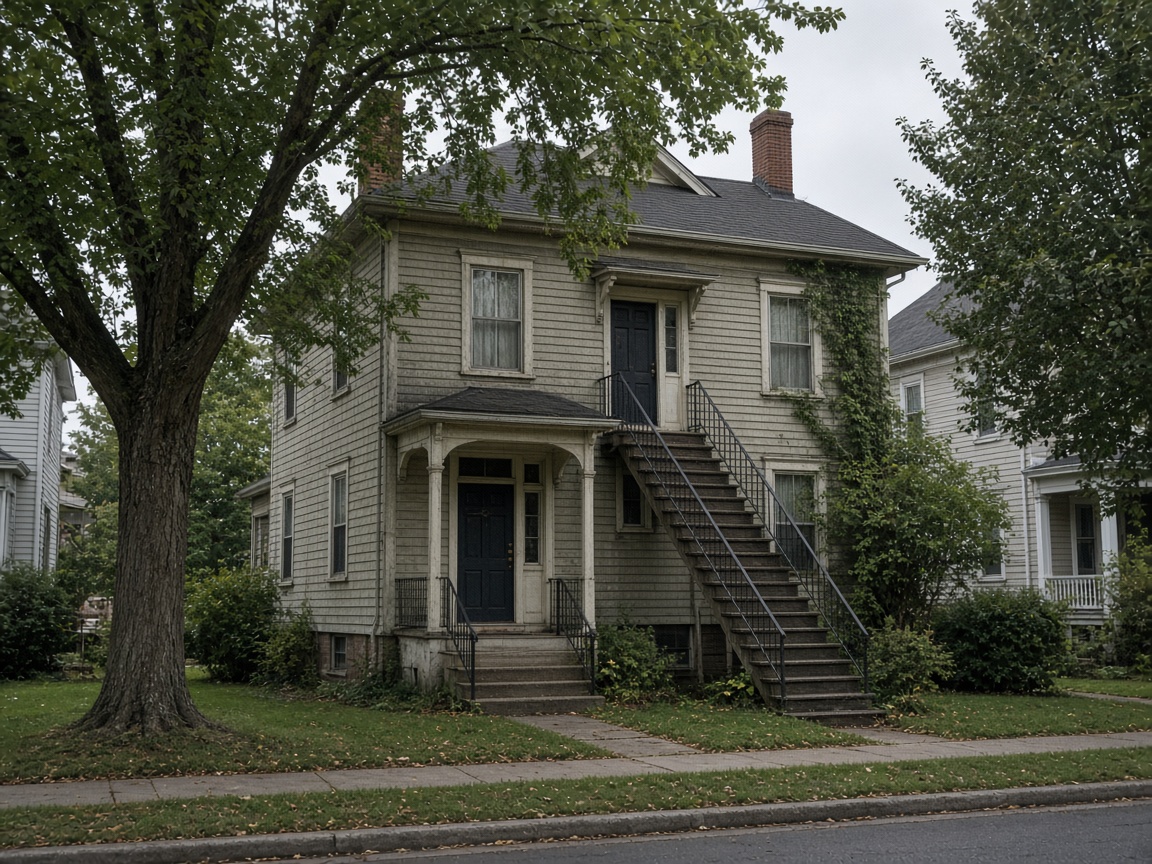
The same glossary describes a duplex as a building with its units stacked vertically. Each unit has a separate entrance. So “up and down” is a duplex, and “side by side” is a semi-detached home.
The glossary also defines a rowhouse, with units side by side on individually titled parcels. And it describes a secondary suite as a self-contained unit within the main residence. Knowing the right term helps your appraiser and lender describe the property correctly.
Use the correct word on your application. Calling a stacked duplex a “semi” can cause confusion later. Small mix-ups in the description can slow the file. If you are unsure which term fits, describe the layout plainly instead.
Your Side or the Whole Building? Check the Title
Before anything else, look at what your land title actually covers. Some owners hold title to their own side only. Others own the whole building, either alone or with someone else.
That answer decides what the lender can register a charge against. It also shapes the appraisal, since the appraiser values what is on your title. A lender needs to know exactly what secures the loan.
Check what else is registered too. Existing mortgages, caveats, or other interests can affect a new lender. Ask your lawyer to explain anything you do not recognize before you apply.
If you are not sure what your title covers, a title search answers the question quickly. Your lawyer or a registry agent can pull it for you.
If the title does not match how you use the property, raise it early. A clear explanation up front saves time in underwriting. Surprises found late can stall or end a file.
Living in Your Unit and Renting the Other
Many Calgary owners live in a unit and rent out the other. That can strengthen a file, because the rent adds income. It can also add questions about how that rent is documented.
Some lenders may consider part or all of the rent when they review your income. Others will lean mainly on your own earnings. Each lender sets its own approach, so ask early.
Good records help either way. Keep signed leases, bank deposits that match the rent, and any tax filings that show rental income. Cash rent with no paper trail is hard for any lender to use.
Private lenders lean more on equity and the exit plan than on income. If your income documents are thin, they may still look at the file. Expect the cost to reflect that flexibility.
Think about vacancy too. Tenants move, and a unit can sit empty between leases. Lenders like to see that you could carry the payments on your own income.
When You Own Only Your Side
If you own just your side of a semi-detached home, the lender looks at that side. The appraiser will compare it with similar homes nearby. Condition, updates, and layout all matter.
Because you share a wall and often a roofline, the building’s overall condition still counts. A neighbour’s neglected side can affect how your side presents. Talk to the appraiser about any recent work you have done.
Comparable sales matter here. If similar semi-detached homes nearby have sold recently, the appraiser has better evidence. That can support a stronger value for your side.
Your neighbour has no say in your loan if they are not on your title. Your second is registered against your title only. Their mortgage is a separate matter.
Keep records of shared repairs, such as roof or wall work. These show the building is maintained. They can also help explain value if anyone asks.
Want to know what your side could support? Lance Dawson has 22+ years of experience sizing equity files for Calgary homeowners. We will show you the numbers before anyone orders an appraisal.
Co-Owners and Shared Buildings
Some duplexes are owned by family members, friends, or partners who each live in a unit. If you share a single title for the whole building, the charge would sit against that shared title. Expect a lender to want every owner on title involved.
That makes agreement between owners essential. Talk openly about why the money is needed and who will make the payments. Put the plan in writing before you approach a lender.
Your lawyer can explain how a co-owned title works and what each owner is signing. We are a mortgage brokerage, not a law firm. We can arrange the financing once the owners agree.
If co-owners disagree, the file will not move. A second mortgage cannot settle a dispute between owners. Sort the ownership questions first, then come back to financing. Also think about what happens if a co-owner wants to sell later, since a shared charge affects everyone.

How the Loan Is Sized and Priced
Lenders size a second to combined loan-to-value. That means the first mortgage plus the second, measured against the appraised value. Whatever equity is left is what they lend against.
Read about how a home equity loan in Calgary is sized behind your first mortgage to see the steps. The same approach applies whether you own a side, a stacked unit, or the whole building.
Cost is more than the rate. Ask for the lender fee, brokerage fee, legal, and appraisal in writing. A low rate with a large fee can cost more on a short term. Ask about prepayment terms too, and plan what comes after a short private term.
Compare that total with what the money will actually do for you. Plan for both payments. Your first mortgage payment stays, and the second adds its own. Make sure the combined total works even if a unit sits empty for a while.
Frequently Asked Questions
How hard is it to get a second mortgage on a Calgary duplex?
It is usually manageable if you have solid equity and a clean title. Bank lenders want strong income and credit. Private lenders are more flexible but cost more.
What kind of equity loan can you get on a duplex or semi?
You may qualify for a second mortgage or a home equity line of credit. A second is usually a lump sum registered behind your first. A line of credit is revolving and usually comes from a bank lender.
What is the downside of a second mortgage on a semi-detached home?
A second adds a payment and usually costs more than a first mortgage. Missing either payment puts the home at risk. Borrow only what your plan needs, and know how you will repay it.
Does owning only your side of a building make borrowing harder?
Not necessarily, as long as your title is clear and the equity is there. The lender and appraiser look only at your side. Good condition and records help.
Talk to a Calgary Broker About Your Duplex or Semi
A second mortgage on a Calgary duplex or semi-detached home is often possible. Know what your title covers, document any rent, and get co-owners on the same page. Then compare full costs before you sign.
Lance Dawson (BA adv., MA) brings 22+ years of experience and a background in Canadian housing policy to every file. We show the full cost in writing before anyone commits. We cannot guarantee an approval, and we do not give legal advice.
If you own a duplex or semi and need equity, talk to us first. We will look at your title and tell you plainly what it can support.