A legal secondary suite can make home equity financing in Calgary smoother, as long as you can prove the suite is registered. Lenders and appraisers want to know the suite meets City rules. Some lenders may also consider the suite’s rent when they review your income. An unregistered suite can raise questions that slow or shrink the loan.
Many Calgary homeowners already have a legal basement suite with a tenant in it. When they need equity for debt, taxes, or family costs, the suite becomes part of the file. Handled well, it is a strength rather than a complication. Missing paperwork, though, can add questions.
At The Second Mortgage Store, Lance Dawson has spent 22+ years helping Calgary homeowners tap equity without breaking their first mortgage. We look at the whole property, suite included. Then we show the full cost in writing.
In this guide, we explain what makes a suite legal and how to prove it. We also cover suite rent, appraisals with a tenant at home, and choosing the right product.
Table of Contents
- Legal Suites and Home Equity at a Glance
- What Makes a Calgary Secondary Suite Legal
- How to Prove Your Suite Is Registered
- How Lenders May Look at Suite Rent
- The Appraisal When a Tenant Lives Downstairs
- Choosing Between a Second Mortgage and a HELOC
- If Your Suite Is Not on the Registry
- Frequently Asked Questions
- Talk to a Calgary Broker About Your Suite Home
Legal Suites and Home Equity at a Glance
A secondary suite is a separate dwelling unit inside a house, often in the basement. In Calgary, a legal suite is registered with The City after an inspection. The City keeps an online registry that shows every legal and safe suite.
For home equity financing, that registration is your proof. It tells a lender and an appraiser the suite meets the rules. It can also support any rental income you want considered. Registration also shows the suite was inspected for safety.
If the suite is not registered, expect questions. A lender may value the home without the suite, or decline to count its rent. Check your address on the registry before you apply, so there are no surprises.
Have a legal suite and need to use your equity? Send us your first-mortgage statement and your suite details. We will show you what a second or a line of credit could look like, with all costs.
What Makes a Calgary Secondary Suite Legal
The City of Calgary describes a secondary suite as a separate dwelling unit contained within a house. That house can be a single-family home, a semi-detached home, a duplex, or a rowhouse. The suite is commonly in the basement.
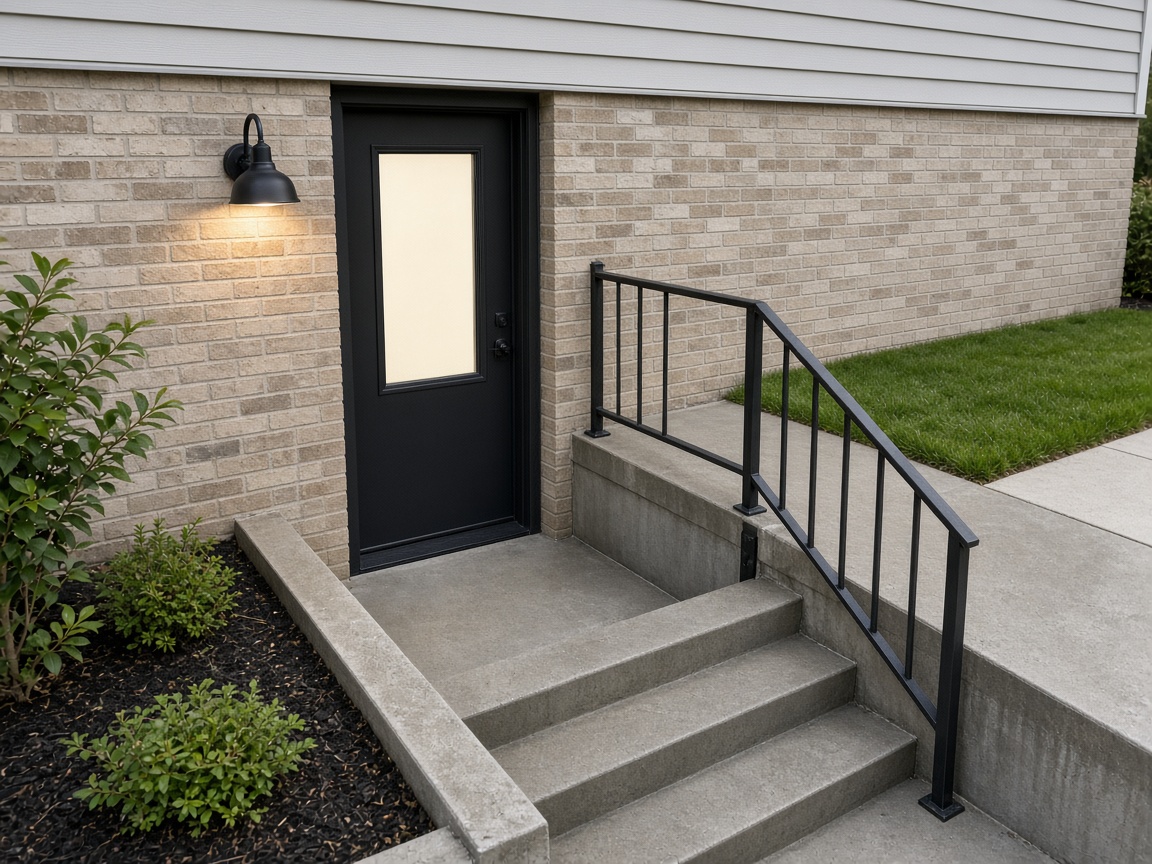
The City’s page on renting a safe and legal secondary suite lists what every suite needs. It must have a bathroom, cooking facilities, and a sleeping area. It also needs direct access without going through the main residence.
Owners must complete The City’s process to register a suite. That process includes an inspection by The City and meeting safety requirements under the National Building Code – Alberta Edition. The suite must also meet the Land Use Bylaw.
Backyard and garage suites are a separate category, built apart from the main home. They have their own path to approval. This guide focuses on suites inside the house.
How to Prove Your Suite Is Registered
The simplest proof is The City’s Secondary Suite Registry. It is an online, searchable map of legal and safe suites. If your address appears, the suite is registered.
A registered suite should also have a registration sticker visible in the unit. Take a clear photo of it for your file. It is a small detail that saves back-and-forth later.
Gather any permits and inspection papers from when the suite was legalized. Keep copies of current leases too. Together, these documents tell a clean story about the suite. Lenders tend to trust official records over verbal assurances.
If you bought the home with the suite already in place, check the registry anyway. Do not assume a previous owner finished the process. A quick search now can prevent a problem during underwriting.
How Lenders May Look at Suite Rent
Some lenders may consider rent from a legal suite as part of your income. Others will not count it, or will count only part of it. Each lender sets its own approach, so ask early.
Rent is easier to consider when it is well documented. A signed lease, bank deposits that match the rent, and a registered suite all help. Cash rent with no paper trail is hard for any lender to accept.
Private lenders lean more on equity and the exit plan than on income. For them, suite rent may matter less than the home’s value and title. Bank lenders usually look harder at income documents.
Be ready to explain the tenancy itself. How long has the tenant been there, and is rent paid on time? A steady history reads better than a brand-new lease.
Keep the rent separate from your personal spending if you can. A dedicated account makes deposits easy to show. It also makes tax time simpler.
Want to know how your suite income might be treated? Lance Dawson has 22+ years of experience matching Calgary files to the right lender. We will tell you honestly which lenders fit.
The Appraisal When a Tenant Lives Downstairs
Most home equity loans need a professional appraisal. The appraiser will want to see the whole home, suite included. That means planning access with your tenant.
Give your tenant proper notice before the visit, following the rules that apply to your tenancy. Explain that the visit is for a valuation, not an inspection of how they live. A calm heads-up keeps the relationship on good terms.
Tidy both units before the appraiser arrives. Make sure smoke alarms work and exits are clear. A well-kept suite supports the value you are hoping to see.
Share your registry proof and suite details with the appraiser up front. That helps the report describe the property accurately. It also avoids a value based on guesswork. Point out any work done when the suite was legalized, such as separate cooking facilities.
Choosing Between a Second Mortgage and a HELOC
A second mortgage is a separate loan registered behind your first, usually paid out as a lump sum. A HELOC is revolving credit, usually from a bank lender at a variable rate. Both use equity, and both leave your first mortgage in place.
A HELOC can suit you if a bank approves it and you want to borrow only what you use. A second mortgage can suit a known amount needed now, or a file the bank declined. It costs more, and that should be clear before you sign.
Before choosing, read how a second mortgage vs HELOC in Calgary compares side by side. Then ask for the all-in cost of each option you qualify for. Comparing a rate you cannot get to one you can is how files stall.
Remember that rent can change. Tenants move out, and units sit empty between leases. Choose a payment you could manage from your own income if the suite were vacant. Lenders know this too, which is why they look at your own income.

If Your Suite Is Not on the Registry
If your address does not appear on the registry, the suite is not registered. The City notes that if an owner decides not to legalize a suite, it would need to be removed. That is a serious issue to sort out before you borrow.
Tell your broker about the suite up front. Hiding it from a lender or appraiser only creates bigger problems later. Honest files are easier to place.
Some owners use equity to pay for the work needed to legalize a suite. The City’s process sets the requirements, so start there. Ask The City about permits and inspections before spending money. Budget for the work and the time it takes before counting on suite rent.
We are a mortgage brokerage, not a building inspector or a law firm. We can help with financing once you know what the suite needs. The rules themselves come from The City.
Frequently Asked Questions
Is a home equity loan on a Calgary home with a suite the same as a second mortgage?
Usually, yes. A home equity loan is commonly a second mortgage registered behind your first. A HELOC is a different product that also uses your equity.
What could stop a home equity loan on a Calgary home with a suite?
Thin equity, title problems, or unpaid property taxes can stop a file. An unregistered suite can also raise questions. Weak income documents may limit which lenders will look at it.
How does a second mortgage work on a Calgary home with a legal suite?
It works like any second: a new loan registered behind your first. The suite becomes part of the appraisal. Some lenders may also consider the suite’s rent.
Is a HELOC or a second mortgage better for a home with a rental suite?
It depends on what you qualify for and why you need the money. A bank HELOC is usually cheaper if you can get it. A second can fund when the bank says no, at a higher cost.
Talk to a Calgary Broker About Your Suite Home
A legal secondary suite can help a Calgary home equity file, but proof matters. Check the registry, gather your leases and deposits, and plan the appraisal visit. Then compare a second and a HELOC on full cost.
Lance Dawson (BA adv., MA) brings 22+ years of experience and a background in Canadian housing policy to every file. We show the full cost in writing before anyone commits. We cannot guarantee an approval, and we do not give legal advice.
If your home has a legal suite and you need equity, talk to us. We will review the whole property and tell you honestly what it can support.